Wenzhou Prance Hydraulic Equipment Co., Ltd

How should system designers interpret hydraulic valve pressure drop?
Hydraulic valve pressure drop only becomes useful when it is tied to a real flow, fluid and circuit budget. Treat catalog delta-P statements as conditions to verify, then collect the points that belong in a valve RFQ.
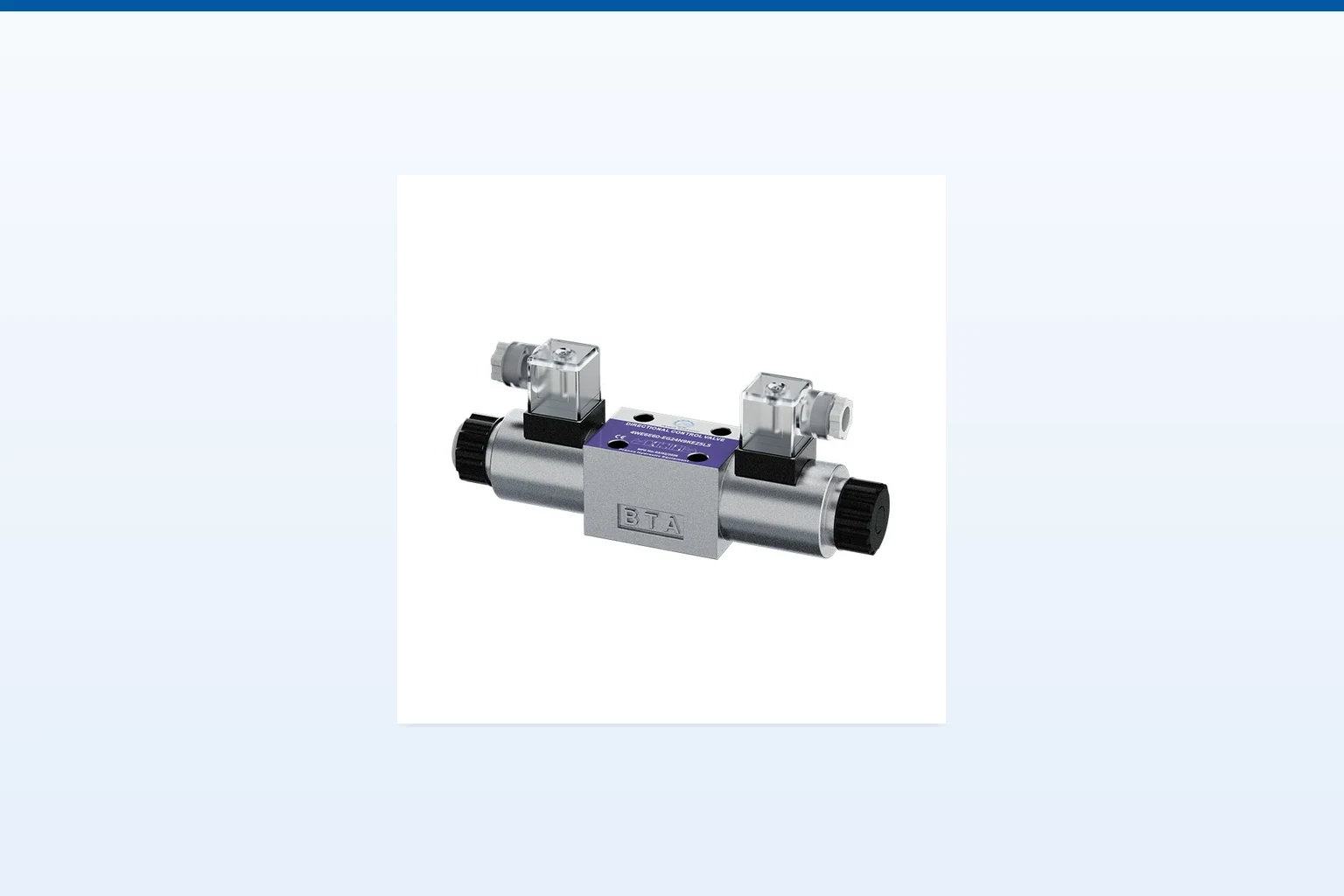
Part 1. What does valve pressure drop represent in a circuit?
Pressure drop is the pressure consumed as fluid passes through the valve path at a stated flow and fluid condition. That pressure is no longer available to the actuator or the next component in the line.
Part 2. Why does the flow point matter more than a single number?
Delta-P changes with flow. A value recorded at one test point cannot be copied to a different duty without checking the model data. Viscosity and temperature also belong in the same note because they change the fluid condition.
Part 3. How should designers budget remaining pressure?
| Budget item | Capture in review | Send with quote |
|---|---|---|
| Required actuator pressure | Continuous and peak | Yes |
| Estimated path losses | Hoses, fittings, other valves | Yes |
| Candidate valve delta-P | At stated flow from datasheet | Yes |
| Pump available pressure | Continuous and peak | Yes |
If remaining pressure is tight, redesign the path or revisit valve sizing before freezing the BOM.

Part 4. Where does heat enter the same discussion?
Energy dissipated across a pressure drop becomes heat in the fluid. A high continuous drop at significant flow can affect cooling demand even when the machine still moves. Record duty cycle so intermittent peaks are not treated as continuous losses.
Part 5. Which measurement mistakes distort a field reading?
Measuring far from the valve, ignoring gauge accuracy, mixing units, or comparing a loaded actuator condition with an open-path test can all mislead the review. Note sensor locations with the reading.
Part 6. What inquiry details make a pressure-drop review usable?
Provide target flow, fluid type and temperature, required actuator pressure, known line losses, mounting envelope and the documentation you need for delta-P confirmation.
- Product-family route: directional or proportional valve family after duty is documented
- Send with quote: flow points, fluid data and pressure budget
- Fit boundary: published curves apply only under their stated conditions

Important: Do not copy a catalog delta-P number onto a different flow or fluid condition; confirm the curve or table for the intended duty point. — Parker basic hydraulic formulas
Use the following related guidance during the review:
For a product-family review, start with the hydraulic valves range, review the directional valve 4WE route when relevant, then submit the full application through the contact page. A model recommendation requires the applicable datasheet and complete operating inputs.
FAQs
What is hydraulic valve pressure drop?
It is the pressure consumed by flow through the valve path under stated conditions.
Does a lower pressure drop always mean a better valve?
Not by itself. Interface, control behavior, leakage and documentation must still match the machine.
Can I reuse a catalog delta-P at any flow?
No. Confirm the value at the intended flow and fluid condition in the model data.
How does pressure drop affect heat?
The energy lost across the drop becomes heat that the system must manage.
Should peak and continuous flow both be listed?
Yes. They can produce different pressure-drop and heat conclusions.
What should a buyer include in the RFQ?
Flow points, fluid, temperature, pressure budget, interfaces and the required datasheet confirmation.
References
- Parker basic hydraulic formulas — pressure, flow and power relationships used when budgeting valve losses.
- Danfoss Series 40 technical information — why published component data applies only under stated operating conditions.