شركة ونزهو برانس للمعدات الهيدروليكية المحدودة

بدء تشغيل محرك هيدروليكي بارد: اللزوجة، عزم الكسر، والضغط الخلفي
Hydraulic motor cold start torque depends on pressure actually reaching the motor, the motor’s starting characteristics, and the resistance of the complete driven machine. Cold oil can increase pressure losses and mechanical resistance, so a high pump gauge reading does not prove enough torque reaches the shaft. Measure both motor working-port pressures and follow the exact motor’s fluid, temperature, and starting limits. Check brake release and the mechanical load before considering a larger motor or higher relief setting. Starting torque is a configuration-specific performance value; it should not be assumed equal to theoretical torque calculated from displacement.
Separate a cold-start problem from a general torque shortage
A machine that starts normally after warming presents a different question from one that never starts under the required load. Record the temperature and operating conditions for both cases. Include how long the machine stood, whether it was exposed to wind, whether the driven equipment was loaded, and whether another function was operating. A reservoir temperature taken after circulation may not represent oil trapped in a remote motor.
Confirm that the symptom is failure to begin rotation rather than low running speed. A stalled shaft, a delayed brake release, a brief initial movement followed by a stall, and continuous slow rotation are different observations. They point toward different combinations of pressure availability, mechanical resistance, flow delivery, and controls. Recording the sequence is more useful than replacing a motor based on the phrase “weak when cold.”
Calculate theoretical torque, then identify its limits
For a hydraulic motor, theoretical torque in newton metres can be written as pressure difference in bar multiplied by displacement in cubic centimetres per revolution, divided by approximately 62.83. The pressure difference is the high working-port pressure minus the low working-port pressure. Use the pressure at the motor, not an upstream pump reading separated from it by restrictive valves and hoses.
As an illustrative calculation, a hypothetical 100 cubic centimetre motor with 120 bar pressure difference has theoretical torque of about 191 newton metres. That number assumes ideal conversion. It is not guaranteed breakaway torque, and it is not a BMS specification. If the outlet pressure rises while inlet pressure stays the same, the pressure difference and ideal torque decrease. Friction and starting behavior further separate the real shaft result from the ideal calculation.
Do not insert a convenient running-efficiency percentage to manufacture a cold starting rating. Starting performance can depend on shaft position, internal design, differential pressure, viscosity, and the test method. Ask for the manufacturer’s starting-torque data under conditions relevant to the application, including whether the stated result is a minimum, typical, or calculated value.
Why cold oil changes pressure availability
Higher viscosity can increase losses through the supply valve, hose, motor passages, and return path. The pump pressure may reach its control or relief limit while the motor receives a smaller pressure difference than expected. Measuring only the pressure before the directional valve hides that distinction. A synchronized record of inlet and outlet pressure at the motor makes the effect visible.
The same cold condition can affect a separate brake release circuit or other pressure-controlled function. Establish whether the brake reaches its specified release condition before torque is requested. A motor trying to turn against a partially released brake creates a very different problem from an unloaded motor with insufficient supply. Do not use a pressure increase to force through a brake that has not been confirmed released.
Check the driven equipment as carefully as the motor
Gearbox oil, bearing grease, seals, belt tension, and material accumulated in a mixer or conveyor can all change the starting resistance. Hydraulic oil may warm quickly while the gearbox remains cold. That difference can explain why a reservoir-temperature-based starting rule behaves inconsistently. Follow each connected component’s permitted conditions rather than assuming the motor is the only cold-sensitive part.
Where the equipment manufacturer provides a safe method to separate the hydraulic drive from the mechanical load, qualified personnel can compare the two conditions after isolation and stored-energy control. Do not uncouple a loaded or unsupported mechanism as an improvised test. A suspended load, spring, rotating assembly, or gravity-driven conveyor can move when the connection is released.
Use a diagnostic comparison table
| ملاحظة | التمييز المحتمل | جمع الأدلة | الخطوة التالية المناسبة |
|---|---|---|---|
| Pump pressure high, motor inlet pressure much lower | Supply-path pressure loss | Simultaneous pressures across valve and line | Review cold-flow restrictions and component sizing |
| Motor outlet pressure rises strongly when cold | Return restriction reduces pressure difference | Outlet pressure at approved test point | Check return path and permitted back pressure |
| Shaft waits until brake pressure changes | Release sequence or brake circuit limitation | Brake pressure and shaft movement timeline | Validate manufacturer release sequence |
| Motor starts unloaded but not with the required load | Starting resistance exceeds available torque | Safe unloaded comparison and load estimate | Review drivetrain resistance and starting data |
| Warm restart works but cold remote motor does not | Local fluid or mechanical temperature differs | Motor, reservoir, and gearbox temperatures | Define warm-up using the limiting component |
| Problem persists warm and cold | Not solely a viscosity issue | Repeated pressure and load measurements | Investigate wear, controls, or incorrect selection |
The table is an investigation framework, not a diagnosis from symptoms alone. Its recommendations require configuration-specific limits and a safe test procedure. NPTEL motor teaching material supports the pressure-displacement-torque relationship; actual starting performance must come from the motor documentation rather than the illustrative equation.
Choose fluid using both the cold and hot ends
A lower viscosity at the coldest start can reduce some losses, but choosing a thinner fluid without reviewing hot operation can compromise the permitted viscosity range later. Use the oil supplier’s viscosity-temperature information together with the requirements of the pump, motor, valves, seals, and any shared brake system. The most restrictive applicable component may govern the choice.
Pour point does not establish permission to operate a hydraulic motor at that temperature. It describes a fluid property under a particular test. A product may impose separate temperature, viscosity, speed, pressure, or start-duration restrictions. Verify those conditions together. Other manufacturers’ maximum cold-start viscosity values are examples of model-specific documentation, not substitute limits for a Prance BMS motor.

Match the BMS motor to the real duty
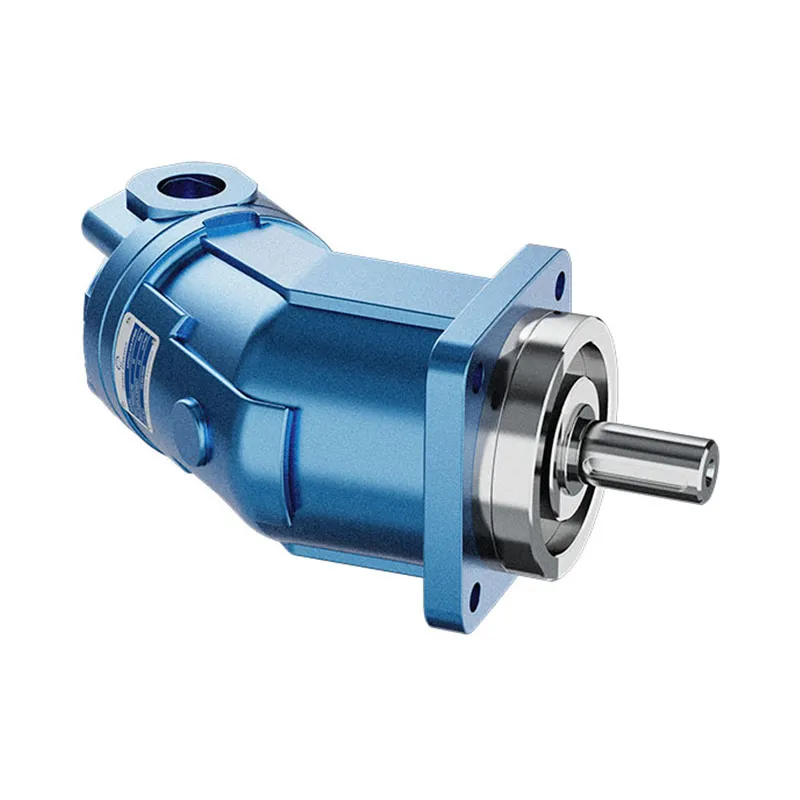
The website’s BMS gerotor orbit motor is a relevant product family for low-speed drive discussions. The original photographs show the offered motor exterior. They do not prove starting torque, internal option codes, brake integration, bearing load capacity, or a permissible cold-start temperature. Select the exact configuration from its documentation rather than from appearance or the general motor category.
A useful inquiry identifies displacement, shaft and mounting arrangement, direction and reversibility, required starting torque at the motor shaft, running torque, speed range, duty duration, fluid, and coldest start. Include supply and return pressure measurements where an existing drive is being replaced. If a gearbox is present, state the ratio and the torque location clearly so motor-shaft and output-shaft requirements are not confused.
Define an approved warm-up and starting sequence
Use the machine manufacturer’s procedure to establish supply conditions and release brakes before applying the intended load. Avoid commanding full speed simply because the shaft has not moved. That can send flow across a relief valve, generate heat, or produce a sudden acceleration once resistance is overcome. An accepted start must control the transition into motion as well as achieve it.
A blanket instruction to run at low load is insufficient where the actual load cannot be disconnected or safely controlled. In that case the system may need an engineered heating, circulation, or unloading arrangement. The design should explain how the remote motor and relevant mechanical components reach permitted conditions, how readiness is confirmed, and what happens if the required condition is not achieved.

Accept the repair under repeatable conditions
Repeat the test after a representative cold soak, with the defined load and the minimum available supply conditions. Record start delay, pressure difference, brake release timing where applicable, speed rise, temperature, and any instability. Compare those observations with agreed requirements and component limits. A successful unloaded workshop start alone does not establish adequate starting torque on the installed machine.
Stop if there is unexpected movement, abnormal noise, excessive pressure, leakage, or a limit being approached. Hydraulic work requires isolation and release of stored energy before connections or components are disturbed. Never search for leakage with a hand or loosen a pressure line to help a stalled motor start. Review measured evidence before adjusting protective settings.
Preserve the final fluid specification, control sequence, component codes, and acceptance results in the maintenance record. That gives the next technician a basis for recognizing an unapproved oil change, return-line substitution, or brake adjustment that could reproduce the problem.
الأسئلة الشائعة
هل يقلل الزيت البارد دائمًا من عزم المحرك؟
ليس من خلال علاقة عالمية واحدة. يمكن أن يغير الزيت البارد خسائر الدائرة، الاحتكاك، استجابة الفرامل، والتسرب. النتيجة المفيدة تعتمد على المحرك والنظام الكامل للتشغيل. قارن فرق ضغط منفذ المحرك المقاس وبيانات بدء التشغيل الخاصة بالنموذج مع عزم الدوران المطلوب للعمود.
لماذا تبدو مقياس المضخة طبيعيًا عندما لا يبدأ المحرك؟
قد يقيس المقياس الضغط قبل المكونات المقيدة، أو قد يكون ضغط المخرج عند المحرك مرتفعًا. يستجيب المحرك لاختلاف الضغط عبر منافذ عمله. قراءة الحالة الطبيعية قبل التقييد لا تثبت ذلك الاختلاف أو تؤكد تحرير الفرامل.
هل يمكنني رفع قيمة ضبط صمام تخفيف الضغط للتغلب على مشكلة التشغيل عند بدء التشغيل في درجات الحرارة المنخفضة؟
لا يجوز ذلك إلا بعد أن يتحقق مصمم المعدات من السبب ويؤكد أن جميع المكوّنات المتأثرة ووظائف الحماية لا تزال ضمن الحدود المعتمدة لها. فقد يؤدي ضبط قيمة أعلى إلى إخفاء وجود انسداد أو إلى التسبب في مقاومة المكابح. وهذا ليس علاجًا عامًا لمشكلات بدء التشغيل في الطقس البارد.
Is running torque enough for selecting a motor?
لا. يمكن أن يتحكم في الاختيار طلب القوة اللازمة عند بدء التشغيل، وضعية البداية، التسارع، توفر الضغط، ومقاومة البرودة للمعدات المُحركة. اطلب أداء بدء التشغيل تحت الظروف ذات الصلة بالإضافة إلى بيانات التشغيل المستمر. حافظ على تمييز مواقع عزم الدوران بين علبة التروس والمحرك.
What should I send with a BMS cold-start inquiry?
يرجى تقديم رمز المحرك الدقيق، وسعة الإزاحة، وتفاصيل التركيب، ومعلومات الحمل وعلبة التروس، ونوع السائل، وأدنى درجة حرارة، وضغوط التغذية والعودة المتزامنة. أدرج تسلسل بدء التشغيل وتفاصيل الفرامل إن وُجدت. تساعد هذه المعلومات في مراجعة التكوين دون اختلاق تصنيف أو مواصفات اعتمادًا على صورة فوتوغرافية.
موارد المنتج والهندسة ذات الصلة
محرك مداري هيدروليكي جيروتور BMS, نطاق منتجات المحرك الهيدروليكي, عزم بدء تشغيل المحرك الهيدروليكي مقابل عزم التشغيل: دليل الاختيار, مطاردة فرامل المحرك الهيدروليكي: ديناميكيات الصمام، والقصور الذاتي، ومرونة الخط. تأكيد رمز المنتج الكامل ومتطلبات التطبيق عند طلب مراجعة التكوين.
Technical references
درس جامعي: محركات هيدروليكية
6.3 – توفر NPTEL-NOC IITM خلفية عن مبادئ تشغيل المحرك. تكمل أساسيات المكونات؛ فهي ليست إجراء اختبار للدائرة الكاملة الموضحة أعلاه.