Wenzhou Prance Hydraulic Equipment Co., Ltd

Where does a piston motor or orbit motor fit in a hydraulic drive?
Piston Motor vs Orbit Motor: Selection Buyer Guide begins with defined system inputs and documented model limits. Use the checklist below to collect the operating, fluid and installation data before treating a pump issue or quotation as a model-selection decision.
Contents
- What is the practical difference between piston and orbit motors?
- Which duty inputs determine the motor family review?
- How do speed and torque affect the comparison?
- Why does the load and drive arrangement matter?
- What mounting and interface data should be checked?
- How should a buyer request a motor quotation?
What is the practical difference between piston and orbit motors?
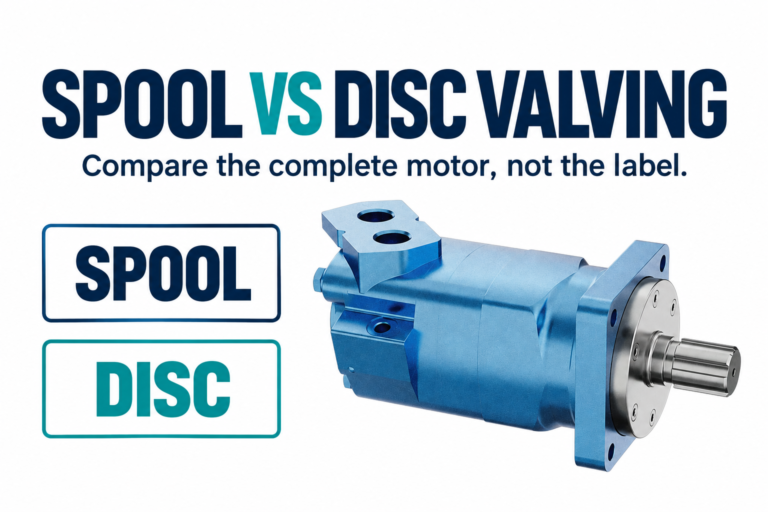
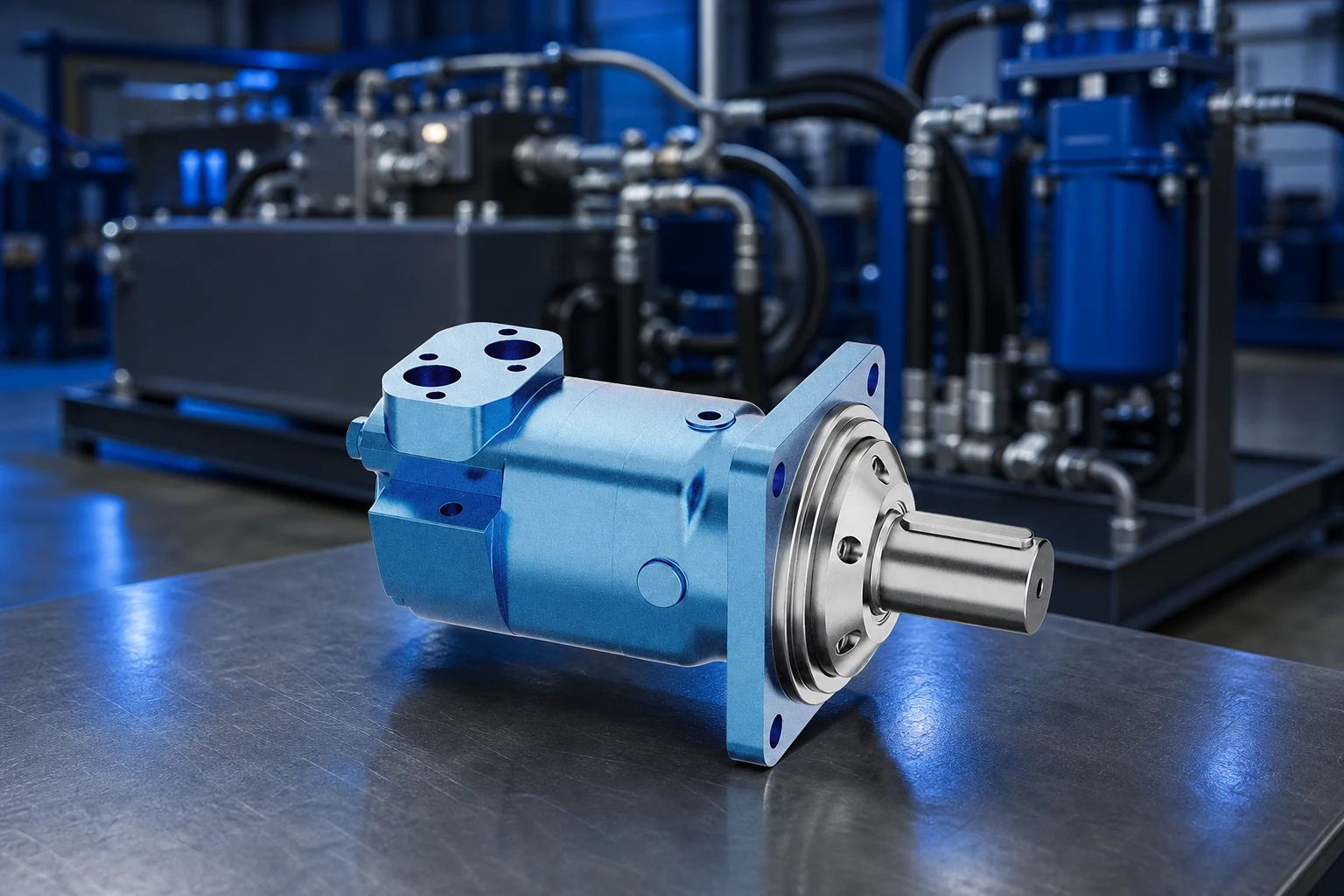
Piston and orbit motors use different internal arrangements and are evaluated against the actual duty, speed range, torque requirement, circuit and installation interface. A comparison should not become an automatic substitution rule.
Which duty inputs determine the motor family review?
Define required torque, speed range, pressure, flow, duty cycle, load behavior, fluid and temperature. State continuous and peak conditions separately where they apply.
How do speed and torque affect the comparison?
Hydraulic motor displacement links available flow to rotational speed in a theoretical calculation. Actual delivered performance depends on the selected model, pressure, efficiency, leakage and operating conditions stated in its documentation.
Why does the load and drive arrangement matter?
Travel, winch, conveyor, fan and rotating-tool loads can behave differently during start, acceleration, reversal and overrunning. Describe the load and any gearbox, brake or control arrangement in the RFQ.
What mounting and interface data should be checked?
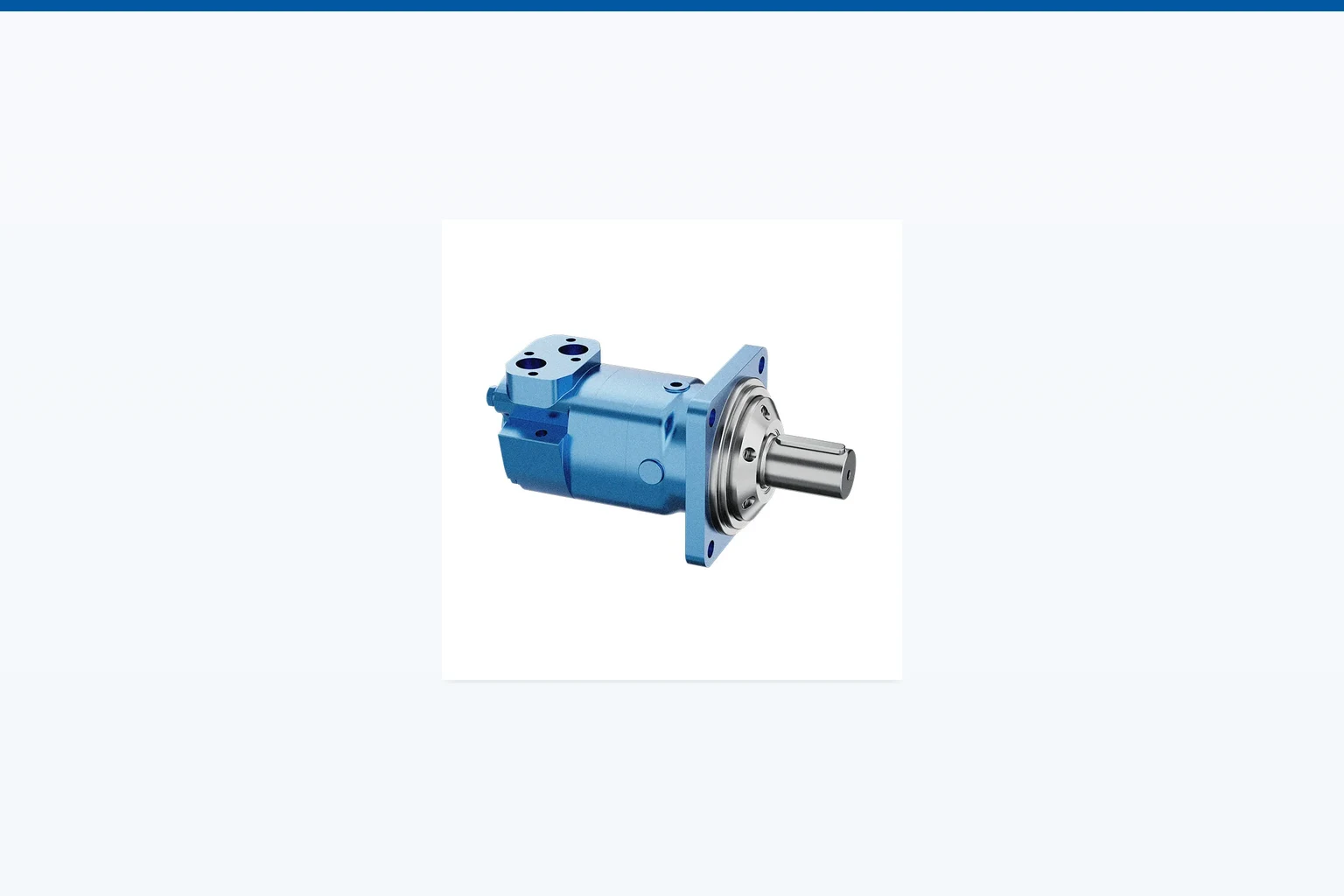
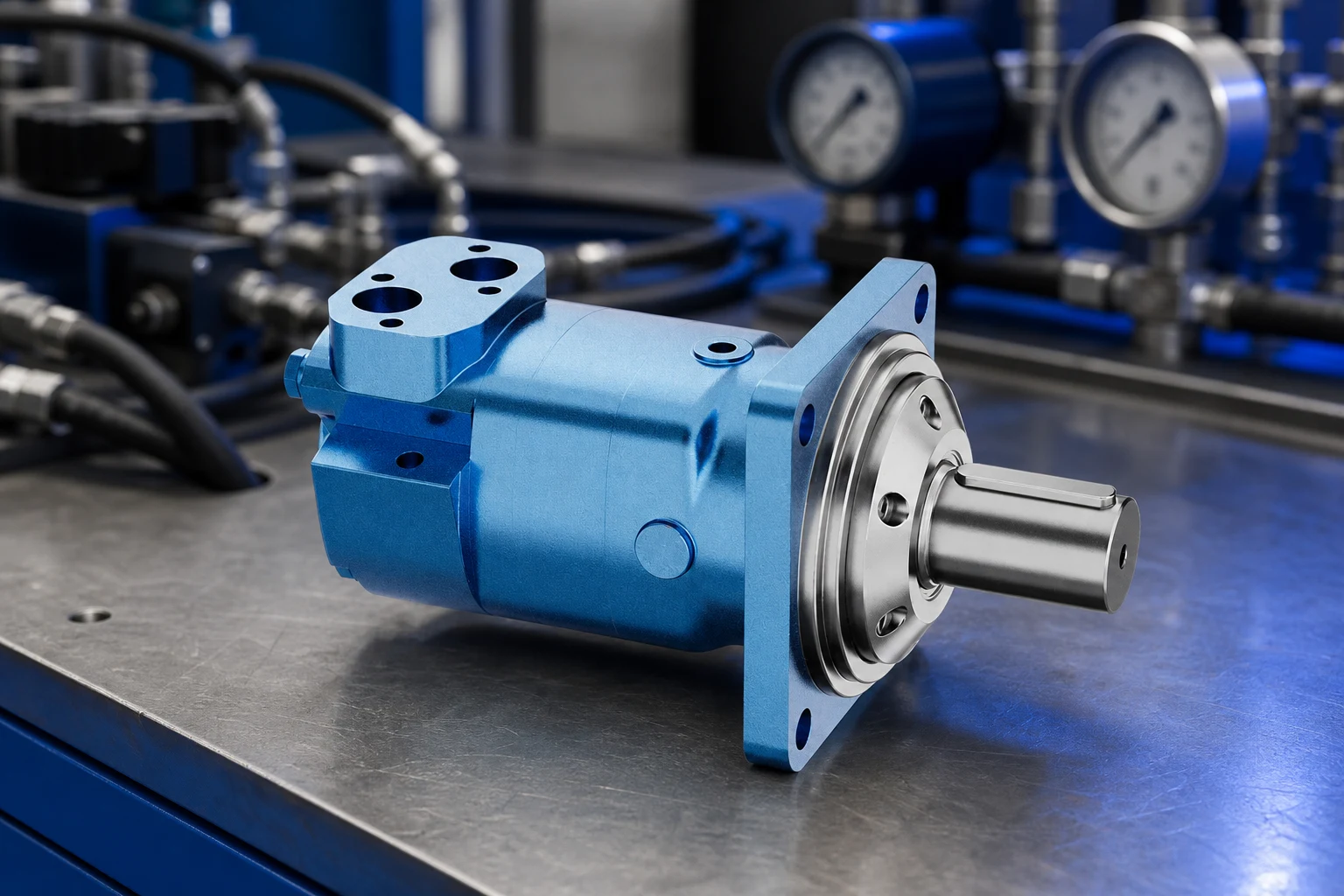
Provide shaft, flange, ports, rotation, drain connection, envelope space and control interfaces. Existing-unit photos may clarify interfaces, but they do not prove that a replacement will meet the new duty.
How should a buyer request a motor quotation?
Include the required torque and speed, pressure and flow limits, fluid, temperature, load cycle, mounting, shaft, ports, brake or control requirements and applicable documentation request.
Use the following related guidance during the review:
For a product-family review, start with the hydraulic pumps range and then submit the full application through the contact page. A model recommendation requires the applicable datasheet and complete operating inputs.
FAQs
What is the main difference between a piston motor and an orbit motor?
They use different internal operating arrangements and must be reviewed against the system duty and installation interfaces.
Can an orbit motor replace a piston motor directly?
Do not assume direct replacement. Confirm duty, interfaces and the selected model documentation first.
What data is needed to compare motor families?
Provide torque, speed, pressure, flow, load cycle, fluid, temperature and mounting information.
Does displacement determine motor speed?
It is part of the theoretical relationship with flow; actual results depend on the model and operating conditions.
Why should peak conditions be listed separately?
Starting and transient loads may differ from continuous duty and need a separate review.
What should be included in a motor RFQ?
Include technical duty, interfaces and documentation requirements so the selected model can be checked.
References
- Parker basic hydraulic formulas — flow, pressure, speed and power relationships.
- Danfoss Series 40 technical information — displacement, speed and specified operating conditions.