Wenzhou Prance Hydraulic Equipment Co., Ltd

What can buyers compare when evaluating hydraulic pump efficiency?
Hydraulic pump efficiency is comparable only when the duty point is comparable. Ask for the efficiency definition, pressure, flow or displacement, shaft speed, fluid, temperature and test basis together. A standalone percentage cannot show how a specific pump will perform in a different circuit.
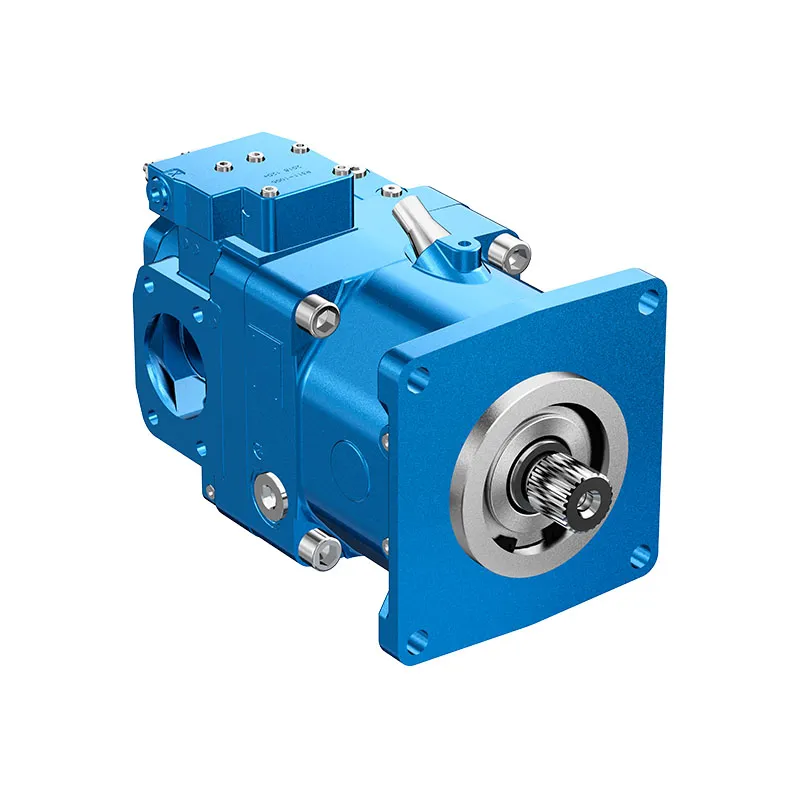
Part 1. What does hydraulic pump efficiency mean?
Efficiency describes how much of the input supplied to a pump becomes useful hydraulic output under stated conditions. In a hydraulic circuit, flow and pressure establish hydraulic power, while the drive supplies shaft power. The difference between those values is associated with losses that must be understood at the actual operating point.
For a buyer, the practical question is not whether a product page contains the word efficient. The useful question is whether two quoted figures describe the same kind of efficiency at the same pressure, speed, fluid and temperature. Parker training material distinguishes theoretical pump behavior from the losses that change delivered output.
Part 2. Which efficiency terms should a buyer separate?
Volumetric efficiency concerns the difference between theoretical displacement flow and delivered flow. Internal leakage and the duty conditions affect that difference. Mechanical or hydromechanical losses concern the shaft-power side of the comparison, including friction and related losses.
Overall efficiency is useful only when its definition and the test conditions are supplied with it. Do not add a volumetric figure from one condition to a mechanical figure from another and call the result an overall comparison. Ask the supplier to identify the term, the method and the stated conditions.
Part 3. Why does the duty point change a comparison?
Pressure differential, speed, fluid viscosity, temperature and the selected configuration can all change losses. A figure recorded at one point on a curve does not automatically describe another point. That is why a procurement comparison should begin with the system duty instead of a catalog headline.
Pump condition also matters. A new product, a product operating at a different temperature, and a product with different clearances may not show the same delivered flow or input requirement. Use authority-supported engineering principles for the initial comparison, then use the selected model documentation for the final check.
Part 4. How should buyers compare two efficiency figures?
Make the comparison table describe the same duty point. Record required flow, continuous pressure, peak pressure, shaft speed, fluid grade, temperature, test method and the exact model or control configuration. If one source does not provide the conditions, mark the comparison as incomplete rather than assuming the missing values are equivalent.
Parker basic formulas are useful for checking the relationship between flow, pressure and hydraulic power. They do not replace a model-specific efficiency curve. The result of a first-pass calculation is a documented requirement for the supplier review, not a warranty of performance.
Part 5. Which losses matter beyond the headline number?
Inlet conditions can influence how well a pump fills, while pressure and internal leakage influence delivered flow. Drive alignment, fluid cleanliness and temperature can also affect system behavior. These checks belong beside an efficiency comparison because a pump must first operate within its documented conditions.
Read the hydraulic pump flow calculation guide with the hydraulic pump inlet conditions checklist. The fixed versus variable displacement pump guide helps distinguish a control choice from an efficiency claim.
Part 6. What should an efficiency-focused RFQ include?
Provide the duty point and request the supporting model documentation:
- required continuous flow and any control range;
- continuous and peak pressure;
- pump shaft speed and drive arrangement;
- fluid type, viscosity range, temperature and cleanliness target;
- inlet arrangement, mounting, shaft and port requirements; and
- the requested efficiency definition, curve or test basis at the intended duty.
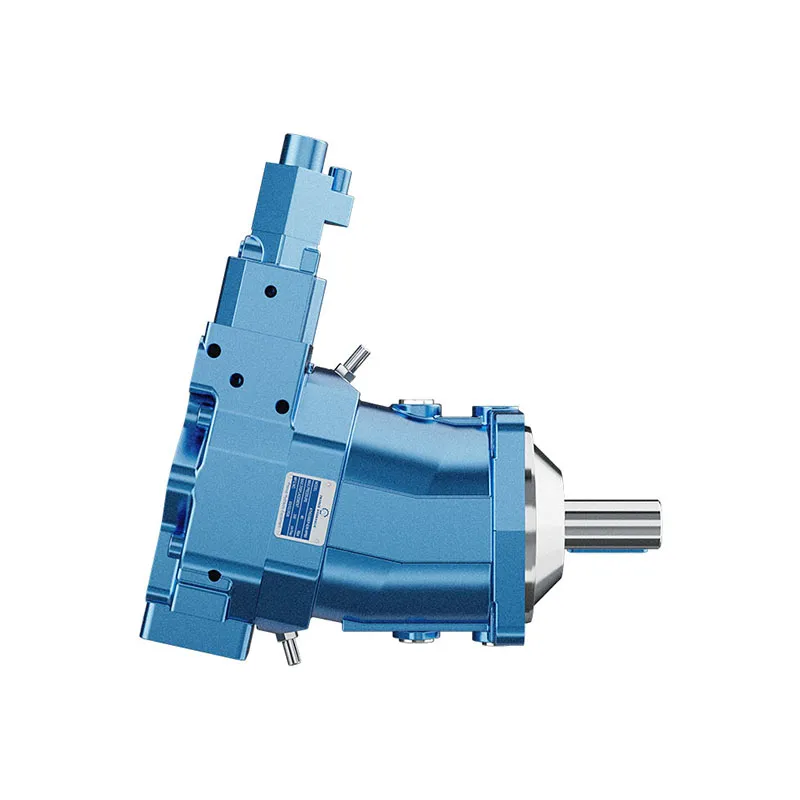
For a defined pump-family review, start from the hydraulic pumps range or a variable axial piston pump. A model recommendation still requires the model datasheet and the full RFQ inputs. Use the contact page to submit the information.
FAQs
What is hydraulic pump efficiency?
It describes the relationship between shaft input and useful hydraulic output under stated conditions. The definition and duty point must be shown before buyers compare values.
Is volumetric efficiency the same as overall efficiency?
No. Volumetric efficiency focuses on delivered flow versus theoretical flow. Overall efficiency also depends on the shaft-power side of the system.
Does pressure affect a pump efficiency comparison?
Yes. Pressure differential can change losses, so pressure must be part of the stated duty point.
Can two catalog efficiency figures be compared directly?
Only when they use the same efficiency definition and comparable operating conditions. Otherwise the comparison is incomplete.
Does a higher percentage guarantee a better pump for my system?
No. The pump must also match the required flow, pressure, speed, fluid, inlet, mounting and control requirements.
What should I request from a supplier?
Request the efficiency definition, the stated duty point, the model configuration and supporting datasheet or curve information.
References
- Parker basic hydraulic formulas — flow, pressure and power relationships.
- Danfoss Series 40 technical information — theoretical flow and operating-condition context.