Wenzhou Prance Hydraulic Equipment Co., Ltd

How do you match a hydraulic pump to an engine or PTO drive?
Match a hydraulic pump to the pump shaft, not to an engine label. Start with the actual engine speed range, PTO or gearbox ratio, target flow, pressure, available drive power and the mounting interface. Then verify the selected pump’s documented limits before finalizing a model.
Part 1. Which speed belongs in the pump calculation?
Use the pump shaft speed in the flow calculation. Engine rpm may equal pump rpm in a direct drive, but it is not automatically the same value when the drive uses a PTO, gearbox, belt, chain or other ratio. Parker pump fundamentals and Danfoss technical information both describe theoretical pump flow as a function of displacement and shaft speed.
Begin with the engine operating range rather than a single advertised speed. A machine may run at several engine speeds through its work cycle, so the pump shaft can also see several speeds. The selected pump must be checked against its model-specific allowable range.
Part 2. How do PTO and gearbox ratios change pump speed?
A ratio changes pump speed. For example, an engine running at 1800 rpm through a 1:1 PTO produces a nominal pump speed of 1800 rpm. A speed-increasing ratio or speed-reducing ratio must be applied before calculating theoretical flow.
Rotation direction matters as well. Confirm the drive arrangement, coupling direction and the pump’s required rotation before ordering. Do not infer those details from a pump-family name or from an engine model alone.
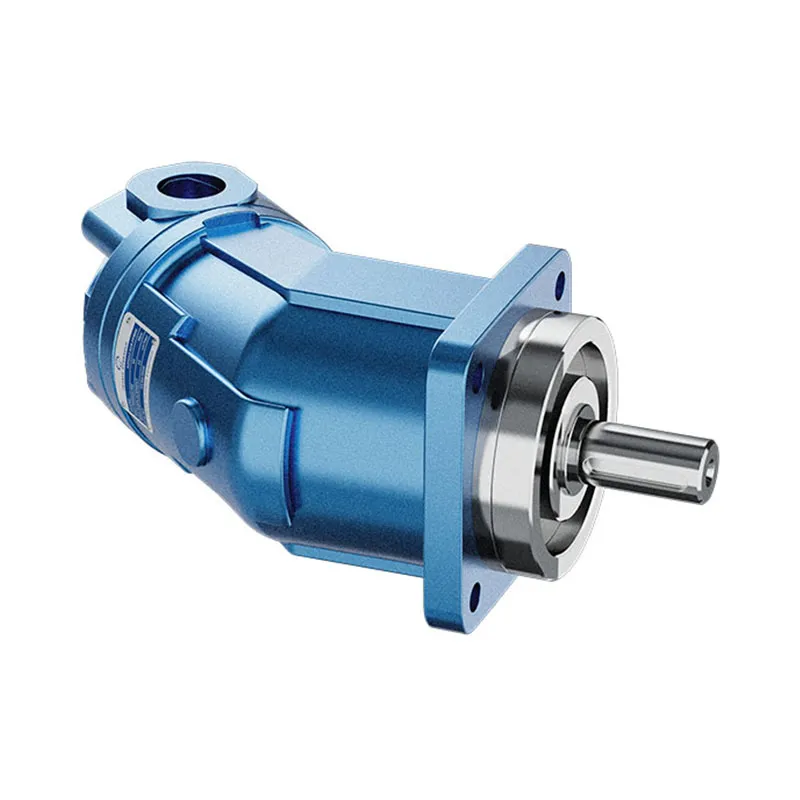
Part 3. How does pump speed set theoretical flow?
For a positive-displacement pump, theoretical flow in litres per minute is calculated as Q = (Vg × n) / 1000, with displacement Vg in cm³/rev and pump speed n in rpm. If a gearbox changes the pump shaft speed, it changes the theoretical flow in the same proportion.
Delivered flow is not guaranteed by the theoretical calculation. Volumetric losses, fluid condition and the model’s documented operating limits still need review. Use the hydraulic pump flow calculation guide to document the calculation, then verify the selected model at the actual duty.
Part 4. How should power and torque be checked?
Hydraulic power rises with both flow and pressure. A first-pass power calculation identifies the drive-side requirement, but it does not prove that an engine or PTO has adequate reserve under the full machine duty. Account for pump losses, the driven equipment, transient load, ambient conditions and the engine’s actual operating curve in the engineering review.
Torque is also linked to pressure and displacement. The coupling, shaft, PTO and gearbox must be appropriate for the expected torque and loading arrangement. The drive system should be evaluated as a whole instead of selecting each component from an isolated headline value.
Part 5. Which installation details can invalidate a match?
Mounting flange, shaft style, coupling, port orientation, rotation, inlet line and case-drain routing can all affect whether a pump is suitable for the installed machine. Inlet conditions must support the requested speed and flow, while the mounting arrangement must remain within the selected model documentation.
Review the hydraulic pump inlet conditions checklist and hydraulic pump case drain checks before finalizing the installation. These are system checks, not proof that any individual pump model matches the drive.
Part 6. What should an engine or PTO pump RFQ include?
Provide the complete drive and hydraulic duty:
- engine operating-speed range and available PTO or gearbox ratio;
- target pump shaft speed and required flow;
- continuous and peak pressure;
- drive power and torque information, including duty cycle;
- mounting flange, shaft, coupling, rotation and port orientation;
- fluid, temperature, cleanliness, inlet and case-drain arrangement; and
- application, quantity and required drawings or documentation.
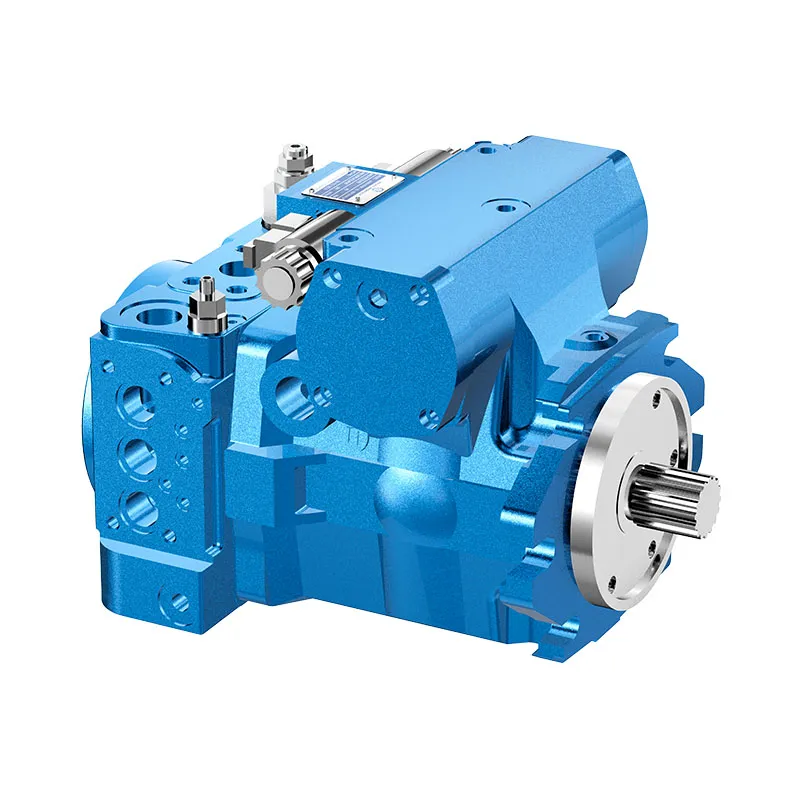
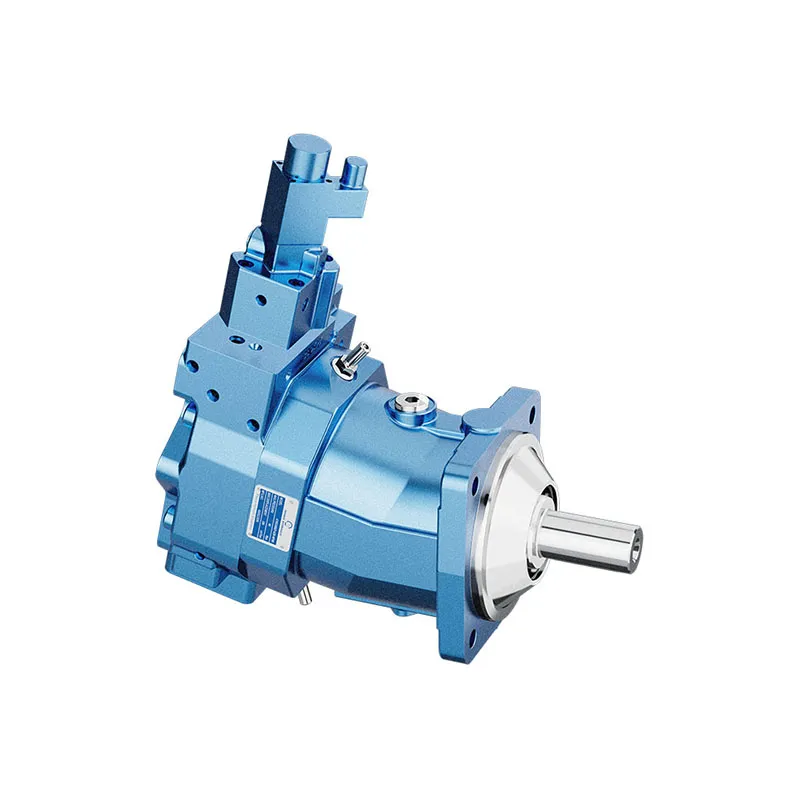
Once the inputs are defined, use the hydraulic pumps range or a variable axial piston pump as the product-family review route. A named-model recommendation requires the appropriate datasheet and the full drive-side information. Submit the RFQ through the contact page.
FAQs
Can I use engine rpm as hydraulic pump rpm?
Only for a direct drive with no speed-changing device. A PTO, gearbox, belt or other ratio can change the pump shaft speed.
How does a PTO ratio affect pump flow?
It changes the pump shaft speed used in the theoretical-flow formula. A higher pump speed produces higher theoretical flow for the same displacement.
How do I calculate hydraulic pump flow from speed?
Multiply displacement in cm³/rev by pump shaft speed in rpm and divide by 1000 to obtain theoretical L/min.
How do I estimate the power needed for a hydraulic pump?
Start with the required flow and pressure, then include losses and the actual duty cycle. Final engine sizing requires the complete drive and hydraulic system review.
Does a coupling matter when matching a pump to an engine?
Yes. Shaft, flange, coupling, torque, alignment and rotation must all match the documented installation requirements.
What should I send for a pump-drive quotation?
Send engine speed range, drive ratio, target flow, pressure, mounting and shaft details, fluid conditions, inlet arrangement and application duty.
References
- Parker basic hydraulic formulas — displacement, speed, flow, pressure and power relationships.
- Danfoss Series 40 technical information — theoretical flow and speed relationship.