Wenzhou Prance Hydraulic Equipment Co., Ltd

What should be verified when selecting a hydraulic pump for injection molding?
Hydraulic pump selection for injection molding machines is a stage-by-stage verification task. Document injection, hold and auxiliary demands with drive and fluid data before treating any open-loop pump family as selected.
Part 1. Which molding-machine stages drive the pump review?
Injection, packing/hold, clamp and auxiliary motions can demand different flow and pressure combinations. Capture the stage that sets peak flow and the stage that sets peak pressure.
Part 2. What drive and speed data must be confirmed?
Motor or engine speed, rotation, coupling and available power determine whether a displacement choice can deliver the theoretical flow. Note whether speed is fixed or variable.
Part 3. How should stage demands be tabulated for quotation?
| Stage | Flow need | Pressure need | Send with quote |
|---|---|---|---|
| Injection | Peak / continuous | Peak / continuous | Yes |
| Hold / pack | Flow if any | Hold pressure | Yes |
| Clamp / auxiliaries | Concurrent or separate | Required pressure | Yes |
| Idle / cooling | Background flow | System pressure | Yes |
State whether stages share one pump, a dual pump or a variable-displacement control strategy.

Part 4. Which fluid and contamination inputs are non-negotiable?
Fluid type, viscosity range, temperature and cleanliness expectations affect both pump life and control stability on molding machines. Include reservoir and filtration notes when known.
Part 5. When does variable displacement belong in the shortlist?
When the machine needs different flow at different stages without dumping excess flow continuously across a relief. Confirm control type, compensator settings and response expectations from the datasheet—not from a marketing label.
Part 6. What verification package belongs with the pump inquiry?
Provide stage table, drive speed, fluid data, mounting, control type and any existing pump nameplate data for retrofit projects.
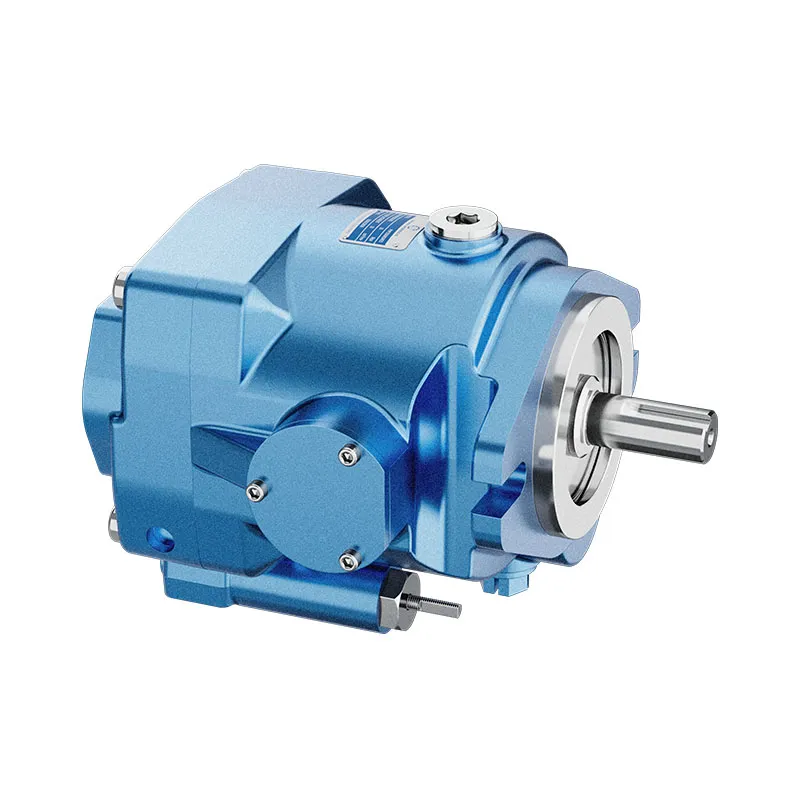
- Product-family route: open-loop variable displacement piston pump review after stage inputs are complete
- Send with quote: stage flow/pressure table and drive data
- Fit boundary: energy or cycle claims require documented evidence
Important: Do not promise cycle-time or energy improvement from a pump family label; verify stage duties against the model datasheet. — Parker basic hydraulic formulas
Use the following related guidance during the review:
For a product-family review, start with the hydraulic pumps range, review the open-loop variable displacement piston pump PAVC route when relevant, then submit the full application through the contact page. A model recommendation requires the applicable datasheet and complete operating inputs.
FAQs
What makes injection-molding pump selection different?
Multiple pressure and flow stages share one machine cycle, so a single average duty point is usually incomplete.
Is peak injection flow enough for sizing?
No. Hold, clamp and auxiliary demands can change the required control strategy.
Why include drive speed in the RFQ?
Pump flow depends on displacement and speed under the stated conditions.
When should variable displacement be reviewed?
When stage demands vary and continuous relief dumping is undesirable; confirm with model data.
Can an existing nameplate replace the stage table?
It helps for retrofit identity, but stage duties still need to be stated.
What should a buyer provide?
Stage flow/pressure needs, drive data, fluid conditions, mounting and control requirements.
References
- Parker basic hydraulic formulas — flow, pressure and speed relationships used in molding-machine pump review.
- Danfoss Series 40 technical information — displacement, speed and condition notes for open-loop pump comparison.