Wenzhou Prance Hydraulic Equipment Co., Ltd

What information should a hydraulic pump RFQ include?
Hydraulic Pump RFQ Checklist begins with defined system inputs and documented model limits. Use the checklist below to collect the operating, fluid and installation data before treating a pump issue or quotation as a model-selection decision.

Contents
- Why does a hydraulic pump RFQ need operating data?
- Which flow and pressure values should be included?
- How should the drive be described?
- Which fluid and inlet details matter?
- What mounting and control information is needed?
- What documents should be requested with a quote?
Why does a hydraulic pump RFQ need operating data?
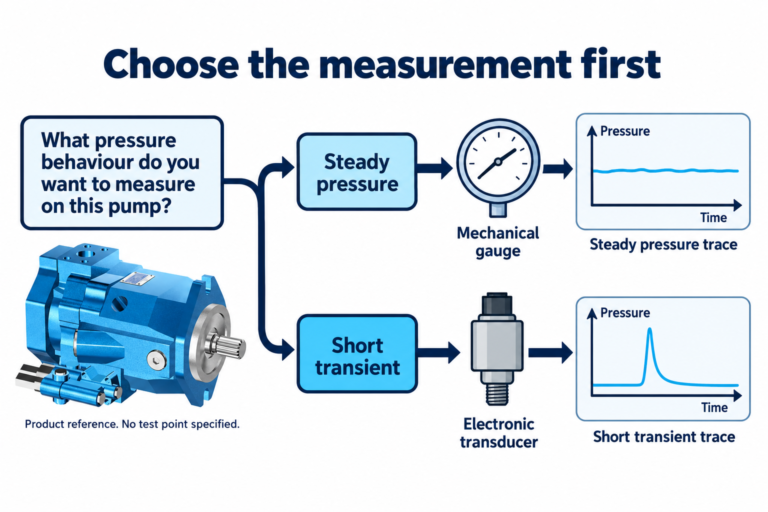
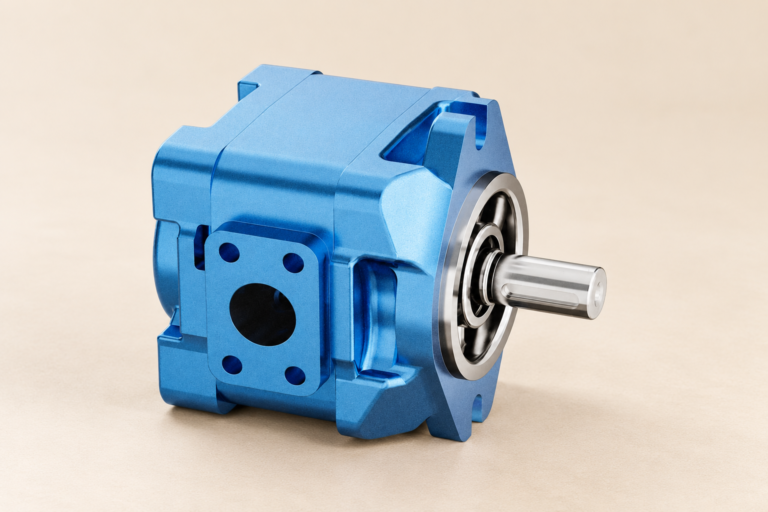
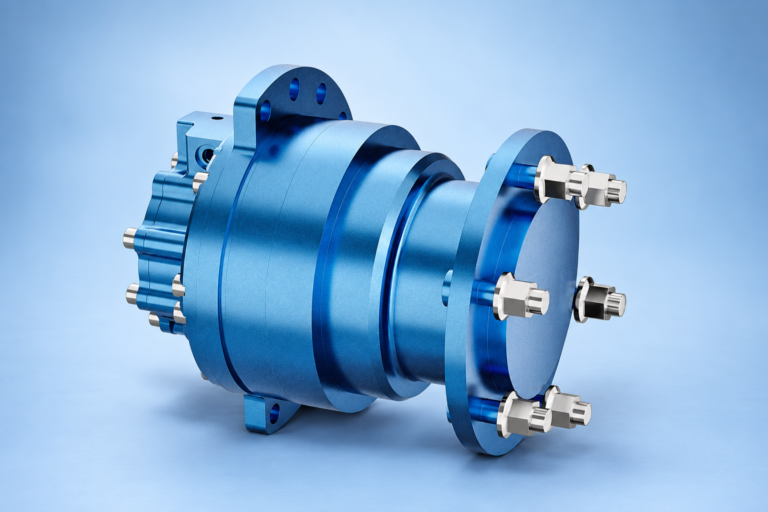
A model name or a pump photo can begin a conversation, but it cannot confirm the duty. Flow, pressure, speed, circuit arrangement, fluid and installation inputs define the conditions that a quotation must address.
Which flow and pressure values should be included?
State required continuous flow, peak flow if applicable, continuous pressure and peak pressure. Identify whether the value is a system requirement, a measured value or a target so the review does not treat different inputs as equivalent.
How should the drive be described?
Provide the pump shaft speed or the engine/PTO speed and all ratios between the drive and pump. Include the available power, direction of rotation, shaft, flange and coupling information where known.
Which fluid and inlet details matter?
State the fluid type, expected viscosity and temperature range, cleanliness target, reservoir arrangement, inlet line and any case-drain requirements. These inputs are part of the pump duty, not optional paperwork.
What mounting and control information is needed?
Include mounting flange, shaft type, ports, rotation, control type, electrical or pilot interfaces and available installation space. Photos and drawings can clarify an existing unit but do not replace the duty data.
What documents should be requested with a quote?
Request the applicable datasheet, outline drawing, port and mounting information, model identification and any documentation required for the project. Confirm any certification, test, delivery or compatibility requirement separately with evidence.
Use the following related guidance during the review:
For a product-family review, start with the hydraulic pumps range and then submit the full application through the contact page. A model recommendation requires the applicable datasheet and complete operating inputs.
FAQs
What is the minimum data for a hydraulic pump RFQ?
At minimum, provide flow, pressure, speed, fluid, inlet, mounting and application details. More complete data leads to a more useful review.
Is an existing model number enough for a replacement quote?
No. The existing model helps identify the starting point, but configuration, interfaces and duty conditions still require confirmation.
Should I include continuous and peak pressure?
Yes. These are different operating requirements and should be stated separately.
Why does drive speed belong in the RFQ?
Pump speed affects theoretical flow and may be changed by a PTO or gearbox ratio.
Do photos help with an RFQ?
Photos can help identify mounting, ports and the existing unit, but they do not replace technical duty inputs.
Can a supplier confirm compatibility from an RFQ alone?
Only after the required model documentation and application inputs support the conclusion. Do not assume compatibility from a name or appearance.
References
- Parker basic hydraulic formulas — flow, pressure, speed and power relationships.
- Danfoss Series 40 technical information — displacement, speed and specified operating conditions.