Wenzhou Prance Hydraulic Equipment Co., Ltd

What should an OEM confirm before reviewing hoses and fittings?
Hydraulic hose and fitting selection starts with a controlled record of the hose, end connections, machine route, movement, fluid and duty context, and applicable documents. A photo, an end that looks familiar, or an isolated hose description cannot establish an interchangeable or approved assembly.
Part 1. What should a hose-and-fitting review establish?
The review begins by naming the machine function and the precise question. Say whether the request concerns a new OEM build, a documented replacement, or a changed installation, then keep that statement with the available hose and end-connection evidence.
Route context belongs beside the component record. A line that moves with an actuator, passes a bracket, or sits near another component needs that observed context recorded before someone compares a hose assembly.
Applicable technical documentation sets the limit for a component conclusion. It is more useful to state what can be shown and what remains unknown than to turn an image into an installation decision.
Part 2. Which machine details give the request context?
For a mobile-equipment inquiry, collect the details that explain where the line sits and what surrounds it. This table is an RFQ evidence list, not an assembly or routing procedure.
| Buyer should provide | Why it matters | Send with quote |
|---|---|---|
| Hose record and readable markings | Links the request to a traceable item | State what is readable and what is missing |
| End-connection photos and available dimensions | Preserves interface evidence | Identify the viewing angle and drawing revision |
| Route, movement, and nearby contact points | Places the line in its machine context | Mark observed movement or contact conditions |
| Fluid, duty, and operating observations | Gives the inquiry an operating boundary | Separate measured facts from assumptions |
| Machine or assembly drawing and change note | Shows whether the request is new, replacement, or revised | Include the applicable document revision |
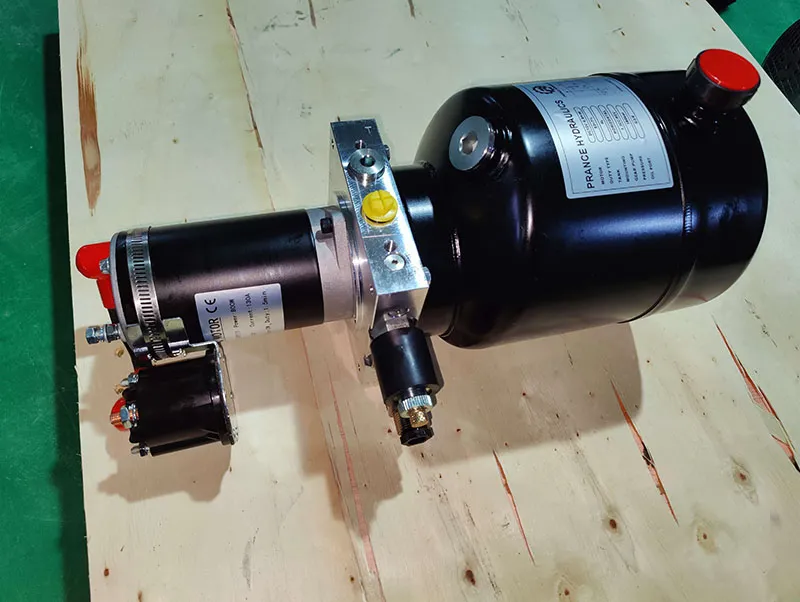
The hydraulic system specification checklist offers a related way to organize a system record. It does not define a hose specification or approve a connection.
Part 3. Why must hose and fitting records stay together?
One end connection is only one part of the evidence. The hose identification, both ends, the route, and the machine record should travel together so a reviewer can see whether the request describes one known assembly or several unverified observations.
At the equipment level, the surrounding hydraulic arrangement can change the meaning of a replacement question. The hydraulic pump inlet conditions article is relevant for documenting system context, but it does not select a hose or fitting.
Keep photographs tied to the location and date of the observation. A close-up can be useful evidence, while a detached image cannot prove where the item was installed or whether the visible feature is the whole interface.
Important: Do not treat a similar-looking fitting or a partial hose marking as proof of interchangeability. Technical conclusions remain tied to applicable documentation and stated conditions (Danfoss technical documentation).
Part 4. Why does a familiar end connection not settle the choice?
Appearance can help identify what still needs checking, but it cannot complete the review. A familiar end may sit in a different route, pair with a different hose record, or be part of a machine change that is absent from the photo.
Interface evidence should therefore be handled as a package rather than a single visual cue. The hydraulic engineering review article can help frame unresolved project questions without converting them into a fit conclusion.
The useful action is to retain the original record and point out any conflict between it and the current machine. That makes the uncertainty reviewable instead of hiding it behind an assumed match.
Part 5. When should an OEM pause a hose request?
Pause when the line cannot be tied to a machine location, the hose record is incomplete, the end connections are only guessed from appearance, the route or movement changed, or an interface document is missing. The same pause is appropriate when someone asks for an installation conclusion from a photo alone.
Recovering a drawing, recording an observed contact point, or separating known information from unknown information gives a supplier a clearer starting point. It does not delay a sound review; it prevents an unsupported one.
This is the fit boundary: the page organizes a hose-and-fitting review record. It does not identify an unknown thread, prescribe an assembly, authorize installation, approve a route, or predict equipment performance.
Part 6. How should hose-and-fitting evidence be sent for review?
Send the existing hose record, readable markings, end-connection views and available dimensions, machine route and movement context, observed contact conditions, fluid and duty record, drawing revision, quantity, application, delivery requirements, and the exact question that needs confirmation.
For family-level navigation, begin with the hydraulic product family and the OEM / ODM route. Use the contact page to submit controlled evidence rather than requesting a hose or fitting match from an isolated picture.
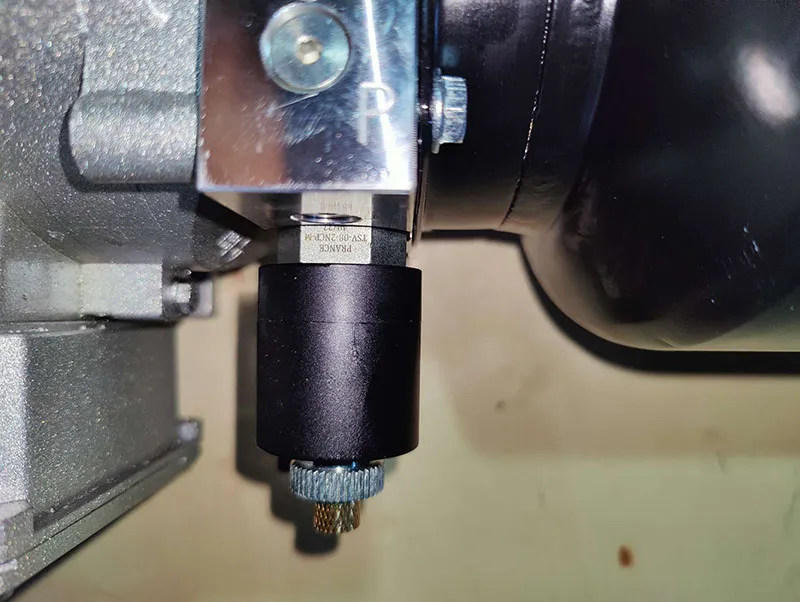
The product recommendation remains at family level. A named assembly should not be proposed until the selected-item documents and machine context have been reviewed.
FAQs
How do I choose a hydraulic hose and fitting?
Begin with the hose record, both end connections, route, movement, fluid and duty context, machine documents, and the unresolved question. Those inputs support a review; they are not a universal selection formula.
Can an end connection identify the full hose assembly?
No. It is only one item of evidence and does not establish the hose record, route, movement, installation context, or selected-item documentation.
Does hose routing belong in the request?
Yes. Describe the observed route, movement, nearby components, and any contact concerns so the inquiry has machine context.
Can a hose be replaced from a photo?
A photo can support identification when it is tied to a location and record, but it cannot by itself prove an interchangeable or approved replacement assembly.
What should an OEM check before changing a hose assembly?
Confirm the available record, interface evidence, route and movement context, applicable documents, and what changed on the machine before asking for a fit conclusion.
What belongs in a hydraulic hose and fitting RFQ?
Include the hose record, readable markings, end-connection views, available dimensions, route and movement context, fluid and duty evidence, drawing revision, quantity, application, delivery requirements, and the unresolved question.
References
- Danfoss technical documentation — applicable documentation and conditions bound technical conclusions.
- Danfoss cartridge valves technical information — interface and circuit context are part of component review.
- Danfoss Series 40 technical information — operating context belongs with technical documentation.
- Danfoss H1F motor technical information — the drive context belongs with the component record.