Wenzhou Prance Hydraulic Equipment Co., Ltd

When should a hydraulic component application move to engineering review?
A hydraulic component application should move to engineering review when the duty, interfaces, controls, operating conditions, or governing documents are incomplete or have changed. A matching port, mounting pattern, or familiar part number can be a useful clue, but it does not prove that the item is suitable for the actual circuit.
Part 1. What does an engineering review decide?
An engineering review turns an assumption into a documented question. The buyer supplies the actual application record, and the reviewer can compare that record with the applicable component information. This is particularly valuable before an order is placed for a changed machine function, a replacement with uncertain history, or a circuit whose documentation is incomplete.
The decision is not simply whether a product looks similar. It concerns whether the evidence identifies the intended function, the operating context, the controlling interfaces, and the information that still needs confirmation. A clear review request also prevents purchasing from treating an open technical question as a commercial detail.
Use this process early when a change affects the machine’s use. Waiting until a component is installed can make it harder to separate an interface issue, control issue, fluid issue, or mismatch between the requested and actual duty.
Part 2. Which application changes should trigger a review?
Escalate when the machine function changes, the load or motion profile differs from the documented case, the control strategy changes, or the operating environment is no longer known. A different fluid, altered temperature exposure, revised drive arrangement, new electrical command, or changed port and mounting record can each create a question that cannot be answered by visual similarity.
The same applies to incomplete replacement records. If a team has only a part number, a photo, or a port size, it has not yet established the circuit conditions that make a replacement decision reviewable. Treat unknown values as unknown rather than filling the gap with a presumed pressure, flow, or compatibility conclusion.
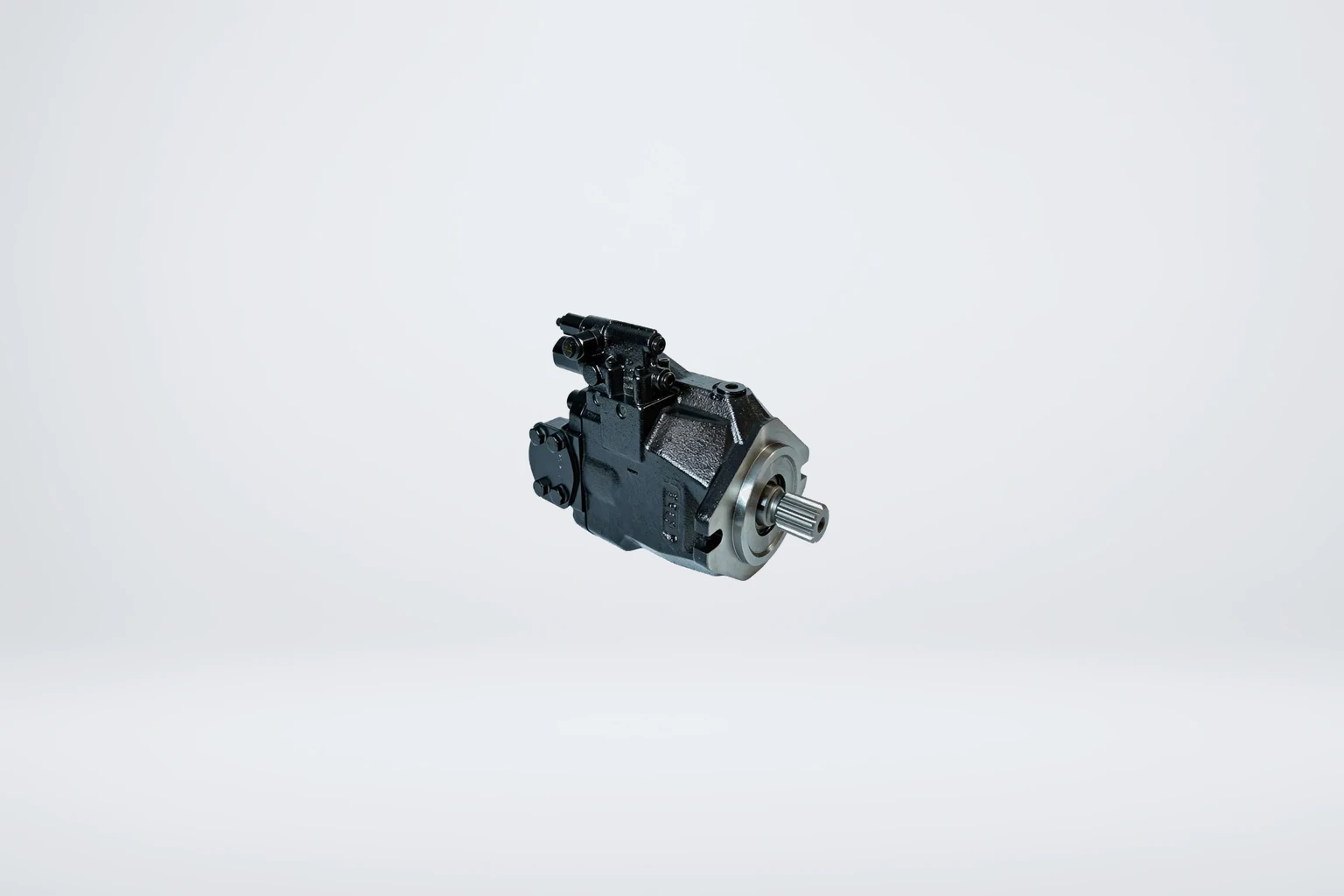
For a structured record, begin with the hydraulic system specification checklist. It helps distinguish a project requirement from an observation made on an existing machine.
Part 3. What evidence makes a review useful?
Send evidence that ties each question to a known condition. A circuit schematic with its revision, the changed function, relevant component documents, measured observations, and photos of the actual interfaces can keep the discussion focused. Add the fluid and environment context where those conditions matter to the component question.
| Buyer should provide | Why it matters | Send with quote |
|---|---|---|
| Required machine function and changed duty | Defines the application question | Identify normal and changed operating states |
| Circuit schematic and document revision | Locates pump, motor, valve, and control relationships | Mark the function under review |
| Pressure, flow, temperature, noise, or leakage observations | Connects symptoms to an operating condition | State unit, location, and machine state |
| Fluid, environment, and interface record | Identifies conditions that need verification | Flag unknown fields clearly |
| Existing product documents and photos | Establishes an evidence baseline | Separate confirmed data from assumptions |
The record does not need to contain guessed technical limits. It needs to make clear what is known, where it came from, and what needs a decision. When the record follows a component change, the hydraulic system commissioning checklist is a useful related route for organizing observations.
Important: Do not let matching interfaces become a proxy for application approval. The relevant model documentation and the actual circuit conditions must be assessed together; a product family name cannot supply missing duty information. See the Danfoss Series 40 technical record.
Part 4. Which details cannot be inferred from a part number?
A part number may identify a starting point, but it does not describe every condition in which an item will be used. It does not establish the selected fluid, system cleanliness, temperature environment, drive condition, control signal, electrical arrangement, load behavior, or installation configuration. Those fields belong in the review record when they are relevant to the application.
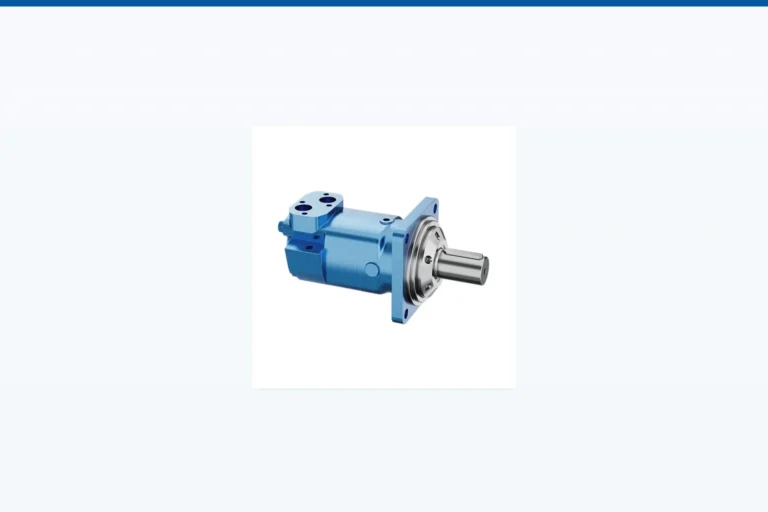
Control details need particular care. A valve’s role in a circuit depends on the circuit and command context, while a pump or motor conclusion depends on its documented conditions and the work it must perform. The hydraulic valves range and hydraulic motors range are product-family routes, not compatibility statements.
Use drawings and labeled photos where possible. They are more reviewable than an unqualified statement that ports or connectors “match.” If a drawing revision conflicts with a nameplate or a current observation, record the conflict rather than selecting one source without explanation.
Part 5. When should a buyer pause instead of guessing?
Pause the selection or startup path when the evidence is contradictory, the required function is not defined, an interface is unclear, a changed condition is undocumented, or abnormal observations have not been tied to the test condition. Unexpected noise, heat, leakage, or movement are observations that should be recorded; they are not a license to diagnose a component from a distance.
The pause is also appropriate when a previous failure is driving the request. The repeated hydraulic component failure guide can help a buyer organize the evidence, but it does not turn a recurring symptom into a model-selection answer.
This article does not authorize operation, repair, or a safety procedure. Secure and evaluate equipment under the responsible site’s approved process before any test or change.
Part 6. How should an OEM request a focused review?
Submit a short application summary together with the evidence package: required function, duty changes, circuit and drawing revisions, observation conditions, fluid and environment notes, interfaces, current component documents, and unresolved questions. This gives the receiving reviewer a basis for identifying missing inputs without promising a result before the evidence is assessed.
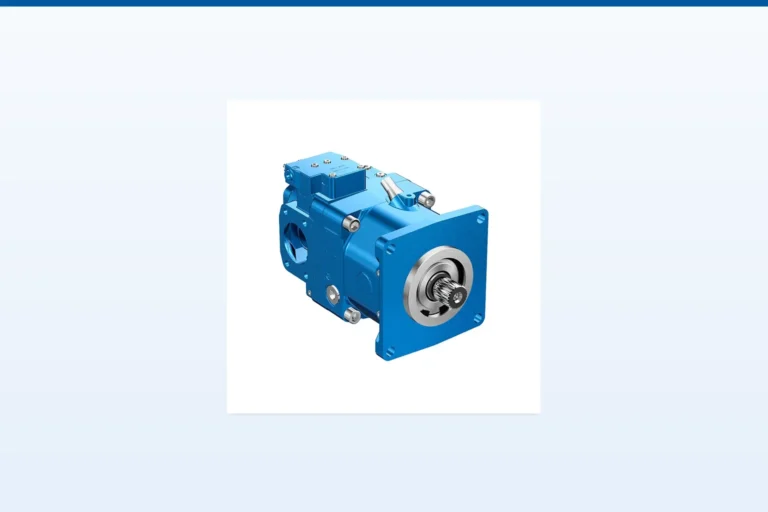
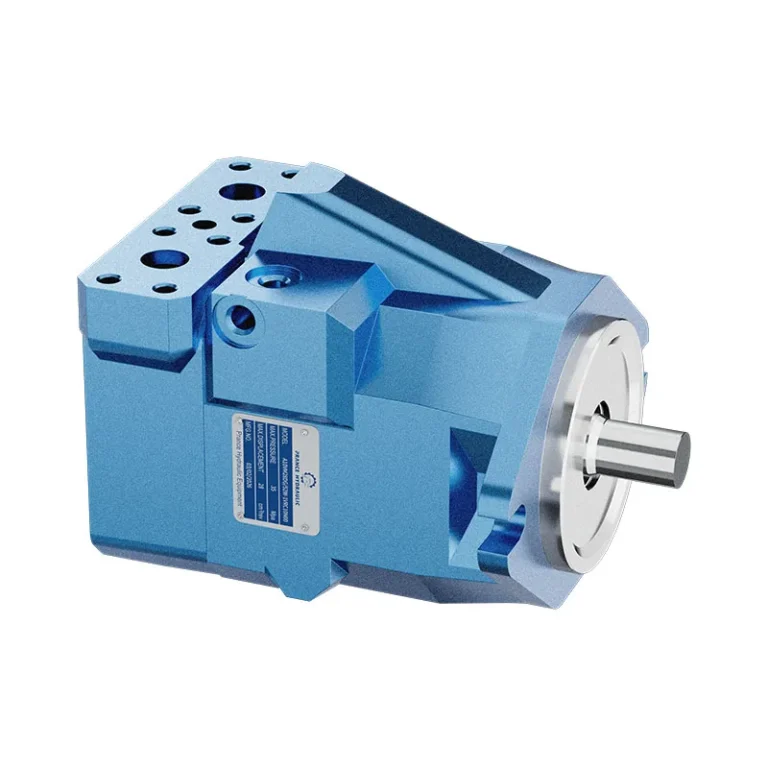
Start a family-level conversation through the OEM and ODM hydraulic component review, then link the request to the relevant hydraulic pump product family. Use the contact page to provide the controlled record rather than relying on a product image or a partial part number.
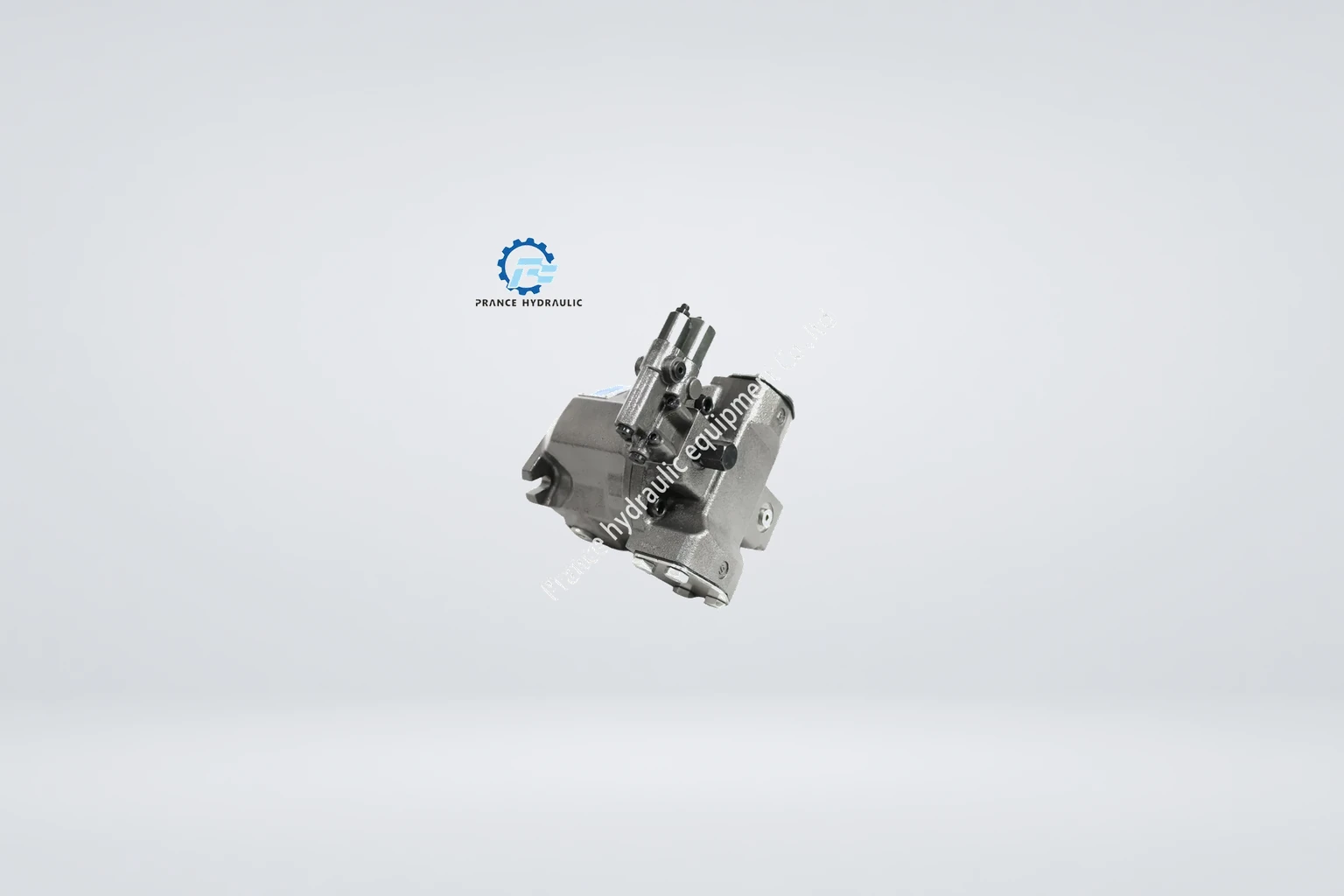
The fit boundary is intentional. This checklist helps identify when a review is needed and what to submit. It does not promise engineering approval, a specific packing or delivery arrangement, or the suitability of a named component.
FAQs
When should a hydraulic component application be reviewed by an engineer?
Request review when duty, circuit function, controls, interfaces, fluid or environmental conditions, or governing documents are unknown, conflicting, or changed.
Does matching a hydraulic port size prove a replacement will work?
No. A port is only one interface detail. The applicable documentation, duty record, control context, and other interfaces still require verification.
What information should be sent for hydraulic engineering review?
Send the application function, changed duty, circuit and drawing revisions, observations with conditions, fluid and environment notes, interfaces, component documents, and the questions that remain open.
Should a changed machine duty trigger a component review?
Yes. A changed load, motion, control strategy, environment, or drive condition can alter the application context and should be documented before selection.
Do noise or heat observations require engineering review?
Record the observation with its operating condition and pause the normal path when it is unexpected. The evidence may require technical review; the symptom alone does not prove a cause.
What belongs in an RFQ when an engineering review is needed?
Include the machine function, duty changes, schematics, document revisions, readings with units and locations, fluid/environment record, interfaces, existing documents, and unresolved questions.
References
- Danfoss Series 40 technical information — applicable documentation and installation-condition boundary.
- Danfoss H1F motor technical information — motor application context.
- Danfoss cartridge valves technical information — valve control and circuit context.
- Danfoss technical documentation — product conclusions are bounded by documented conditions.