Wenzhou Prance Hydraulic Equipment Co., Ltd

What should a pump priming record establish before first start?
A hydraulic pump priming procedure should begin with a controlled record, not a copied sequence. After installation or overhaul, the buyer needs to identify the exact pump, the governing documentation, the fluid context, and the observed condition before first start. That record keeps a supplier or engineering discussion tied to the installed unit instead of turning a generic online method into an unverified instruction.
Part 1. What does this priming record cover that a commissioning checklist does not?
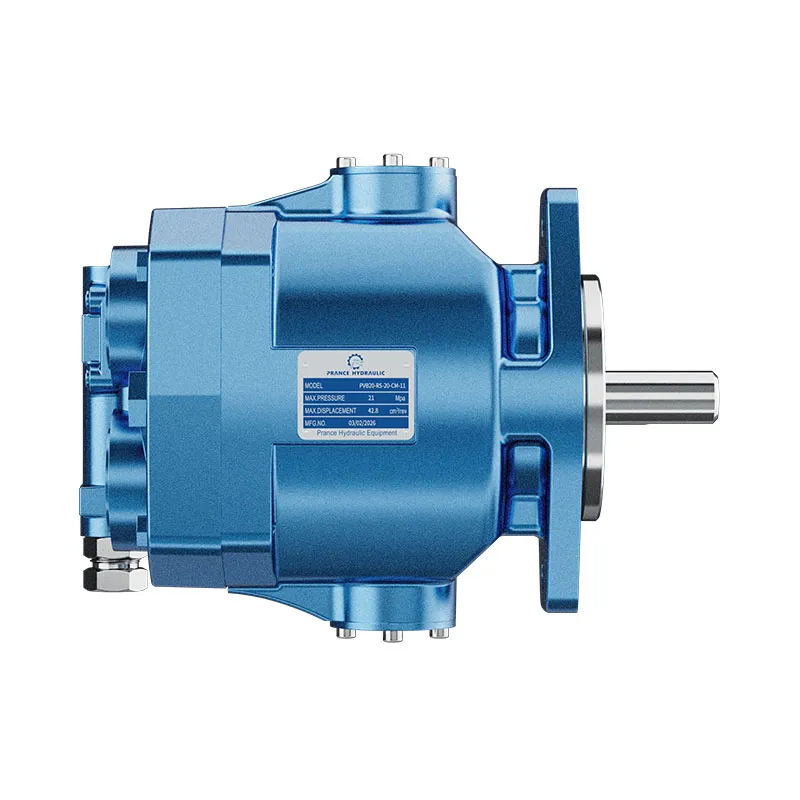
A commissioning checklist looks across a changed hydraulic system. A priming record narrows the question to the pump’s documented fill and first-start context after that pump has been installed or overhauled. The distinction matters because the pump family, fluid, inlet arrangement and installed documentation can change the evidence that must be reviewed.
The existing hydraulic system commissioning checklist remains useful for the wider startup record. This page does not replace it or provide a universal startup sequence. Instead, it makes the pump-specific evidence visible before anyone assumes that a previous machine, another pump family, or a forum suggestion is transferable.
| Record question | Evidence to keep | Why it changes the review |
|---|---|---|
| What was changed? | installation or overhaul scope and component identity | separates a pump question from a whole-system commissioning question |
| Which document governs? | current manufacturer document and revision | prevents use of an unrelated instruction |
| What is known before first start? | fluid, inlet and fill record | shows which facts are available and which remain open |
| What was observed? | controlled first-start notes | gives engineering a traceable basis for follow-up |
Part 2. Which pump and document details must be identified?
Before discussing priming, establish the pump’s exact identification from the installed item and its controlled documentation. “Similar pump” is not an adequate description for a first-start question. Danfoss pump technical information, for example, separates operating information by family and documents fluids, inlet pressure and case-pressure topics within that family; it should not be treated as an instruction for an unspecified pump.
Capture the nameplate or traceable model reference, the revision of the applicable document, the installation or overhaul scope, and the circuit role. If the unit has been exchanged, record whether the concern belongs to the replacement unit, a retained connection, or an unresolved system condition. A buyer who has those details can request a focused review rather than asking whether “all hydraulic pumps” need the same treatment.
Important: Pressure-system work needs controlled procedures and competent review; do not convert a generic web checklist into a first-start authorization. HSE HSG253
Part 3. Which fluid, inlet and fill evidence belongs in the record?
The record should describe evidence, not instruct an operator to fill, bleed, turn or run a machine. Danfoss documentation identifies fluid, viscosity, temperature and inlet conditions as operating topics for its own pump family. For a buyer, that supports a simple rule: the applied fluid and inlet context belong beside the pump identity, while the installed unit’s documentation remains the source for any actual method.
| Buyer should provide | Review purpose | Common gap |
|---|---|---|
| Fluid identification and service history | connects the question to the documented fluid context | naming only the fluid type without the installed-unit record |
| Inlet-side description and available installation evidence | shows what must be checked against the applicable document | assuming a prior hose or reservoir arrangement is unchanged |
| Fill or service record | establishes what was actually recorded after the work | replacing it with a verbal recollection |
| Current model document | anchors the review to a controlled source | using a manual for a different family or revision |
This table is an RFQ aid, not a selection table. It does not define a fluid, inlet arrangement, fill amount, or procedure for any Prance Hydraulic product. For a matching discussion, the hydraulic pumps page is the appropriate family-level starting point once those records are collected.
Part 4. How should first-start observations be captured without creating a universal procedure?
If the approved site procedure calls for a first-start observation, record the condition and the document basis used for that observation. Avoid translating an observation into a universal instruction. A useful note identifies the unit, the procedure revision, the condition observed, who owns the next review, and whether the observation was compared with the applicable documentation.
That approach is more useful than a bare statement such as “the pump was primed.” It preserves the context needed when a later question concerns the pump, coupling, inlet connection or another changed component. The related pump shaft coupling alignment record can help keep a mechanical installation discussion distinct from the pump’s documented fluid and first-start context.
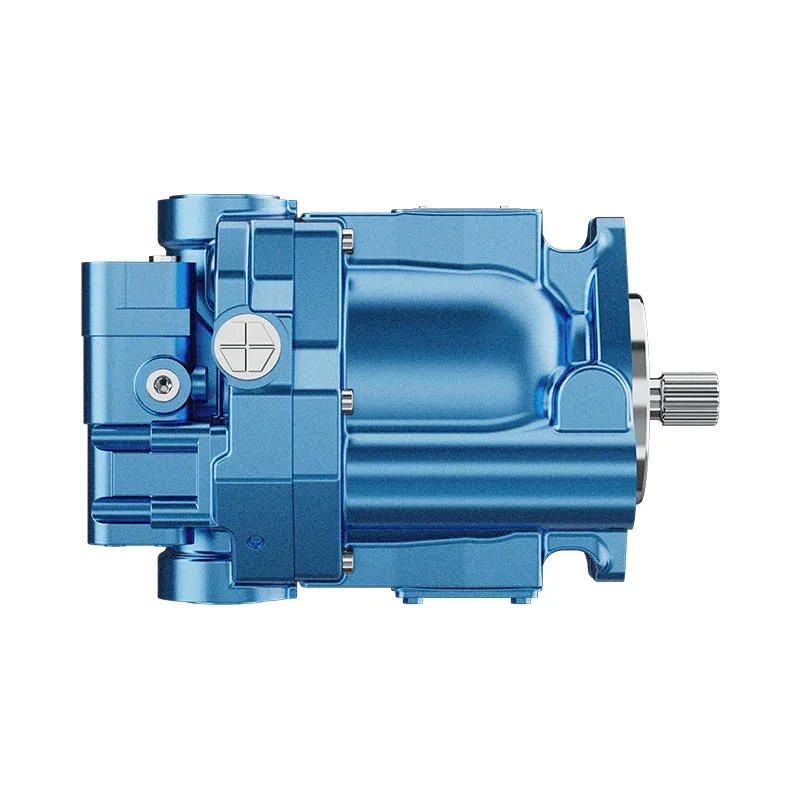
Part 5. When should the priming question move to engineering review?
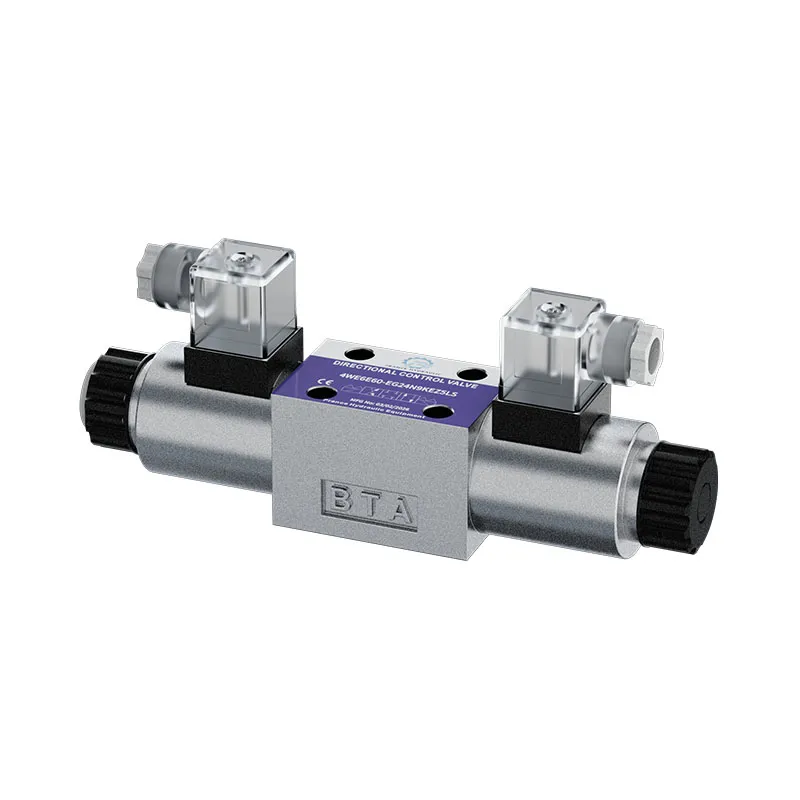
Move the question out of a generic checklist when model identity, documentation, fluid context, inlet evidence, or the approved first-start record is missing. The same applies when the observations cannot be interpreted against a controlled document. A hydraulic circuit can combine directional, pressure and flow-control functions, so a pump concern should not be isolated from circuit information merely because the immediate question uses the word “priming.”
The boundary is deliberate: this article does not diagnose a condition or decide whether a pump is acceptable. It helps the buyer state what changed, what document applies, and what evidence exists. That is a safer basis for a controlled engineering conversation than choosing an action from an unfamiliar equipment example.
Part 6. Which pump-family route fits a controlled matching inquiry?
Use the OEM / ODM page when the inquiry concerns a documented pump match or a reviewed replacement context. Attach the component identity, applicable documentation, fluid and inlet evidence, overhaul or installation scope, and the controlled observation record. The contact page can receive those materials without asking for a first-start instruction from a photograph or a partial model string.
The product-family view is suitable for orientation. It is not a recommendation of a particular pump, installation arrangement, or outcome. Where the document set is incomplete, state that clearly so the next reviewer can identify the missing evidence.
FAQs
What is needed before a hydraulic pump priming review?
Start with the installed pump identity, the applicable document revision, the work scope, and the fluid and inlet evidence. Those facts establish which controlled procedure, if any, applies to the unit.
Do all hydraulic pumps use the same priming procedure?
No. Requirements are tied to the pump family, installed circuit and governing documentation. A generic checklist cannot establish a model-specific fill or first-start method.
Can an airlock concern be answered from a photograph?
Usually not. A photograph may help identify visible hardware, but it does not establish the document revision, fluid record, inlet context or approved procedure needed for a controlled review.
Does an overhaul change the evidence needed before first start?
It can change the record because the overhaul scope, retained interfaces and component identity need to be clear. Keep the work record with the installed-unit documentation rather than relying on memory.
Is this page a replacement for a hydraulic commissioning checklist?
No. It is a pump-specific record guide. Use the broader commissioning page for system-level preparation and the applicable controlled procedure for any actual work.
What should be included in a pump matching inquiry?
Include the model reference, governing documentation, installation or overhaul scope, fluid and inlet evidence, and the controlled observation record. Those materials make a family-level review more useful than an unsupported request for a priming method.