Wenzhou Prance Hydraulic Equipment Co., Ltd

How to commission a hydraulic system after changing a pump, motor or valve
A hydraulic system commissioning checklist turns a pump, motor, or valve change into a recorded startup decision rather than a blind restart. Confirm the circuit and fluid condition, begin at the least demanding safe condition, and keep observations that can be compared with the installed component documentation.
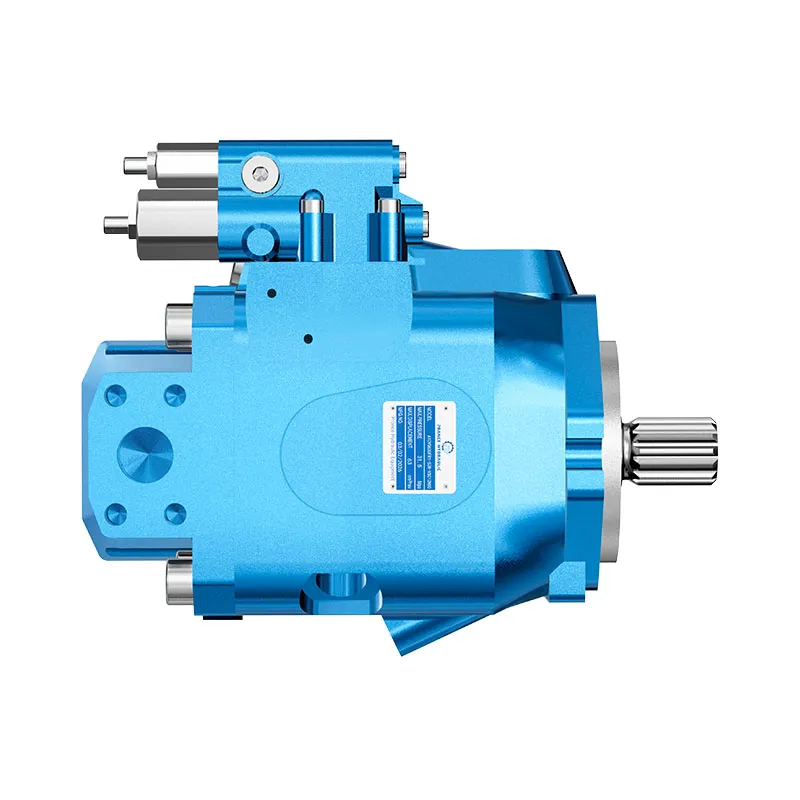
Part 1. What must be confirmed before hydraulic startup?
Start with the circuit record, not the replacement part number. Identify what changed, the intended motion, the fluid in use, and the documentation that governs the installed pump, motor, or valve. A startup decision needs more context than a mounting pattern because the applicable technical documentation connects component operation to installation conditions.
Before applying drive power, check the practical basics:
- reservoir level and specified fluid;
- visible hose, port, mounting, and electrical-connection condition;
- drive rotation requirement and coupling arrangement;
- valve neutral or intended initial command state; and
- whether the circuit has a safe, unloaded observation condition.
This is also the point to identify gaps. A missing circuit diagram, unknown fluid, or unconfirmed rotation direction is a reason to stop and obtain information, not a reason to improvise the next step.
Part 2. How should the first pump run be controlled?
The first run should minimize demand while proving that the installation behaves as expected. Follow the installed product documentation for priming, rotation, case-drain, and any model-specific startup requirements; those requirements cannot be inferred from another family or a previous installation.
Listen and observe before asking the system to perform full work. A short, controlled observation can reveal unexpected noise, aeration, leakage, vibration, or incorrect movement while the response is still easier to isolate. Keep the initial test sequence tied to the actual circuit design and its defined safe condition.
Do not use a prolonged unloaded run as a substitute for commissioning. The purpose is to establish an initial observation, then move through the documented functions while recording what changes.
Part 3. Which readings make a commissioning record useful?
The useful record connects a symptom to the operating condition in which it appeared. Fluid and filtration are system concerns, so the record should cover the environment around the changed component as well as the component itself.
| Record item | Why it matters | Send with technical review |
|---|---|---|
| Changed component and document revision | Identifies the evidence baseline | Yes |
| Fluid type and filter condition | Links the component change to system cleanliness | Yes |
| Drive direction and initial command state | Helps isolate an installation or control issue | Yes |
| Pressure, flow, temperature, and noise observations | Connects behavior to the test condition | Yes |
| Leakage location and actuator response | Distinguishes visible installation issues from performance questions | Yes |
| Photos of interfaces and nameplate information | Supports a controlled comparison without assuming compatibility | Yes |
Record the operating condition beside each observation. A pressure value without the active function, drive condition, and measurement point is difficult to interpret. The same applies to a temperature or noise complaint: note when it started and what the machine was commanded to do.
Part 4. How should valves and actuators be checked without forcing a fault?
Observe each intended function in the order defined by the machine documentation. Confirm the expected neutral condition before commanding a cylinder, motor, or other actuator, then note whether motion, holding, and return behavior match the documented circuit logic.
Avoid turning a diagnostic test into a full-load challenge. If a valve does not respond as expected, forcing repeated commands can add heat or obscure the original condition. Compare wiring, control command, fluid condition, and valve documentation before drawing a conclusion about the valve itself.
For a changed motor circuit, record the task, rotation, and response rather than claiming a family is interchangeable. The hydraulic directional valve troubleshooting guide and the hydraulic pump case drain guide can help separate adjacent symptom paths.
Part 5. Which observations require a pause and investigation?
Unexpected noise, visible leakage, abnormal heat, erratic motion, or a mismatch between commanded and observed movement should pause the startup sequence. These are observations, not diagnoses. The next action is to secure the equipment under the site’s approved safety procedure and compare the record with the circuit and product documentation.
Fluid and filter condition deserve the same attention as mechanical interfaces. A clean-looking external installation does not establish that the fluid path, reservoir, and filtration arrangement are appropriate for the changed duty. Use the hydraulic pump contamination control article as a related review path when cleanliness is an open question.
Important: Do not accept a familiar port layout, prior part number, or a short no-load run as proof of replacement compatibility. Component limits and installation conditions must be checked against the applicable technical documentation. Danfoss technical information
Part 6. When should a replacement component review move to an RFQ?
Move the discussion to a technical review when the record exposes an unknown, a changed duty, or a mismatch that cannot be resolved from the installed documentation. A family-level route is appropriate when the buyer needs to compare product options without claiming that any named item is already a fit.
| Review input | Purpose in a supplier discussion | Boundary |
|---|---|---|
| Circuit diagram and changed function | Establishes the operating context | Not a substitute for machine approval |
| Fluid, filtration, and temperature notes | Frames the system environment | Must be confirmed against the selected documentation |
| Measured commissioning observations | Lets the reviewer compare the actual condition | Measurement method and point still matter |
| Mounting, ports, drive, and electrical interfaces | Identifies what requires verification | Matching interfaces alone do not prove fit |
For a controlled product-family discussion, begin with the hydraulic pump product family and the hydraulic valves range. Submit the circuit record through the contact page when a model, interface, or operating limit must be reviewed. This checklist is not a machine-acceptance or certification procedure.
FAQs
What should be checked before starting a hydraulic system?
Confirm the circuit record, fluid and reservoir condition, visible interfaces, expected drive direction, valve state, and the applicable product documentation before beginning a controlled observation.
Does a new hydraulic pump need priming?
Follow the installed pump documentation. Priming and startup requirements are model and circuit dependent, so they should not be copied from an unrelated unit.
Which readings should be logged during commissioning?
Record the changed component, fluid and filter notes, drive and command state, observations of pressure, flow, temperature, noise, leakage, and the exact operating condition for each reading.
Can a valve be checked at full load immediately?
Use the machine and valve documentation to define a safe test sequence. Start with the least demanding safe observation condition rather than using full load to discover an installation issue.
What should stop a hydraulic startup?
Pause for unexpected noise, visible leakage, abnormal heat, erratic motion, or a mismatch between command and response. Secure the equipment under the approved procedure before investigating.
What belongs in a supplier review after a component change?
Provide the circuit diagram, changed function, product documentation, fluid and filtration notes, measured observations, and mounting, drive, port, and electrical interface details.
References
- Danfoss Series 40 technical information — model documentation and installation conditions as the boundary for component-specific conclusions.
- Danfoss cartridge valves technical information — directional, pressure, and flow-control context for valve observations.
- Danfoss H1F motor technical information — motor documentation and system-context boundary.