Wenzhou Prance Hydraulic Equipment Co., Ltd

Which records clarify a proportional-valve hysteresis question?
Hydraulic proportional valve hysteresis is best reviewed as a documented characteristic question, not as a shortcut to explain every axis symptom. A reader may encounter the term in a data sheet or use it while describing a repeatability concern. Before a component conclusion is made, identify the installed valve, the governing document revision, the command and feedback context, and the condition actually observed.
Part 1. What does a hysteresis question mean before a system conclusion is made?
Hysteresis is commonly used to describe a difference in response associated with the direction or history of a command change. That concept becomes meaningful only when it is read in the context of a specified valve and its controlled documentation. A reported machine symptom, by contrast, may include the valve, its command source, feedback, mechanics, fluid condition, load, and the wider circuit.
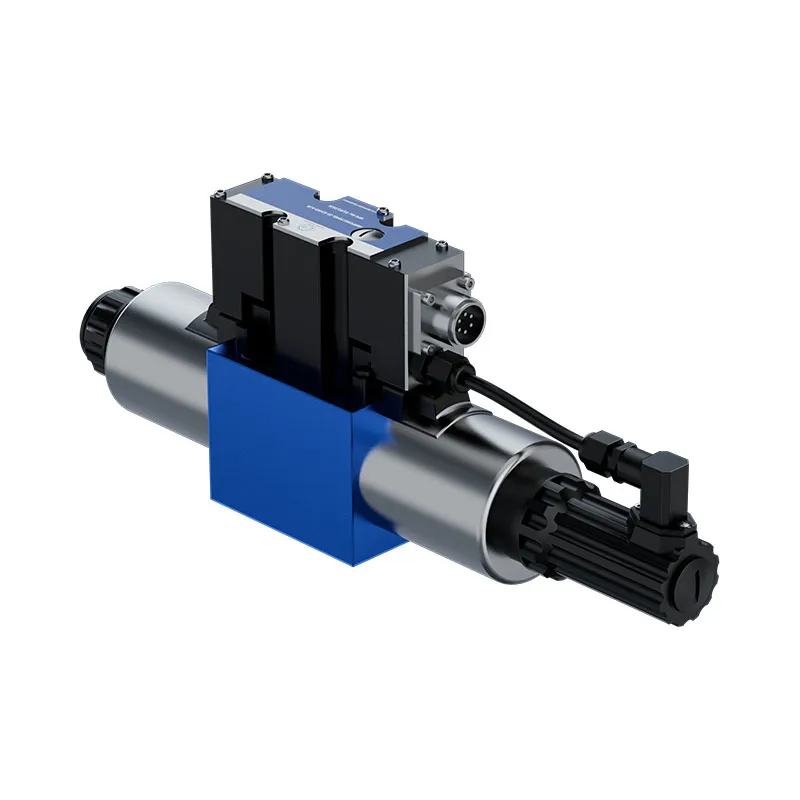
The distinction prevents a familiar technical word from being used as a diagnosis. This page does not set a value or decide whether a valve explains an observed result. It shows how to retain evidence for a disciplined review. The existing hydraulic proportional valve with position feedback page is related reading, but it does not own this evidence-record intent.
| Record question | Evidence to retain | Why it matters |
|---|---|---|
| Which valve is installed? | complete model reference and nameplate image | connects the question to a defined product family |
| Which document applies? | current data sheet or manual revision | prevents use of a characteristic from another variant |
| What was observed? | dated symptom description and machine state | separates observation from a component conclusion |
| What control context is known? | available command, feedback, and system record | gives engineering a bounded review subject |
Part 2. Which valve and document details identify the review subject?
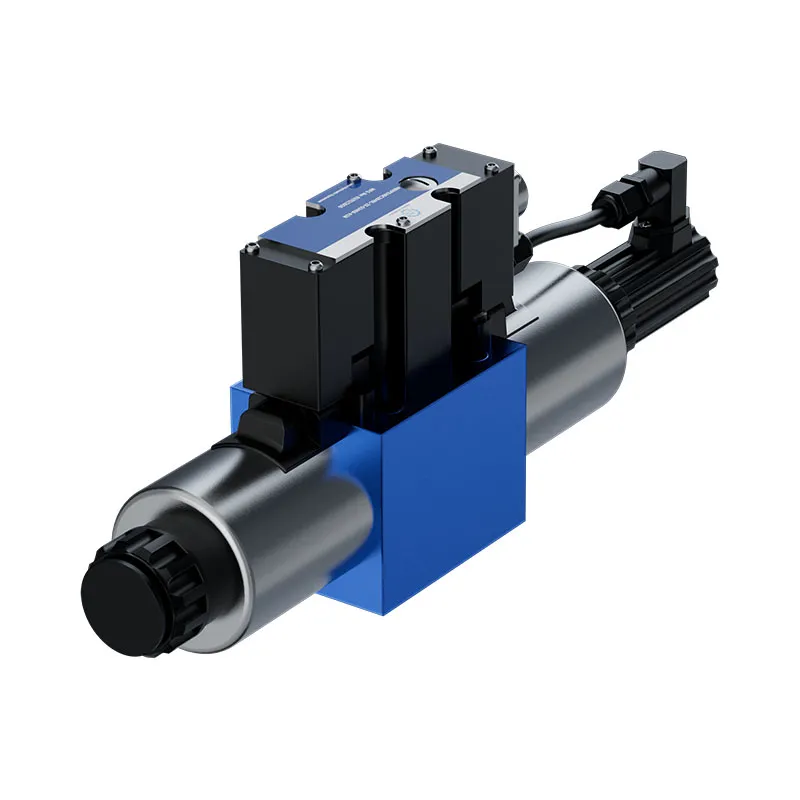
Start with component identity. A proportional-valve family can include variants whose documented characteristics, interfaces, electronics, or feedback options should not be assumed from appearance. Record the full valve reference, visible marking, document title and revision, the valve’s circuit role, and any identifiable control or feedback arrangement.
Where a buyer has a data-sheet excerpt, preserve the original page rather than extracting an isolated term into a new claim. The reviewer needs to see the condition and definition associated with the document. This approach also makes a missing document visible early, before a discussion becomes a request for an unsupported setting or replacement.
Important: A general article cannot authorize measurement, controller adjustment, energization, valve replacement, hydraulic setting, or return to service. A competent reviewer must compare the record with the identified valve documentation. ISO 4413
Part 3. Which command, feedback, and observation records should be retained?
An evidence record should describe the context without converting it into a test procedure. Retain the system state in which the concern was reported, the available document references, the known command and feedback descriptions, and the service or configuration history. Avoid publishing or requesting generic electrical values, response limits, tuning steps, or controller actions: those are model- and system-specific decisions.
| Buyer should provide | Review purpose | Common gap |
|---|---|---|
| Valve model and nameplate image | identifies the document family | relying on a visually similar valve |
| Controlled document revision | preserves the published definition and conditions | using an unverified excerpt |
| Command and feedback context | makes the reviewable control information visible | naming only a controller brand |
| Observed response record | distinguishes what occurred from why it occurred | writing “hysteresis fault” as an observation |
| Service or configuration history | reveals recent changes without assigning cause | omitting changes near the affected axis |
These are RFQ inputs, not a specification or tuning table. Once collected, they support a documented conversation through the hydraulic valves page and the appropriate engineering review path.
Part 4. Why should hysteresis not be merged with deadband or a mechanical diagnosis?
Technical terms can overlap in casual conversation while retaining different definitions in product documentation. Treating hysteresis, deadband, friction, a spool condition, feedback behavior, or a machine symptom as interchangeable can obscure what has actually been observed. Keep the document definition, the command context, and the equipment record separate until a qualified reviewer can assess their relationship.
The related proportional valve integrated electronics article is useful for organizing electronics questions. It does not prove that a particular characteristic applies to an unidentified valve or that it explains a field symptom.
Part 5. When must a control concern move to engineering review?
Move the question to competent engineering review when the valve identity, controlled document, control-context record, feedback information, or observation record is incomplete. Escalation is also appropriate when the next decision would involve electrical work, software or controller adjustment, component replacement, hydraulic settings, safety functions, or return to service.
That boundary is practical rather than evasive. It turns an ambiguous performance statement into an evidence set that can be compared with the correct document. This article neither diagnoses a proportional valve nor guarantees control performance.
Part 6. Which valve-family route supports a documented inquiry?
Use the OEM / ODM page for a documented matching or technical-review inquiry. Supply the valve reference, nameplate image, controlled document, command and feedback context, symptom record, and known service history. The contact page can receive those materials for a focused family-level discussion.
The hydraulic valves page is an orientation route, not a recommendation of a valve, hysteresis value, controller setting, feedback configuration, or axis result. When a required record is unavailable, identify the gap rather than replace it with a generic conclusion.
FAQs
What is proportional-valve hysteresis?
It is a documented control-response characteristic that should be read with the identified valve and its applicable product information. It is not a stand-alone diagnosis of a machine symptom.
Is hysteresis the same as deadband?
Do not treat the terms as interchangeable. Use the definition and conditions in the controlled document for the installed valve before comparing any reported behavior.
What records help review a repeatability concern?
Collect the valve identity, document revision, available command and feedback context, observed machine state, and service or configuration history. This keeps the observation separate from a conclusion.
Can one symptom prove a valve characteristic?
No. A reported response can involve the valve and other system elements. It needs comparison with the correct component document and a competent review.
When should a control concern be escalated?
Escalate when key identity, document, command, feedback, or observation evidence is missing, or when the next step could affect electrical work, settings, replacement, safety, or return to service.
What belongs in a proportional-valve inquiry?
Provide the full valve reference, nameplate image, controlled document, command and feedback context, symptom record, and known service history. These RFQ inputs allow a defined technical discussion without implying a performance result.