شركة ونزهو برانس للمعدات الهيدروليكية المحدودة

قطع التحكم في المضخة مقابل أمر الحياد: ما الذي يتغير فعلاً
A hydraulic pump control cutoff valve and a neutral command act at different points in the displacement-control chain. A neutral command asks the normal controller to return the pump toward zero stroke. A documented control cutoff arrangement can instead interrupt or drain the control-pressure path, overriding the primary input. Neither phrase alone proves that a machine is stopped, isolated or safe to service. The exact hydraulic circuit, load restraint and restart logic matter. Use the installed pump and machine documentation before testing either function, and never treat a generic description as a safety certification.
Follow the chain from command to machine motion
An electrical or mechanical input is only the beginning of pump control. Depending on the design, an input moves a control spool, pressure acts on servo elements, and the swashplate changes displacement. The rotating group then delivers flow to the loop. Load, leakage, braking and mechanical transmission determine the resulting machine behavior.
A neutral command changes the requested input. It does not directly measure swashplate position or prove that loop flow is zero. A control can have deadband, linkage effects or a calibrated neutral region. Electrical current, controller display and physical displacement are different pieces of evidence. Diagnose disagreement between them rather than assuming that a zero on a display settles the matter.
A cutoff valve changes a hydraulic permission or supply path in a design that includes that feature. It is therefore useful to draw two separate paths on the machine schematic: the primary command path and the cutoff path. If both depend on shared hardware, wiring or supply, that dependency also belongs in the review. Separate names do not prove complete independence.
What a documented cutoff example actually does
The Danfoss H1P technical reference describes an optional cutoff valve that prevents charge supply from reaching the controls in its de-energized condition and connects relevant control passages to case. In that reference design, servo springs can return the pump toward neutral independently of the primary input. The document also identifies factors that affect return time.
This is an explanation of a specific architecture, not a claim about an unspecified Prance AA4VG build. The same reference family can have different control options, and another pump may use a different arrangement entirely. The direction of flow through a valve and the effect of removing electrical power must come from the actual circuit. Do not infer either from a coil photograph or an informal name such as shutdown solenoid.
The H1T service manual further shows that auxiliary brake-related routing can differ between variants. This matters because a single statement about a cutoff cannot safely describe every tandem pump or machine. Confirm whether an auxiliary port shares the cutoff function, has separate control or is unused before drawing conclusions about brake behavior.
Compare functions without confusing their evidence
The following comparison describes engineering roles. It does not specify a functional-safety category, response-time limit or machine stopping performance.
| Function or observation | ما يثبته | ما الذي لا يزال بحاجة للتحقق |
|---|---|---|
| Controller requests neutral | Requested primary command is in its neutral region | Actual output signal, control response and pump displacement |
| Coil power is removed from a documented cutoff | Electrical state at the measured circuit | Valve movement and resulting hydraulic routing |
| Control pressure falls at an approved test point | Local hydraulic response under that condition | Whether both servo sides and auxiliary functions behave as intended |
| Pump displacement approaches zero | Main pump delivery is reduced | Residual loop pressure, load-driven motion and braking |
| Machine stops during a controlled test | Behavior in that tested condition | Other loads, temperatures, failure conditions and restart sequence |
| Energy isolation is completed | Specified hazardous energy sources are controlled | Verification according to the machine’s service procedure |
A result lower in the table cannot be inferred solely from an observation higher in it. For example, a de-energized coil can coexist with a stuck valve or unexpected pressure path. A machine that stops on level ground may behave differently with an overrunning load. Verification must match the function being accepted.
Return toward neutral is a process, not an instant
When pressure routing changes, the servo and swashplate still have to move. Fluid viscosity, orifice configuration, rotational speed, working pressure and starting displacement can affect that response in the documented reference design. A generic statement that cutoff returns a pump to neutral should never be converted into an invented number of milliseconds.
The relevant acceptance condition belongs to the machine design. It may involve displacement response, deceleration, stopping distance, brake sequencing or several related measurements. A workshop observation made without the specified load does not establish the full envelope. Use trained personnel and the approved test arrangement, with movement hazards controlled.
Pressure trapped elsewhere can remain after control pressure is removed. Accumulators, suspended loads, elastic hoses and mechanical inertia are separate sources of stored energy. A pump function intended to reduce drive output does not automatically isolate these sources. NIOSH hazardous-energy guidance is relevant precisely because normal operating controls and maintenance isolation serve different purposes.
Coordinate cutoff and the primary command
A cutoff should not leave an unnoticed nonzero command waiting for reactivation. The Danfoss H1P reference recommends disabling the primary control signal when the cutoff is de-energized. The practical issue is restart: restoring control supply while an old displacement request remains can produce an unwanted response.
Review what happens during normal shutdown, loss of electrical supply, controller reset and deliberate re-enable. The approved logic should define which conditions must be satisfied before motion is permitted. A displayed neutral indication should be checked against the actual signal where the procedure requires it, rather than accepted merely because the user interface has reset.
Do not improvise a restart interlock by bridging wires or forcing an output. The machine’s control design determines the required inputs, fault detection and reset behavior. If the documentation does not describe the installed arrangement, obtain that information before testing. A component supplier can explain an option’s function, but cannot certify the machine’s full stopping or restart behavior from the pump code alone.
Troubleshoot one link at a time
Start by identifying the installed pump code, control type, cutoff option and approved schematic. Confirm the voltage specification from the actual documentation; similar-looking solenoids do not establish interchangeability. Record the operating condition and the symptom, such as failure to stroke after enable, delayed return or unexpected motion during re-enable.
Then separate electrical permission from hydraulic response using the manufacturer’s measurement sequence. If the command is correct but a required control supply is absent, the primary displacement controller may be behaving normally under an inhibited condition. If supply is restored but the servo does not respond, that becomes a different diagnostic branch. Avoid adjusting mechanical neutral to compensate for missing control pressure.
Where safe, authorized tests compare the requested signal, measured electrical state, relevant pressure and physical response under the same timeline. Stop when the procedure’s limits are exceeded or motion becomes unpredictable. Do not repeatedly cycle a machine to see whether a fault clears while personnel remain in a hazardous zone.
Relate the question to the actual pump purchase
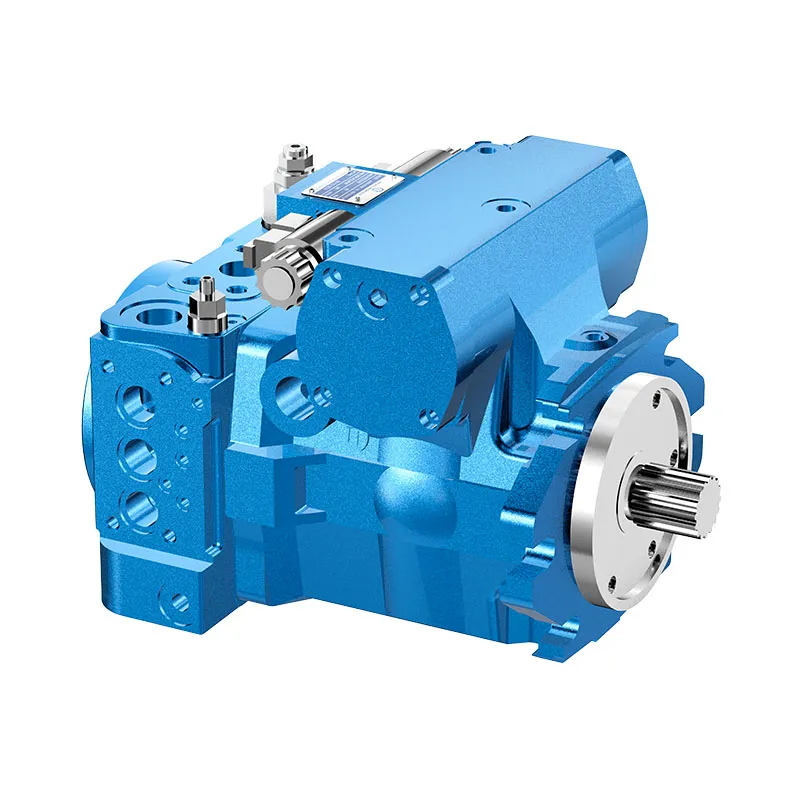
Prance’s AA4VG listing provides a relevant closed-loop piston-pump product family for configuration discussions. The original product photographs identify external features of that listing. They do not establish an optional cutoff function, its internal passages or an approved connection to the machine brakes.
For a purchase or replacement request, specify the complete pump and control codes, the machine schematic, intended enable sequence and required documented control behavior. State whether the enquiry concerns a like-for-like replacement or a proposed control change. Those are different engineering tasks, even if the mounting and shaft dimensions appear compatible.
Ask which documentation applies to the supplied configuration and which functions remain the machine builder’s responsibility. A phrase such as returns to neutral is insufficient without the relevant conditions and limits. Avoid requesting a safety rating based only on a single component function or importing a reference manufacturer’s option into an unverified product description.

Keep operating checks separate from service isolation
A controlled operational test can establish whether the command and cutoff respond under stated conditions. Maintenance requires the separate energy-control procedure: shut down, isolate applicable sources, restrain loads, release or secure stored energy and verify the required condition. Follow the machine’s instructions and workplace procedures throughout.
This distinction also improves fault reporting. Record whether the observed failure occurred during normal enable, neutral command, cutoff operation or maintenance preparation. A report that merely says the pump did not stop can obscure whether the pump continued delivering, the load back-drove the circuit or a brake failed to hold.
After repair, repeat the specified acceptance sequence and document the tested conditions. Confirm restart behavior as well as shutdown behavior. Successful restoration means that the intended control chain works under its documented limits, with the machine’s required protective functions intact. It does not mean that every possible failure condition has been proved by a single workshop cycle.

الأسئلة الشائعة
هل صمام القطع هو نفسه زر التوقف الطارئ؟
No component name establishes a machine emergency-stop function. The complete control and braking design, required behavior and applicable validation determine that function. A cutoff may be one element, but its presence alone is insufficient.
هل يؤدي إزالة الطاقة دائمًا إلى استنزاف ضغط التحكم؟
Only if that is how the installed arrangement is designed and operating. Confirm the valve’s normal position, hydraulic connections and actual response from the correct documentation. Do not generalize a reference schematic to another build.
لماذا يمكن أن تبقى المضخة محايدة على الرغم من وجود أمر غير صفري؟
An inhibited or inadequate control supply can prevent the command from producing stroke. Other causes are also possible. Compare command, permission, supply and response before adjusting neutral or replacing the primary control.
Can the cutoff also operate a brake-release port?
Some documented configurations couple those paths, while others use a separate valve. The H1T reference illustrates this variation. The installed schematic must establish which arrangement applies to the machine under review.
What is the most important restart check?
Verify that restoring permission does not unexpectedly apply a retained displacement command. The required reset, neutral confirmation and enable sequence must follow the machine’s approved design; do not create a universal sequence from a generic article.
موارد المنتج والهندسة ذات الصلة
AA4VG Closed Circuit Variable Piston Pump, نطاق منتجات المضخة الهيدروليكية, Hydrostatic Neutral Creep: Separating Pump Offset from Load Effects, ضغط مضخة السيرفو غير كافٍ: فصل الأمر عن الشوط. تأكيد رمز المنتج الكامل ومتطلبات التطبيق عند طلب مراجعة التكوين.
Technical references
- Danfoss H1P technical information: optional control cutoff reference, not AA4VG specifications
- Danfoss H1T service manual: reference control and measurement architecture, not AA4VG specifications
- NIOSH: Preventing Deaths from Uncontrolled Hazardous Energy
تعلم إضافي: مضخات هيدروليكية
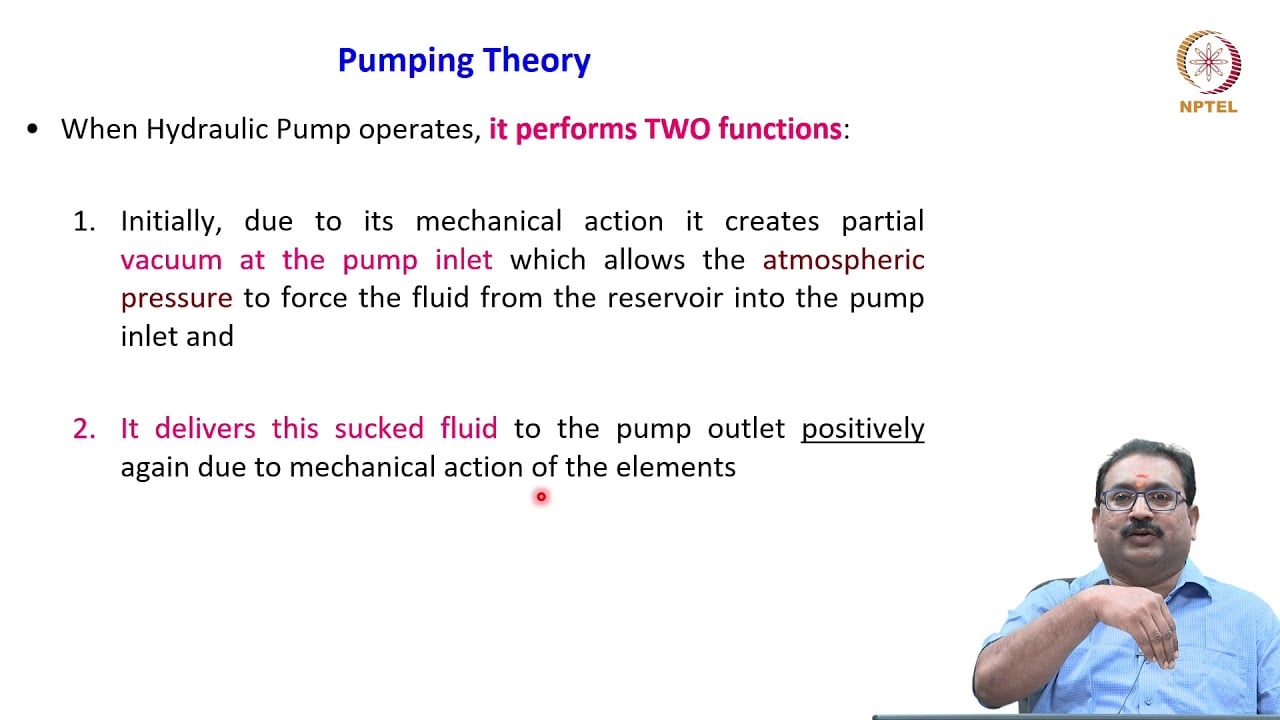
3.2 – Hydraulic Pumps by NPTEL-NOC IITM provides background on pump operating principles. Pump fundamentals provide background on displacement and energy transfer; the lecture does not demonstrate the specific diagnostic or installation procedure discussed here. It supplements the component fundamentals; it is not a test procedure for the complete circuit discussed above.