شركة ونزهو برانس للمعدات الهيدروليكية المحدودة

صمام منظم تدفق هيدروليكي: يحافظ على سرعة ثابتة تحت الأحمال المتغيرة
A صمام تنظيم تدفق هيدروليكي meters oil so actuator speed stays closer to the intended setting when load or supply pressure changes. In technical usage it usually means a pressure-compensated flow control—an orifice plus a compensator—rather than a bare needle throttle. The sections below separate that job from priority and divider branches, place meter-in / meter-out / bleed-off in context, flag heat on continuous duty, and list the circuit facts worth gathering before a valve conversation.
What a hydraulic flow regulator valve is
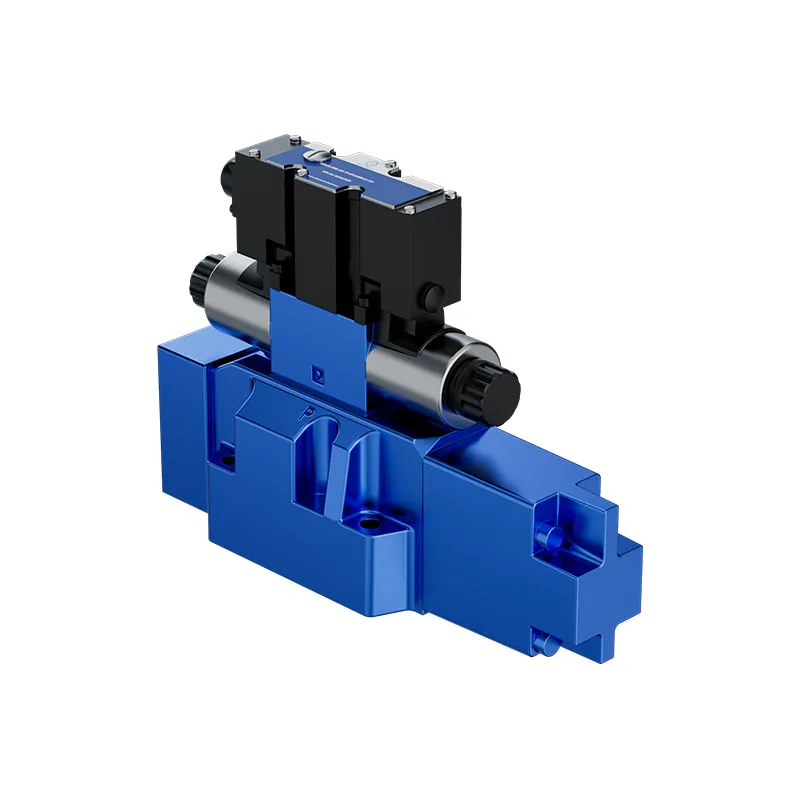
Flow regulation is how designers control actuator speed by regulating flow rate. A hydraulic flow regulator valve is the flow-control device that does that job when a buyer asks for steadier speed under changing load.
In plain language, it helps set how fast a cylinder or motor moves, and often tries to keep that speed steadier when the load shifts. A distributor who receives a request for a “flow regulator” should confirm speed control is the intended job before comparing packages.
Technical catalogues often reserve “flow regulator” for a pressure-compensated arrangement: a metering orifice that senses pressure drop, plus a compensating piston that adjusts as inlet or outlet pressure varies. That framing is the primary entity of this article.
Needle throttle vs pressure-compensated flow regulator
A needle valve is a non-compensated variable orifice. Flow through that orifice depends on orifice size, pressure difference across the orifice, and oil temperature or viscosity.
An OEM that sees speed drift when load weight changes is often looking at that three-variable behavior. A simple throttle can be enough when load and supply stay steady; it is a weaker choice when those pressures move and constant speed still matters.
A pressure compensated flow control holds essentially constant volume flow by keeping the pressure drop across the metering orifice with a compensator. The compensator spool or piston adjusts so the set flow stays closer to target when inlet or load pressure shifts.
Market packages sometimes add a reverse-flow check so metering works in one direction while reverse free flow is available through the check. That packaging detail does not turn a needle into a compensator; it only describes how reverse oil is handled.
| Device | Core behavior | صورة بلغة بسيطة | سؤال المشتري الأول |
|---|---|---|---|
| Needle valve / non-compensated orifice | Flow changes with orifice size, ΔP, and viscosity | A simple throttle whose speed can drift when load or oil temperature changes | Is load and supply steady enough for a non-compensated throttle? |
| Pressure-compensated flow regulator | Compensator holds ΔP across the metering orifice | It adjusts itself so set flow stays closer to target when pressures shift | Do we need steadier speed under varying load or supply? |
| Priority valve / 3-way flow regulator | Supplies set primary flow, then bypasses excess | Feeds a critical function first, then sends leftover oil elsewhere | Is the job protecting a primary branch before secondary flow? |
| Flow divider | Splits one inlet into two outlets (equal or ratio) | Shares one supply between two branches | Is the job splitting flow rather than holding one branch set speed? |
Priority regulators and flow dividers: related, not identical
A priority valve / 3-way flow regulator supplies set flow to a primary circuit and bypasses excess to a secondary path. It behaves as pressure-compensated flow control for the primary branch, then routes surplus elsewhere.
A buyer who asks for “priority flow” is describing a branching problem, not a single-branch restrictive regulator on one work line. Collapsing those labels into one SKU request hides whether primary protection or simple metering is the real need.
A flow divider splits one input into two outputs at equal or ratio shares. It cannot alone guarantee precise actuator synchronization. Equal-ratio splitting and primary-first priority are different branching tools; neither replaces a two-way restrictive regulator on a single actuator line.
When the enquiry mentions a priority flow divider, record whether the buyer means primary-first bypass or equal-ratio split before comparing hardware. That short clarification keeps related devices from being treated as interchangeable.
وضعية مقياس في، مقياس خارج، وتصريف الهواء
Meter-in / meter-out / bleed-off describe where flow is restricted relative to the actuator. Placement changes how speed is controlled and how much energy is dissipated as heat.
Meter-in restricts oil entering the actuator. Meter-out restricts oil leaving it. Bleed-off diverts excess toward tank or another path so only part of the pump flow reaches the work.
Confirm the architecture against the circuit plan rather than treating location as a universal rule. The same regulator style can behave differently when it sits before a cylinder, after a motor, or on a bleed path that runs continuously.
Placement also interacts with heat. A partially open valve with a large pressure drop converts that drop into fluid temperature rise whether the oil is metering into work or dumping toward tank.
What flow regulation is not
Flow regulation meters volume for actuator speed. It is not system overpressure protection, circuit diversion, or directional start/stop/direction control.
A relief valve limits pressure; a flow regulator does not replace that pressure-protection job. Buyers who hope a flow valve will “keep pressure” while cutting flow are mixing two function families. For pressure-setting procedure, use the دليل ضبط صمام الإفراج الهيدروليكي.
Path switching and selector diversion belong to diverter-style conversations, not this speed-control taxonomy. Directional start, stop, and direction of flow belong to directional spool routes such as the directional valve 4WE discussed later.
A generic control-valve family overview can list flow as one of three function families. This article stays on the flow-regulator framing rather than rewriting that overview.
الاعتراضات على الحرارة والعمل المستمر التي يثيرها المشترون فعليًا
cURL Too many subrequests by single Worker invocation. To configure this limit, refer to https://developers.cloudflare.com/workers/wrangler/configuration/#limits“
من الميدان: في cURL Too many subrequests by single Worker invocation. To configure this limit, refer to https://developers.cloudflare.com/workers/wrangler/configuration/#limits, cURL Too many subrequests by single Worker invocation. To configure this limit, refer to https://developers.cloudflare.com/workers/wrangler/configuration/#limits.
cURL Too many subrequests by single Worker invocation. To configure this limit, refer to https://developers.cloudflare.com/workers/wrangler/configuration/#limits.
cURL Too many subrequests by single Worker invocation. To configure this limit, refer to https://developers.cloudflare.com/workers/wrangler/configuration/#limits.
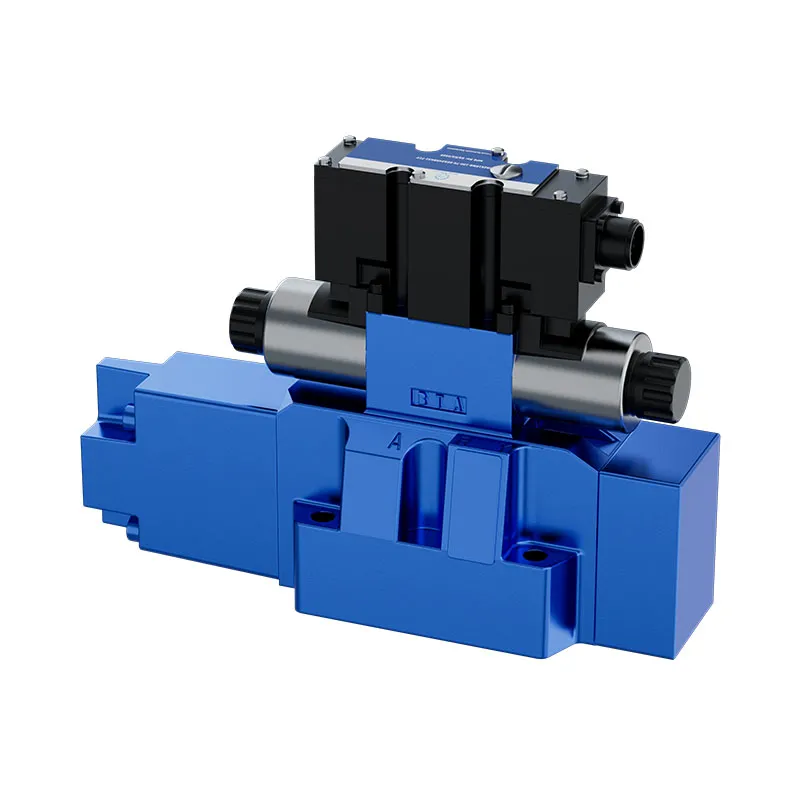
بناء صورة الاختيار قبل مناقشة الصمام
cURL Too many subrequests by single Worker invocation. To configure this limit, refer to https://developers.cloudflare.com/workers/wrangler/configuration/#limits.
تنشر برانس مركزًا لصمامات هيدروليكية يغطي الخيارات الاتجاهية والنسبية وتطلب من المشتريين البدء بوظيفة الدائرة، التدفق، الضغط، إشارة التحكم، التركيب، ومتطلبات نظافة السائل.
| المعلومات التي يجب جمعها | لماذا تنتمي إلى المحادثة | توضيح المثال |
|---|---|---|
| وظيفة الدائرة | cURL Too many subrequests by single Worker invocation. To configure this limit, refer to https://developers.cloudflare.com/workers/wrangler/configuration/#limits | cURL Too many subrequests by single Worker invocation. To configure this limit, refer to https://developers.cloudflare.com/workers/wrangler/configuration/#limits |
| التدفق المطلوب والضغط العامل | cURL Too many subrequests by single Worker invocation. To configure this limit, refer to https://developers.cloudflare.com/workers/wrangler/configuration/#limits | What flow and working pressure does the machine use in normal operation? |
| إشارة التحكم / الواجهة الكهربائية | يحدد كيف سيتم تشغيل أي صمام مزود بالطاقة | Manual adjustment, solenoid, or continuous command—and which electrical interface applies? |
| Compensator body mount and work-line porting | Confirms how the flow-regulator package will sit and connect on the metered branch | Subplate, inline body, or manifold face—and which work-line ports feed the orifice/compensator path? |
| Oil grade plus filtration for continuous throttling | Captures fluid condition where orifice ΔP and compensator response must stay stable | Which hydraulic oil grade is in use, and what filtration rating supports steady set-flow under load? |
| سياق المهمة | يشير إلى خطر الحرارة الناتج عن التقييد المستمر | Is the load intermittent cylinder motion or continuous motor duty? |
A procurement reader who collects those inputs before contacting a supplier avoids asking a model code to invent the missing circuit story.
Industrial compensated flow-control valves also have standardized mounting-surface practice under ISO 6263 for interchangeability of mounting surfaces. That note helps when a drawing calls out compensated flow-control mounting; it does not invent a Prance flow-regulator SKU or rating.
سياق المنتج: محور صمامات هيدروليكية ومسارات 4WE / 4WRAE المجاورة
After the checklist above is filled in as far as the machine data allows, open the الصمامات الهيدروليكية family route. Prance publishes a hydraulic-valve product-family route covering directional and proportional options and asks for those same circuit-function, flow, pressure, control-signal, mounting, and fluid-cleanliness inputs.
When the job is start, stop, and direction of flow rather than discrete flow regulation, review the الصمام الاتجاهي 4WE route. 4WE6 / 4WE10 solenoid-operated directional spool valves control start, stop, and direction of flow. RFQ inputs there include flow, pressure, circuit/spool function, electrical interface, mounting, ports, fluid, and filtration class.
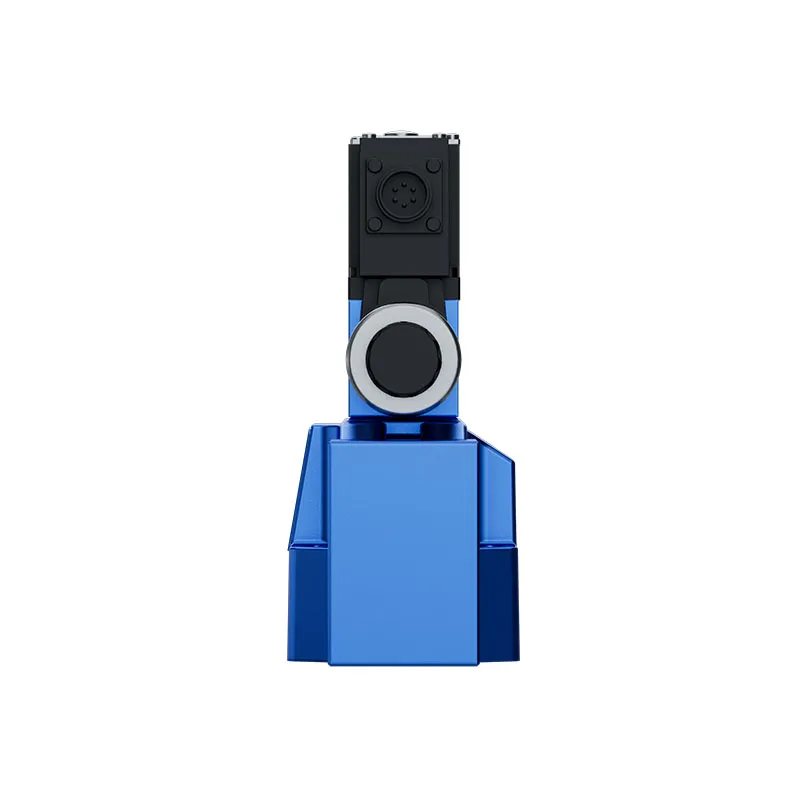
عندما يكون مطلوباً التحكم المستمر المفتوح في اتجاه وتدفق الحجم، راجع صمام التناسب 4WRAE route. 4WRAE is a direct-actuated proportional valve for controlling direction and volume flow in open-loop control with a spring-centred control spool. Selection still requires circuit function, flow, pressure, electrical/command interface, mounting, and fluid cleanliness confirmation.
Neither named route is a dedicated flow-regulator model. Use them when the documented job matches—path control for 4WE, continuous direction-and-volume command for the proportional valve 4WRAE—after the speed-control taxonomy and circuit facts are clear.
الأسئلة الشائعة
What is a hydraulic flow regulator valve?
It is a flow-control device used to regulate actuator speed by metering flow. In technical usage, “flow regulator” usually points to a pressure-compensated arrangement rather than a bare needle throttle.
How does a pressure-compensated flow regulator work?
A metering orifice sets the target flow while a compensator holds the pressure drop across that orifice nearly constant. As inlet or load pressure changes, the compensator adjusts so volume flow stays closer to the set value.
How is a needle valve different from a flow regulator?
A needle valve is a non-compensated variable orifice whose flow changes with orifice size, pressure difference, and oil viscosity or temperature. A pressure-compensated flow regulator adds a compensator so set flow holds steadier under changing pressure. Some one-way packages also include a reverse-flow check for free reverse flow.
How does a flow regulator differ from a priority valve or flow divider?
A restrictive flow regulator typically meters one branch. A priority valve / 3-way flow regulator protects set primary flow and bypasses excess. A flow divider splits one inlet into two outlets and is not by itself a precise synchronization tool.
Does using a flow control valve create heat?
Yes. Throttling needs pressure drop, and that energy often becomes heat—especially when excess oil returns to tank on continuous duty. That observation is a selection warning, not a cooler-sizing procedure.
Can a flow regulator replace a relief valve?
No—a flow regulator meters flow for speed control, while a relief valve provides overpressure protection. Mixing those jobs leaves the circuit without a clear pressure-limit device.
What should I prepare before an RFQ about valves for speed control?
Prepare circuit function, required flow, working pressure, control signal or electrical interface, mounting, ports, fluid, and filtration or fluid-cleanliness class. Add duty context when continuous motor loads are in play.
Does Prance list a dedicated flow-regulator model on the valve hub?
The live hydraulic valves hub emphasizes directional and proportional options and asks for circuit-function RFQ inputs. Bring those circuit facts to the hub; do not invent a dedicated flow-regulator SKU. Use directional valve 4WE for start/stop/direction and proportional valve 4WRAE when continuous open-loop direction and volume flow is required.