شركة ونزهو برانس للمعدات الهيدروليكية المحدودة

Cold Hydraulic Motors and Warm Flushing Oil: Thermal-Shock Boundaries
A hydraulic motor can suffer thermal shock when warm oil reaches internal parts that remain cold. The reservoir temperature alone cannot establish a safe start: the oil, rotating assembly and housing may be at different temperatures and warm at different rates. An approved warming or flushing arrangement can reduce that difference, but adding a flushing hose or copying another motor’s temperature limit is not a safe substitute for configuration-specific instructions. First identify the motor, the actual oil path and the coldest operating condition; then use the manufacturer’s startup procedure and monitor the response before applying the normal duty.
Why a warm reservoir can leave a cold motor vulnerable
A machine may circulate oil through one active function while another motor remains stationary. The tank and common supply become warm, but the unused motor and its remote pipework remain close to ambient temperature. Operating the second function suddenly sends warmer oil into a component that has not followed the reservoir’s temperature rise. This condition differs from starting a system in which the oil and every component are uniformly cold.
Internal parts do not necessarily expand together. Oil can transfer heat quickly to small moving elements while the larger housing warms more slowly. The resulting change in operating clearance can increase friction or interfere with motion. A normal reservoir reading therefore does not demonstrate that a remote motor is ready for its operating flow and load. The important question is where the warm oil arrives and what temperature the receiving parts have reached.
What the experimental evidence establishes
Jasinski’s published motor-heating research examines cold motors supplied with warm working fluid and measures pressure, speed and component temperatures. It shows why uneven heating can change operating behavior. The paper’s test results depend on the tested motor design, initial clearance, flow and temperature conditions. Its numerical operating boundaries are not universal recommendations for every orbital or piston motor.
The Black Bruin operating manual provides a separate manufacturer example of managing oil and motor temperature differences. That document applies to its named motor family. Together, these sources support checking thermal difference and following the selected motor’s instructions. They do not establish an allowable temperature difference, heating rate or flushing flow for a Prance BMT motor. Those values must come from the selected unit’s documentation or written engineering approval.
Separate thermal shock from two neighboring problems
Cold-oil starting resistance concerns high viscosity, filling and friction when the fluid itself is cold. Thermal shock concerns a temperature mismatch when warmer fluid reaches colder hardware. Both can occur during one morning startup, but solving one does not automatically solve the other. Heating the tank may improve viscosity while increasing the difference between the tank oil and an isolated motor.
Trapped-oil thermal expansion is different again. Oil enclosed between closed valves can develop pressure as its temperature increases. That is a trapped-volume protection problem, not proof of internal thermal binding. Identify which volume is isolated and which oil is circulating before assigning the symptom to a particular mechanism. The related cold-start and trapped-volume guides linked below cover those separate decisions in more detail.
Use temperatures at meaningful locations
Compare the oil approaching the motor with a representative motor-body temperature, rather than comparing tank oil with ambient air alone. The tank may be warm while a long supply hose still contains cold oil; conversely, a warm supply may suddenly reach a cold motor after the hose volume has been displaced. A single snapshot can miss this sequence. Record the timing of valve operation and the change in temperature as well as the final values.
An external body reading is useful evidence but is not a direct measurement of every internal part. Surface finish, sensor contact, insulation and the measurement position influence the reading. Use suitable instruments and an approved measurement method. Do not drill a casing or improvise a pressurized connection to obtain another data point. If the required measurements are unavailable, treat readiness as unproven rather than calculating an unsupported internal temperature.
Decide whether flushing is actually an approved oil path
The word flushing can describe different arrangements. Circulating oil through a system-cleaning rig is not necessarily the same as circulating an approved small flow through a motor case. A loop-flushing valve also has a different function and flow path from a case warming connection. Establish the circuit from the schematic and the motor port drawing; do not identify a suitable connection by the appearance of a plug.
Some motors have external drain arrangements, while other configurations use different internal paths and pressure restrictions. Introducing flow into an unapproved port can raise case pressure or force oil through a route that was never intended for warming. A hose that physically fits does not establish compatibility. Any warming flow, drain routing and associated pressure must remain within the exact manufacturer’s requirements throughout starting and operation.
A practical decision table before the first loaded run
The table below is a qualitative engineering checklist derived from the thermal-shock research and manufacturer operating guidance. It supplies no Prance temperature or flow ratings.
| الحالة الملاحظة | What it suggests | Suitable next decision |
|---|---|---|
| Tank warm, idle remote motor cold | A temperature mismatch may remain | Follow the approved warming procedure before normal duty |
| Motor and oil uniformly cold | Viscosity and filling need attention | Check cold-start instructions without assuming thermal shock |
| Pressure rises while speed falls during warming | Friction, load or supply trouble may be developing | Stop under the approved procedure and investigate |
| Proposed warming hose has no documented port approval | Oil path and case pressure are unproven | Obtain the motor drawing and written arrangement approval |
| A different motor manual gives a numerical limit | The limit belongs to another design | Request the selected configuration’s limit instead of transferring it |
Plan the warm-up around the actual machine
Start with the machine’s permitted startup sequence, not an invented universal idle time. Identify whether the load can move unexpectedly, whether a brake requires pressure to release and whether the motor supports an approved unloaded condition. A winch, conveyor or elevated mechanism may remain hazardous even when the operator requests very low speed. Secure loads and use the equipment’s isolation procedure before making physical changes.
If controlled circulation or low-duty operation is permitted, progress only within the documented conditions. Watch inlet and outlet pressure, speed, leakage and temperature response together. A quieter motor is not sufficient evidence of readiness if pressure is rising or speed is becoming unstable. Do not force rotation against suspected binding, repeatedly reverse the motor to free it or raise relief settings to overcome resistance. These actions can mask the cause and increase damage.

Relate the photographs to the selected product
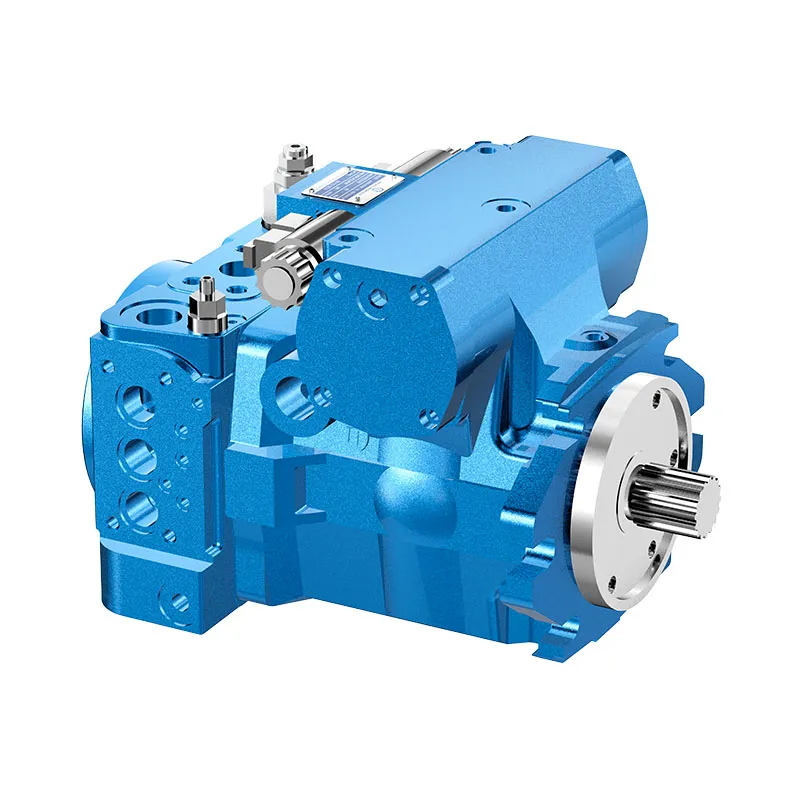
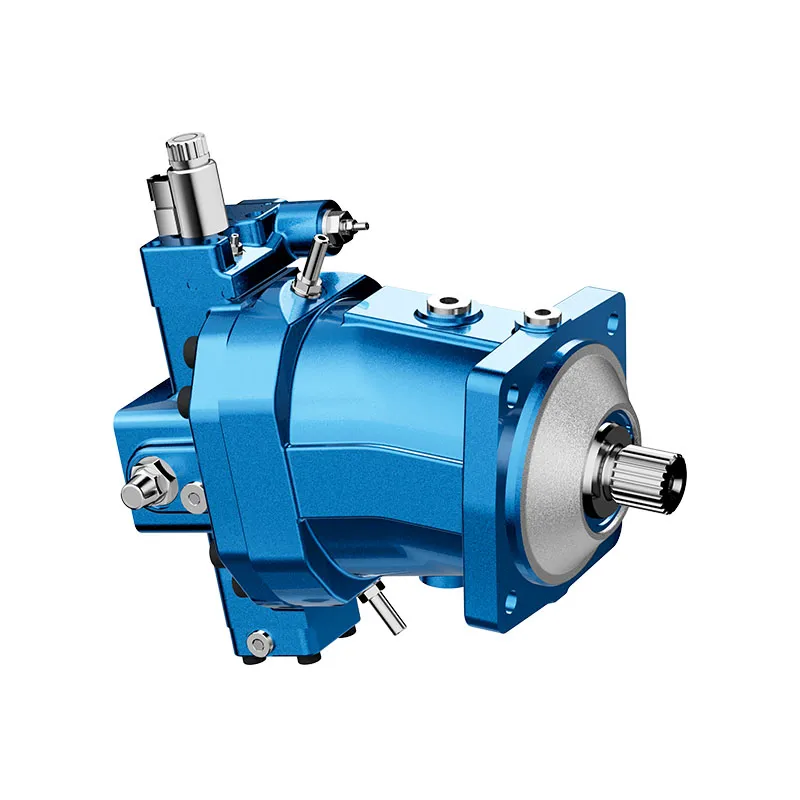
The BMT original photographs identify a related orbital-motor product family. They show external features for product identification; they do not prove an internal warming channel, a particular drain option or permission for continuous case flushing. A quotation should distinguish the catalog family from the complete ordered configuration, including displacement, shaft, mounting, ports, seals and any applicable drain arrangement.
When replacing a motor, retaining the same flange and nominal displacement does not establish identical thermal behavior. Internal clearances, materials, lubrication paths and operating restrictions can differ. Ask for the startup and fluid requirements with the replacement offer. If the supplier cannot confirm the proposed warming arrangement, redesign or review that arrangement before installation rather than assuming that the old motor’s instructions carry across.

cURL Too many subrequests by single Worker invocation. To configure this limit, refer to https://developers.cloudflare.com/workers/wrangler/configuration/#limits
cURL Too many subrequests by single Worker invocation. To configure this limit, refer to https://developers.cloudflare.com/workers/wrangler/configuration/#limits.
cURL Too many subrequests by single Worker invocation. To configure this limit, refer to https://developers.cloudflare.com/workers/wrangler/configuration/#limits.
cURL Too many subrequests by single Worker invocation. To configure this limit, refer to https://developers.cloudflare.com/workers/wrangler/configuration/#limits.
cURL Too many subrequests by single Worker invocation. To configure this limit, refer to https://developers.cloudflare.com/workers/wrangler/configuration/#limits
cURL Too many subrequests by single Worker invocation. To configure this limit, refer to https://developers.cloudflare.com/workers/wrangler/configuration/#limits.
cURL Too many subrequests by single Worker invocation. To configure this limit, refer to https://developers.cloudflare.com/workers/wrangler/configuration/#limits.
الأسئلة الشائعة
Is heating the hydraulic tank enough to protect a cold motor?
cURL Too many subrequests by single Worker invocation. To configure this limit, refer to https://developers.cloudflare.com/workers/wrangler/configuration/#limits.
Can I add a case-flushing hose to any hydraulic motor?
cURL Too many subrequests by single Worker invocation. To configure this limit, refer to https://developers.cloudflare.com/workers/wrangler/configuration/#limits.
Does a published experimental temperature difference apply to BMT motors?
No. Experimental results describe the tested motor and operating conditions. They explain a mechanism but do not supply BMT ratings. Obtain the selected configuration’s limits and startup procedure rather than adopting another design’s numbers.
Should I increase pressure if the motor slows during warm-up?
Do not increase settings to overcome unexplained resistance. Stop using the approved procedure and investigate the pressure, load, temperature and drain conditions. Higher pressure can conceal binding or another fault while increasing mechanical stress.
What information helps review a thermal-shock concern?
Provide the full motor code, schematic, oil grade, ambient conditions, temperature sequence and synchronized pressure-speed observations. Include the proposed warming route and the exact startup procedure. These establish the conditions that a supplier must evaluate.
موارد المنتج والهندسة ذات الصلة
محرك مداري هيدروليكي BMT, نطاق منتجات المحرك الهيدروليكي, بدء تشغيل محرك هيدروليكي بارد: اللزوجة، عزم الكسر، والضغط الخلفي, الزيت المحصور في خطوط المحرك الهيدروليكي: الضغط الحراري بعد الإيقاف. تأكيد رمز المنتج الكامل ومتطلبات التطبيق عند طلب مراجعة التكوين.
Technical references
- Jasinski: Hydraulic motor heating under thermal-shock conditions
- Black Bruin S-series operating manual: reference design, not BMT limits
- NIOSH: Preventing Deaths from Uncontrolled Hazardous Energy
تعلم إضافي: المحركات الهيدروليكية
6.3 – Hydraulic Motors by NPTEL-NOC IITM provides background on motor operating principles. Motor fundamentals explain the driven component; this lecture does not demonstrate thermal-shock testing or authorize a flushing arrangement. It supplements the component fundamentals; it is not a test procedure for the complete circuit discussed above.