Wenzhou Prance Hydraulic Equipment Co., Ltd

What symptoms should start a hydraulic directional valve check?
Directional valve troubleshooting is safest when symptoms are grouped before any cover is removed. Use the sequence below to separate electrical, pilot, mechanical and contamination clues, then collect replacement RFQ data if needed.

Part 1. Which symptoms usually point at the directional valve first?
No motion, motion in only one direction, slow shift, unintended drift, noisy shifting or a valve that will not return to center are common starting clues. Confirm that pump supply, load sense and actuator issues are not already explained elsewhere.
Part 2. What must happen before hands-on inspection?
Follow the machine’s approved isolation and lockout procedure. Relieve trapped pressure only by the documented method. Troubleshooting guidance never replaces site safety rules.
Part 3. How should checks be ordered after isolation?
| Check | Observation to record | Send with quote |
|---|---|---|
| Coil status | Voltage present, coil temperature, connector condition | Yes |
| Manual override feel | Moves / blocked / not fitted | Yes |
| External leakage | Port, body or connector wetness | Yes |
| Fluid condition | Visible contamination or varnish clues | Yes |
Work from non-invasive checks toward invasive ones only when the procedure allows.
Part 4. How do spool, center and pilot clues differ?
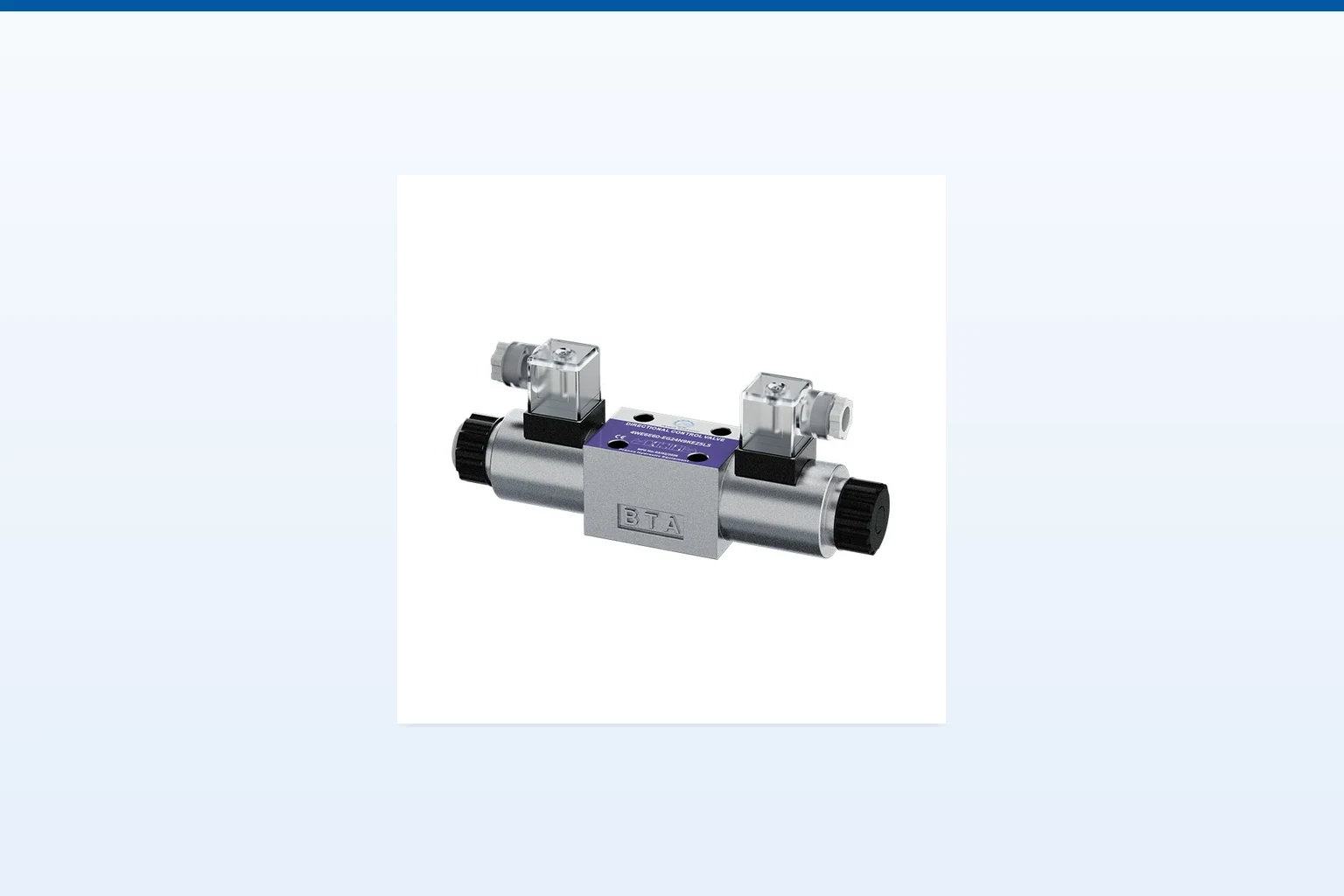
A stuck spool, wrong center condition or missing pilot pressure can produce similar no-motion complaints. Note whether the valve is direct-acting or pilot-operated and whether center behavior matches the schematic.
Part 5. When is replacement review more appropriate than more disassembly?
If the body is damaged, the spool is scored, connectors are burned or the machine downtime plan requires a known-good assembly, collect RFQ data instead of improvising parts. Keep the existing nameplate data.
Part 6. What information makes a troubleshooting RFQ actionable?
Provide symptoms, operating pressure and flow, fluid, electrical data, mounting pattern, nameplate codes, photos and what already tested failed or passed.
- Product-family route: directional valve replacement review after evidence is logged
- Send with quote: symptom log, nameplate and interface photos
- Fit boundary: no interchangeability claim without datasheet match
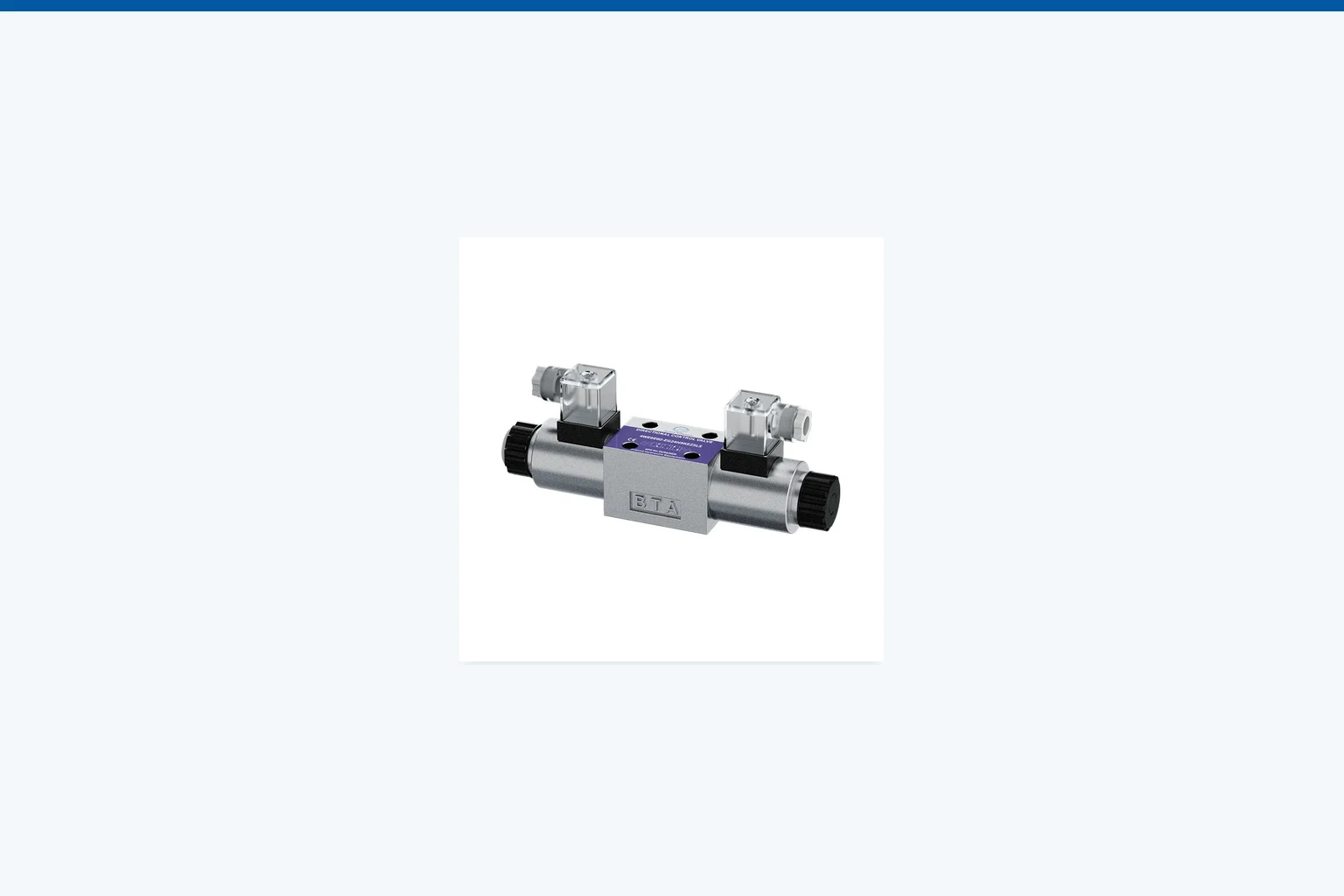
Important: Do not open a pressurized valve or bypass the machine lockout procedure; isolate energy using the approved method before inspection. — Parker basic hydraulic formulas
Use the following related guidance during the review:
For a product-family review, start with the hydraulic valves range, review the directional valve 4WE route when relevant, then submit the full application through the contact page. A model recommendation requires the applicable datasheet and complete operating inputs.
FAQs
What is the first step in directional valve troubleshooting?
Define the symptom and isolate energy using the machine-approved procedure.
Can a bad coil look like a stuck spool?
Yes. Electrical and mechanical causes can share symptoms, so record both.
Should I open the valve before checking supply?
No. Confirm supply, command signal and safety isolation first.
What contamination clues matter?
Sticky shift, scored lands, dirty fluid samples and plugged orifices are relevant observations.
Is a nameplate photo enough for a replacement quote?
It helps, but duty, interfaces and symptoms still need to be stated.
What should be included in a troubleshooting RFQ?
Symptoms, duty data, electrical details, mounting, nameplate data and test results already completed.
References
- Parker basic hydraulic formulas — system pressure and flow context used while isolating valve symptoms.
- Danfoss Series 40 technical information — condition-bound interpretation of component behavior during diagnosis.