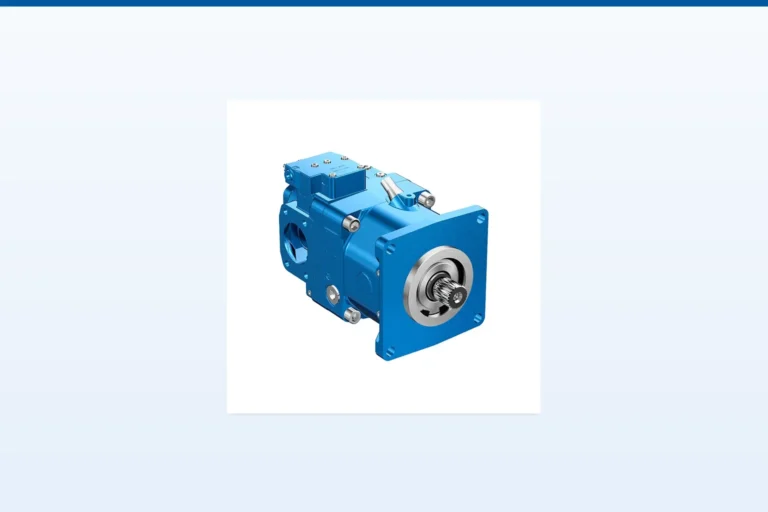
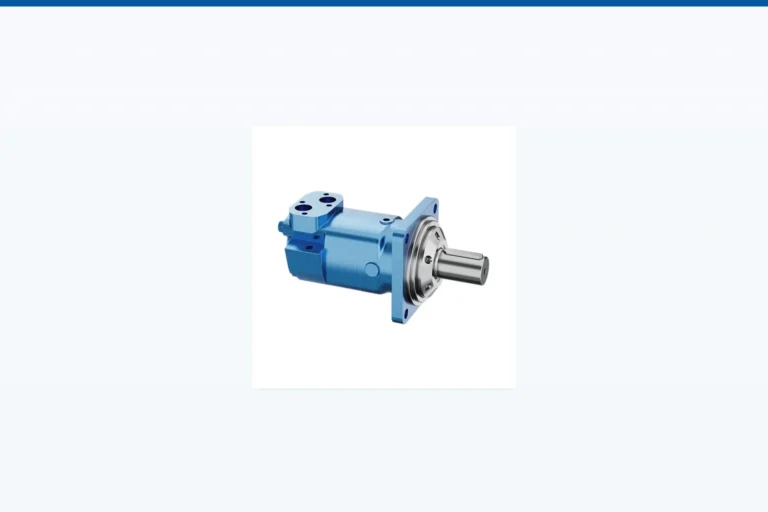
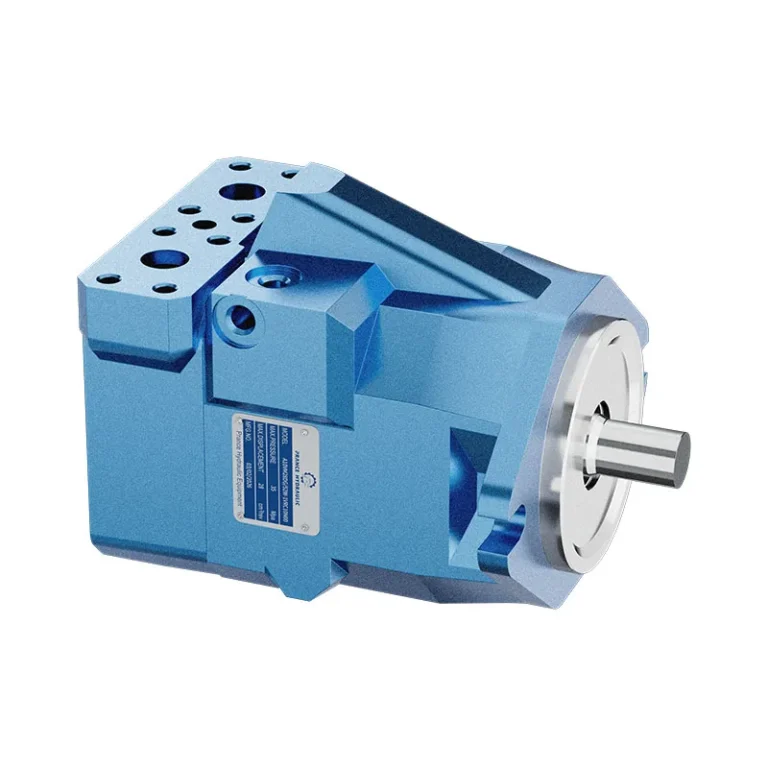
Wenzhou Prance Hydraulic Equipment Co., Ltd

Hydraulic Piston Pump: Types, Selection & Applications
A hydraulic piston pump is a positive-displacement pump that uses reciprocating pistons to move fluid and build pressure for mobile and industrial circuits. If your system runs above roughly 250–300 bar (3,600–4,400 psi), needs variable flow, or powers heavy-duty excavators and presses, a piston pump is usually the right family—gear and vane pumps are simpler, but they cannot match the pressure headroom or control options.
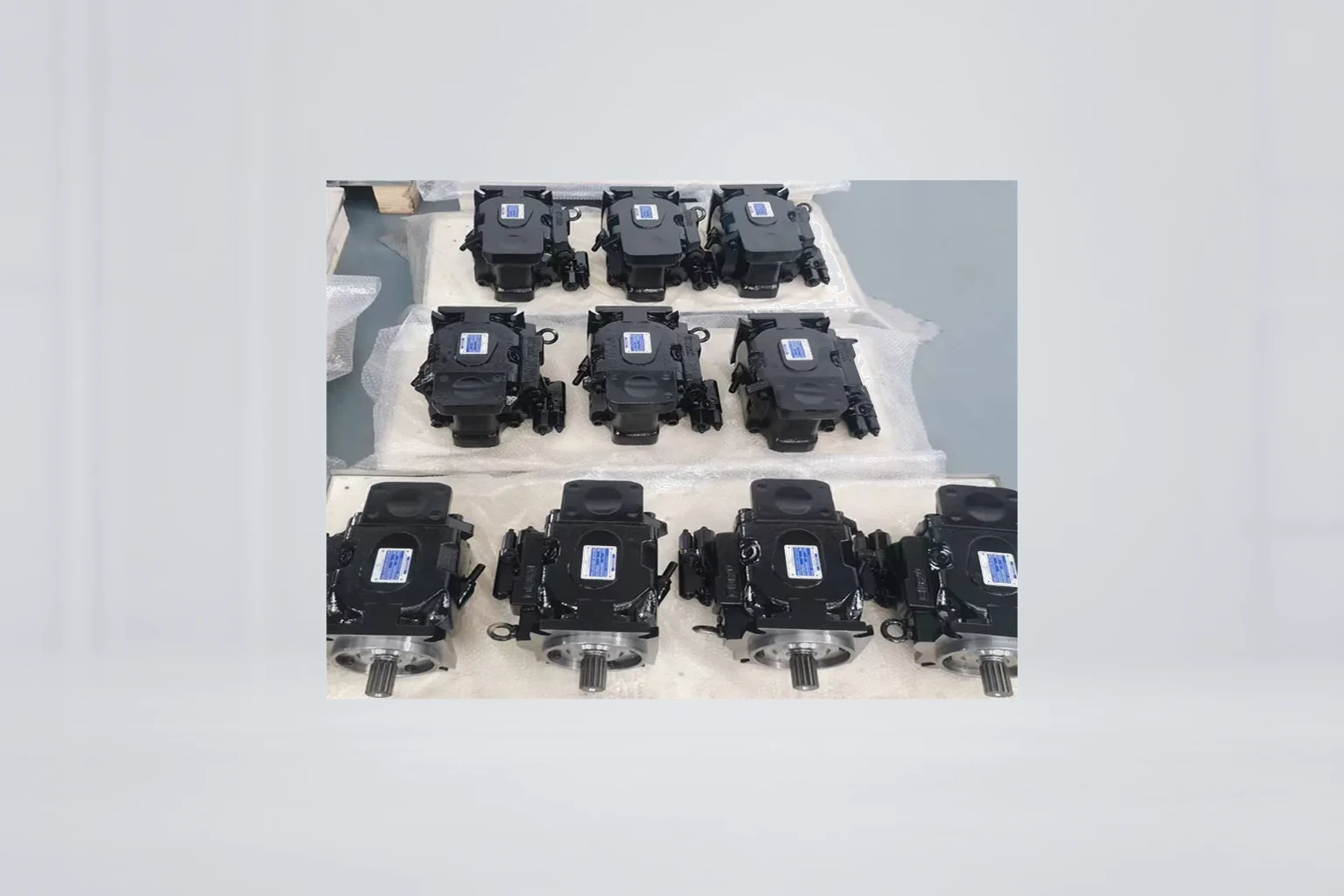
This guide explains how piston pumps work, compares axial and radial designs, shows when to choose fixed or variable displacement, and gives a practical sizing checklist for U.S. equipment buyers and distributors.
Table of Contents
- Part 1. What Is a Hydraulic Piston Pump?
- Part 2. How Does a Hydraulic Piston Pump Work?
- Part 3. What Types of Hydraulic Piston Pumps Exist?
- Part 4. When Should You Choose a Piston Pump Over Gear or Vane?
- Part 5. How Do You Size and Select a Piston Pump?
- Part 6. Which Applications Use Piston Pumps?
- Part 7. What Maintenance Issues Matter Most?
- Part 8. Which Prance Piston Pump Series Fit Common Duties?
- FAQ
- References
Part 1. What Is a Hydraulic Piston Pump?
A hydraulic piston pump converts mechanical shaft power into hydraulic flow by moving a set of pistons inside a rotating cylinder block. Each piston draws fluid on the suction stroke and delivers it on the discharge stroke. Tight piston-to-bore sealing gives low internal leakage, which is why piston pumps dominate high-pressure, continuous-duty systems.
Unlike many gear pumps, most piston pumps used in construction and industrial power units are variable displacement: output per revolution can change while shaft speed stays constant. That helps match flow to load and can reduce heat and energy use in systems with changing demand.
Part 2. How Does a Hydraulic Piston Pump Work?
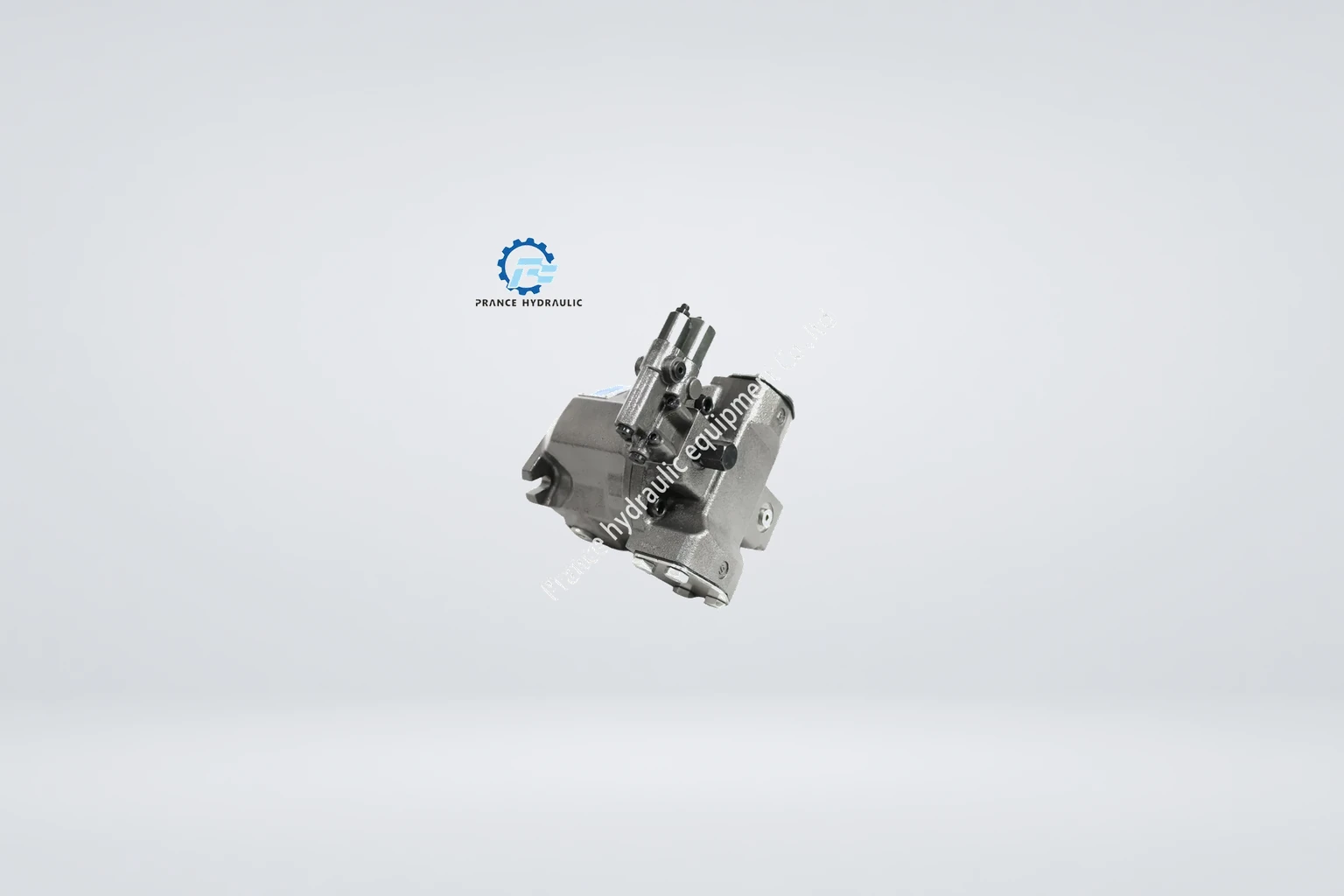
In the most common axial swashplate design, pistons sit parallel to the drive shaft inside a rotating barrel. A tilted swashplate sets piston stroke length:
- At minimum angle, pistons barely reciprocate—flow drops toward zero.
- At maximum angle, stroke and flow are highest.
- A control piston or servo adjusts swashplate angle in response to pressure, load-sensing, or electric input.
A small amount of oil intentionally leaks past pistons to lubricate sliding surfaces. That oil returns through the case drain line to the tank. Rising case-drain temperature or flow often signals internal wear—field teams frequently check this before condemning a “weak” pump.
Tip: Always verify rotation direction (CW/CCW), case drain routing, and control port connections on a new pump install. Reversed rotation or a blocked case drain can destroy a unit within minutes.
Part 3. What Types of Hydraulic Piston Pumps Exist?
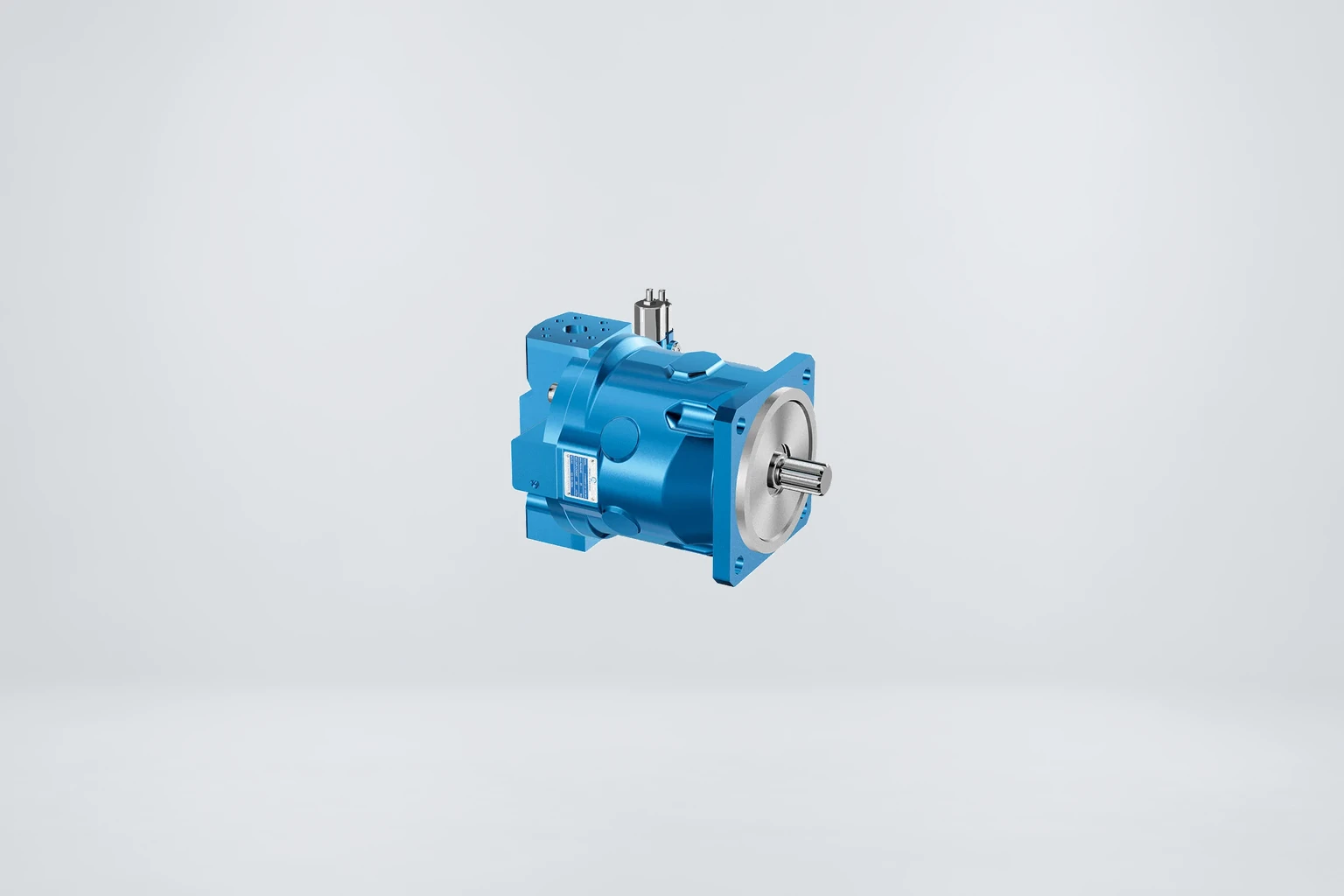
| Type | Typical continuous pressure | Variable displacement? | Best for |
|---|---|---|---|
| Axial swashplate | Up to ~350 bar (peak ~400 bar) | Very common | Excavators, loaders, industrial open-circuit units |
| Axial bent-axis | ~350–420 bar | Mostly fixed; some variable | High-speed drives, high overall efficiency |
| Radial piston | Up to ~700 bar and beyond | Often fixed | Presses, test rigs, ultra-high-pressure tooling |
Fixed displacement piston pumps deliver constant flow per revolution. They cost less to control but need unloading or throttling when demand drops. Variable displacement pumps adjust flow to demand and are standard on modern mobile machinery main pumps.
Part 4. When Should You Choose a Piston Pump Over Gear or Vane?
| Pump family | Typical pressure range | Relative cost | Contamination tolerance |
|---|---|---|---|
| External gear | Up to ~250 bar (peak ~300 bar) | Lowest | Highest |
| Vane | ~250–280 bar | Medium | Medium |
| Piston (axial/radial) | Above ~250–300 bar; radial for 700 bar+ | Highest | Lowest—needs clean oil |
Use a piston pump when:
- Continuous working pressure exceeds ~280 bar (4,000 psi).
- You need variable flow with good efficiency on a changing load.
- Power density and compact packaging matter on mobile equipment.
- Long duty cycles would overheat a fixed-displacement gear pump throttled at relief pressure.
Important: Do not oversize into piston pressure class for a low-pressure, steady-flow circuit—a gear or vane pump is often cheaper and more forgiving of fluid cleanliness.
Part 5. How Do You Size and Select a Piston Pump?
Start with system requirements, then match pump displacement and speed to required flow, and rated pressure to working pressure with margin.
- Define maximum working pressure (including spikes). Many engineers target 10–20% margin above expected continuous pressure.
- Calculate required flow at operating speed: Q ≈ displacement (cm³/rev) × speed (rpm) / 1000 = L/min (approximate).
- Check input power at worst-case Δp and flow; size prime mover accordingly.
- Choose fixed vs variable—variable for load-varying mobile/industrial circuits; fixed for simple constant-flow power units.
- Confirm interface—shaft, mounting flange, port size, rotation, control type (pressure compensator, load-sensing, electric proportional).
- Plan fluid cleanliness—piston pumps need fine filtration; target ISO 4406 classes per pump manufacturer datasheet.
Tip: Request a duty-cycle summary (pressure × time, average vs peak flow) when quoting. Two applications with the same peak flow can need very different displacement and control strategies.
From the field: “Before you condemn the main pump, check suction air leaks, pilot lines, relief valves, and case-drain flow—pressure that stays low with a quiet new pump is often a control or circuit issue, not worn pistons.” — adapted from excavator troubleshooting threads on Heavy Equipment Forums.
Part 6. Which Applications Use Piston Pumps?
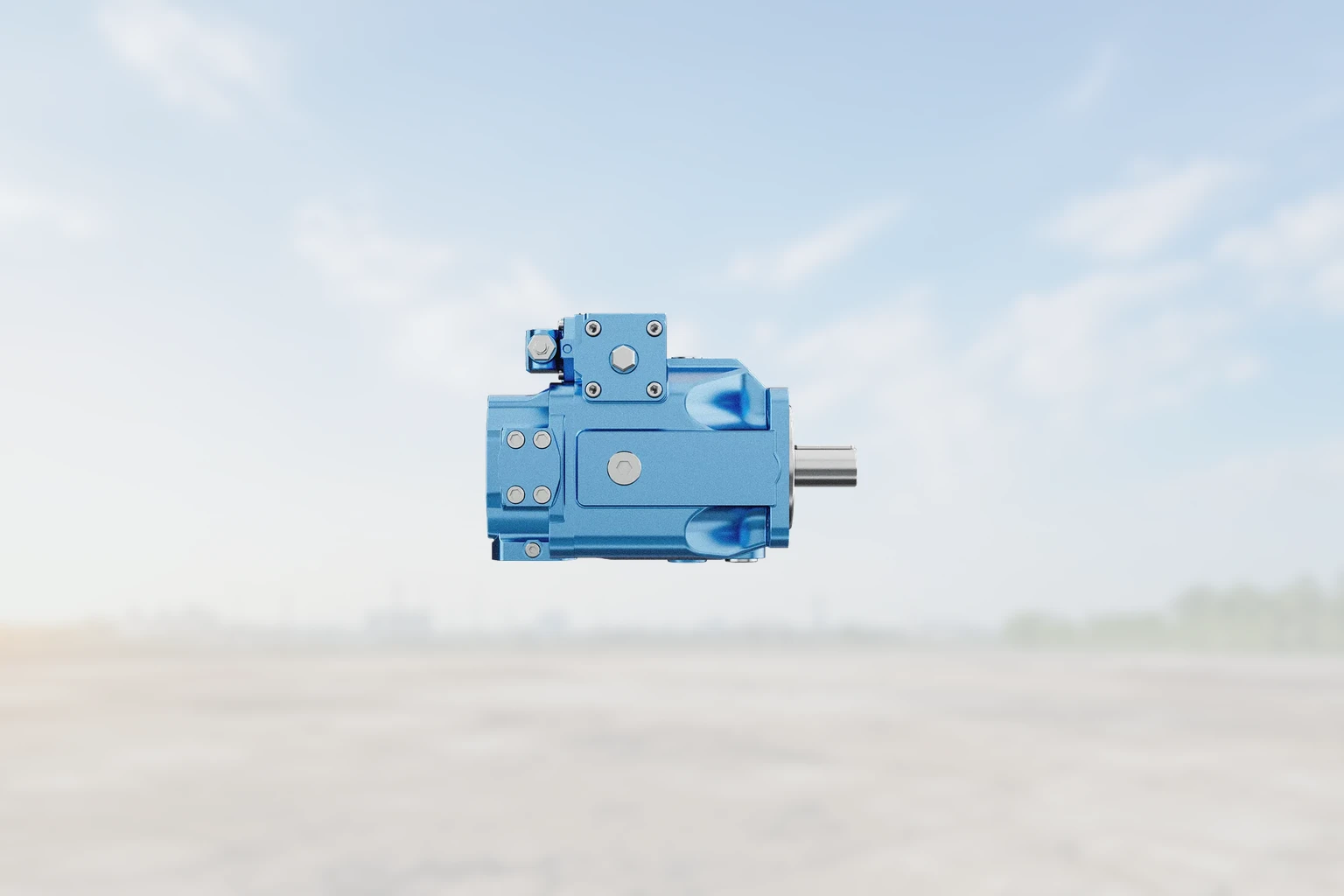
Piston pumps appear wherever high pressure and controlled flow overlap:
- Construction and mining — main pumps on excavators, wheel loaders, and drill rigs (see also our guides on excavator hydraulic pumps and mobile hydraulic pumps).
- Industrial metal forming and presses — high force with stable pressure control.
- Plastic injection and machine tools — precise, repeatable motion with variable flow.
- Agricultural and material-handling equipment — when duty cycles demand higher pressure than gear pumps comfortably provide.
Part 7. What Maintenance Issues Matter Most?
- Fluid cleanliness — contamination causes scoring on valve plates and pistons; change filters per schedule and sample oil periodically.
- Case drain monitoring — elevated case-drain flow at operating temperature indicates internal leakage and worn rotating groups.
- Heat management — sustained operation near relief pressure heats oil and accelerates wear; variable pumps help but cannot fix undersized cooling.
- Seal and hose integrity — suction-side air ingestion causes cavitation noise and pressure collapse.
Tip: Log case-drain flow at install baseline and compare at major service intervals. Trending increases beat single-point guesses when planning rebuild vs replace.
Part 8. Which Prance Piston Pump Series Fit Common Duties?
Prance Hydraulic supplies open-circuit axial piston pumps for medium- and high-pressure mobile and industrial drives. Two common starting points:
| Series | Design | Highlights (from product data) | Typical use |
|---|---|---|---|
| A10VSO variable displacement piston pump | Axial swashplate, open circuit | Displacements 18–140 cm³/rev; flow proportional to speed and swashplate angle; table data at Δp = 280 bar | Medium-duty mobile and industrial variable-flow systems |
| A4VSO variable displacement piston pump | Axial swashplate, open circuit | Max pressure 420 bar; displacements 40–1000 cm³/rev; multiple control options (DR, DFR, etc.) | Heavy-duty, high-pressure applications needing larger displacement |
Manufacturing follows ISO-certified processes with published technical tables and PDF downloads on product pages. For a quote, share target pressure, flow, speed range, control type, and mounting constraints through our contact form.
Related on this site: Upcoming cluster guides will cover axial piston pumps, variable displacement selection, high-pressure duty, and open-loop variable pumps in more detail—this page is the pillar overview for the Piston Pump topic cluster.
FAQ
What is a hydraulic piston pump?
It is a positive-displacement pump that uses pistons in a rotating cylinder block to move hydraulic fluid and generate pressure for actuators, motors, and other components.
How does a hydraulic piston pump work?
Shaft rotation drives pistons through suction and discharge phases. In axial swashplate pumps, a tilted plate sets piston stroke and therefore flow per revolution.
What are the main types of hydraulic piston pumps?
The three common branches are axial swashplate, axial bent-axis, and radial piston. Axial variable pumps dominate mobile equipment; radial designs serve ultra-high-pressure industrial circuits.
When should I use a piston pump instead of a gear pump?
When continuous pressure typically exceeds about 250–280 bar, when you need variable displacement efficiency, or when the duty cycle demands power density gear pumps cannot sustain.
What is variable displacement?
The pump changes delivered volume per revolution—usually by adjusting swashplate angle—so flow matches load without excessive throttling or heat.
What pressure can hydraulic piston pumps reach?
Axial designs commonly operate in the 280–420 bar range depending on series; specialized radial pumps can exceed 700 bar in industrial applications.
How do I size a piston pump?
Match rated pressure to system pressure with margin, calculate flow from displacement × speed, verify input power, and confirm mounting, rotation, ports, and control type.
Why is oil cleanliness critical for piston pumps?
Close clearances mean particles quickly score valve plates and pistons, raising case-drain leakage and reducing volumetric efficiency.
What does high case-drain flow mean?
It usually indicates internal leakage from worn pistons, slippers, or the valve plate—common diagnostic step before ordering a rebuild or replacement.
Are open-circuit variable piston pumps suitable for excavators?
Yes. Open-circuit axial variable pumps are the standard main-pump architecture on modern excavators and many other mobile machines.
References
- Fluid Power World — A designer’s guide to hydraulic pumps
- SpecForge — Hydraulic pump types, specs, and selection
- Hydraulics Online — About hydraulic pumps: the ultimate guide
- Prance Hydraulic — A10VSO variable displacement piston pump (product specifications)
- Prance Hydraulic — A4VSO variable displacement piston pump (product specifications)
Get a Free Quote — Send pressure, flow, displacement, and application details for A10VSO/A4VSO selection support.