Wenzhou Prance Hydraulic Equipment Co., Ltd

How do you choose between a manual and a solenoid hydraulic valve?
Manual versus solenoid hydraulic valve selection is an operator-and-control decision before it is a catalog-code decision. Document who shifts the valve, from where, and under which electrical or access constraints, then route the inquiry.
Part 1. What job is the valve operator actually doing?
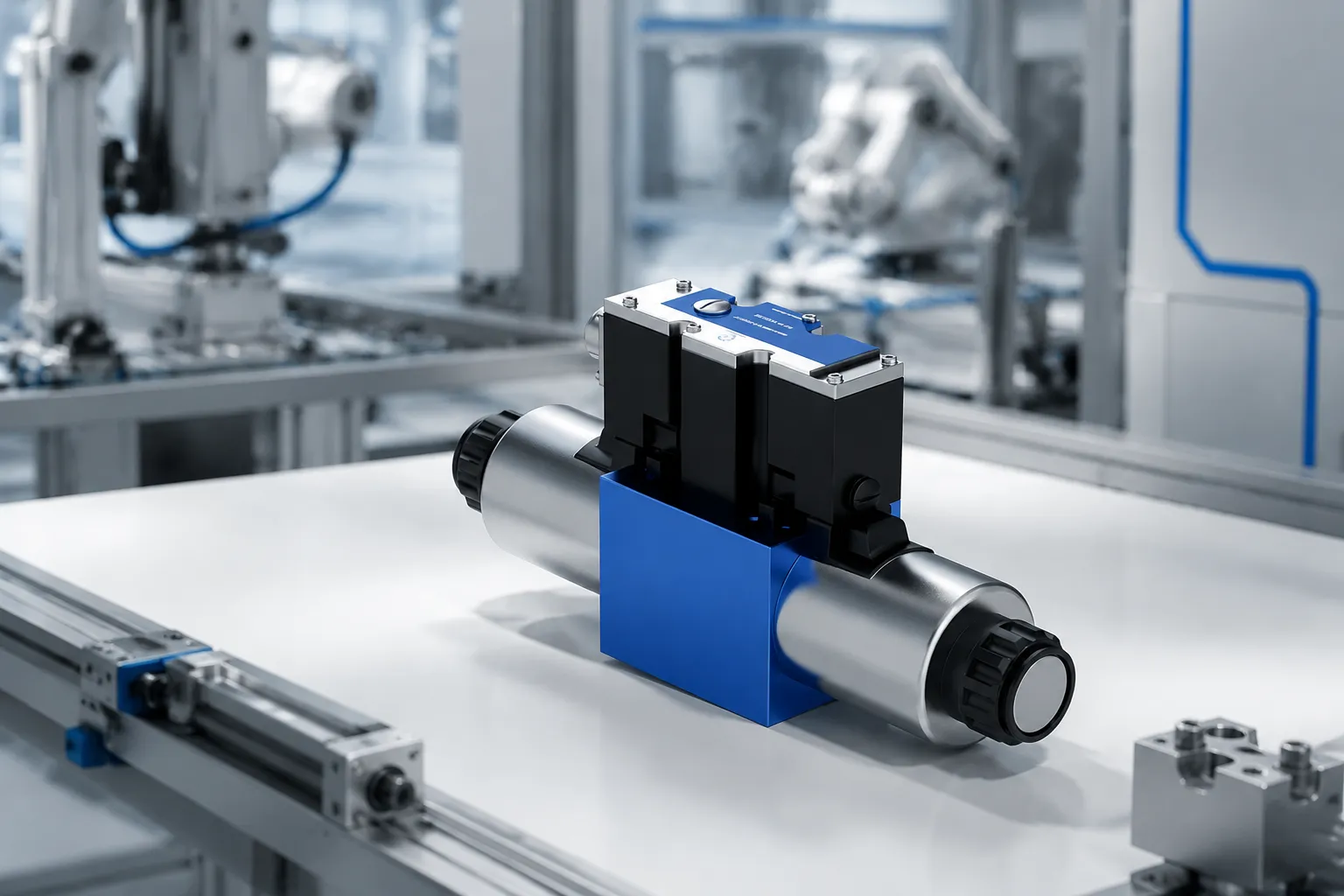
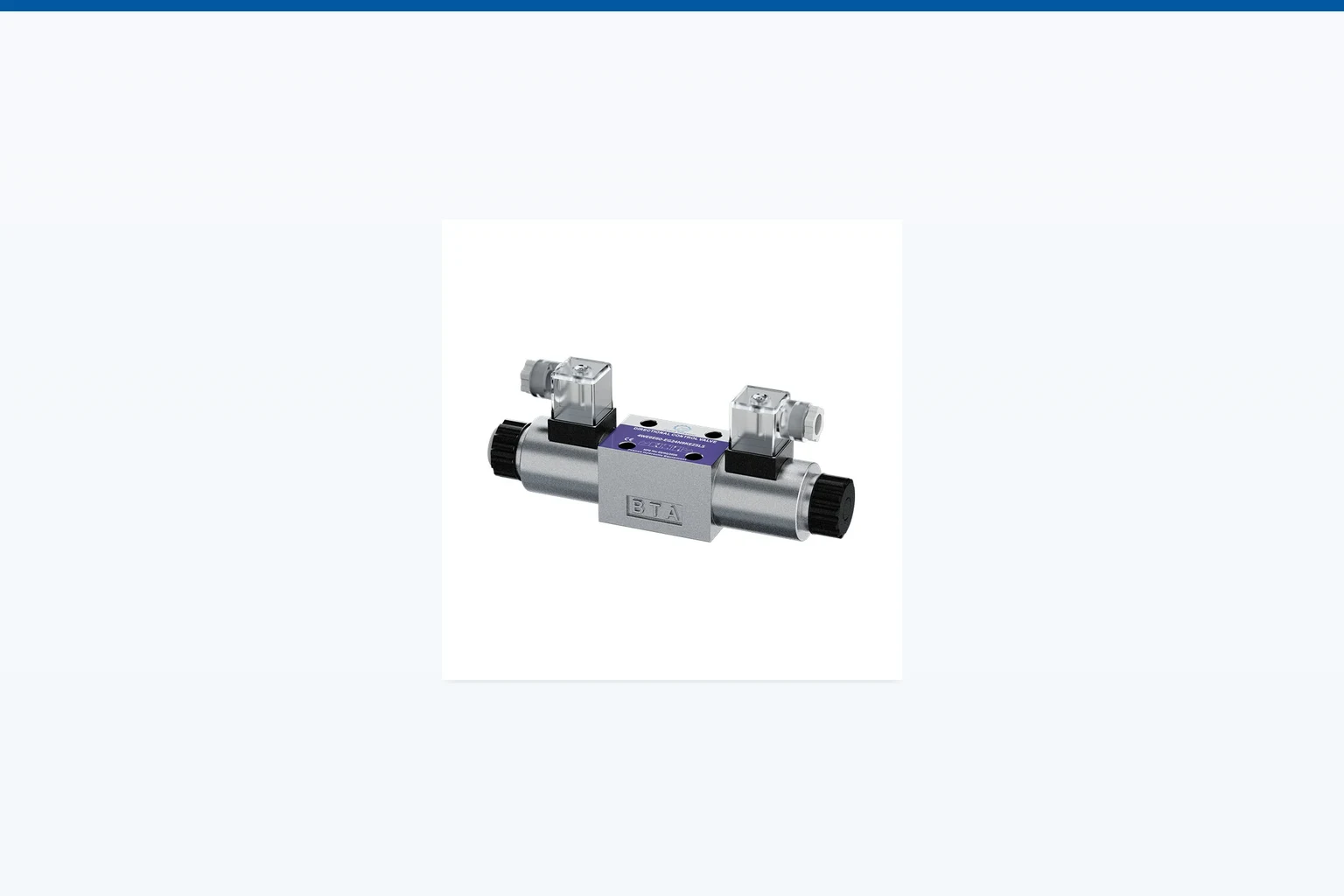
The operator converts a human or electrical command into valve shift. Manual levers suit local control and simple stations. Solenoids suit remote panels, PLC logic and repeated automatic cycles.
Part 2. Which plant or machine constraints decide first?
Ask whether an operator can reach the valve safely, whether the machine must sequence automatically, and whether an electrical supply is already defined. Hazardous access, cab control and maintenance overrides often change the answer.
Part 3. How should electrical and override details be captured?
| Item | Why it matters | Send with quote |
|---|---|---|
| Voltage / frequency or DC rating | Coil and connector matching | Yes |
| Single or double solenoid need | Holding and center behavior | Yes |
| Manual override requirement | Commissioning and fault recovery | Yes |
| Connector and cable route | Installation fit | Yes |
List holding versus spring-return expectations with the operator choice so center behavior is not left ambiguous.
Part 4. When does a hybrid arrangement belong on the RFQ?
Some machines need solenoid control for production and a manual override for setup or rescue. State that as a requirement instead of assuming every solenoid valve includes the override you expect.
Part 5. Which selection mistakes create field issues later?
Ordering the wrong voltage, omitting connector type, ignoring duty cycle on the coil, or choosing manual control where the operator cannot stand safely are frequent gaps. Another gap is forgetting spool center condition when changing operator style.
Part 6. What product-route data should accompany the inquiry?
Include operator preference, electrical data, override needs, flow, pressure, fluid, mounting and documentation needs.
- Product-family route: directional valve family after operator inputs are complete
- Send with quote: voltage, solenoid arrangement, override and duty notes
- Fit boundary: coil and lever options are configuration-specific
Important: Do not assume voltage, override or connector details from a similar-looking valve; confirm the operator configuration in the datasheet. — Parker basic hydraulic formulas
Use the following related guidance during the review:
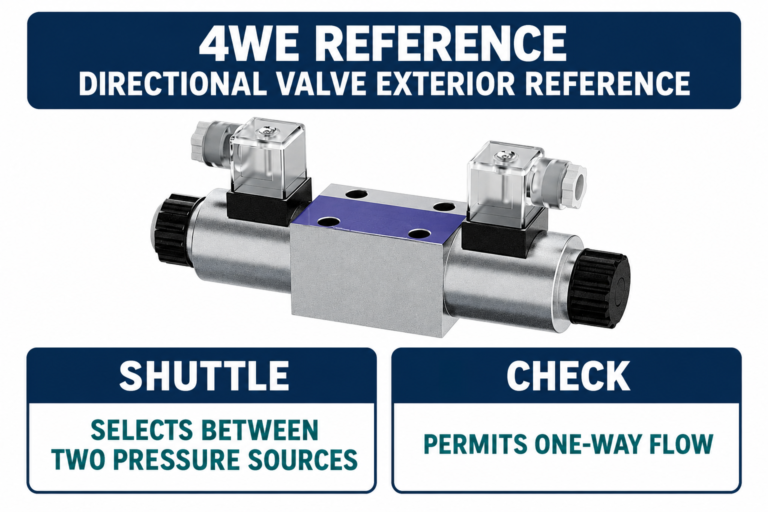
For a product-family review, start with the hydraulic valves range, review the directional valve 4WE route when relevant, then submit the full application through the contact page. A model recommendation requires the applicable datasheet and complete operating inputs.
FAQs
When is a manual hydraulic valve appropriate?
When local human control is acceptable and remote or automatic sequencing is not required.
When is a solenoid valve the better starting point?
When the machine needs remote, repeated or logic-driven shifting with a defined electrical supply.
Do solenoid valves always include manual override?
Not necessarily. Treat override as a stated requirement and confirm it in the model documentation.
Why does voltage belong in the RFQ?
Coil rating and connector details must match the available electrical system.
Can operator type be chosen after spool selection?
They should be reviewed together because center condition and holding behavior interact with the operator.
What should a buyer provide?
Operator type, electrical data, override needs, flow, pressure, fluid and mounting details.
References
- Parker basic hydraulic formulas — basic duty relationships that still apply when choosing valve operators.
- Danfoss Series 40 technical information — specified-condition thinking that also applies to operator interface limits.