Wenzhou Prance Hydraulic Equipment Co., Ltd

How should buyers match pumps, motors and valves on a small loader hydraulic system?
Small loader hydraulic system selection fails when the pump is chosen in isolation from travel motors and implement valves. Match pumps, motors and valves to one shared duty worksheet so steering priority, loader work circuits and travel demands stay consistent before the RFQ goes out.

Part 1. Why is a small loader hydraulic system multi-circuit?
A compact loader usually combines travel, steering and implement hydraulics in a tight envelope with limited cooling capacity. That means simultaneous flow demand, priority logic and heat rejection are first-class selection inputs, not afterthoughts.
Clarify the machine architecture in plain language: skid-steer style, articulated compact loader, or wheeled loader in the small frame class. Travel may be hydrostatic with dedicated pumps, or it may share a gear-pump open circuit with work functions. Those architectures change which pump families even belong on the shortlist.
List the implement set: boom, bucket, auxiliary high-flow, grapple or attachments that need continuous flow. Attachments often break an otherwise adequate main pump selection because continuous auxiliary flow overlaps with travel or steering.
Write the operator expectation: whether fine metering at the joystick matters more than raw cycle speed, and whether the machine must hold implements on slopes. Those notes guide valve center conditions and whether load-sense or simple open-center banks are even relevant to discuss.
Part 2. Which pump matching inputs belong on the first worksheet?
Pump matching starts with available engine speed at the working RPM band, not only rated engine horsepower. Displacement chosen at a speed the operator never uses in the work range will miss flow targets.
Separate continuous implement flow from peak combined flow when boom, bucket and auxiliary run together. If the loader uses a priority valve for steering, state the reserved steering flow so the remaining work flow is honest.
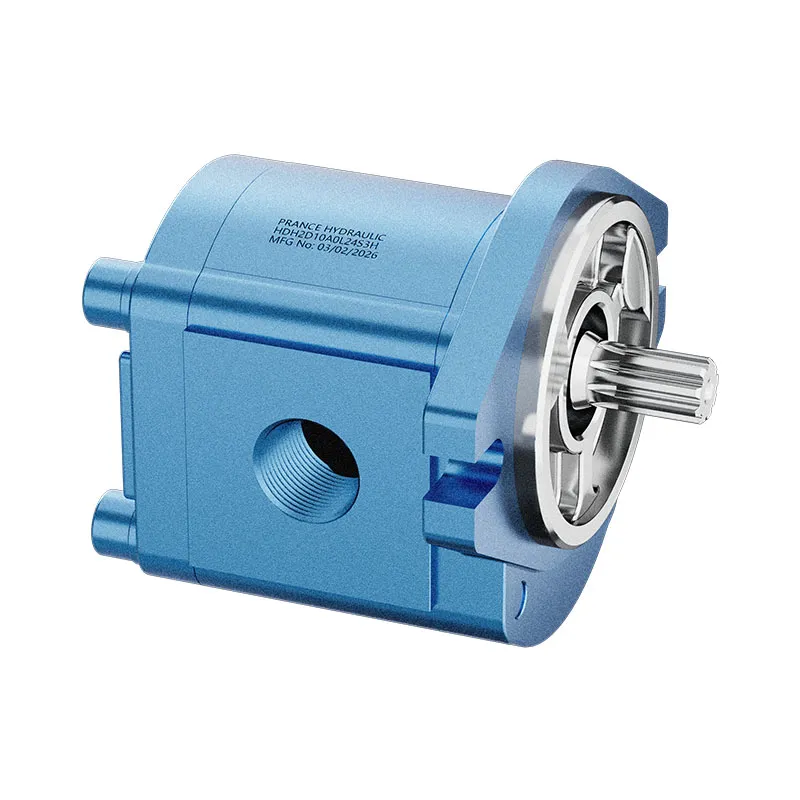
Decide early whether fixed gear pumps, tandem pumps or a variable open-loop piston pump are under review. Variable pumps can reduce relief losses on varying implement duty, but only when control type, compensator settings and inlet conditions are documented. Gear pumps remain common on smaller frames when cost, robustness and simple service dominate.
Capture suction line reality: tank height, strainer location, hose length and whether the loader tips enough during operation to uncover the suction strainer. Small loaders with compact tanks are sensitive to inlet problems that show up as noise and lost power under hot oil conditions.
Part 3. How should system demands be tabulated for a quotation package?
Put travel, steering and implements on one table so nobody sizes the pump from bucket cycle time alone.
| System circuit | Duty detail to capture | Send with quote |
|---|---|---|
| Implement main | Boom/bucket continuous and peak flow, pressure | Yes |
| Auxiliary attachment | Continuous flow need, max pressure, coupler size | Yes |
| Steering / priority | Reserved flow, priority method, pressure | Yes |
| Travel motors | Torque, speed range, series/parallel mode if any | Yes |
| Valve bank map | Sections, spool types, joystick or solenoid control | Yes |
| Cooling and fluid | Fluid type, expected oil temperature band, cooler present | Yes |
Under the table, note whether travel is closed-loop hydrostatic or open-circuit motor drive, and whether the loader ever needs two-speed travel. Those sentences change motor displacement strategy and pump count.
Mark unknown fields explicitly. Attachment high-flow kits are often added after the base machine ships; if that path is planned, say so now so pump and valve margins are reviewed instead of assumed.
Part 4. How should travel motors and implement valves be matched to the pump?
Travel motors set a large share of continuous flow on many small loaders. Record whether motors operate in series or parallel, the required tractive effort narrative in duty terms (not marketing claims), and case-drain routing. Orbit motors are common on compact machines; larger torque needs may push radial-piston reviews. Present the torque-speed envelope and compare families with documentation rather than habit.
Implement valves must be mapped section by section: boom, bucket, aux, and any float or regenerative features. Joystick pilot pressure or electrohydraulic control changes end plates and plumbing. If the operator needs simultaneous boom and bucket metering, say so; that affects spool choice and whether a simple on/off solenoid bank is insufficient.
Match valve inlet rating to the pump flow that actually arrives after steering priority. Oversizing the pump while underspecifying the inlet section creates heat and noise even when the cylinders seem fast enough on paper.
Keep electrical and hydraulic matching together. Solenoid voltage, proportional joystick signals and any ride-control or lockout logic belong in the same package as spool descriptions.
Part 5. Which fluid, heat and contamination checks often decide real-world fitness?
Small loaders work in dusty yards, farms and construction sites. Filtration strategy, breather quality and cylinder rod wiper condition affect valve sticktion and pump wear more than buyers expect from a clean schematic.
Oil temperature band matters because compact frames may lack generous coolers. If the machine will idle with relief flow during attachment use, heat can climb quickly with a fixed pump. That is an engineering reason to revisit variable displacement or tandem strategies, not a performance promise.
Fluid type and viscosity grade must be stated for cold starts and hot afternoon duty. A pump that starts poorly in winter or cavitates when oil thins in summer is not matched, regardless of displacement math.
Service access closes the practical review: can filters, the valve bank and the pump coupling be reached without tearing down the cab? A theoretically correct layout that cannot be serviced will generate field complaints that look like product quality issues.
Part 6. What verification package should accompany the small-loader RFQ?
Send a system package, not three disconnected component emails:
- Completed system circuit table with Send-with-quote fields
- Engine working RPM band and available power at that band
- Travel architecture note (hydrostatic versus open circuit) and motor duty
- Valve section map with control interface
- Fluid, cooler and filtration notes
- Envelope photos of the pump bay and valve location when space is limited
- Attachment roadmap if high-flow aux is expected later
Product-family route: begin with open-loop variable piston pump review when implement flow varies and heat from relief dumping is a concern; keep gear-pump options in view when the duty is simple and documented as such. Valve and motor families are reviewed against the same table.
- Product-family route: open-loop variable displacement piston pump PAVC after system inputs are complete; coordinate valve and motor reviews from the same worksheet
- Send with quote: system circuit table, RPM band and valve section map
- Fit boundary: cycle time, fuel use and tractive effort claims need machine-level evidence beyond component datasheets
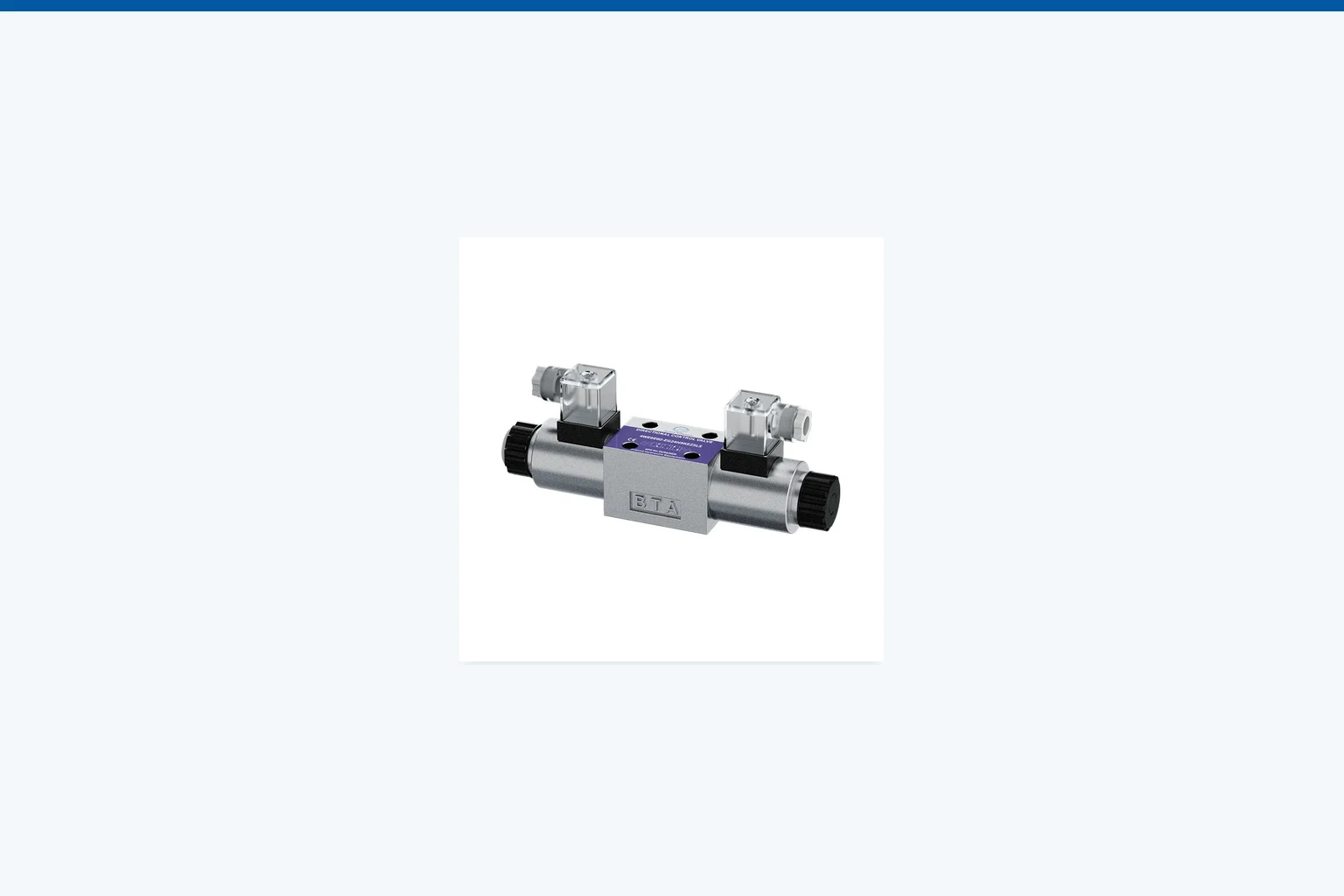
Important: Do not size a small-loader pump from bucket cycle marketing alone; confirm implement, steering and travel duties against the model datasheet before release. — Parker basic hydraulic formulas
Use the following related guidance during the review:
For a product-family review, start with the hydraulic pumps range, review the open-loop variable displacement piston pump PAVC route when relevant, then submit the full application through the contact page. A model recommendation requires the applicable datasheet and complete operating inputs.
FAQs
What is the core task in small loader hydraulic system selection?
Matching pump flow and control strategy to implement, steering and travel demands on one shared worksheet.
Why separate steering flow from implement flow?
Priority steering reserves flow that is no longer available for boom, bucket or auxiliary attachments.
Do travel motors affect pump choice on a small loader?
Yes. Travel architecture and motor duty often dominate continuous flow and heat load.
When should a variable pump be reviewed instead of a fixed gear pump?
When implement demand varies and continuous relief dumping would create unacceptable heat or energy waste; confirm with model data.
What valve details belong in the RFQ?
Section map, spool or center needs, simultaneous operation expectations and joystick or solenoid interfaces.
What should a buyer provide with the quote request?
The system circuit table, engine RPM band, travel note, valve map, fluid data and envelope constraints.
References
- Parker basic hydraulic formulas — flow, pressure and power relationships used when matching loader pump and work circuits.
- Danfoss Series 40 technical information — displacement, speed and condition notes for compact loader travel and implement drives.