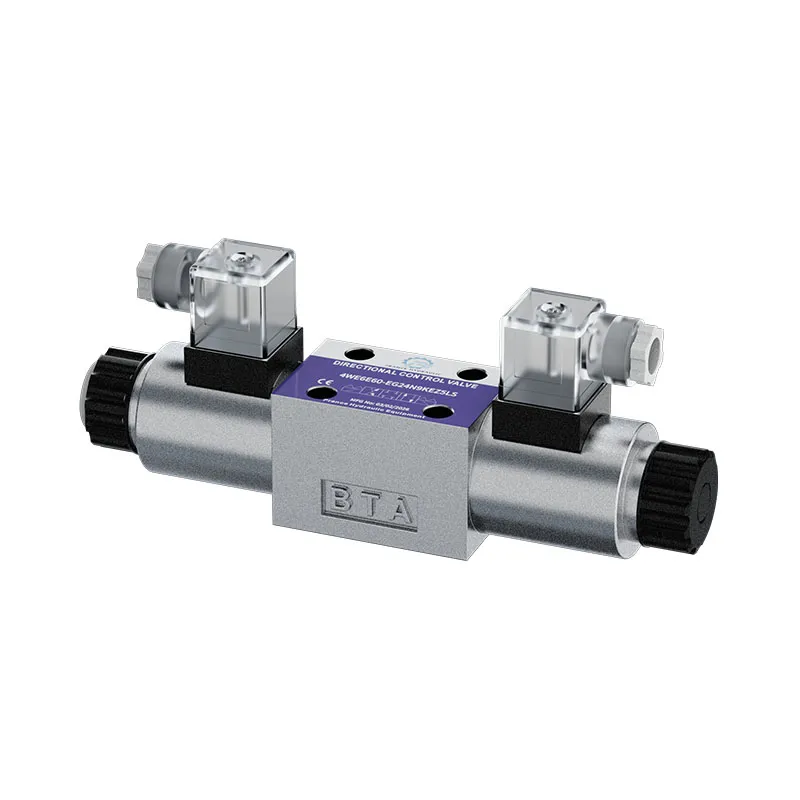
Wenzhou Prance Hydraulic Equipment Co., Ltd

What is the function of a hydraulic pump for servo system?
A hydraulic pump is an essential part of a servo system, providing the driving force that ensures the system’s efficiency, accuracy, and performance. In its simplest terms, a hydraulic pump for servo system converts mechanical energy into hydraulic energy by moving hydraulic fluid through the system. This flow of pressurized fluid is then used to operate actuators and other components, resulting in precise and powerful operations. Whether in industrial machinery, robotics, or automotive systems, the significance of hydraulic pumps cannot be overstated. In this comprehensive article, we will delve into the function of hydraulic pumps within servo systems, the various types available, their application areas, and their numerous advantages, providing a full understanding for anyone with an interest in this technology.
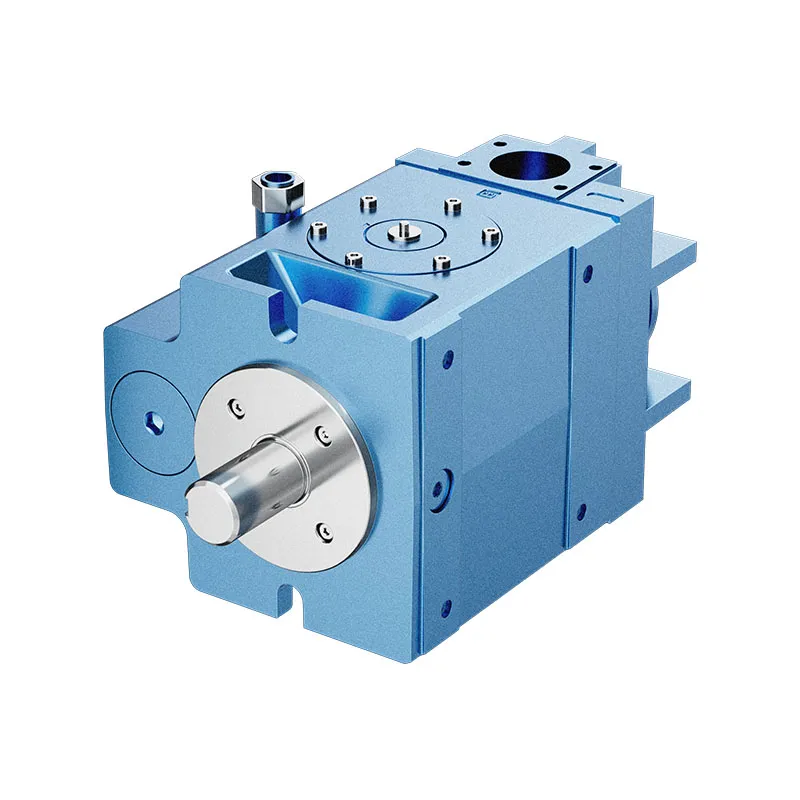
The Primary Function of a Hydraulic Pump in a Servo System
When discussing the function of a hydraulic pump for a servo system, the primary focus is on its ability to generate and regulate fluid flow at precise pressures. This functionality is critical for the operation of servo systems, which depend on accurate and responsive movement. The hydraulic pump supplies the energy required to move hydraulic fluid through pipes, enabling actuators and cylinders to perform their tasks. Servo systems are dependent on control signals, and the hydraulic pump works in sync with these signals to adjust the fluid flow and pressure according to the requirements of the operation. This intricate relationship allows servo systems to achieve high precision, fast responsiveness, and repeatable accuracy.
For instance, in a CNC machine or a robotic arm, the servo system relies heavily on the hydraulic pump to initiate precise and controlled movements. Without the pump delivering the right amount of hydraulic pressure at the exact moment, the system would struggle to achieve the desired level of accuracy.
Different Types of Hydraulic Pumps for Servo Systems
The type of hydraulic pump chosen has a significant impact on the performance and efficiency of a servo system. Understanding the options available can help in selecting the right pump for a specific application. Below are the major types of hydraulic pumps commonly employed in servo systems:
Gear Pumps: These are one of the most widely used types of hydraulic pumps due to their simplicity, reliability, and cost-effectiveness. They are ideal for systems that require a constant flow of hydraulic fluid over time. However, they may not be as efficient for applications that demand variable flow rates.
Vane Pumps: Vane pumps are known for their ability to handle variable flow and pressure requirements. They are suitable for servo systems that require precise adjustments based on dynamic control signals. Their design allows for smooth operation and relatively quiet performance compared to other types.
Piston Pumps: These are highly efficient pumps that excel in applications requiring high pressures and exceptional control. Piston pumps are commonly used in advanced industrial and aerospace technologies, where precision and performance are paramount.
Each of these types has its strengths and ideal use cases, but in servo systems, the choice will largely depend on the specific requirements, such as pressure range, efficiency, system design, and operating conditions.
The Role of a Servo Pump
A servo pump is the heart of any servo system, acting as the dynamic enabler for fluid flow and pressure control. It performs the crucial task of responding to feedback from the servo controller, which continuously monitors the system’s performance. When a change in motion or force is required, the servo pump adjusts in real-time to supply the necessary hydraulic power. This allows for seamless operations and the ability to handle even complex and dynamic tasks with ease.
In industrial settings, servo pumps help optimize energy consumption by only operating when hydraulic power is needed. This “on-demand” operation reduces waste, improves efficiency, and minimizes wear and tear. In robotics, the servo pump ensures swift, precise movements, making it indispensable for applications like pick-and-place operations, welding robots, and material handling arms.
Advantages of Using Hydraulic Pumps in Servo Systems
The use of hydraulic pumps in servo systems unlocks a wide range of benefits compared to purely mechanical or electrical alternatives:
High Power Density: Hydraulic pumps deliver a high amount of power in relation to their size and weight. This makes them ideal for applications requiring powerful yet compact systems, such as mobile machinery or aerospace equipment.
Energy Efficiency: Modern systems can optimize the operation of hydraulic pumps by using variable-speed motor technology, reducing energy consumption by supplying power exactly when needed.
Enhanced Precision: The ability to control fluid flow and pressure with high accuracy allows servo systems to achieve extremely fine control, which is critical in applications like medical devices, robotics, and other precision-demanding fields.
Durability and Reliability: The mechanical simplicity and rugged construction of hydraulic pumps make them reliable and long-lasting, even in demanding environments.
Common Applications of Hydraulic Pumps in Servo Systems
Hydraulic pumps are used across a spectrum of industries and applications, thanks to their power, versatility, and precision. Some key areas where hydraulic pumps for servo systems are indispensable include:
1. Manufacturing and Industrial Automation: Hydraulic pumps help control machinery like presses, conveyor systems, injection molding machines, and assembly lines in manufacturing settings, ensuring fast and accurate operations.
2. Aerospace: In aviation and aerospace, hydraulic pumps are used for landing gear systems, flight control surfaces, and braking systems, where safety and precision are critical.
3. Automotive Industry: Servo systems powered by hydraulic pumps are essential for power steering, brakes, and automated assembly processes in the automotive sector.
4. Marine Industry: Ships rely on hydraulic pumps for steering, stabilizing mechanisms, and handling heavy cargo.
5. Robotics: Advanced robotic systems use hydraulic pumps for applications where high power and precision are required, such as in automotive manufacturing or surgical robotics.
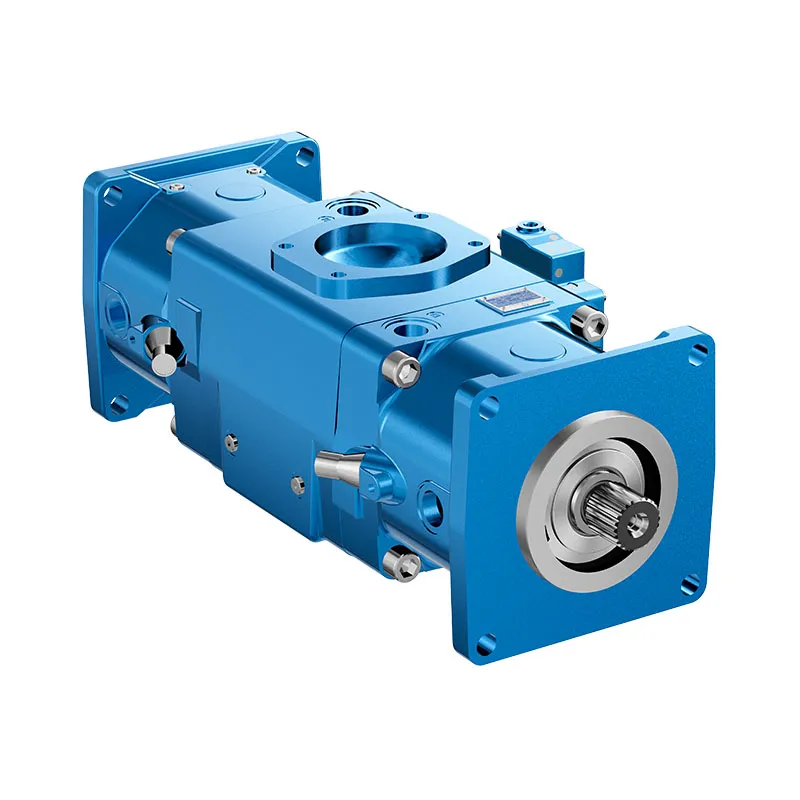
Frequently Asked Questions
What is a Hydraulic pump for a servo system?
A hydraulic pump for a servo system is a key component used to generate hydraulic energy by creating flow and pressure in a hydraulic circuit. This energy powers actuators, allowing for high-precision operations.
What are the application areas of a hydraulic pump for a servo system?
Hydraulic pumps for servo systems are widely used in manufacturing, aerospace, automotive, marine, construction, and healthcare industries. Their ability to provide power with precision makes them indispensable for various complex systems.
What is the function of a hydraulic pump for a servo system?
The main function is to inject hydraulic energy into the system, enabling precise and controlled movements of actuators through fluid flow and pressure regulation.
To sum up, a hydraulic pump for servo system is an essential component responsible for delivering the power and control that servo systems require. From CNC machines to robotic arms and beyond, these pumps play a vital role in ensuring precision, speed, and energy efficiency. By understanding the various types of pumps and their specific functions, industries can better leverage this technology to improve overall operational performance. As industrial and automation technologies evolve, hydraulic pumps will continue to be at the forefront of powering innovative solutions and driving progress. If you’re considering implementing or upgrading a servo system, choosing the right hydraulic pump is a step towards optimal efficiency and system longevity.