Wenzhou Prance Hydraulic Equipment Co., Ltd.

Hydraulic Valve Seal Materials: NBR, FKM, and EPDM Compatibility
How to select hydraulic valve seal materials
Hydraulic valve seal material selection begins with the exact fluid, temperature conditions, seal location and valve configuration. NBR, FKM and EPDM are material families, not interchangeable promises of compatibility. Obtain the approved compound and seal specification for the selected assembly before ordering or servicing it. A generic label such as hydraulic oil or high-temperature rubber is insufficient. Also check the gland, dimensions, hardness and installation requirements: chemical suitability alone does not establish a functioning seal. When a fluid or configuration changes, ask for a new compatibility review rather than assuming that the existing seal choice remains valid. This approach supports purchasing decisions without inventing a universal valve specification.
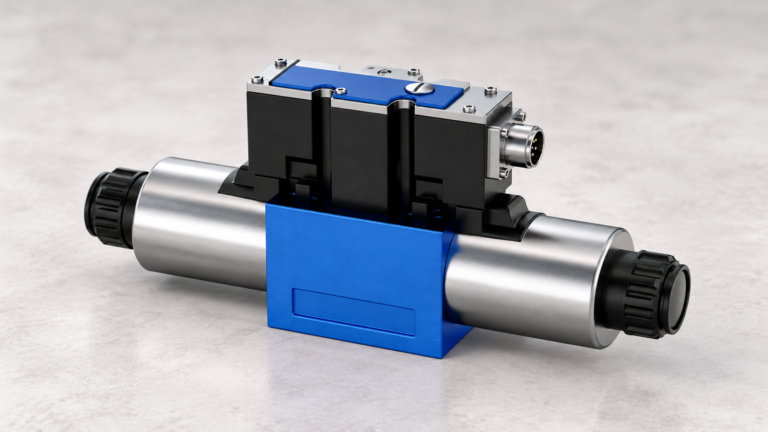
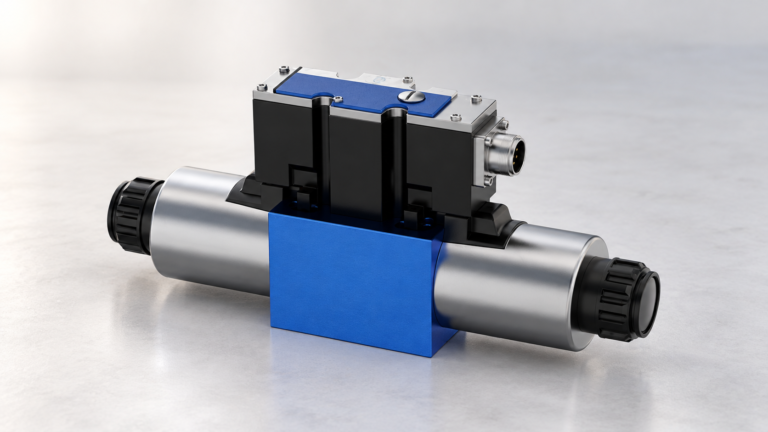
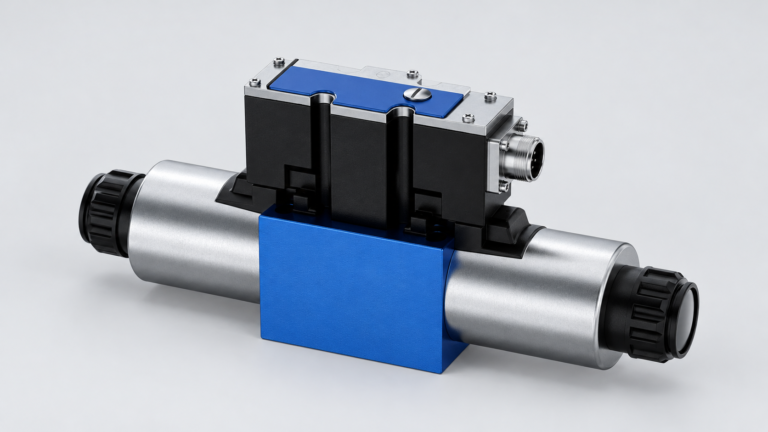
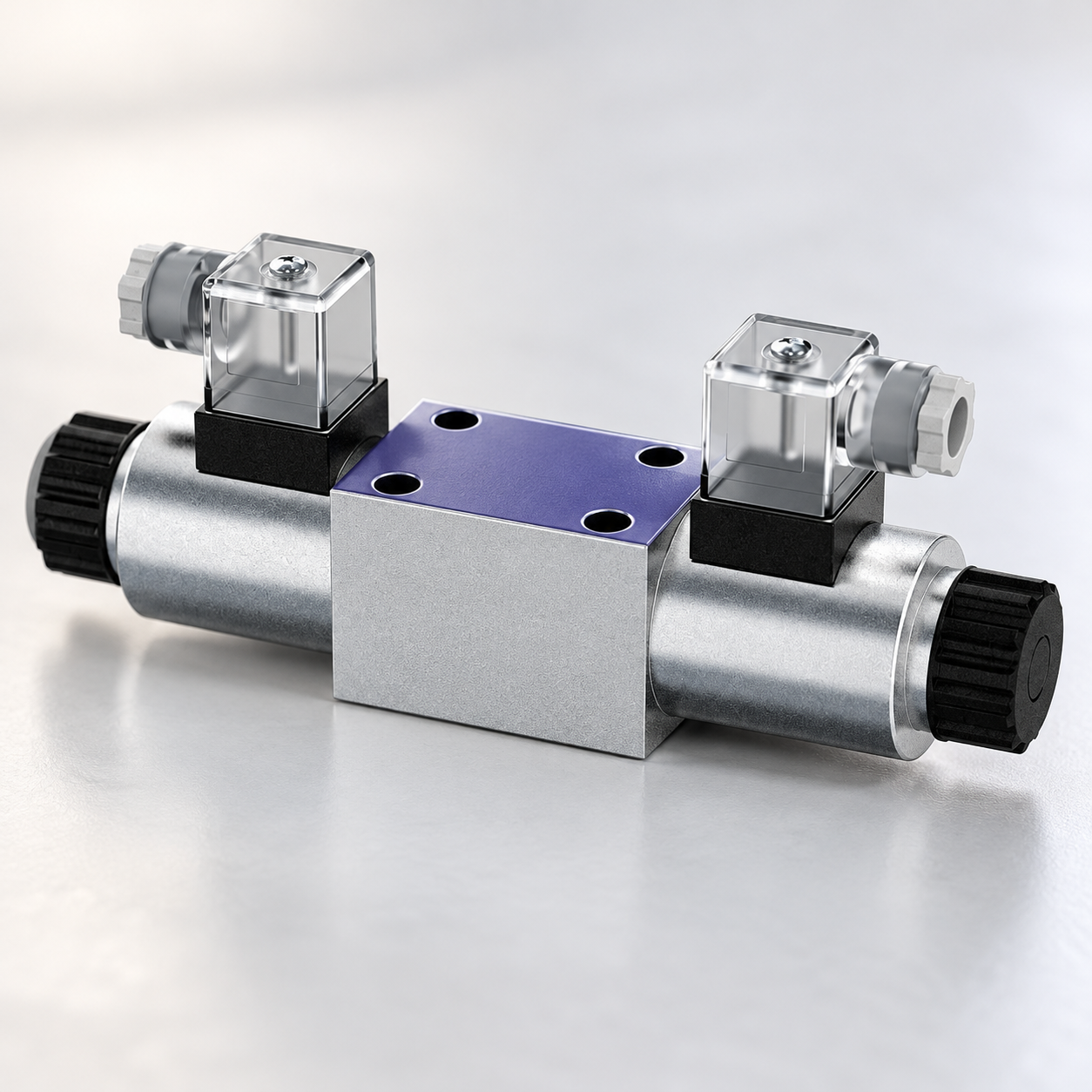
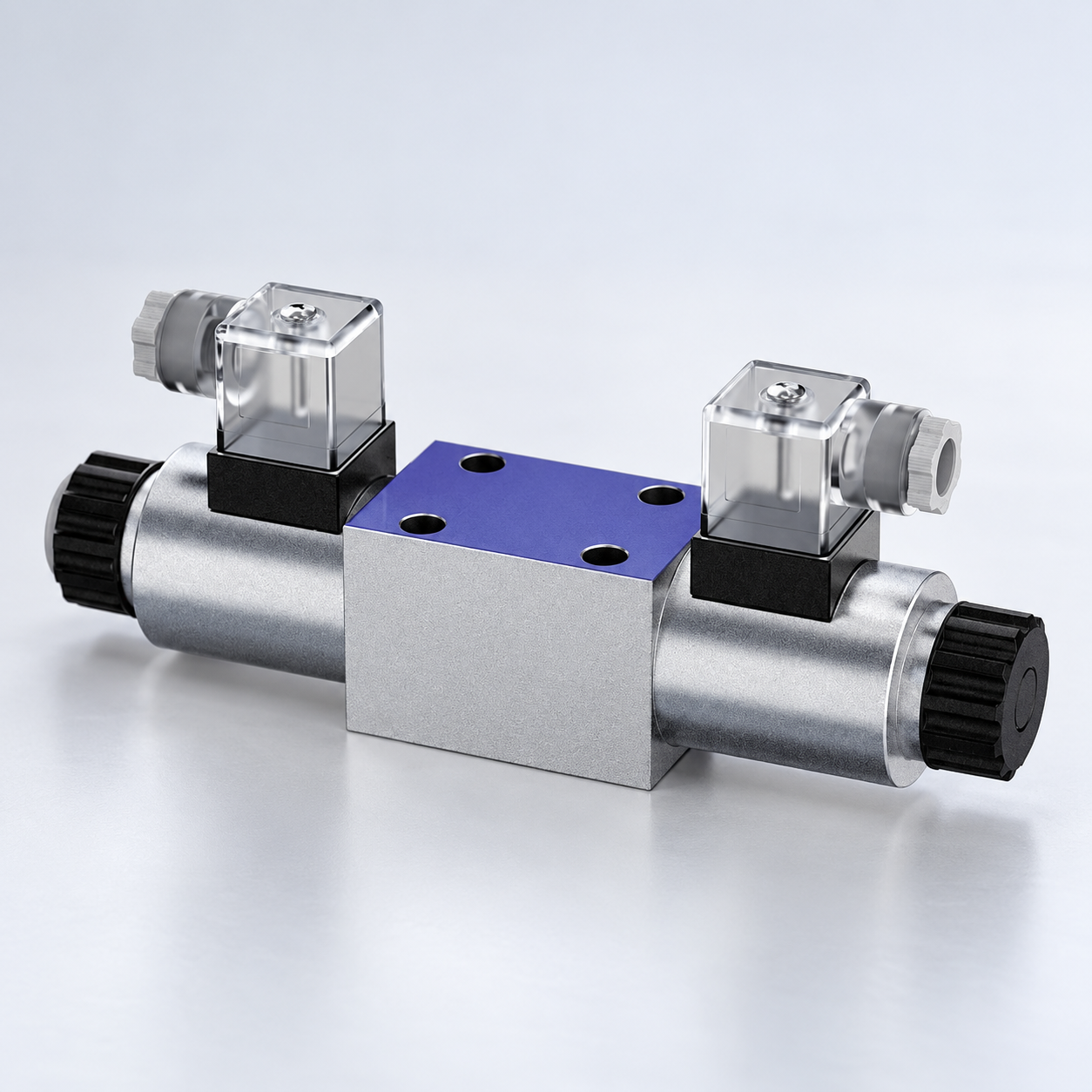
The illustrations show the exterior of a Prance directional valve for assembly identification. They do not reveal its seals or establish which compounds are supplied in a particular order. Confirm the exact configuration through its documentation and the supplier. Internal service should follow the approved procedure and access restrictions for the assembly.
Separate the material family from the compound
A family name describes the broad polymer category. A compound specification identifies the particular formulated material used for the seal. Properties can vary within one family, so a buyer should request the actual approved compound or a traceable supplied specification. Do not treat two O-rings bearing the same broad abbreviation as identical parts.
The SKF material and compound selection guide provides useful material-family screening: NBR is commonly associated with petroleum-oil service, FKM offers useful resistance in many oil and fuel applications, and EPDM generally requires exclusion from petroleum-oil service while being considered for appropriate water-based or polar-fluid duties. Those broad distinctions do not qualify every formulation or fluid mixture. Use compound-specific compatibility data and the exact application conditions for final approval.
Avoid converting a screening table into a guarantee. An entry for a broad chemical family may not describe the complete hydraulic fluid with its additives. A material appropriate for one temperature or static arrangement may be unsuitable under another condition. Identify what the source actually evaluates before relying on it in a purchase specification.
Identify every fluid the seal can encounter
Record the fluid's complete trade designation and supporting technical information. Include concentration for mixtures and any permitted contamination or residual cleaning fluid. Ask whether the equipment uses a petroleum-based, water-containing, synthetic or other special hydraulic fluid. These distinctions matter more than the color of the oil or the machine's industry name.
Consider maintenance exposure. A seal can encounter assembly lubricant, cleaning agents and storage protection in addition to its operating fluid. Request confirmation that the approved service procedure uses compatible materials. Do not substitute a readily available grease or solvent without checking the specific seal and component instructions.
For a fluid change, document what remains in the circuit and the approved conversion procedure. Compatibility with the new fluid alone may not resolve the effects of mixtures or residues. The review should cover the complete system materials and cleaning requirements, not only the visible valve seals. Assign responsibility for the conversion before ordering a different compound.
State temperature conditions without inventing a rating
Specify the relevant fluid and ambient conditions, including cold starts and sustained duty. Distinguish the temperature measured at a reservoir from the condition expected near a seal or energized assembly. They may not be the same. Ask the supplier which conditions its compound and valve qualification cover.
Do not publish a universal operating range for NBR, FKM or EPDM and assume that it governs every seal. A material-family range can be useful for screening but is not an assembly rating. The full valve may contain other temperature-sensitive components, and the actual compound requires its own supporting data.
Record how the intended range will be verified. If the machine's highest-duty condition has not been measured, identify that uncertainty in the enquiry. A purchasing team can ask for a proposed qualification arrangement rather than substituting an optimistic temperature estimate. Preserve the approved boundary in the final documentation.
Compare candidates using evidence requirements
| Candidate or decision | Information needed before approval | Common mistake to avoid |
|---|---|---|
| NBR family candidate | Exact compound, full fluid identity and verified temperature conditions | Treating the family abbreviation as a complete specification |
| FKM family candidate | Compound-specific fluid compatibility and the assembly's full operating limits | Assuming a higher-cost material is automatically suitable |
| EPDM family candidate | Written confirmation for the exact fluid and service exposure | Substituting it into petroleum-oil service based on appearance |
| Replacement O-ring | Approved dimensions, compound, hardness and gland information | Selecting only by measured outside diameter |
| Fluid conversion | Complete material review, residual-fluid handling and qualification plan | Checking only the new bulk fluid and ignoring residues |
| Unidentified installed seal | Traceable component records or an approved identification route | Inferring material from seal color |
Source and interpretation: SKF: material-family and compound selection guide; screening only, not a valve rating. The checklist does not assign a product rating.
The family screening behind this decision table is supported by the SKF material and compound selection guide. The purchasing checks are an original workflow and are not a substitute for a compound specification. No temperature, pressure or service-life rating is assigned to a Prance product here.
Distinguish the seal's mechanical role
Identify whether the seal is associated with a static joint or a moving interface. Record the approved part and gland arrangement rather than assuming every internal seal is an ordinary O-ring. A valve assembly can contain different sealing locations with different demands, and one material decision need not apply to all of them.
Separate elastomer sealing from the valve's metering clearances and designed internal leakage paths. Replacing an external seal does not automatically correct internal spool leakage. Similarly, a drifting actuator can involve several circuit paths. Diagnose the observed problem before deciding that a new rubber family will solve it.
Use the approved assembly drawing and service parts list. If the required location or part cannot be identified, do not choose a substitute from a photograph. A supplier can help confirm the correct service option. Some assemblies require an approved service route rather than unrestricted field disassembly.
Check dimensions, hardness and supporting parts
Request the exact seal dimensions and tolerance requirements from the approved specification. Include any supporting rings or other parts in the service kit. The complete arrangement matters; a candidate that appears to fit while stationary may not behave correctly under the intended conditions.
Record hardness or other material identification when the component documentation requires it. Do not assume that a softer seal is always better because it compresses easily, or that a harder one automatically tolerates more pressure. The gland and complete sealing design determine the permitted arrangement.
Inspect the mating interfaces according to the service instructions. Damage, incorrect assembly or contamination can contribute to leakage even when the material is suitable. Repeatedly changing compounds without examining the mechanical condition can conceal the actual cause. Keep evidence from the removed parts and the inspected assembly in the service record.
Plan safe maintenance and installation
Follow the machine's hazardous-energy procedure before accessing a valve. Electrical isolation alone does not remove stored hydraulic pressure or gravitational load. Secure the equipment and verify the required safe condition. Do not loosen a pressurized connection to inspect a seal or identify a leak.
Maintain cleanliness while opening approved interfaces. Protect exposed ports and components, use the specified parts and follow the installation method. Do not use an improvised tool that can damage a sealing surface. If the service instructions specify a lubricant or orientation, retain those details in the work record.
After assembly, conduct the approved checks before returning the machine to duty. Observe the relevant external boundaries and functional behavior under controlled conditions. A dry exterior immediately after installation is not a complete qualification of a new material choice. Any untested range should remain visible in the acceptance record.
Qualify an alternative rather than guessing
If the original compound is unavailable, document why a substitute is proposed. Obtain the alternative's traceable specification and review its compatibility, geometry and installation requirements. Ask the component supplier whether the substitution is permitted. Availability alone does not establish technical equivalence.
Define the verification scope from the application. Where compatibility testing is needed, agree the fluid, exposure conditions, inspection method and acceptance criteria with qualified engineering support. Do not invent a soak duration or a swelling limit and present it as a recognized standard. State the actual agreed method and its limits.
Keep qualification separate from routine replacement. A verified alternative for one assembly and duty may not be suitable for every valve in the same family. Record the approved configuration and conditions so future staff do not turn a limited substitution into a universal parts-store rule.
Prepare a useful procurement request
Send the complete valve order code, service drawing and required seal locations. Provide the exact operating fluid, relevant temperature conditions and known maintenance exposures. State whether the request concerns a new assembly, a replacement kit or an alternative material qualification.
Ask the supplier to identify the delivered compound or approved material specification, applicable boundaries and any configuration differences. Request traceable part identification for the complete kit. A quotation that says only oil-resistant seals leaves essential questions unanswered.
For a new purchase, clarify whether the seal option changes the order code, delivery documents or installation requirements. Store the confirmed option with the valve records. That helps a service team order the correct kit later and supports a more reliable comparison if the machine changes its fluid.
Preserve failure evidence and remaining uncertainty
Record the location and nature of leakage, fluid identity, operating history and removed-part identification. Photograph visible damage without claiming it establishes a unique cause. The same appearance can require further analysis, and a symptom alone does not prove chemical incompatibility.
State what the investigation confirmed and what it did not. If a service kit stops an external leak, that does not independently establish the removed seal's polymer identity or prove why it failed. Clear limits keep the maintenance record useful and prevent a successful repair from becoming an unsupported material claim.
Häufig gestellte Fragen
Can I identify NBR, FKM or EPDM by color?
Color is not a reliable approval method. Use traceable part and compound information or an approved identification route.
Is FKM always a better replacement for NBR?
No. Suitability depends on the exact compound, fluid, temperatures and mechanical arrangement. Higher cost does not establish compatibility.
Can I use EPDM in any hydraulic valve?
No. Confirm the exact service conditions. Broad material screening generally excludes EPDM from petroleum-oil duty; obtain configuration-specific approval.
Will replacing external seals stop cylinder drift?
Not necessarily. Drift can involve internal valve paths, the actuator and other circuit components. Diagnose the relevant paths before selecting a repair.
What should I request with a seal kit?
Request the approved valve compatibility, part identification, compound specification where available, installation instructions and applicable operating boundaries.
Related products and engineering guides
For a duty-based enquiry, review 4WE directional valve. Confirm the complete ordered configuration, drawings, operating conditions and integration responsibilities with the supplier. Related resources: hydraulic valve range, directional and solenoid valve principles, internal leakage diagnosis, electrical connector matching.
University lesson: proportional and servo valve principles
This NPTEL IIT Kharagpur university lecture explains the hydraulic accessories and their system role. It supplies operating background, not compound compatibility, product ratings or model-specific adjustment instructions.
Technical references
- SKF: material-family and compound selection guide; screening only, not a valve rating
- NPTEL: hydraulic seal functions and mechanical roles
- NIOSH: hazardous-energy isolation
These sources provide technical, educational and safety context. Example calculations are illustrative, and neither their inputs nor another manufacturer’s component data establish a Prance product rating or brand affiliation.