Wenzhou Prance Hydraulic Equipment Co., Ltd

Applications of Hydraulic Motor for Drill Rig
In drilling, hydraulic motors serve as a critical link between hydraulic power and drill rig performance. By using hydraulic energy as input to produce mechanical output, they deliver the correct amount of torque and speed for numerous types of drilling jobs. Knowledge of how hydraulic motors operate in drill rigs will help both prospective buyers and users make more effective use of their drilling equipment by improving operations through better performance.
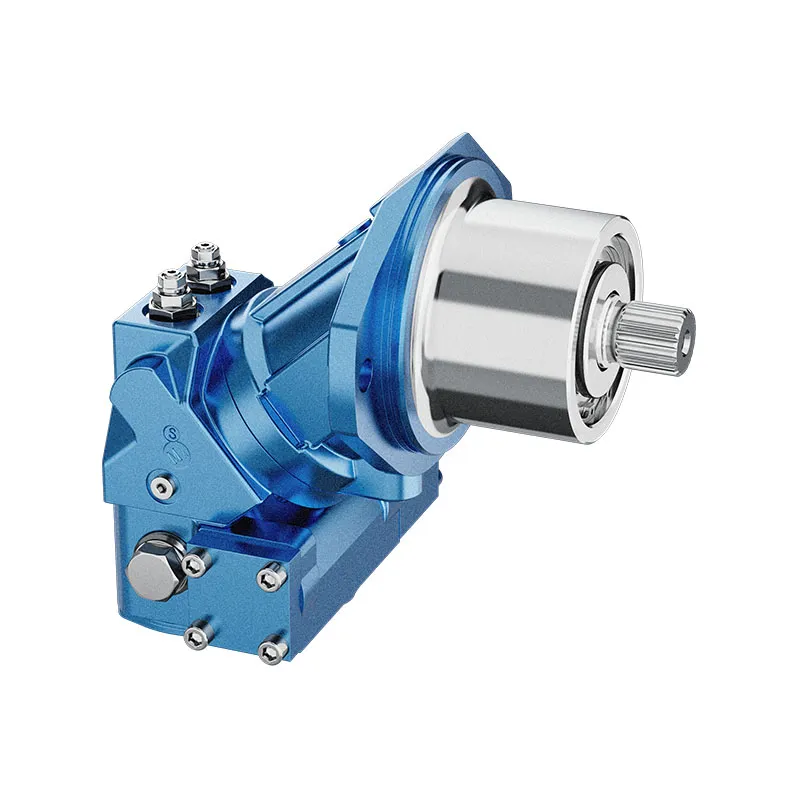
What is Hydraulic Motor for Drill Rig?
A hydraulic motor is a machine made to create rotation using hydraulic fluid subjected to high pressure. Hydraulic motors power the drill bit and provide the capability to drill smoothly through different materials, such as soil, rock, and concrete. Electric motors and diesel engines do not produce consistent torque at different loads, which makes hydraulic motors better suited for use in the harsh conditions encountered during drilling operations.
What are the Uses of a Hydraulic Motor for Drill Rig?
The uses of a Hydraulic Motor for Drill Rig extend across various applications, including:
2. Hydraulic Motors in Rotary Drilling: Hydraulic motors are widely utilized in the rotation of bits at rapid speeds to drill through a variety of materials.
Tools for use in the borehole have many uses including controlling the directional drill to prevent drill failure by using hydraulically driven tools to ensure the drill distributes accurately and experiences less down time.
Auger drilling is accomplished using hydraulic motors to give the power required for augers to drill through the earth to create holes that can be used for both geotechnical investigations and construction and building.
4. Water Well Drilling: When drilling a water well, the consistency of hydraulic motor torque is most useful because it will help maintain a consistent depth and stability while drilling.
Hydraulic motors play an essential part in powering their machinery, and consequently enhancing production in an inhospitable environment as part of the mining operation.
What Types of Hydraulic Motor for Drill Rig are Available?
When it comes to Hydraulic Motor for Drill Rig, several types cater to different operational needs:
(1) Gear Motors: They are specifically designed for applications requiring a high amount of torque, hence their common usage in high-torque applications on drilling equipment.
2. Vane Motors: Often used in portable and lightweight drill rigs, vane motors have become known for their ability to operate at high speeds.
Piston Motors: Robust and Reliable (for any load range) for Large Scale Drilling Operations.
4 – The use of orbital motors in environments with strict requirements for precise output and low levels of noise is becoming an increasingly popular choice in specialized drilling.
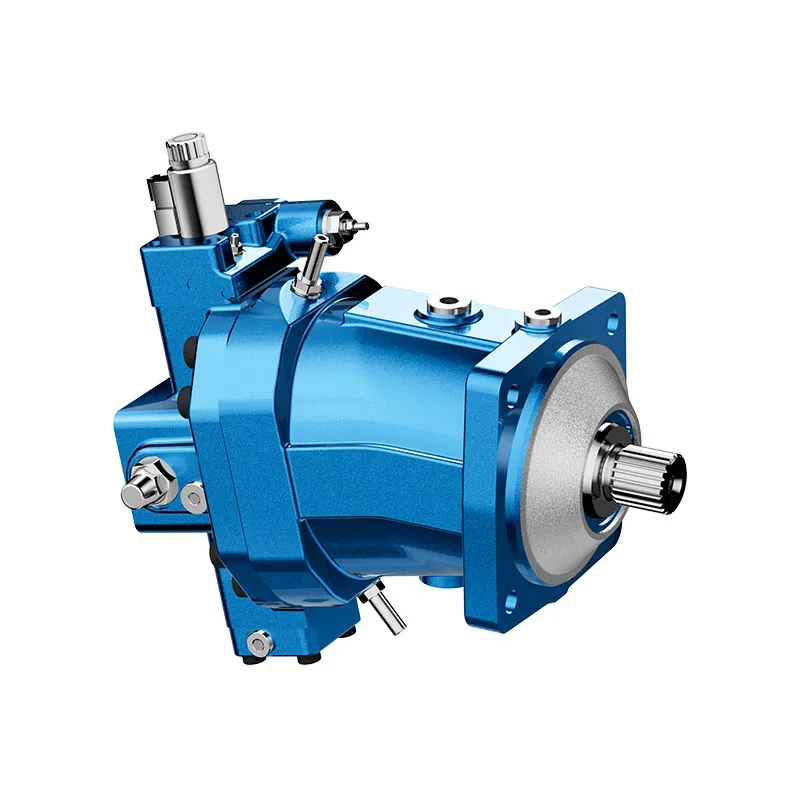
Advantages of Hydraulic Motor for Drill Rig
The use of hydraulic motors on a drilling rig offers multiple benefits that greatly improve the efficiency of the drilling process.
– Hydraulic motors provide high efficiency. The hydraulic motor is generally superior to other types of motors for converting hydraulic energy into mechanical energy.
Versatility in Performance: Different types of drilling conditions may be accommodated because of the ability to change between variable loads. This makes them an effective choice for many different applications.
– Small Footprint: Hydraulic motors typically have a smaller physical footprint compared to standard electric motors, making them suitable for smaller or tighter applications when being installed in a rig configuration.
Fewer parts result in reduced maintenance features in hydraulic motors vs. mechanical types; therefore hydraulic motors generally require less maintenance, and will last longer than their mechanical counterparts.
Conclusion
The Hydraulic Motor is a key component of any drill rig used in drilling operations. Hydraulic motors have many advantages such as improving operational efficiency, providing high performance in a variety of applications including rotary drilling or water well applications and demonstrating their importance within modern drilling technologies. It is important for prospective buyers to understand what types of hydraulic motors are available and what benefits each type may offer in order to make informed choices that will improve the performance of their drilling machines.