Wenzhou Prance Hydraulic Equipment Co., Ltd

What is Hydraulic Axial Motor?
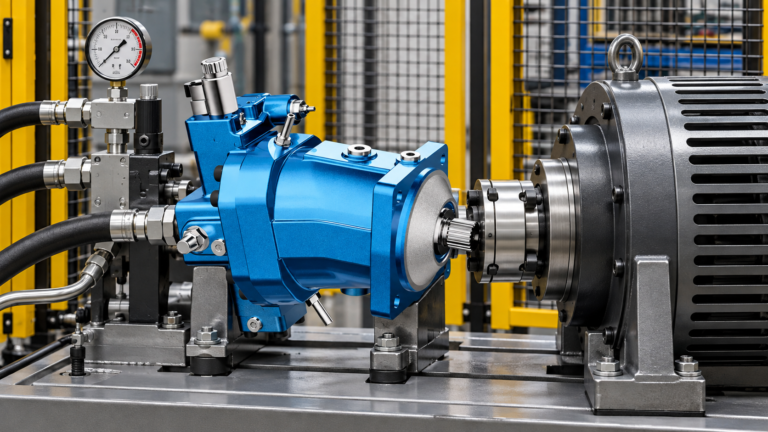
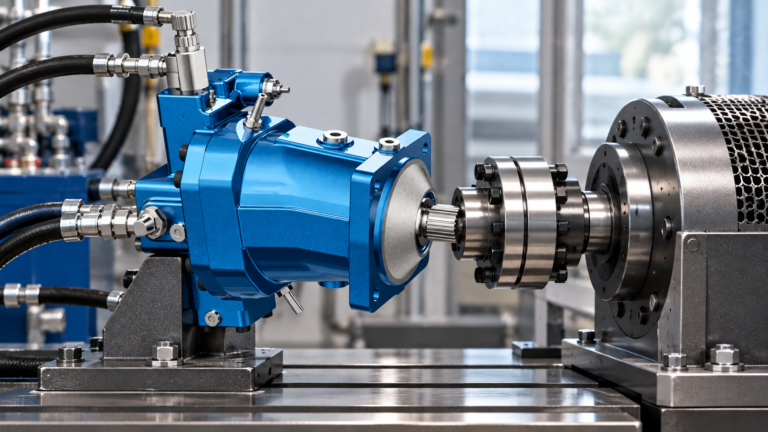
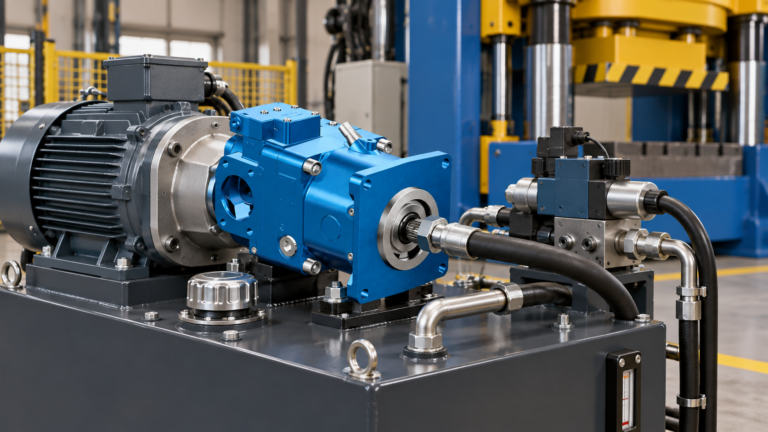
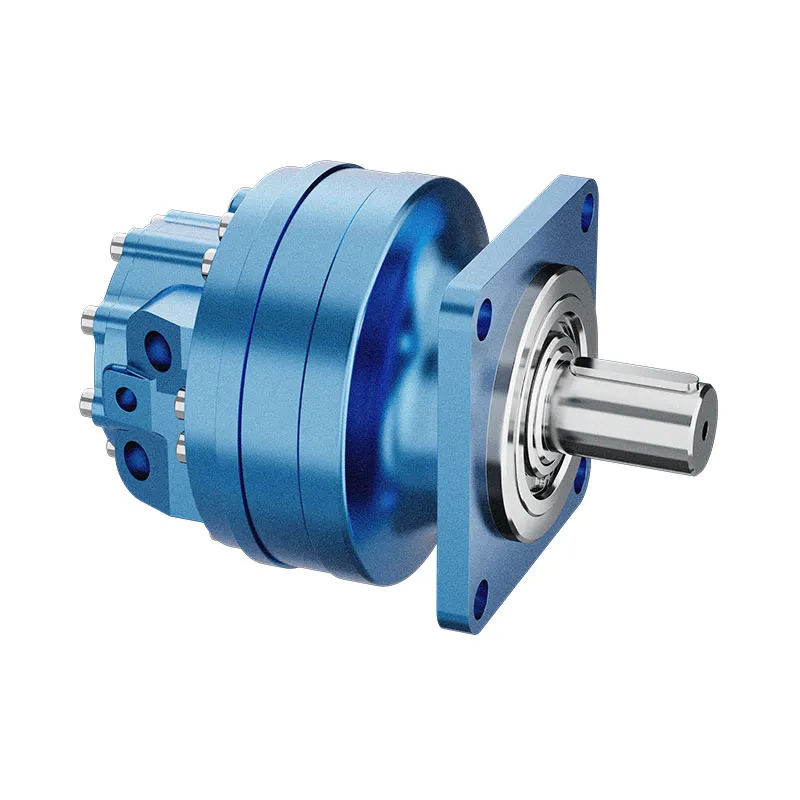
A hydraulic axial motor converts hydraulic energy into mechanical energy (rotational motion) – hydraulic axial motors are very efficient pieces of equipment in hydraulic systems, and they’re utilized by a variety of industries, including agriculture, construction, and manufacturing when developing products. Due to their compact size, high torque output, and versatility, hydraulic axial motors have become incredibly vital and embedded into modern-day machinery/equipment. In this article, we will discuss how the hydraulic axial motor operates, different types that exist, the pros and cons associated with the hydraulic axial motor, as well as where they’re used the most.
How Does a Hydraulic Axial Motor Work?
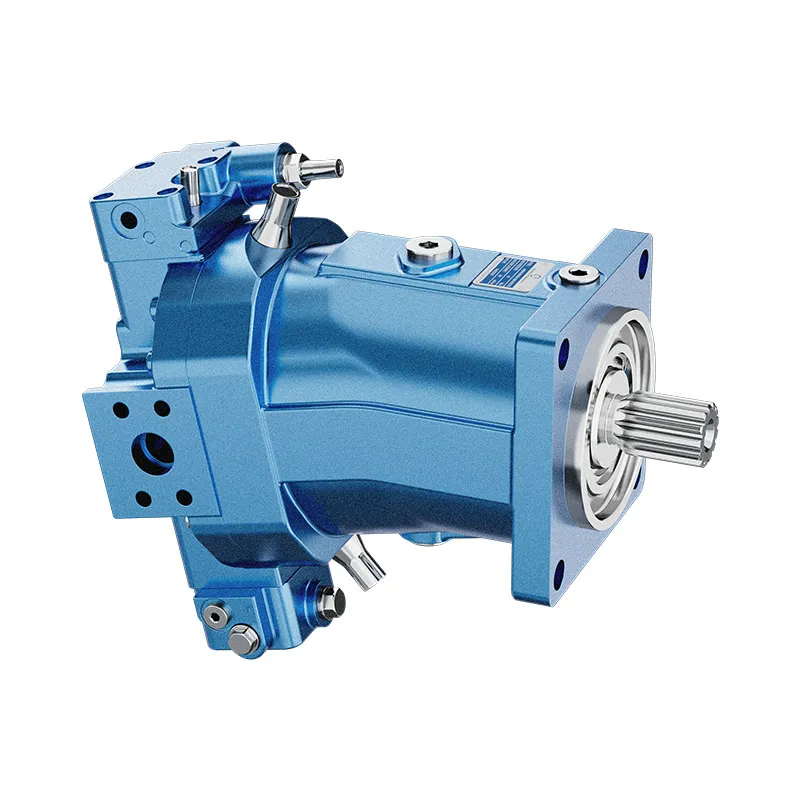
The basic concept behind a hydraulic axial motor is using hydraulic fluid (usually oil) to create motion. The pistons are mounted radially on the drive shaft of the motor. When high-pressure hydraulic fluid enters the motor, it forces the pistons to cycle (that is, to push outward and return) in a continuous manner, thus generating rotating movement that is transmitted through the drive shaft. The ability of the motor to provide smooth and efficient operation is primarily due to the high quality of the component parts, which minimize power loss through efficiency and provide consistent operation.
Using hydraulic fluids under pressure, the motors can generate significantly high torque at low speeds. This feature makes the motors suitable for applications requiring high levels of torque and consistent power output, including heavy (Industrial) machinery and construction machines.
Types of Hydraulic Axial Motors
Hydraulic Axial Motors come in many different styles or types which are used under different operating conditions or performance requirements. The most widely used types include:
1. Fixed-displacement motors: These have a predetermined amount of fluid that gets delivered each time they turn one full rotation (also referred to as having a fixed volume output). They work well for applications requiring both speed and torque to remain constant, such as a conveyor belt, etc., or any system that has a constant condition during operation.
2.Motors with Variable Displacement: These motors come with adjustable displacement which provides the ability to change the speed and torque produced based on usage demand. The ability to adjust how much of the force is used for motion or speed allows for these types of motors to be used where there will be a wide variety of motion and/or speed requirements, such as in mobile machinery and industrial applications with multiple modes of operation.
3. Bent axis motors: The cylinder block of a bent axis motor is angled relative to the drive shaft, resulting in improved performance and efficiency when compared to a traditional motor. As a result, they are well-suited for high-load conditions and provide increased torque output.
Advantages of Hydraulic Axial Motors
Several benefits of hydraulic axial motors make them an essential component in many different industries:
High Efficiency: This is one of the most important advantages of these types of motors because they can turn hydraulic energy into usable mechanical energy with very little wasted energy. Therefore, these motors provide very high efficiency and give maximum output for long periods of time.
Design Description
The compact size and space-saving design of hydraulic axial motors make them simple to install into tight spaces or sophisticated machine configurations.
These high-torque motors can produce extreme torque (high torque) at low-speed conditions, which is ideal for applications that require continuous power output over longer periods of time.
Hydraulic axial motors are made with durable materials and can endure harsh environmental factors, which include: extremely high pressure, temperature changes, and heavy loads.
Disadvantages of Hydraulic Axial Motors
While hydraulic axial motors offer numerous benefits, it’s essential to consider their limitations:
– Motor Design is Complicated. The detailed design of these motors makes it more difficult than uncomplicated mechanical designs to produce and repair. The average hobbyist or mechanic may not have the skills required to perform these tasks.
– Contaminant Sensitivity: How well a hydraulic motor operates depends upon having clean hydraulic fluid. Dirty hydraulic fluid can accumulate and contaminate the internal components of motors and risk operation failure; therefore, consistent filtration and periodic maintenance are necessary to keep hydraulic motors in optimal operating condition.
– Higher Upfront Price: Due to the complex engineering and materials that make up hydraulic axial motors, hydraulic axial motors are often more expensive to purchase than traditional forms of motive power. That said, over time, this will be made up through efficiency and good durability.
Practical Applications of Hydraulic Axial Motors
Hydraulic Axial Motors Are Widely Used Across Many Industries Due To Their Exceptional Power And Efficiency. They Are Commonly Used In The Following Applications.
Heavy construction equipment like bulldozers, cranes, excavators, and loaders are commonly powered by large (high torque) motors because their high torque output is perfect for performing tasks that require the use of great force or effort (ex. lifting, pushing, digging).
Hydraulic axial motors are being widely applied in agricultural machinery, which include tractors, harvesters, and irrigation systems. Reliability and accuracy are vital factors in ensuring the effective working of agricultural machinery in different types of climates.
In the area of marine engineering, hydraulic axial motors are frequently found being used in winches, cranes, and propulsion systems. These systems require exact torque output and superior performance when lifting large amounts of weight, and that is where hydraulic axial motors excel.
Hydraulic Axial Motors in Mining, Plastic Manufacturing, and Steel Manufacturing: Equipment in these industries include conveyor systems, injection molding machines, and drilling rigs. All of these machines run on hydraulic motors.
These motors contribute to the conversion of natural energy sources to mechanical power in an efficient manner that can then be used for our daily use; such as in renewable energy systems like wind turbines.
FAQs
What are the most common types of Hydraulic Axial Motors?
Commonly used motors such as fixed-displacement, variable-displacement and bent-axis types, are made by several manufacturers. For different applications, different types perform differently, but all are used in similar ways by manufacturers.
What are the advantages and disadvantages of Hydraulic Axial Motors?
High efficiency, small size, large torque output, and durability are among the benefits of these motors. Disadvantages would include the sensitivity of these motors to hydraulic fluid contamination, requiring regular maintenance, and having a higher purchase price.
What industries use Hydraulic Axial Motors?
These systems have been extensively used in several different sectors, including but not limited to, the following: construction, agribusiness, marine environments, manufacturing, and renewable resources, hence performing extremely demanding jobs accurately and dependably.
To wrap up, the hydraulic axial motor is a solid, durable, and effective option for all types of industrial use. The hydraulic axial motor has an extremely flexible and rugged design that makes it very suitable for performing difficult jobs with high levels of efficiency and performance. While the hydraulic axial motor has some disadvantages (such as a high level of maintenance required and susceptibility to dirt/dust), the advantages and capacity of the hydraulic axial motor way outweigh the disadvantages. Hydraulically delivered motor technology can provide increased efficiency and performance for machines that are used within the construction, agricultural, or alternative energy industries as a result of hydraulic axial motor applications.