Wenzhou Prance Hydraulic Equipment Co., Ltd

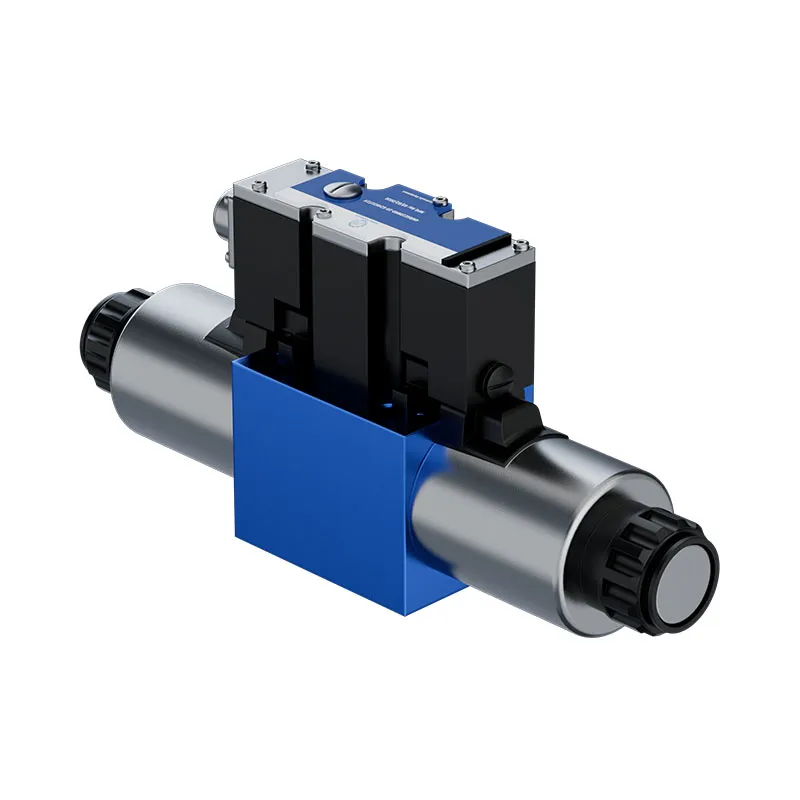
What is Hydraulic Solenoid Valve?
A hydraulic solenoid valve is an important part of a fluid control system and can be found in many different industries including industrial, agricultural, construction and automotive. It works by using electromagnetics to control the flow of hydraulic fluid through the valves either opening or closing them based on what type of electrical signal is applied. Hence, a hydraulic solenoid valve provides an efficient means of controlling the movement of fluid; therefore they are essential in every application which requires automatic regulation of fluid flow, efficiency of operation and reliability.
The Function of Hydraulic Solenoid Valve
Hydraulic Solenoid Valves Are Used to Control the Flow, Pressure, and Directionality of Hydraulic Fluid Within a Complete System
The Following Information Will Summarize How a Hydraulic Solenoid Valve Works.
Hydraulic solenoid valves control hydraulic fluid flow within a complete hydraulic system and are designed to open or close hydraulic fluid at any given time.
The electrical current supplied to an electrically actuated hydraulic solenoid valve will create a magnetic field within the valve’s solenoid coil, which will then actuate a moving component, referred to as an armature, located inside the valve, thus actuating the opening of a hydraulic fluid channel, regulating hydraulic flow through the valve to operate hydraulic actuators, motors and/or cylinders connected to machines.
Valves are classified into two separate categories based upon the way they operate. There are valves that are operated directly and valves that are operated by pilot devices. When a direct valve operates it allows and disallows flow through the valve entirely from the solenoid force. A pilot valve operates the main valve through a smaller valve that is controlled by the solenoid force. Pilot valves are typically the preferred choice for high-pressure/high-flow applications because direct solenoid operation is not a practical option.
Types of Hydraulic Solenoid Valves
There are many types of hydraulic solenoid valves, each designed for different purposes in an industrial or mechanical application. The most common of these types are:
2-Way Solenoid Valve: This type has two connection points, referred to as “inlet” or “outlet.” These are useful for starting and stopping the flow of hydraulic fluid. They are also very basic in design but are effective when used for simple on/off applications.
3-Way Solenoid Valves: A three-port valve is an adaptable method for directing fluid flow in various directions. A three-port valve is commonly used to move cylinders or direct fluid flow in other ways in hydraulic circuits.
4-Way Solenoid Valves: These valves feature four ports and are used in complex systems to control/reverse the flow between two independent actuators. 4-Way Solenoid Valves are very important for hydraulic lifting equipment (lifting machinery) and other heavy equipment.
What Are the Uses of Hydraulic Solenoid Valves?
Hydraulic solenoid valves are versatile components used in a wide array of industries, including:
Industrial Automation: With a broad range of equipment, from conveyors to robots, valves are used in a variety of ways that are critical to the precision control of hydraulic flow through various machines.
Construction business: Heavy moving equipment for lifting, digging, and transporting large amounts of weight use hydraulic cylinders to do so through the use of hydraulic solenoid valves.
Agriculture – The use of hydraulic solenoid valves controls the actuators that perform work in farming equipment and allow more efficient irrigation and other agriculture processes.
HVAC System: Heating, Ventilating, and Air Conditioning Systems will use flow control devices (such as valves and actuators) to control the flow of liquids or gases; this will help save energy and create accurate building designs.
The hydraulic solenoid valve is used for many vehicle operations, including the vehicle’s brake system and the power steering. The hydraulic solenoid valve ensures both safety and reliable performance of the vehicle and is also used to assist in automating many other functions of the vehicle.
Advantages of Hydraulic Solenoid Valve
Hydraulic solenoid valves offer many advantages from both practical and performance perspectives. Some of the main benefits of hydraulic solenoid valves include:
1. Hydraulic solenoid valves provide the ability to perform highly accurate actions, making them well suited for applications that require precise control of hydraulic fluid flow and pressure.
2. Fast Responses: These valves have a fast reaction to an electrical impulse, thus reducing delays of the fluid control system during operation.
3. Space Efficiency: These designs use little space and are easy to move around, improving overall performance/function of the machinery.
4. Cost-Effectiveness – By automating processes using hydraulic solenoid valves, you eliminate the need for manual interventions and therefore increase your production efficiency and reduce labour costs.
5. Improved Safety of the System: Automating hydraulic systems with hydraulic valves eliminates much human error and improves safety.
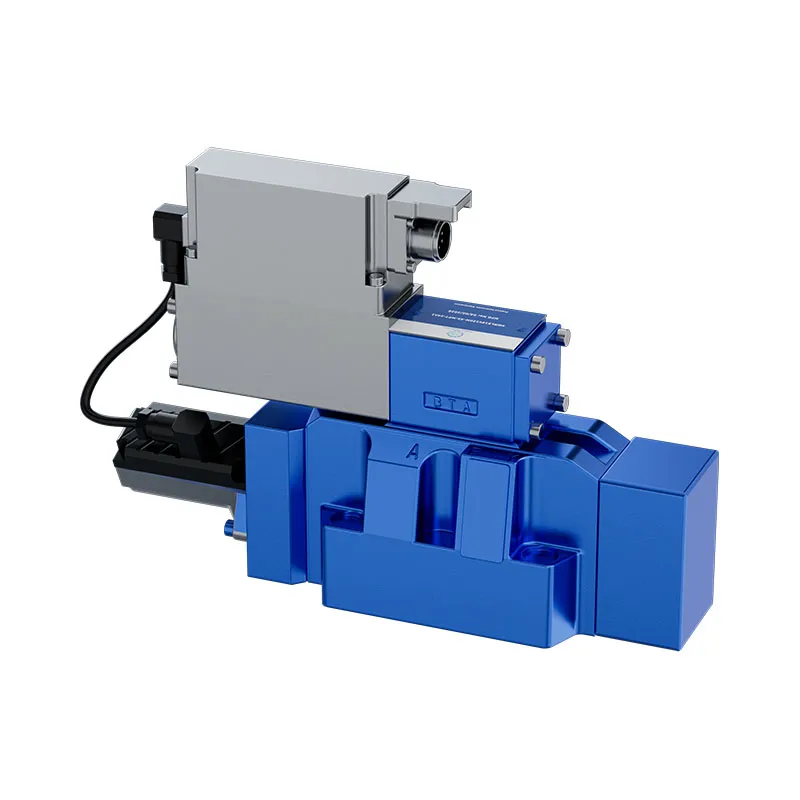
Practical Applications of Hydraulic Solenoid Valves
Hydraulic solenoid valves play critical roles in a wide range of applications. For instance:
Production Facilities: This type of valve provides an efficient means to facilitate the automation of an assembly line as well as to control the activities of pressing, cutting, and welding materials.
Farming Operations: They guarantee that the required tasks of planting, harvesting, and irrigation are completed with minimal manual intervention efficiently.
Hydraulic solenoid valves are used to control the movements of machines such as excavators and cranes, allowing hydraulic fluid to flow to and from motion mechanisms.
Energy Systems – these components manage the movement of hydraulic fluid in renewable energy systems, such as wind turbines, to produce and distribute as much energy as possible.
Medical Equipment – Hydraulic solenoid valves are used in health care settings for different applications such as patient support systems (e.g., hospital beds) and diagnostic devices.
Summary
Hydraulic solenoid valves are critical components for regulating the movement, pressure and direction of hydraulic fluids across many different applications. Industrial automation, construction equipment, agriculture, automotive all utilize hydraulic solenoid valves to help increase their efficiency, accuracy and safety. The ability to automate a variety of complex processes along with quick response times and compact designs make hydraulic solenoid valves an essential component of modern technology driven industries. In addition to the continued growth of the automation and smart systems, hydraulic solenoids will continue to be leaders in innovation by providing reliable cost effective solutions that support the diverse requirements of industries around the world.