Wenzhou Prance Hydraulic Equipment Co., Ltd

Subplate Mounting Hydraulic Valve: Applications & Advantages
With the constant change in hydraulic systems, subplate mounted hydraulic valves are at the forefront of controlling the flow, pressure and direction of fluid in an efficient and reliable manner. These valves offer many advantages such as versatility, ease of installation, and strong construction, making them popular among engineers from many different industries. Subplate mounted hydraulic valves have demonstrated exceptional flexibility from mobile equipment, such as construction equipment to high-speed manufacturing lines. This comprehensive guide will outline the important uses, benefits and considerations for subplate mounted hydraulic valves, so you can determine if subplate mounted hydraulic valves are an appropriate solution for your application or project.
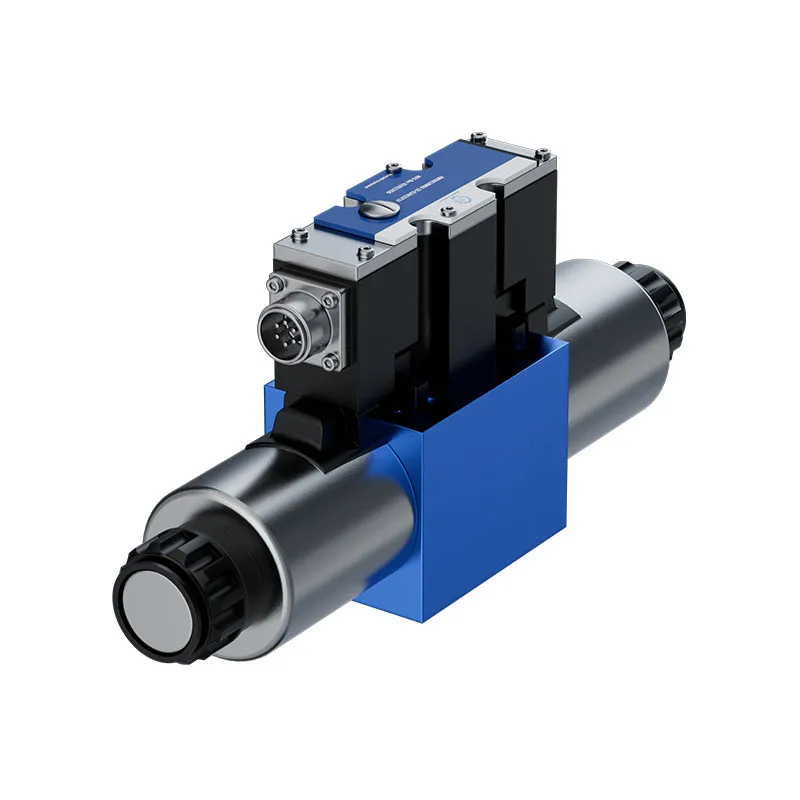
What is a Subplate Mounting Hydraulic Valve?
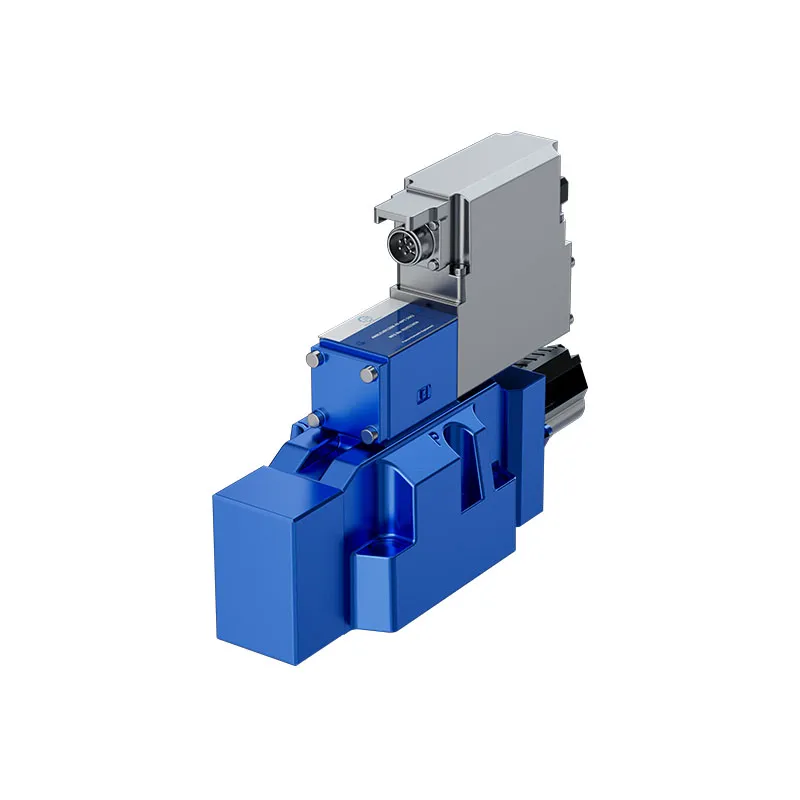
A hydraulic valve mounted on a subplate type of valve is a type of hydraulic valve that is installed securely to a flat base plate commonly referred to as a subplate. This standardized mounting significantly improves structural support to facilitate easy integration with any other component in the hydraulic system. These hydraulic valves are available in most cases as modular designs which allow for a wide range of possible configurations within any hydraulic system and provide users with multiple options to customize their individual hydraulic systems. The construction of these valves is heavy-duty and made out of high-quality materials that will allow for continued, reliable operation in extreme, high-pressure environments or extremely high temperatures.
Hydraulic valves mounted to subplates offer directional control, pressure, and flow control in many configurations and with varying functions; however, it is their modularity and versatility that defines them as one of the most important types of valves used in today’s modern hydraulic systems.
Applications of Subplate Mounting Hydraulic Valves
The wide-ranging usability of subplate mount hydraulic valves demonstrates the efficiency in their design, as well as their adaptability. Below are common uses of these valves:
1. Hydraulic valves mounted via sub-plates are a foundational component for mobile hydraulics. They are used extensively on machines such as excavators, loaders and operationally on agricultural equipment such as tractors and harvesters. Sub-plates provide effective compactness and reliability, making them an attractive choice for mobile equipment that moves from one job site to another.
2. Industry Manufacturing: Subplate valves are used in production to assist with operating machines such as conveyor systems, injection molding equipment, and automatic presses. Subplate valves help to operate machinery more smoothly and increase production through the proper direction and control of hydraulic power.
3. Many of the applications that require hydraulic control valves in the energy and mining industries are found in oil and gas operations where hydraulic valves are commonly used for precision control of drilling/drilling tools (i.e., drill bits), hydraulic hammers, and material handling systems. Because of their ability to operate at high pressures, subplate mounted hydraulic control valves work extremely well in these types of high-performance applications.
4. Marine Systems: These valves are frequently used in ship propulsion systems, lifting machinery, and power steering in marine environments. They are essential to the shipping sector due to their durability under tough marine conditions.
5. Aerospace Engineering: In aerospace applications, subplate-mount hydraulic valves are used in things like landing gear, flight control systems, and braking systems. Subplate-mounted hydraulic valves offer high levels of dependability and precision, and as such form an important part of safety-critical operations.
Key Advantages of Subplate Mounting Hydraulic Valves
The reason why there is such extensive use of subplate mount hydraulic control valves is that they have many advantages. Some of these advantages are outlined below.
1. Corrosion Resistance: Compared to direct-acting, solenoid valves, subplate-mounted valves do not contain as many temperature-sensitive components and therefore will not corrode as quickly. This can save businesses on maintenance and repair costs over time.
2. Strength and Permanence of Vision: These kinds of valves have been engineered with less vibration and have a higher resistance to wear, resulting in a longer service life and fewer frequent replacements.
3. Convenient Installation and Maintenance: A subplate enables fast, easy installation of the valve, which means it does not have to be plumbed into the system directly. Maintenance is also simplified because the valve can be replaced or serviced without tearing down the entire system.
4. Industry standards: Subplate mounted valves meet industry standards for dimensions, providing modular, scalable and compatible designs for engineers to create systems using other standard industrial components.
Cost-effective: Long-term, purchasing valves for clean water will save the buyer on labor to install and repair and maintain the valve as compared to ball valves, thereby providing a better cost to the purchaser over the long run.
Practicality of Subplate Mounting Hydraulic Valves
Subplate mounting hydraulic valves are diverse and can fulfill many industries’ needs. Their adaptability to many hydraulic circuits and their capability to interface with advanced electro-hydraulic controllers will make them a perfect future-ready solution for today’s modern hydraulic systems. With the advancement of automation and increasingly sophisticated hydraulic architecture in industries, these valves provide a scalable approach to the greater flexibility and efficiency desired by these industries.
The demand for compact systems for high-pressure applications has led to an increase in importance of reliable subplate-mounted valves. These types of valves are typically constructed to withstand extreme conditions including both heavy loads and fluctuating pressures, making them a popular choice among design engineers who require durability as well as functionality from one component.
Frequently Asked Questions (FAQ)
What is a Subplate Mounting Hydraulic Valve?
A hydraulic valve that has been engineered to regulate the direction, flow, or pressure of hydraulic fluid and be securely fastened to a subplate to create stable mounting options for simple installation of hydraulic systems.
What are the uses of a subplate mounting hydraulic valve?
These valves are used in many different types of applications, including mobile equipment, industrial manufacturing, oil and gas, marine technology, and aerospace engineering where precision hydraulic control is needed, as well as being reliable.
What are the advantages of subplate mounting hydraulic valves?
Some of their primary advantages include having a small size, enduring and easily installed and maintained, compatible with current industry standards, and long term cost effective.
Conclusion
As hydraulics technology develops, so does the sub plate mounting hydraulic valve. The subplate mounting hydraulic valve is at the heart of hydraulic systems because of its durability, versatility, and cheap manufacturing cost compared to other types of hydraulic valves. Investing in high-quality sub plate mounted hydraulic valves provides companies with decreased maintenance costs, improved performance of the hydraulic system, and increased reliability over time. If you design industrial equipment, are upgrading to mobile equipment, or if you are working in an energy or aerospace industry, a sub plate mounted hydraulic valve is an effective, dependable, and cost-effective solution.