Wenzhou Prance Hydraulic Equipment Co., Ltd

Hydraulic Pump Case Drain: What It Indicates and What to Check
A hydraulic pump case drain returns internal leakage from the housing to the reservoir. A change in case-drain flow or case pressure can reveal a condition worth investigating, but the result must be compared with the exact pump’s datasheet and the recorded test conditions. Do not apply another model’s limit to the pump in front of you.
Contents
- Part 1. What is a hydraulic pump case drain?
- Part 2. What does case drain flow indicate?
- Part 3. How should case drain be checked?
- Part 4. Why do drain routing and case pressure matter?
- Part 5. How do you separate internal wear from plumbing problems?
- Part 6. What should be provided for a pump review?
Part 1. What is a hydraulic pump case drain?
Internal clearances in many hydraulic pumps allow a controlled amount of fluid to lubricate and cool internal surfaces. Danfoss describes case-drain ports as the return path that sends this internal leakage to the reservoir. The drain fluid is often among the hottest fluid in the system.
That function explains why a case drain is not simply an optional return hose. It helps keep the housing filled and provides a place to observe operating condition. Its ports, allowed pressure and routing depend on the specific pump.
Part 2. What does case drain flow indicate?
Case-drain flow can provide an indicator of internal leakage. A rising reading compared with a documented baseline at the same pressure, speed, temperature and fluid condition can justify further inspection. It does not identify a failed part by itself.
| Finding | What it can indicate | What must also be checked |
|---|---|---|
| Flow differs from a documented baseline | Internal leakage may have changed | Test pressure, speed, temperature, fluid and meter method |
| Case pressure rises | Drain-line resistance or abnormal internal flow | Line routing, restrictions and the model limit |
| Hot drain fluid | Heat is being carried from the unit | System temperature, cooler function and duty |
Part 3. How should case drain be checked?
Use the machine manufacturer’s safety procedure and the pump maker’s test method. Hot pressurized oil can injure people and an incorrectly connected test hose can damage the unit.
First identify the pump and obtain the correct datasheet. Record fluid type, oil temperature, shaft speed, system pressure and load. Then use a properly rated flow and pressure measurement arrangement at the permitted case-drain point. Danfoss service material shows that a case-drain port can also be used to measure case pressure.
Compare the result only against the exact model’s stated limit or a controlled historical baseline. A single unqualified number is not a universal wear verdict.
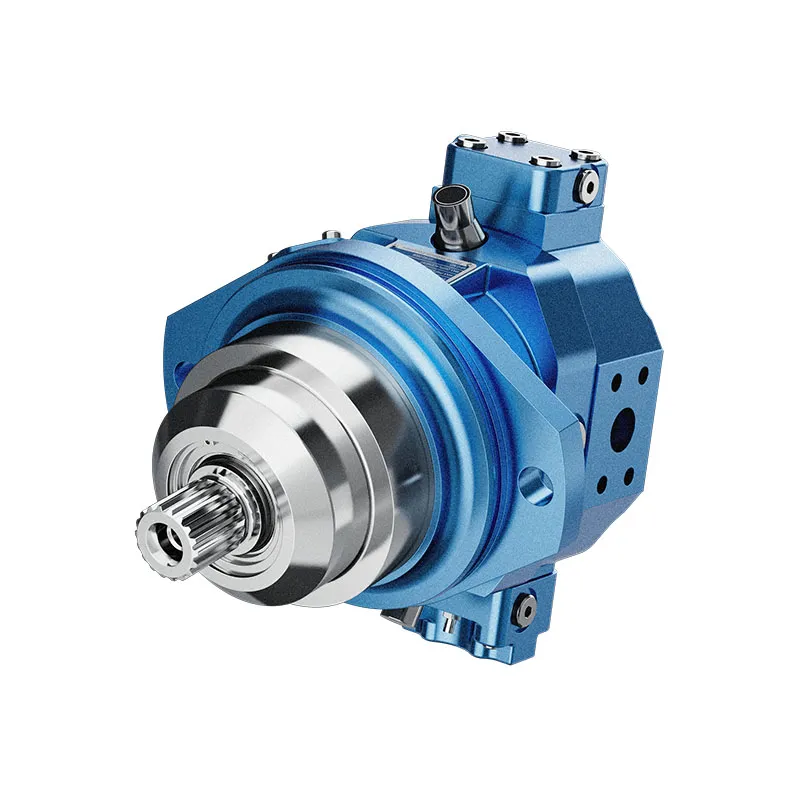
Part 4. Why do drain routing and case pressure matter?
Drain plumbing must return the leakage without excessive back pressure. Bosch Rexroth notes that high housing pressure can result from internal leakage or resistance in the leakage line and can damage rotary shaft seals.
Danfoss guidance uses the higher available case outlet to promote a filled housing and routes drain fluid toward cooling and the reservoir. The correct routing still belongs to the specific product documentation. Avoid assuming that teeing units together, changing the return elevation or adding a restrictive cooler is harmless.
For the system flow inputs that should accompany a drain check, see hydraulic pump flow calculation.
Part 5. How do you separate internal wear from plumbing problems?
Begin with simple evidence. Inspect drain hose routing, kinks, restrictions, fittings and the reservoir return point. Measure case pressure as well as flow where the approved method permits. A high pressure result can point to plumbing resistance even when the flow reading alone looks unfamiliar.
Next, compare the measurement with the original model documentation and the actual test condition. Contamination, temperature, incorrect fluid, component wear and cavitation damage can affect internal leakage. Do not condemn a pump until the drain line and test setup have been ruled out.
Architecture also matters. Use piston and vane pump selection factors when considering a future circuit review, rather than treating one test as a universal design decision.
Part 6. What should be provided for a pump review?
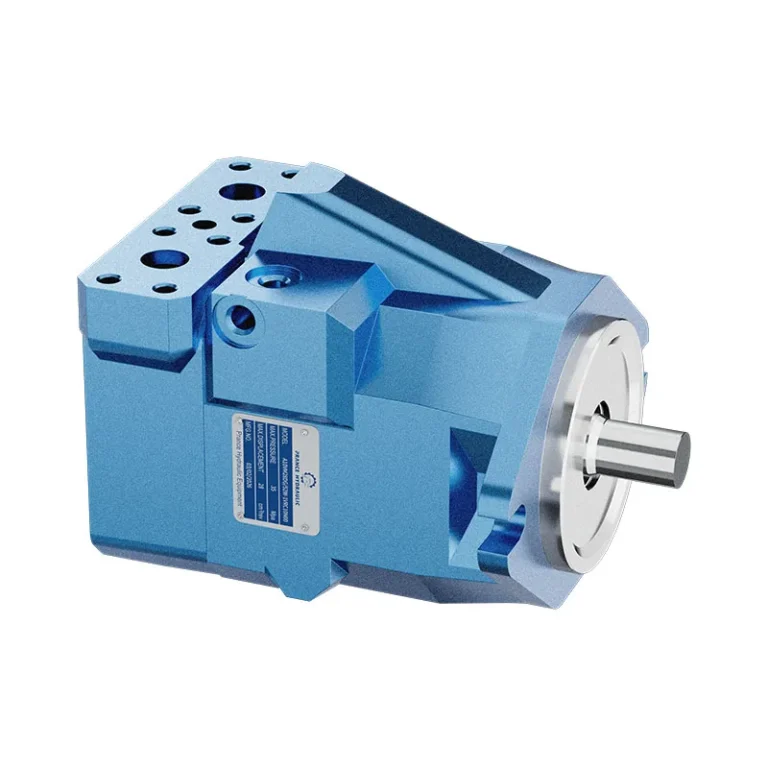
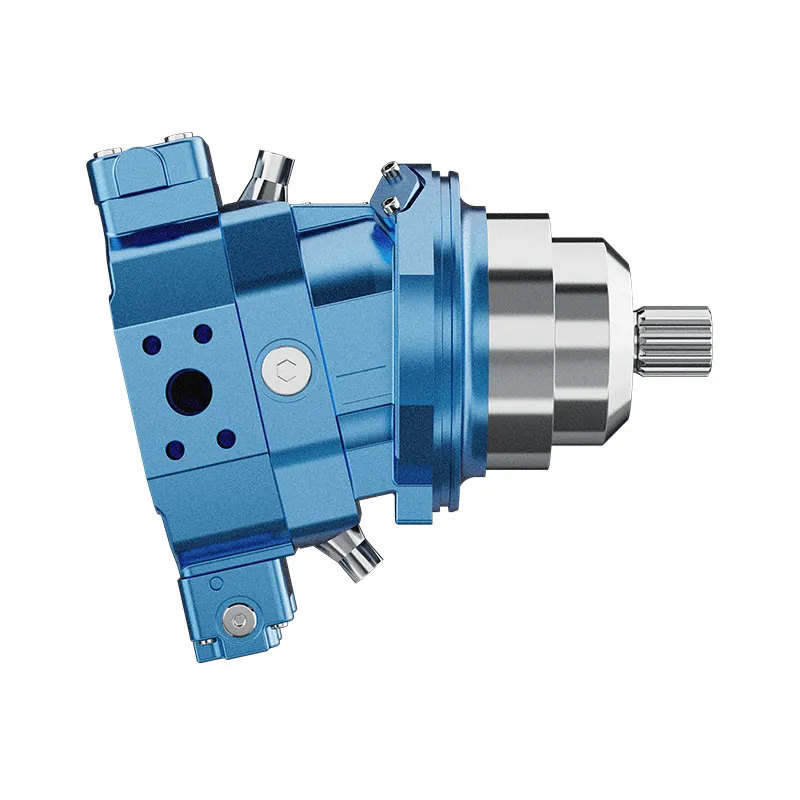
An axial variable displacement pump can be reviewed as a product-family option after diagnostic facts are complete. This page does not establish an acceptable case-drain reading or configuration for a particular Prance pump.
Use the contact page to provide:
- pump identification and existing datasheet;
- case-drain flow and case-pressure readings with the test method;
- system pressure, shaft speed, duty cycle and load state;
- fluid type, cleanliness and temperature;
- drain-line port, hose size, route, cooler and reservoir return details;
- historical readings, maintenance actions and damage photos; and
- required mounting, shaft, rotation and control information.
FAQs
What is a hydraulic pump case drain?
It is a return path for internal leakage from the pump housing to the reservoir. It also helps the housing stay filled with fluid.
Does high case drain flow mean the pump has failed?
Not by itself. Compare the measured flow with the correct model limit or a controlled baseline at the same operating conditions, then inspect plumbing and fluid condition.
How do you test case drain flow?
Follow the pump manufacturer’s approved procedure, use properly rated measuring equipment and record pressure, speed, temperature, fluid and load with the reading.
Why should the case drain return to the reservoir?
The return removes internal leakage and heat while helping maintain the housing fluid level. The exact port and routing must follow the pump documentation.
Can a restricted case drain damage seals?
Yes. Excessive resistance can raise housing pressure, and manufacturer service guidance warns that high case pressure can damage shaft seals.
Is there one normal case drain flow for all pumps?
No. Allowable flow and case pressure vary by pump design, configuration and test condition. Use the exact model’s datasheet.