Wenzhou Prance Hydraulic Equipment Co., Ltd

Piston Pump vs Vane Pump: How to Choose for Your Circuit
Piston pump vs vane pump is a circuit-selection decision, not a contest with one universal winner. Choose a variable-piston route when the circuit needs pump-level flow adjustment; choose a fixed-displacement vane route when the duty calls for a defined fixed output and the documented operating range fits the circuit.
The correct choice starts with the duty cycle, required flow, continuous and peak pressure, fluid condition, inlet layout, drive arrangement and control method. A model datasheet must confirm those inputs before a purchase decision.
Part 1. What is the practical difference between piston and vane pumps?
Both architectures are positive-displacement pumps, yet they create and control displacement in different ways. In an axial piston design, pistons move through a rotating group; a variable version can change effective displacement through its control geometry. For a broader piston-pump background, see the existing piston-pump category and piston-pump selection guide.
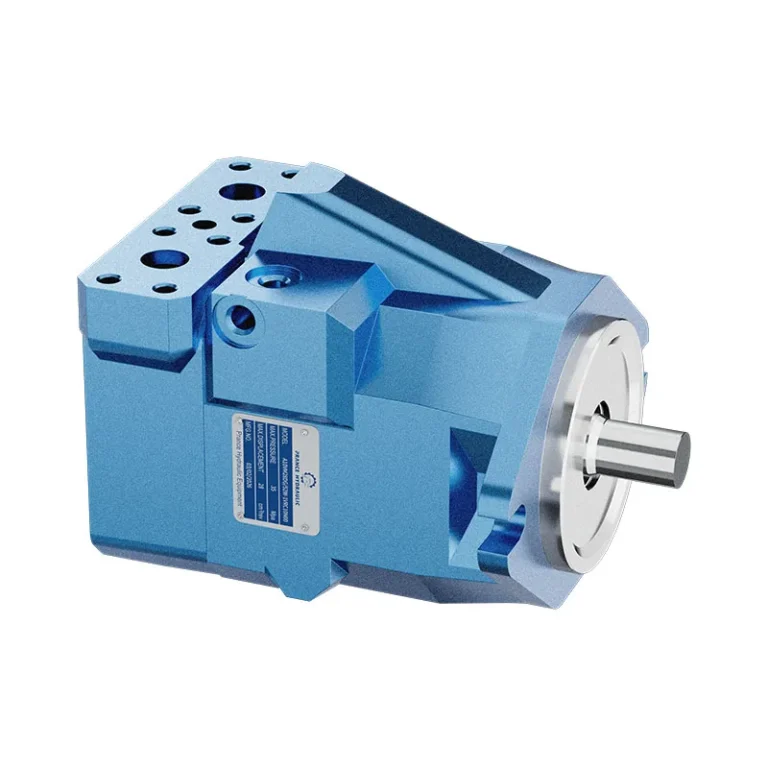
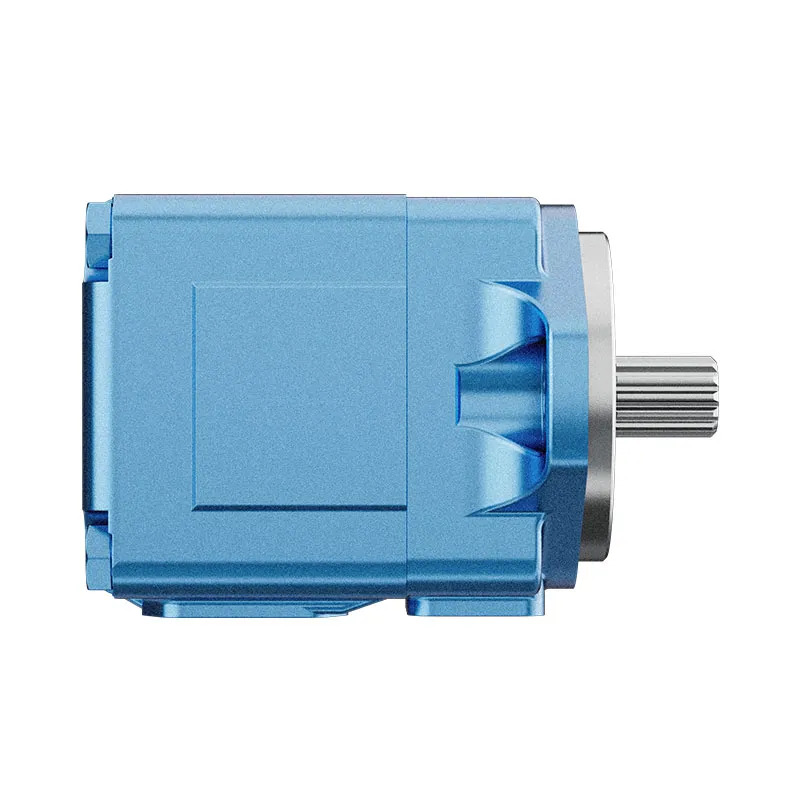
A vane pump uses vanes moving in a rotor and cam-ring arrangement. The Prance T6 page identifies a fixed-displacement vane-pump route, so its flow behavior must be assessed with the selected displacement and drive speed rather than assumed to have variable control.
| Decision point | Piston-pump path | Vane-pump path | What the buyer should verify |
|---|---|---|---|
| Displacement control | Variable piston architectures adjust displacement through their control geometry | Fixed-displacement vane routes deliver flow from selected displacement and shaft speed | Actual control type and available control options |
| Circuit role | Use where the circuit needs pump-level flow adjustment | Use where a stable fixed-output path matches the duty | Required flow profile across the duty cycle |
| Product selection | A family and model must match the application | A family and model must match the application | Datasheet limits, mounting and rotation |
The table is a selection frame, not a set of universal performance ratings. Verify the chosen model when fluid type, inlet conditions, controls or installation details change.
Part 2. Which pump architecture matches the control strategy?
Start by asking whether the machine must adjust flow at the pump. If the answer is yes, select a variable axial-piston design for review because it varies displacement instead of relying only on downstream throttling or a fixed pump output.
Use a fixed-displacement system when required flow is stable and the circuit control architecture is designed around that output. The circuit decides the architecture; the product label does not.
For a vane-pump option, define the intended fixed output, speed range and the way the circuit handles changing actuator demand. The RFQ should also identify pressure, temperature, fluid quality, viscosity, rotation, inlet conditions, shaft capability, coupling and filtration before a model is selected.
Part 3. How should pressure, flow and duty cycle guide the choice?
Pressure is a circuit result, while the pump supplies flow. Therefore, a buyer should document the continuous pressure, peak events, flow demand, speed and time at load before comparing product families.
Variable-piston designs change pump displacement as operating conditions change, making them the correct architecture to assess when the machine needs adjustable flow. Bosch Rexroth’s A10VO material illustrates this control strategy around pressure, flow and pulsation management; its published ratings remain specific to that product and do not transfer to another model. The existing high-pressure piston-pump guide is a related reading path, not a substitute for model selection.
| RFQ input | Why it changes the selection | Evidence needed |
|---|---|---|
| Continuous and peak pressure | Determines whether a specific model is within its documented duty | Circuit record and model datasheet |
| Required flow and speed range | Defines displacement and drive requirements | Operating-cycle data |
| Duty cycle and heat load | Affects the usable operating window | Run-time and ambient conditions |
| Control requirement | Separates fixed-output and adjustable-displacement options | Control schematic and actuator demand |
Avoid choosing from a single peak-pressure figure. The buyer should provide the full pressure-and-flow profile, including how long each operating point lasts and what protection devices are in the circuit.
Part 4. What operating conditions can change the answer?
Fluid quality, viscosity, temperature and inlet layout determine the practical result for either architecture. A catalogue limit applies only when its stated fluid and installation assumptions are met.
Parker’s vane-pump documentation treats inlet conditions and filtration as selection inputs, rather than installation details to be solved after ordering. That is useful guidance for any RFQ: document the fluid, temperature range, cleanliness target, inlet line, reservoir arrangement and expected start-up conditions.
Important: Do not turn a generic comparison into a model-level promise. Confirm fluid compatibility, pressure, speed, inlet requirements, mounting and rotation in the selected pump’s datasheet before ordering. (Prance T6 product route)
Noise is a system result. Pump architecture, pulsation, drive coupling, mounting, piping, fluid condition and enclosure all affect what an operator hears, so a “quiet pump” request requires measured conditions and a defined acceptance method.
Part 5. How should buyers compare total system fit instead of a headline rating?
Use the same RFQ sheet for both candidates. That prevents a comparison from becoming a list of unrelated claims and makes it easier to identify missing data early.
| Comparison item | Questions to resolve before quote | Fit boundary |
|---|---|---|
| Hydraulic duty | What are the required flow, pressure and duty-cycle points? | Do not select from nominal pressure alone |
| Fluid and cleanliness | Which fluid, viscosity range and cleanliness target apply? | Do not assume a product handles fluids outside its documentation |
| Installation | What are the drive, shaft, mounting, ports, rotation and inlet conditions? | Do not match only the flange or visual shape |
| Controls | Is fixed flow sufficient, or is displacement control required? | Do not add a control feature without a circuit need |
| Service plan | Which drawings, spare parts and inspection information are required? | Do not promise interchangeability without verified specifications |
This comparison is suitable for buyers who can provide a circuit description and model requirements. It is not suitable for a replacement request based only on a photo, a brand name or a mounting pattern.
Part 6. Which Prance product path should be reviewed before an RFQ?
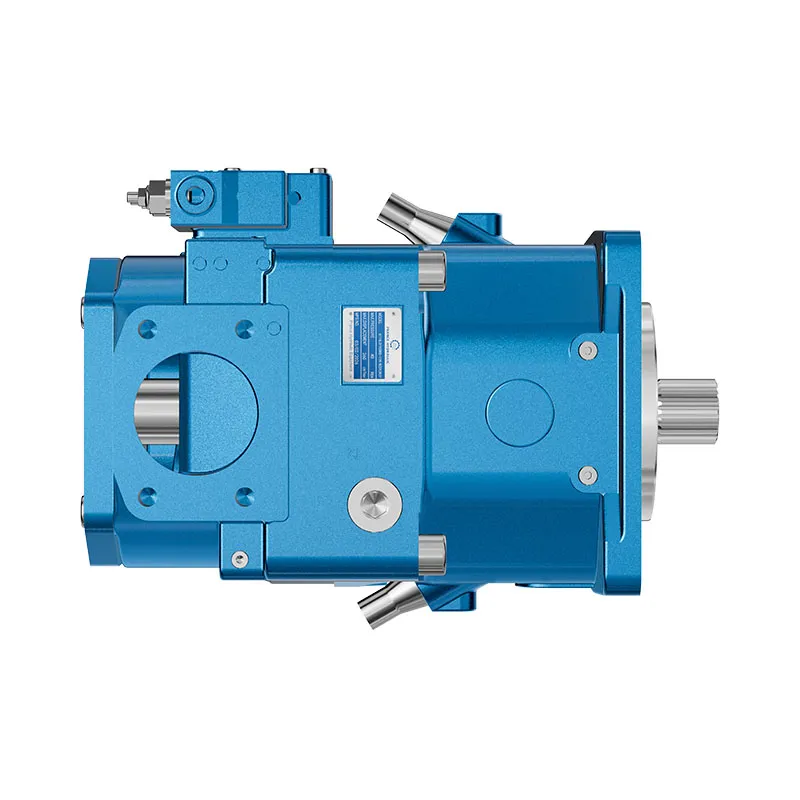
For a variable-piston route, review the Variable Axial Piston Pump A11VO after documenting the open-circuit and control requirements. For a fixed-vane route, review the Fixed Displacement Vane Pump T6 after documenting required displacement, speed, fluid and installation conditions.
Neither page should be treated as an automatic substitute for another manufacturer’s part. A correct engineering review compares documented displacement, pressure, speed, ports, mounting, shaft, rotation, controls, fluid and application conditions.
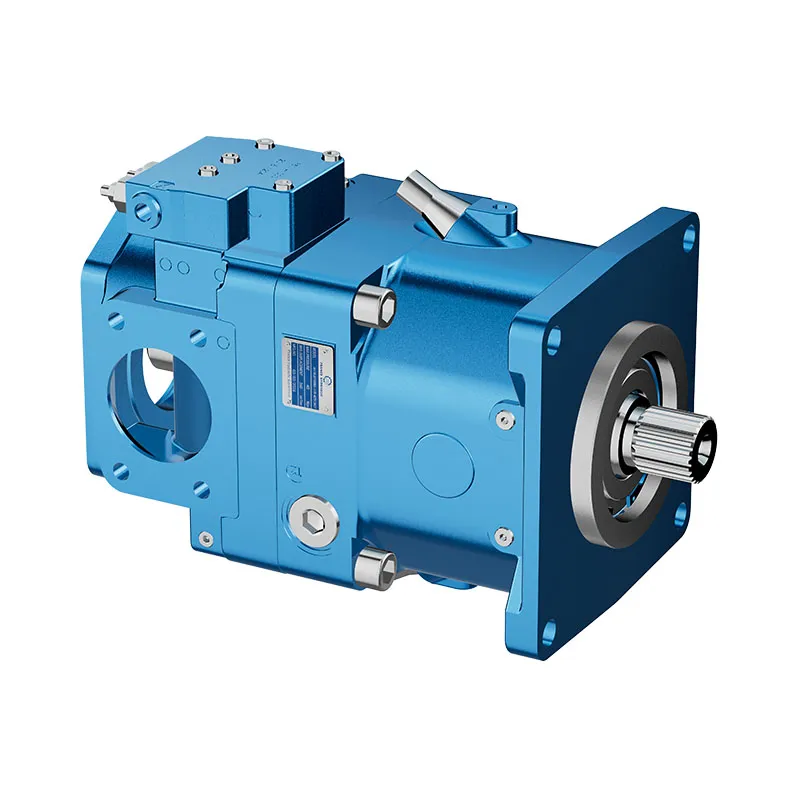
Product recommendation: use the circuit inputs to choose the product family first. Readers who need an adjustable-flow path should request review of a variable axial piston pump; readers with a fixed-output vane-pump requirement should request review of the T6 path.
For a quote review, send the required flow, continuous and peak pressure, drive speed, fluid and viscosity, cleanliness target, inlet arrangement, mounting and shaft details, control requirement, application and quantity through the Prance Hydraulic contact page.
FAQs
Which is better for a high-pressure hydraulic system: a piston pump or a vane pump?
The selected model’s documented continuous and peak ratings decide suitability. For a demanding controlled-flow duty, start with a piston-pump path; the circuit profile and datasheet then decide the specific model.
Are vane pumps quieter than piston pumps?
Noise cannot be decided by architecture alone. Compare the selected model, pulsation behavior, drive, mounting, piping, fluid condition and measurement method.
Can a vane pump provide variable displacement?
Some vane-pump designs can use variable-displacement concepts, but the Prance T6 page reviewed here is a fixed-displacement product path. Confirm the specific model and controls rather than generalizing from the pump type.
What information is needed to choose a hydraulic pump?
Provide flow or displacement, continuous and peak pressure, speed, duty cycle, fluid and viscosity, cleanliness, inlet conditions, mounting, shaft, rotation, control requirement and application.
Does fluid contamination affect piston and vane pumps differently?
Contamination risk must be evaluated against the selected product documentation and the circuit’s filtration plan. Do not rely on a generic tolerance claim when choosing a model.
Can an existing pump be replaced by matching only the mounting flange?
No. Mounting is only one check; the replacement review also needs displacement, pressure, speed, ports, shaft, rotation, controls, fluid and application information.