Wenzhou Prance Hydraulic Equipment Co., Ltd

What Causes Hydraulic Pump Cavitation and How to Prevent It
Hydraulic pump cavitation occurs when the pump inlet cannot maintain the pressure required for the fluid and duty, allowing bubbles to form and collapse. The collapse can erode internal surfaces and reduce performance. Start by checking the inlet condition at the pump port, then correct the restriction, air leak or operating condition before selecting a replacement.
Contents
- Part 1. What is hydraulic pump cavitation?
- Part 2. Which inlet restrictions create cavitation?
- Part 3. How is cavitation different from aeration?
- Part 4. Which fluid, reservoir and speed conditions matter?
- Part 5. What is the safest diagnostic sequence?
- Part 6. What should be confirmed before a replacement-pump review?
Part 1. What is hydraulic pump cavitation?
At the inlet, a positive-displacement pump must receive enough fluid to fill its pumping chambers. Danfoss describes cavitation as the formation and collapse of vapor and/or air bubbles when inlet conditions starve that supply. Their collapse can pit or erode surfaces and reduce volumetric efficiency.
Noise alone is not a conclusive diagnosis. A new harsh sound, reduced output or hot oil should trigger an inlet-side check, but the measured inlet condition and the selected pump’s documentation determine whether cavitation is present.
Part 2. Which inlet restrictions create cavitation?
Restriction raises the pressure loss between reservoir and pump. A blocked strainer, undersized or damaged suction hose, unnecessary fittings, a closed valve, or excessive suction lift can leave too little pressure at the inlet.
Parker’s service guidance favors short, straight suction piping and calls for checking the catalog inlet-pressure requirement. Inspect the whole path instead of replacing a single part:
- reservoir oil level and pickup submergence;
- hose condition, diameter and internal collapse;
- strainer condition and any restriction indicator;
- fittings, valves and adapters; and
- inlet pressure at the pump port under the actual duty.
Part 3. How is cavitation different from aeration?
Both faults can create noise and damage, yet their corrective actions differ. Cavitation is primarily an inlet-pressure problem; aeration involves air entering or remaining in the fluid. A suction-side leak may admit air without leaving an external oil leak, so inspection must include seals, clamps and connections.
| Observation | Check first | Boundary |
|---|---|---|
| Inlet vacuum rises as duty rises | Restriction, hose, strainer and inlet layout | Compare against the model datasheet. |
| Foamy oil or unstable actuator motion | Air entry, reservoir return arrangement and fluid level | Do not diagnose from foam alone. |
| Persistent noise after inlet corrections | Internal damage, bearings and contamination | Use qualified inspection and manufacturer limits. |
Part 4. Which fluid, reservoir and speed conditions matter?
Fluid viscosity changes inlet resistance. Cold, viscous oil can make a marginal inlet arrangement fail, while temperature and fluid type also affect the selected pump’s permitted operating range. Danfoss notes that inlet limits are product- and condition-dependent, including fluid and altitude.
Pump speed matters because a higher speed demands more inlet flow. Do not use a generic vacuum, hose-size or speed limit as a substitute for the selected pump’s datasheet. Confirm the actual shaft speed, not only engine speed, when a PTO, gearbox or variable drive is present.
For the related displacement-and-speed calculation, see hydraulic pump flow calculation. A flow calculation does not prove the inlet will fill the pump correctly.
Part 5. What is the safest diagnostic sequence?
Protect people and equipment before opening hydraulic connections. Isolate energy, follow the machine manufacturer’s service method and treat hot pressurized fluid as hazardous.
Then record the operating condition rather than guessing from a removed pump:
- Note noise, temperature, pressure, speed and the point in the duty cycle when the symptom occurs.
- Inspect reservoir level, fluid appearance, breather, pickup and suction plumbing.
- Check hose collapse, loose connections and filter or strainer restriction.
- Measure inlet condition at the pump port using a method suitable for the machine.
- Compare readings and duty with the selected pump’s inlet, speed and fluid requirements.
If erosion or abnormal case-drain behavior is present, preserve the evidence and investigate contamination and the root cause before commissioning another unit.
Part 6. What should be confirmed before a replacement-pump review?
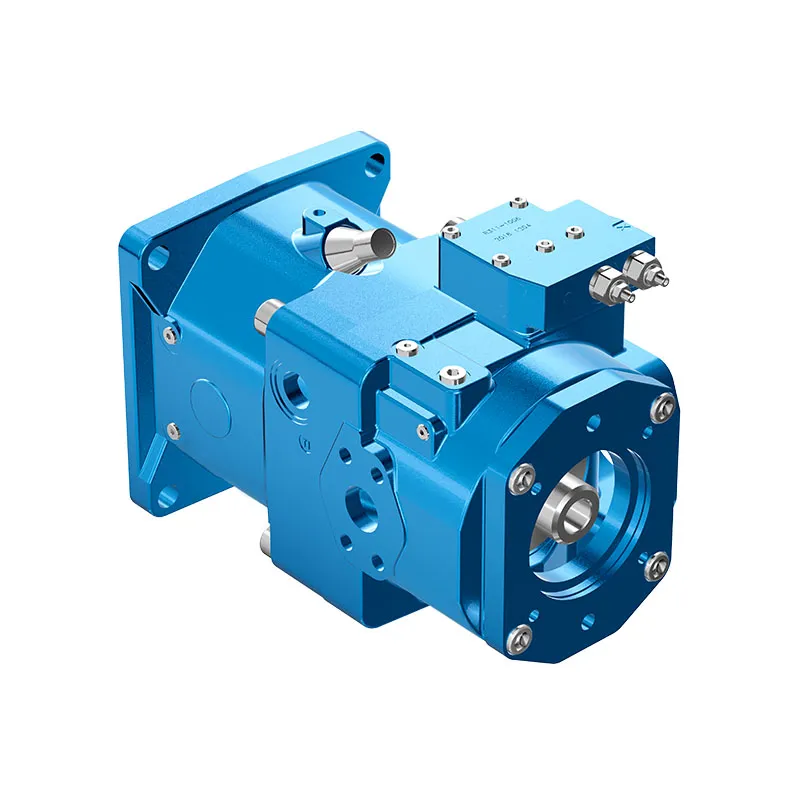
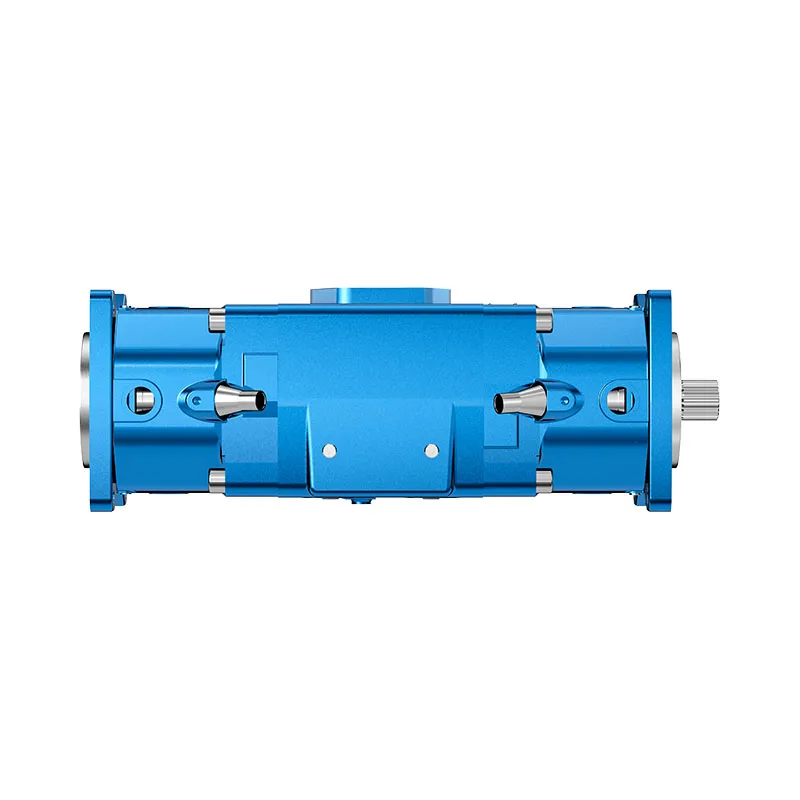
Correcting cavitation begins with the circuit, not a model name. A variable axial piston pump can be considered only after the application data is reviewed against its own documentation; this article does not establish a specific Prance configuration.
Send these inputs through the contact page for a datasheet-based review:
- pump and machine identification;
- required flow, continuous and peak pressure, and duty cycle;
- shaft speed and drive arrangement;
- fluid type, viscosity range, temperature and cleanliness;
- reservoir level, inlet hose dimensions, fittings and filtration;
- inlet pressure or vacuum reading at the pump; and
- mounting, shaft, rotation and control requirements.

FAQs
What causes hydraulic pump cavitation?
Insufficient inlet pressure causes the pump to receive too little fluid for the duty. Restrictions, unsuitable plumbing, air leaks, fluid condition and speed can contribute, so confirm the inlet condition at the pump.
What does hydraulic pump cavitation do?
Bubble collapse can erode internal surfaces and reduce volumetric efficiency. Continued operation can turn an inlet problem into component damage.
Can a suction strainer cause cavitation?
Yes. A restricted strainer raises inlet pressure loss. Check its condition and compare the resulting inlet condition with the pump manufacturer’s requirement.
Is cavitation the same as aeration?
No. Cavitation is linked to inadequate inlet pressure, while aeration involves air in the fluid. They can occur together and require different checks.
Does cold oil make cavitation more likely?
It can. Higher viscosity can increase inlet resistance. Confirm fluid temperature and viscosity against the selected pump’s documentation.
Should I replace a pump that has cavitated?
Do not decide from noise alone. Correct and document the inlet cause, inspect for damage and use the manufacturer’s allowable limits to decide whether repair or replacement is necessary.