Wenzhou Prance Hydraulic Equipment Co., Ltd

How should buyers check hydraulic gear pump leakage?
Check hydraulic gear pump leakage by identifying the leak path before selecting a remedy. A wet area near a pump may originate at a shaft seal, port connection, hose, fitting or nearby component. Internal flow loss is a separate condition that cannot be confirmed from external fluid alone.
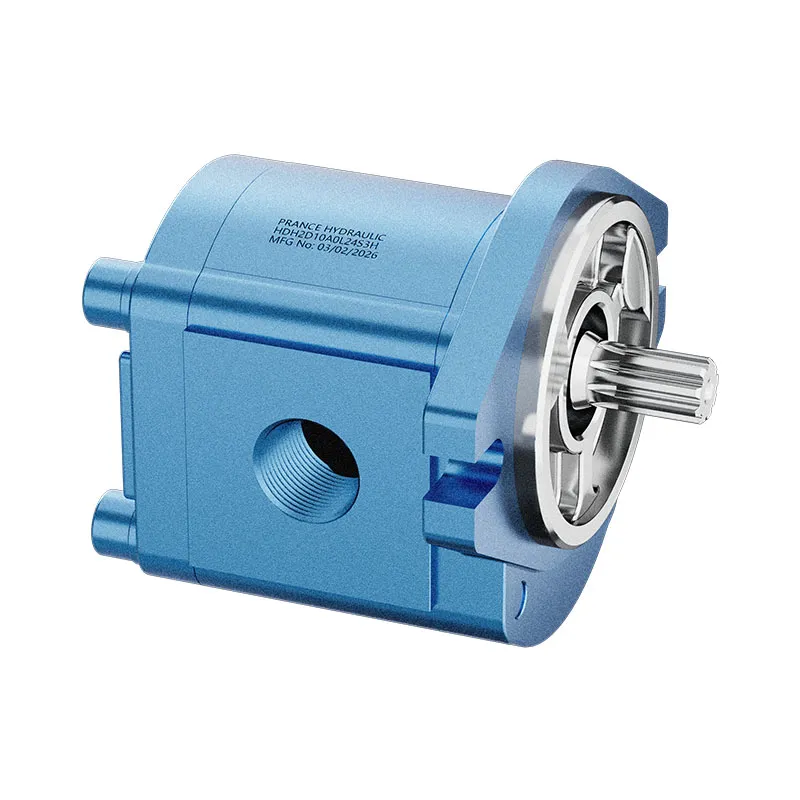
Part 1. What counts as a hydraulic gear pump leakage symptom?
External leakage is fluid escaping from an observable location. Start by cleaning and documenting the area according to the approved maintenance procedure, then note the first point where fluid reappears. A wet pump housing alone does not establish that the housing is the source.
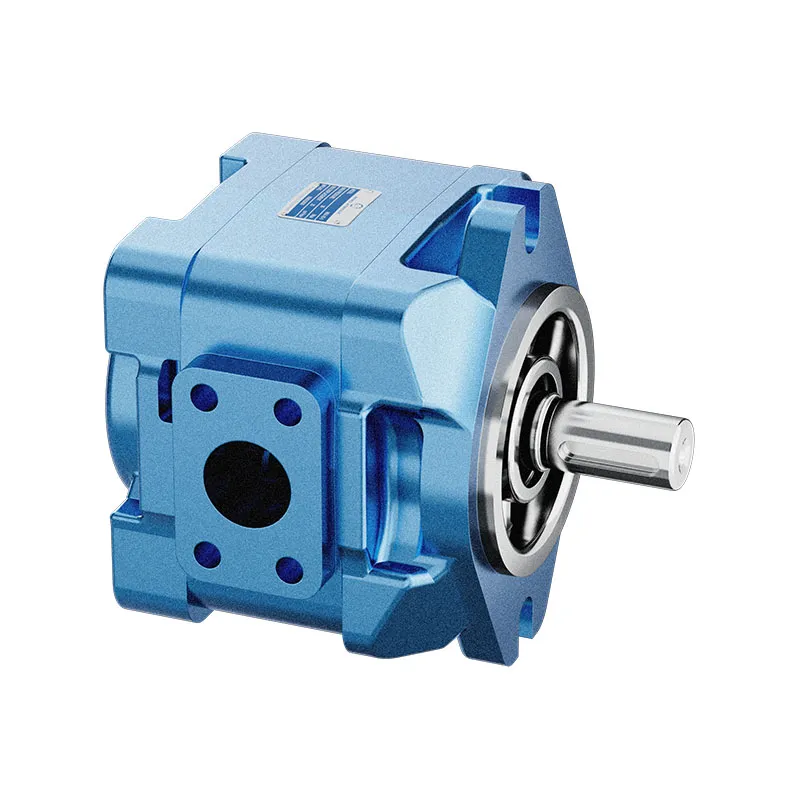
Record whether the fluid is near a shaft, port, fitting, mounting surface or hose. Take photos, identify the operating condition and capture the pump label. Those facts make a follow-up technical review more useful than a general report that the pump is leaking.
Part 2. How are external leakage and internal loss different?
External leakage is visible outside the fluid path. Internal loss occurs inside the hydraulic component or circuit and can appear as reduced delivered flow, increased heat or reduced actuator performance without the same visible wet area.
Theoretical flow is based on displacement and shaft speed, while actual delivered flow depends on losses and operating conditions. Use the hydraulic pump flow calculation guide to document the duty point before drawing conclusions from a flow symptom.
Part 3. Which checks should come before a replacement decision?
First make the system safe under its approved isolation procedure. Then inspect the pump label, shaft area, ports, fittings, hoses and mounting faces. Confirm the fluid level and look for evidence that the leak begins elsewhere and travels across the pump surface.
Check whether the symptom changes with speed, pressure or temperature. A symptom that appears only at a defined operating point needs that duty information in the record. Do not loosen pressurized connections or use a visual symptom as proof of the final root cause.
Part 4. Which system conditions can mislead an inspection?
Poor inlet conditions, wrong fluid, excessive temperature, contamination and incorrect installation can affect hydraulic system behavior. They may coexist with a visible leak, but they are not automatically the cause of it.
Review the hydraulic pump inlet conditions checklist and the hydraulic pump cavitation prevention guide. These guides identify system inputs that need review; they do not replace a model-specific inspection.
Part 5. When should a buyer request product documentation?
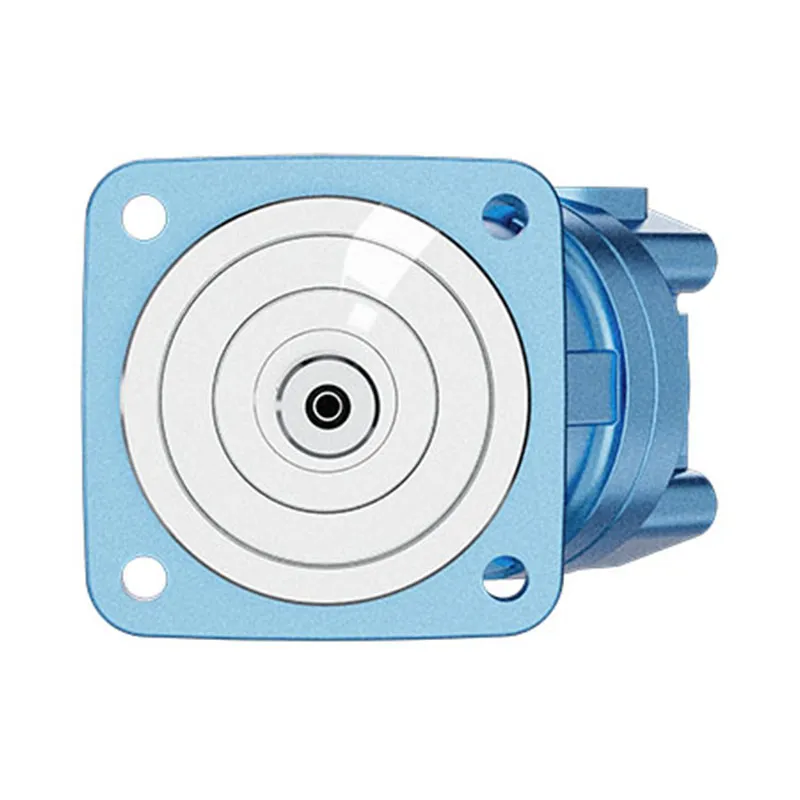
Request documentation when the original identification is incomplete, when a replacement is being considered, or when a repeated symptom needs comparison against the documented installation and operating range. The review should cover mounting, shaft, ports, rotation, required flow, pressure and fluid conditions.
An external gear pump or internal gear pump page is a starting point for product-family discussion. It does not prove replacement compatibility.
Part 6. What should a leakage-related RFQ include?
Provide the evidence collected during the inspection:
- pump model identification and photos;
- location and timing of the visible symptom;
- required flow, pressure, speed and duty cycle;
- mounting, shaft, ports, rotation and coupling details;
- fluid type, temperature, cleanliness and inlet arrangement; and
- application, quantity and required documentation.
Use the hydraulic pumps range and contact page to submit the information. A model recommendation requires the complete application data and the selected product documentation.
FAQs
What causes hydraulic gear pump leakage?
The source may be a seal, port connection, fitting, hose, mounting surface or nearby component. Trace the first point where fluid appears before deciding on a remedy.
Can internal leakage be seen from outside the pump?
Not necessarily. Internal loss can affect delivered flow without creating the same visible external leak path.
Should I replace a pump because fluid is visible?
No. First identify the source and collect the application data. A visible symptom alone does not prove that the pump requires replacement.
Does a leaking fitting mean the pump has failed?
No. A fitting or hose issue can create a visible symptom near the pump. Inspect the actual source before assigning the cause.
What should I inspect before ordering a replacement?
Collect model identification, photos, mounting, shaft, ports, rotation, required flow, pressure, fluid and application information.
What should be included in a leakage-related RFQ?
Include the symptom record plus the complete operating and installation data so the product documentation can be reviewed against the duty.
References
- Parker basic hydraulic formulas — flow, pressure and pump-analysis relationships.
- Danfoss Series 40 technical information — theoretical flow and operating-condition context.