Wenzhou Prance Hydraulic Equipment Co., Ltd

How should torque and speed shape a hydraulic motor review?
How should torque and speed shape a hydraulic motor review? Start with the actual duty, circuit limits and installation interfaces. A family name, a photo or a previous part number cannot by itself confirm that a model will meet the new application.
Part 1. Define the operating question
A useful hydraulic motor torque and speed review begins with a specific task: drive, hold, control, reverse or protect a load. Describe what the machine must do and what happens when its load changes. That context prevents a component label from being treated as a complete selection rule.
Write down the existing circuit function and the reason for the review. Replacement, new design and troubleshooting work can require different information.
Part 2. Record duty and circuit data
Collect flow, pressure limits, speed, torque or actuator demand as applicable. List fluid type, expected temperature, filtration approach and duty cycle. Separate normal operation from starting, reversing, shock or other short-duration events.
The selected model documentation remains the source for permitted operating limits. The input list makes that documentation review possible; it does not create a performance rating.
Part 3. Check interfaces before comparing options
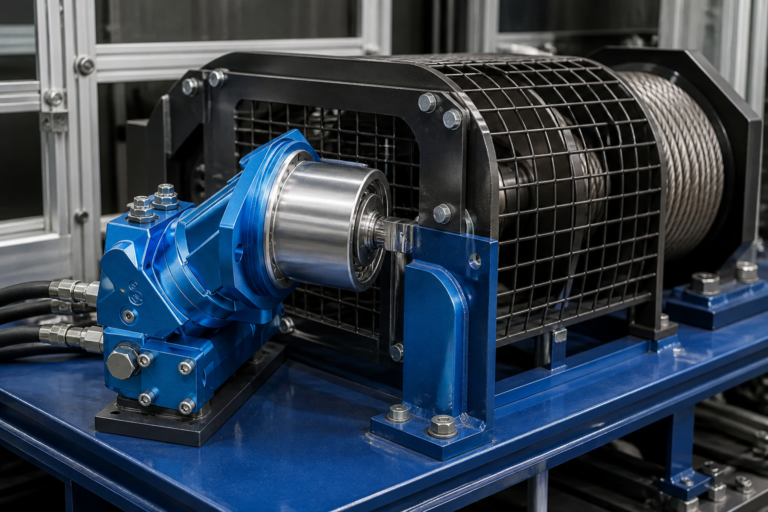
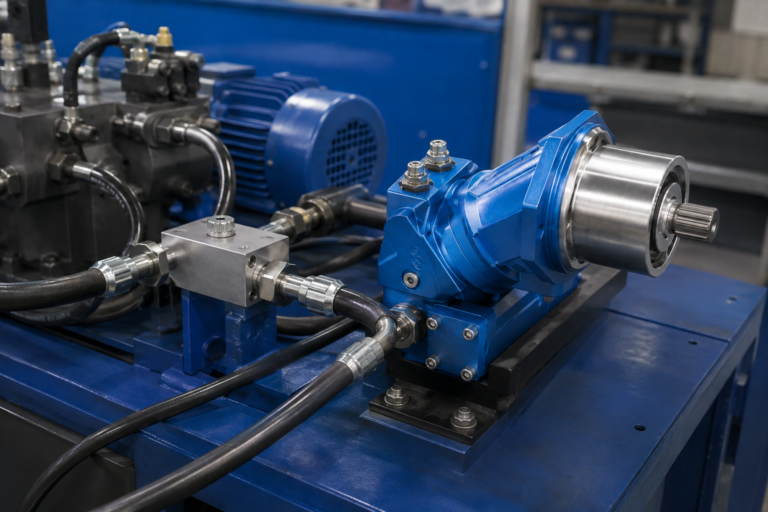
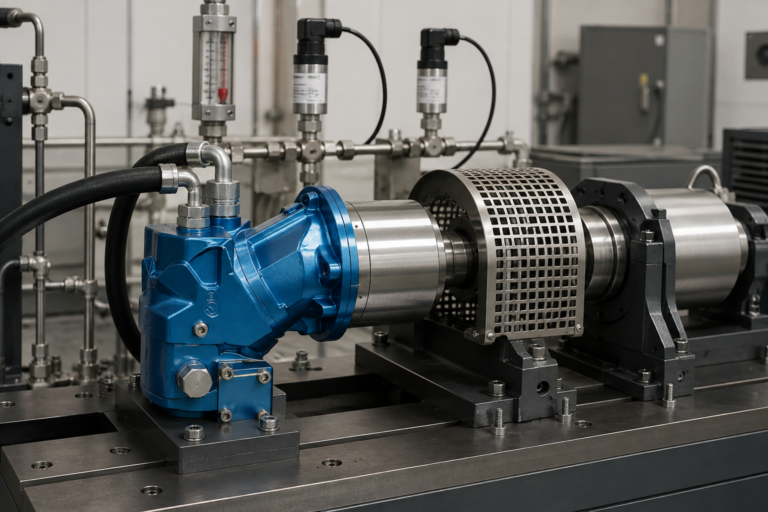
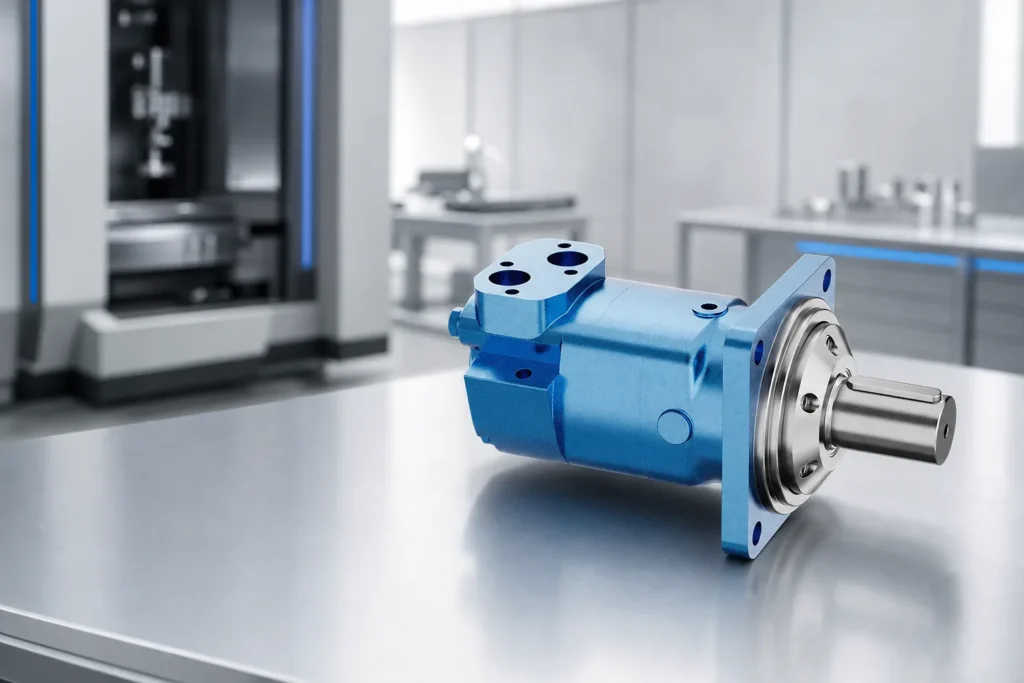
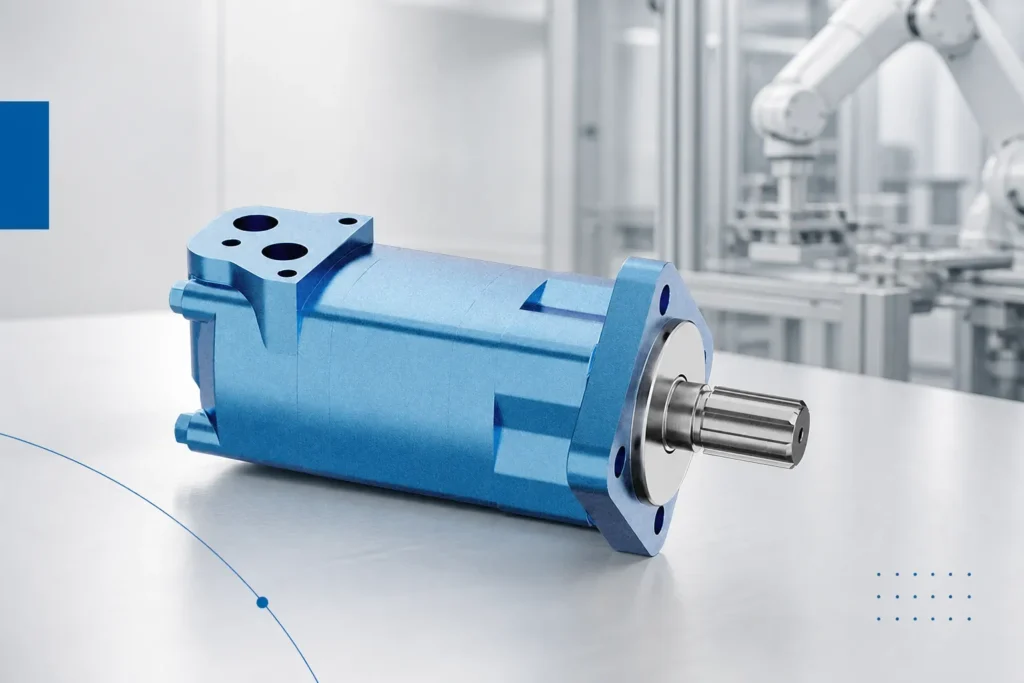
Mounting flange, shaft or spool arrangement, port layout, electrical connector, pilot connection and envelope space should be checked against the installed equipment. Photos help identify visible interfaces, but dimensions and documentation should be confirmed before a replacement is ordered.
Where a drain, return or control line is involved, record its routing and any restriction that could affect the circuit.
Part 4. Separate steady duty from transient conditions
A component may encounter different demands during starting, acceleration, deceleration, reversal or an overrunning load. Record those events with the expected frequency and duration. A continuous operating point should not be assumed to represent every circuit condition.
Include any relief, brake, load-holding or electronic control arrangement in the review. These circuit elements can change the information needed for a component discussion.
Part 5. Build a reviewable RFQ
A buyer can provide application description, required output, pressure and flow limits, fluid, temperature, duty cycle, mounting data, ports, controls and available drawings. Add the required documents, target market requirements and any replacement constraints.
This package lets the supplier compare the request with the applicable model information. It is better than asking for a direct interchange from a nameplate alone.
Part 6. Keep the recommendation within the evidence
Prance Hydraulic can review its hydraulic motor and hydraulic valve families after the application inputs are collected. Related reading includes hydraulic motor displacement selection and piston motor versus orbit motor.
For a product recommendation, use the contact page to submit the complete RFQ. Do not treat this guide as confirmation of exact compatibility, certification, delivery time or performance for a named model.
FAQs
Can a previous component number confirm a replacement?
No. It is a useful starting reference, but duty, interfaces and applicable documentation still need review.
Which operating inputs should be listed first?
Record the required function, flow, pressure, speed or torque as applicable, fluid, temperature and duty cycle.
Why are transient conditions important?
Starting, reversal and changing loads can differ from the steady operating point.
Are photographs enough for interface confirmation?
They can support identification, but dimensions, ports and documentation should also be checked.
Can this guide select a named Prance model?
No. A model review requires the full application inputs and the applicable datasheet.
What should a hydraulic component RFQ include?
Include duty, circuit limits, fluid, interfaces, controls, drawings and requested documentation.
References
- Parker hydraulic formulas reference — relationships among flow, pressure, speed and power.
- Danfoss technical information — model operating conditions and documentation review context.