Wenzhou Prance Hydraulic Equipment Co., Ltd

How should a team select a proportional hydraulic valve for a controlled axis?
Proportional hydraulic valve selection for a controlled axis begins with the motion task, not with a familiar valve code. Collect axis, hydraulic and electronics inputs together so the RFQ can be reviewed against real model limits.
Part 1. What axis behavior must the valve support?
Describe whether the axis needs speed control, positioning assistance, force control support or smooth acceleration. Note cycle rate and whether several axes share one manifold or supply.
Part 2. Which hydraulic duty values belong in the first worksheet?
Record required flow, load pressure, supply pressure, fluid type, temperature range and filtration expectations. Separate continuous and peak values so sizing is not based on a single snapshot.
Part 3. How should command and feedback needs be stated?
| Input | Example detail | Send with quote |
|---|---|---|
| Command type | +/-10 V, 4-20 mA, fieldbus, etc. | Yes |
| Feedback need | None, spool, or axis feedback handled elsewhere | Yes |
| Amplifier location | On-board or external | Yes |
| Axis sensors | What already exists on the machine | Yes |
Do not assume every proportional valve includes the electronics or feedback device you expect.

Part 4. When does pilot-operated proportional construction enter the shortlist?
Higher flow or higher force requirements often push the review toward pilot-operated proportional constructions. Confirm pilot supply and drain needs at the same time.
Part 5. Which documentation closes the selection loop?
Request the datasheet, outline drawing, connector pinout, recommended fluid cleanliness and any commissioning notes required by the project. Performance adjectives without numbers are not enough.
Part 6. What product-route package should the buyer send?
Include axis description, flow, pressure, fluid, command interface, feedback expectations, mounting and required documents.
- Product-family route: proportional valve family after axis inputs are complete
- Send with quote: command, feedback and duty worksheet
- Fit boundary: dynamic performance is model- and setup-specific
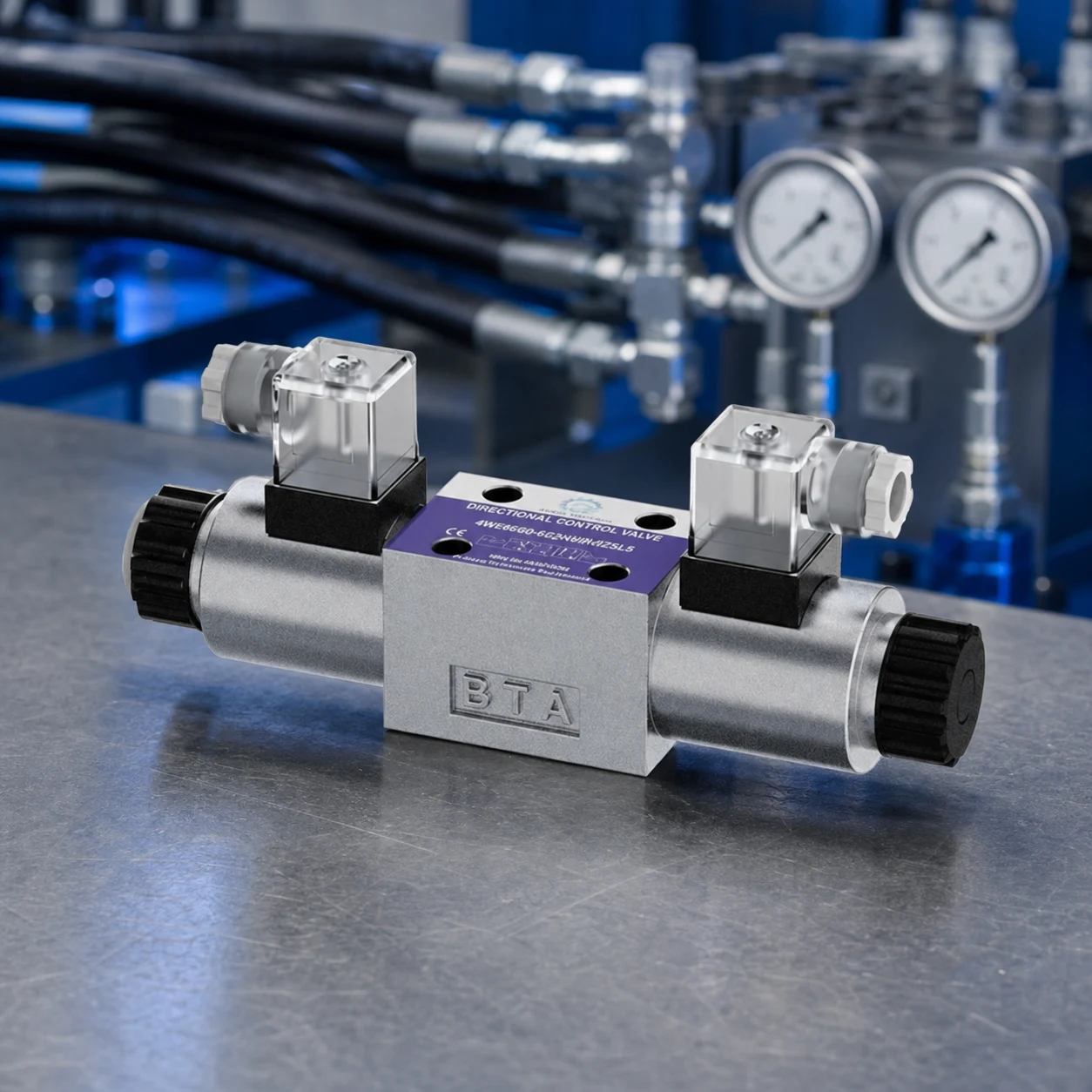
Important: Do not claim closed-loop performance from a valve family name; confirm command, feedback and dynamic limits in the model documentation. — Parker basic hydraulic formulas
Use the following related guidance during the review:
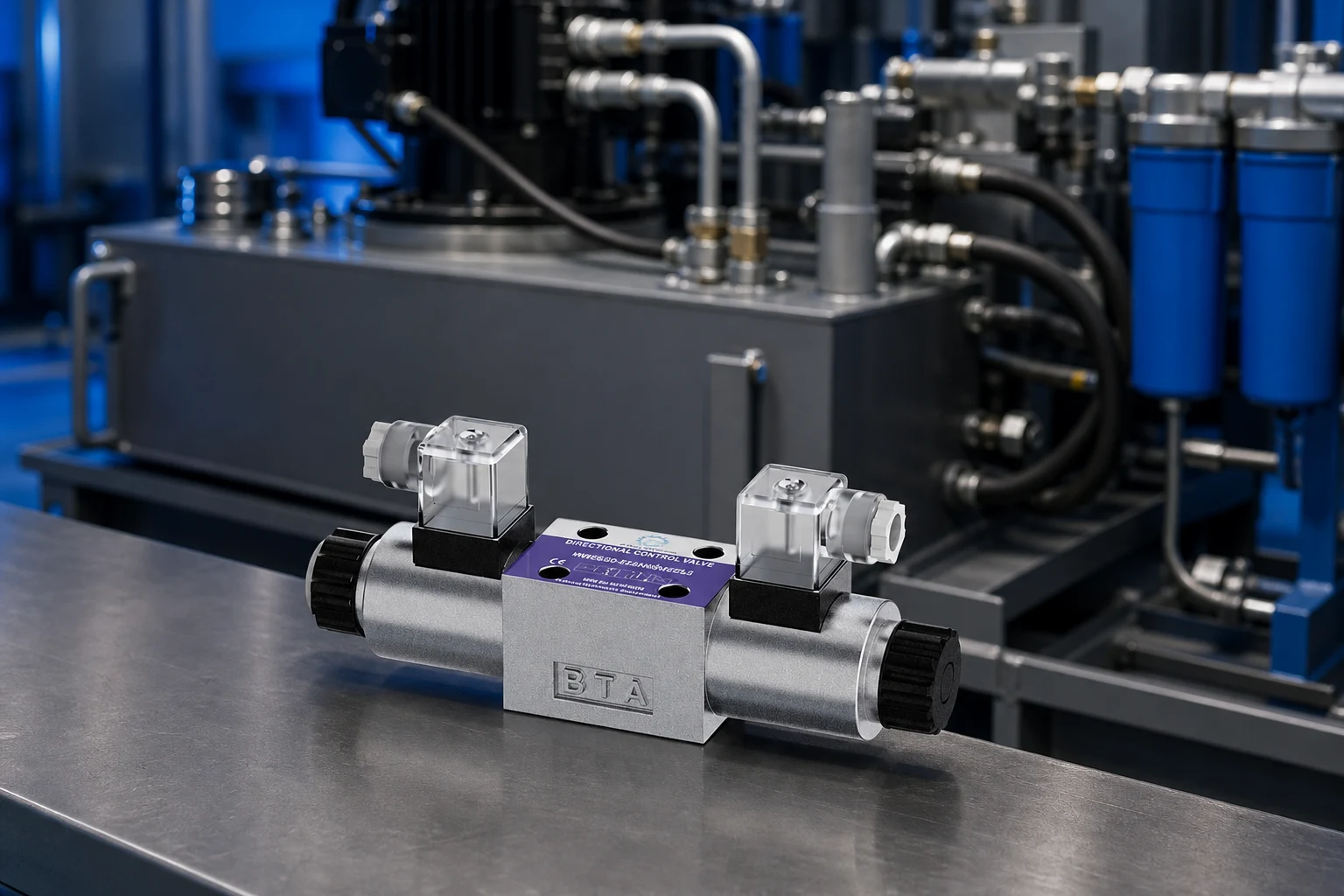
For a product-family review, start with the hydraulic valves range, review the proportional valve 4WRAE route when relevant, then submit the full application through the contact page. A model recommendation requires the applicable datasheet and complete operating inputs.
FAQs
What is the first input for proportional valve selection?
The controlled-axis motion requirement and the hydraulic duty that supports it.
Do all proportional valves include onboard electronics?
No. Confirm amplifier location and connector details in the model documentation.
Is position feedback always required?
Only when the control strategy needs it. State the requirement explicitly.
When should pilot-operated proportional valves be reviewed?
When flow or force needs exceed what a suitable direct-operated option can support per datasheet review.
Can a directional on/off valve replace a proportional valve?
Only if the axis no longer needs modulated control. That is a design change, not a drop-in assumption.
What should a buyer provide in the RFQ?
Axis behavior, duty data, command interface, feedback needs, fluid and mounting details.
References
- Parker basic hydraulic formulas — flow and pressure inputs needed before proportional axis valve selection.
- Danfoss Series 40 technical information — displacement and speed context that parallels controlled-axis duty definition.