Wenzhou Prance Hydraulic Equipment Co., Ltd

How to prepare a hydraulic fluid viscosity selection record for pumps, motors, and valves
Hydraulic fluid viscosity selection begins with the installed component documentation and an accurate record of fluid, temperature, duty, and system history. A nominal grade on a container or a familiar fluid name does not by itself show what a pump, motor, or valve requires in a particular application.
Part 1. What does viscosity selection actually require?
Viscosity is a property considered within a working hydraulic system, not a label to choose in isolation. A useful review starts by identifying the current fluid, the installed pump, motor, and valve documentation, the machine duty, and the temperatures and conditions under which the concern appears. That record gives a reviewer context for the question rather than a detached request for a grade.
The same nominal fluid name can be an incomplete answer when the product document, application, or temperature history is unknown. Separate what the buyer knows from what still needs confirmation. For example, a container label may be known while the component version, prior fluid history, observation temperature, or exact circuit function remains unclear.
Do not turn this page into a universal viscosity chart. Product-specific requirements, permitted fluids, limits, and change procedures belong to the applicable documentation and project process.
Part 2. Which operating observations belong in the fluid record?
Record the conditions that give a fluid question meaning. State the fluid identity as known, the observation or design temperature context, the active machine function, the relevant component, and whether the reported information is measured, documented, or still unknown. If a pressure, flow, noise, or response issue is part of the question, retain its operating state and measurement location.
| Buyer should provide | Why it matters | Send with quote |
|---|---|---|
| Current fluid identity and available documentation | Establishes what is actually in the system | Mark confirmed versus assumed fields |
| Temperature context and machine state | Links the question to an operating condition | State where and when observed |
| Pump, motor, valve, and circuit documents | Identifies which requirements apply | Include document revision when available |
| Fluid-change, maintenance, and contamination history | Identifies relevant open questions | Avoid interpreting history as approval |
| Observations of response, noise, heat, or leakage | Preserves symptom context | Include unit, location, and test condition |
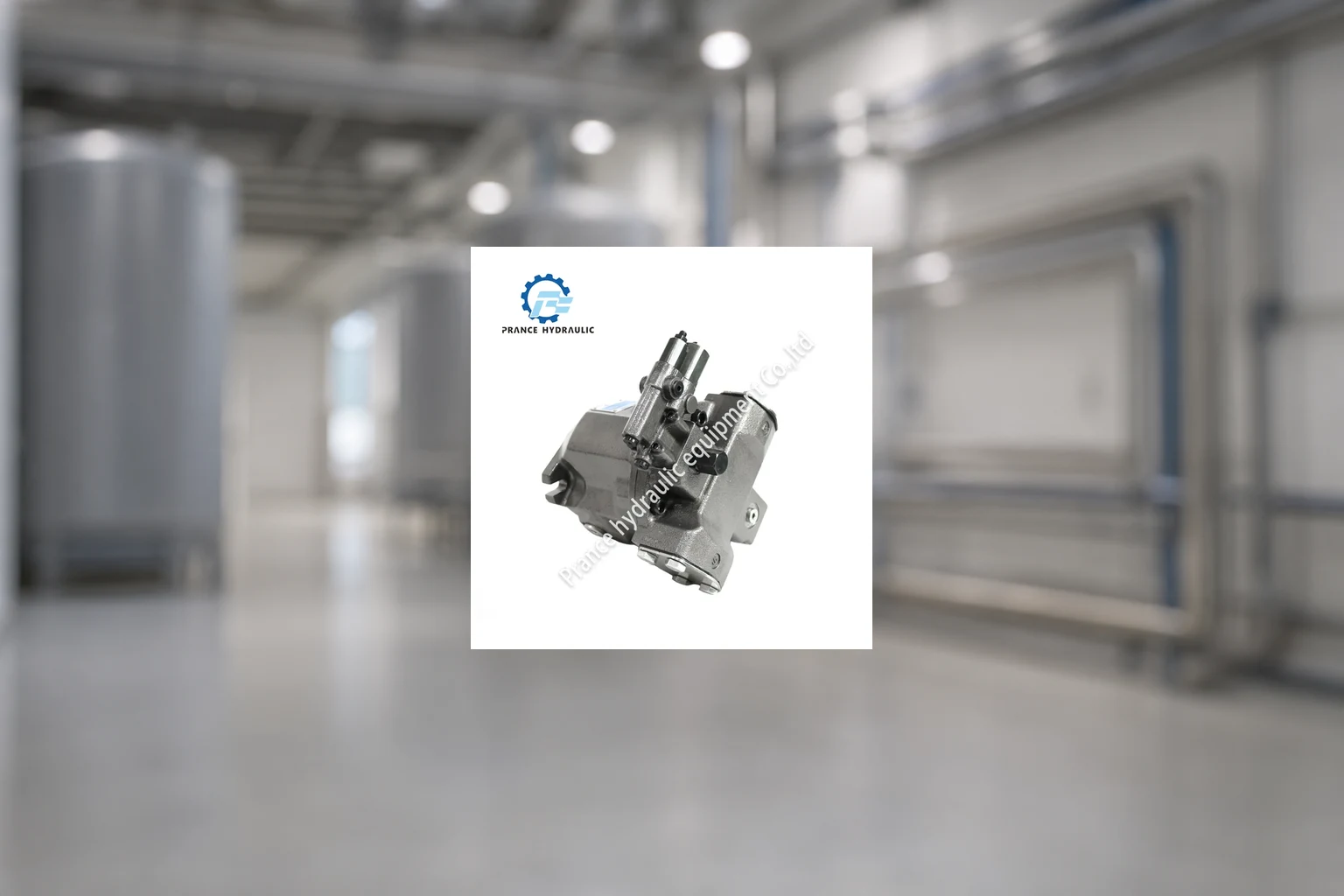
The hydraulic system specification checklist is useful when a team needs to assemble circuit and duty evidence before it asks a fluid-related question.
Part 3. Why must component documents lead the decision?
Pump, motor, and valve conclusions are bounded by their applicable technical documentation. A fluid label cannot reveal every condition associated with the selected component, and a component family route cannot substitute for the actual model record. Use the installed or proposed document as the reference point, then compare the known project conditions with the fields that document requires.
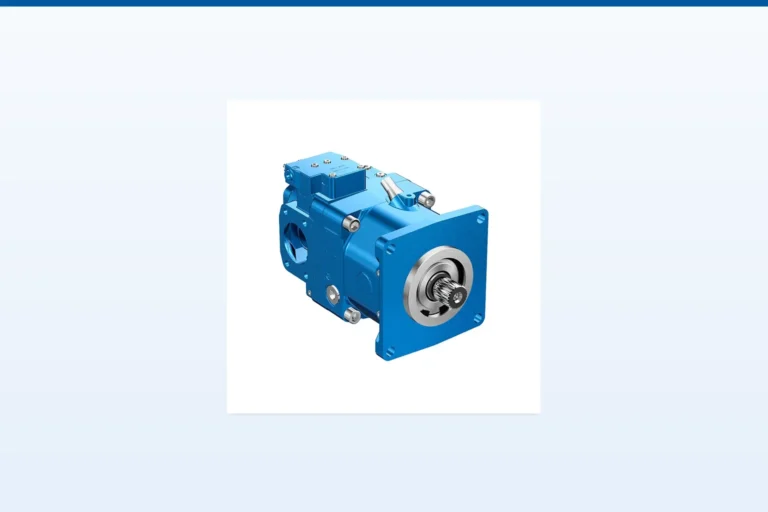
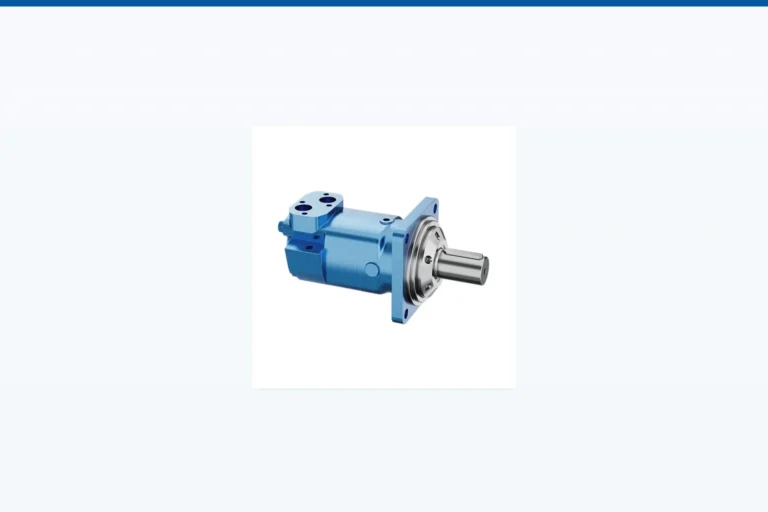
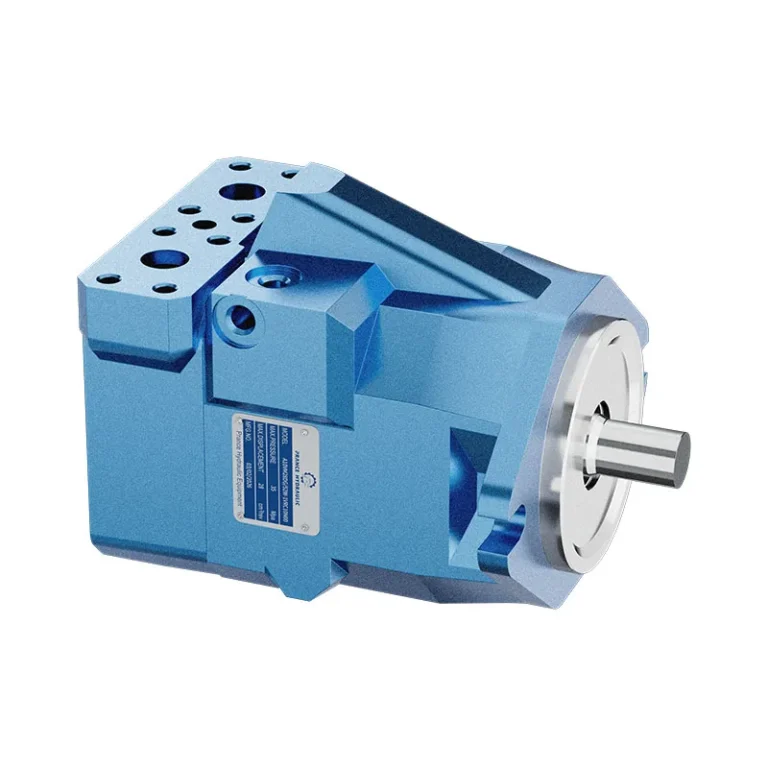
This is why a viscosity question should name the component role and circuit function. A pump, motor, and valve can each be part of the same system while serving different functions and facing different conditions. The hydraulic pump product family, hydraulic motors range, and hydraulic valves range are navigation routes, not confirmation of an approved fluid.
Important: Do not select, mix, or change fluid by assuming that a familiar grade applies across every component. Confirm the selected item’s documented conditions against the actual fluid and operating record. The Danfoss H1F motor technical information illustrates the model-document boundary.
Part 4. Which fluid-history questions change the review?
Ask whether the fluid identity is confirmed, whether the system has a documented change history, whether contamination control is an open question, and whether the observation began after a maintenance event or a duty change. These questions do not prove a cause, but they help prevent a reviewer from treating the fluid record as complete when it is not.
Cleanliness and inlet conditions belong to the wider system discussion. Use the hydraulic pump contamination control article and hydraulic pump inlet conditions guide to organize adjacent evidence. Neither page authorizes a fluid choice for a named component.
When a team cannot identify the prior fluid or whether a change was controlled, state that gap directly in the review request. A clear unknown is safer than a guessed mixing or compatibility statement.
Part 5. When should a buyer avoid a fluid change by assumption?
Pause when the component documentation is missing, the existing fluid cannot be identified, the operating temperature context is unknown, the observed issue has no documented condition, or a proposed change would be based only on a nominal grade. Pause as well when the system includes multiple components and the buyer has not established which documents govern each relevant requirement.
Unexpected heat, noise, slow response, leakage, or a recent failure should be recorded with the active function and conditions. Those observations can trigger review, but they do not establish that viscosity is the cause. Do not use this article as a diagnostic or maintenance instruction.
The responsible site’s approved process remains in control of servicing, sampling, changeover, and machine operation. This article is a procurement and evidence checklist, not an operational procedure.
Part 6. How should a viscosity question be submitted for review?
Provide the fluid identity and documentation available, temperature and duty context, circuit schematic, relevant pump/motor/valve documents, fluid and maintenance history, observations with conditions, interfaces if a component is changing, and the exact question that needs confirmation. That package lets a reviewer distinguish a documentation gap from a more specific application question.
For a family-level starting point, use the hydraulic pump product family and OEM and ODM hydraulic component review. Send the controlled record through the contact page instead of asking for a grade recommendation from a photo or an incomplete part reference.
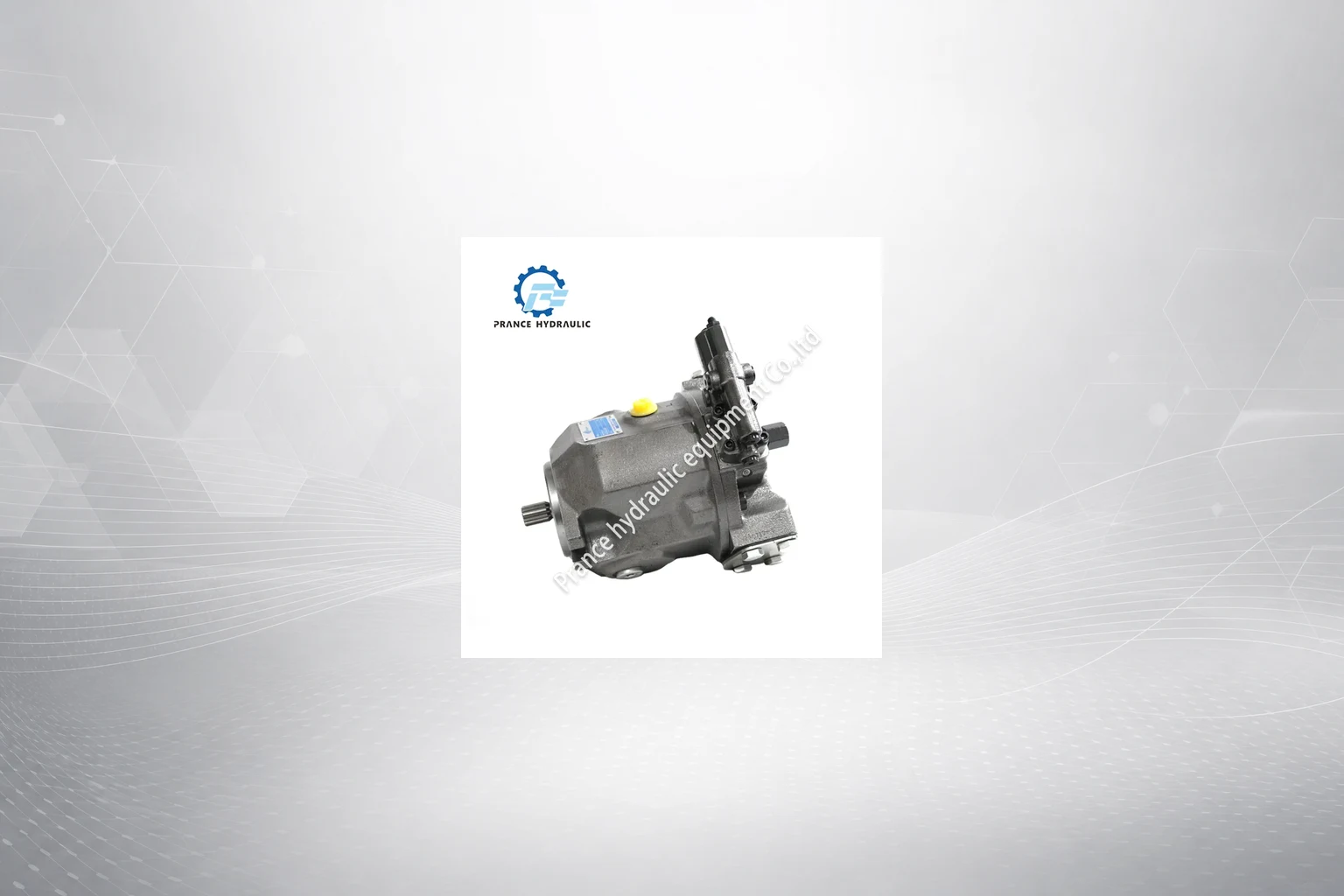
This is the fit boundary: the checklist prepares a viscosity review. It does not claim that a Prance product accepts a specific fluid, define a viscosity range, or approve a fluid change.
FAQs
How should hydraulic fluid viscosity be selected?
Start with the applicable component documentation, then record the actual fluid identity, temperature context, machine duty, system history, and unknown conditions that need review.
Does one viscosity grade suit pumps, motors, and valves?
Do not assume so. The applicable documentation and application conditions for the selected components determine what must be verified.
Why does temperature matter in a fluid viscosity review?
Temperature gives the observation context. Record where and when the condition occurs rather than treating a fluid label as a complete operating record.
Is the current fluid label enough to choose a replacement pump or valve?
No. A fluid label does not define the complete circuit, duty, interfaces, product documentation, or operating conditions needed for a component decision.
Can a buyer change or mix hydraulic fluid based on this checklist?
No. Fluid changes and mixing require the applicable documentation and the responsible project’s approved process; this checklist only identifies the evidence to collect.
What should be included in a hydraulic fluid viscosity RFQ?
Include fluid identity and documents, temperature and duty context, circuit and component records, maintenance history, observations with conditions, relevant interfaces, and questions needing confirmation.
References
- Danfoss Series 40 technical information — applicable operating-condition boundary for pump context.
- Danfoss H1F motor technical information — model-document boundary for motor context.
- Danfoss cartridge valves technical information — valve context remains application specific.
- Danfoss technical documentation — product conclusions remain within documented conditions.