Wenzhou Prance Hydraulic Equipment Co., Ltd

How to prepare a hydraulic relief valve setting question for circuit review
A hydraulic relief valve setting question needs a verified circuit function, valve documentation, and a pressure record with location and operating condition before anyone treats it as a change request. An isolated value, a familiar part number, or a label does not show what the circuit requires or authorize an adjustment.
Part 1. What does a relief valve setting question actually ask?
A relief valve setting question is a circuit-protection review question. It asks which function is being considered, which component record applies, what operating condition is being described, and which project evidence is available. It does not begin with a universal number or a turn-by-turn adjustment instruction.
Relief and normal operating conditions should not be collapsed into one undocumented statement. Record the practical question in plain terms: which function is involved, whether the question concerns a new design or an existing machine, and what prompted the review. A change after replacement, a changed duty, or an unclear component record each creates a different evidence gap.
Applicable documentation is the boundary for a valid component conclusion. That boundary protects a buyer from treating a generalized explanation as a setting approval.
Part 2. Which circuit facts must be identified first?
The first useful task is to identify the circuit role before discussing a value. A concise drawing or schematic, valve identification, and the surrounding pump, actuator, and control context are more useful than a loose statement that the system has “high pressure.”
| Buyer should provide | Why it matters | Send with quote |
|---|---|---|
| Circuit schematic and function being protected | Establishes the question’s circuit context | Mark uncertain paths and document revisions |
| Valve identifier and available technical document | Connects the inquiry to a traceable item | Include the readable label or record, not a guessed match |
| Pressure reading with unit, location, and condition | Preserves what the observation actually represents | State machine state and measurement location |
| Pump, actuator, control, and duty context | Shows the surrounding function | Identify changes from the prior arrangement |
| Fluid, environment, service, and change history | Exposes open questions that may affect review | Separate confirmed facts from assumptions |
The hydraulic system specification checklist helps organize a broader application record. It does not supply a setting for a particular valve.
Part 3. Why does a pressure reading need a location and condition?
A pressure number has meaning only when its measurement location and operating condition are known. Record the unit, location, machine function, observation time, and whether the value was measured, documented, or reported second-hand. This makes the record reviewable without turning the article into a diagnostic procedure.
The same reading can be misread when it is detached from the circuit point and machine state. Treat noise, heat, slow response, or a changed cycle as observations to preserve, not as proof that the relief valve is the cause. The hydraulic engineering review article offers a useful route for organizing changed-duty and incomplete-documentation questions.
Important: Do not alter a relief valve from an isolated pressure reading or a component label. Confirm the selected item’s documented conditions, circuit role, and verified project record first. The Danfoss cartridge valves technical information illustrates why valve conclusions require circuit and application context.
Part 4. Why cannot a component label define the setting?
A component label can help identify what needs to be researched, but it is not the full circuit record. It cannot replace applicable documentation, function definition, reading context, or project conditions. If the label is incomplete or unreadable, state that the identification is unresolved rather than converting a familiar family name into a conclusion.
This is especially important when a pump, valve, or actuator has been changed. Similar ports, mounting features, or a partly matching part number do not establish that the protection question has been answered. Preserve the old and new arrangement records where available.
For symptoms that recur after a component change, the repeated hydraulic component failure article can help structure observations. It does not diagnose a relief setting or authorize an intervention.
Part 5. When should a buyer pause instead of changing a setting?
Pause when the circuit function is not identified, the valve documentation is missing, the pressure record lacks a location or condition, the machine duty has changed without an evidence record, or someone requests a value based only on a label. Pause as well when a safety, service, or commissioning action would be inferred from this article.
The correct next step may be to recover a document, clarify the schematic, or record the observation properly. An unknown should remain an unknown until the responsible project process resolves it. A guessed setting can turn an evidence gap into a material risk.
This is the fit boundary: the page prepares a circuit review question. It does not set pressure, direct valve adjustment, approve a machine, predict a protection outcome, or substitute for the responsible project’s safety process.
Part 6. How should a relief-setting question be sent for review?
Submit the circuit schematic, valve identifier and documents, function being protected, pressure records with units/location/condition, pump and actuator context, fluid and duty information, change history, current observations, required quantity, application, and the exact question needing confirmation.
For a family-level starting point, use the hydraulic valve product family together with the OEM / ODM hydraulic component route. Send the evidence through the contact page rather than asking for a setting from a label, photograph, or isolated gauge value.
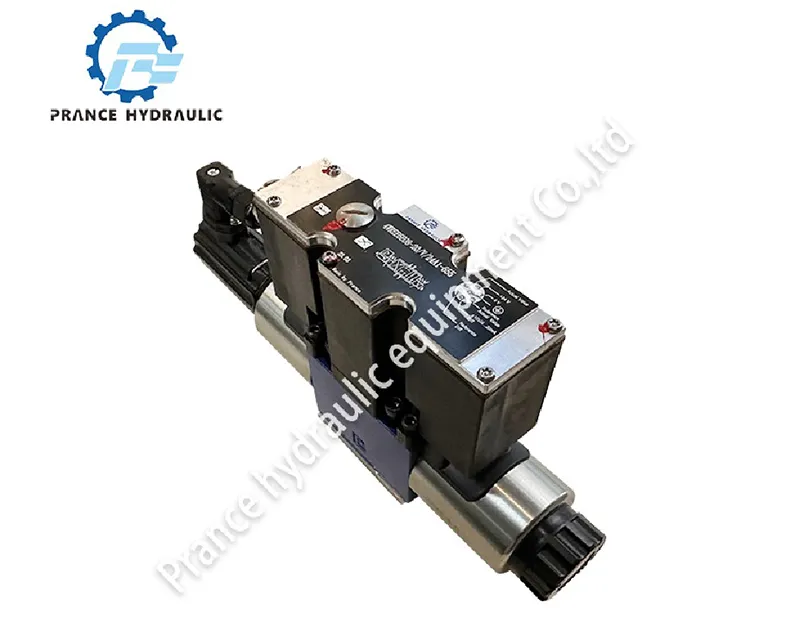
The product recommendation remains at the family level. A named valve or setting should not be recommended until the applicable documentation and controlled circuit record have been reviewed.
FAQs
What is the purpose of a hydraulic relief valve setting?
It is part of a circuit-protection question that must be tied to the verified circuit function, selected component documentation, and project conditions.
Is a relief setting the same as normal operating pressure?
Do not treat them as interchangeable without the applicable circuit and component record. The documented operating condition and the protection question need separate context.
Can a relief valve be set from a part number alone?
No. A part number or label does not define the circuit function, measurement context, project conditions, or applicable documentation needed for a setting conclusion.
Why does the pressure measurement location matter?
Location and operating condition show what the number represents. Record them with the unit and machine state before asking for a review.
Should a changed pump or duty be recorded?
Yes. A changed arrangement or duty can change the evidence needed for a circuit review, even when a component label looks familiar.
What should be included in a hydraulic relief valve setting RFQ?
Include the schematic, valve and document identifiers, protected function, readings with units/location/condition, pump and actuator context, duty and fluid record, change history, observations, quantity, application, and the question requiring confirmation.
References
- Danfoss cartridge valves technical information — valve conclusions require application and circuit context.
- Danfoss Series 40 technical information — product conclusions remain within applicable documented conditions.
- Danfoss H1F motor technical information — hydraulic component questions require system context.
- Danfoss technical documentation — documentation sets the boundary for product conclusions.