Wenzhou Prance Hydraulic Equipment Co., Ltd

How to prepare a hydraulic accumulator selection record for review
Hydraulic accumulator selection begins with a verified circuit role, duty record, vessel identification, applicable documentation, and controlled gas-side information. A volume, port size, or familiar vessel label by itself cannot establish a safe or suitable choice for a project.
Part 1. What should accumulator selection establish first?
An accumulator-selection question begins with the circuit function and the reason the item is being considered. State the active machine function, the project stage, and whether the request concerns a new design, a replacement, or a changed duty. That context is more useful than a detached request for a bottle size or a precharge value.
Keep the record attached to the selected item’s documentation. Vessel identification, a circuit schematic, and a documented duty record help a reviewer understand what information is present and what remains unresolved. They do not authorize a gas-side action or establish a pressure-system conclusion.
Applicable technical documentation sets the boundary for component conclusions. It should lead the review before a buyer treats a label or a familiar arrangement as a fit decision.
Part 2. Which application facts belong in the review record?
Preserve the facts that give an accumulator question meaning. This is an RFQ evidence list, not a calculation method or a charge procedure.
| Buyer should provide | Why it matters | Send with quote |
|---|---|---|
| Circuit schematic and intended function | Identifies the role being reviewed | Mark drawing revision and unknown paths |
| Duty and cycle record | Places the inquiry in an operating context | State measured, documented, and unknown fields |
| Vessel identifier and available documents | Connects the question to a traceable item | Include label details only when readable |
| Available gas-side or precharge record | Preserves existing evidence without interpreting it | State source and date if available |
| Fluid, environment, interfaces, and observations | Identifies conditions that may need review | Include location and operating condition |
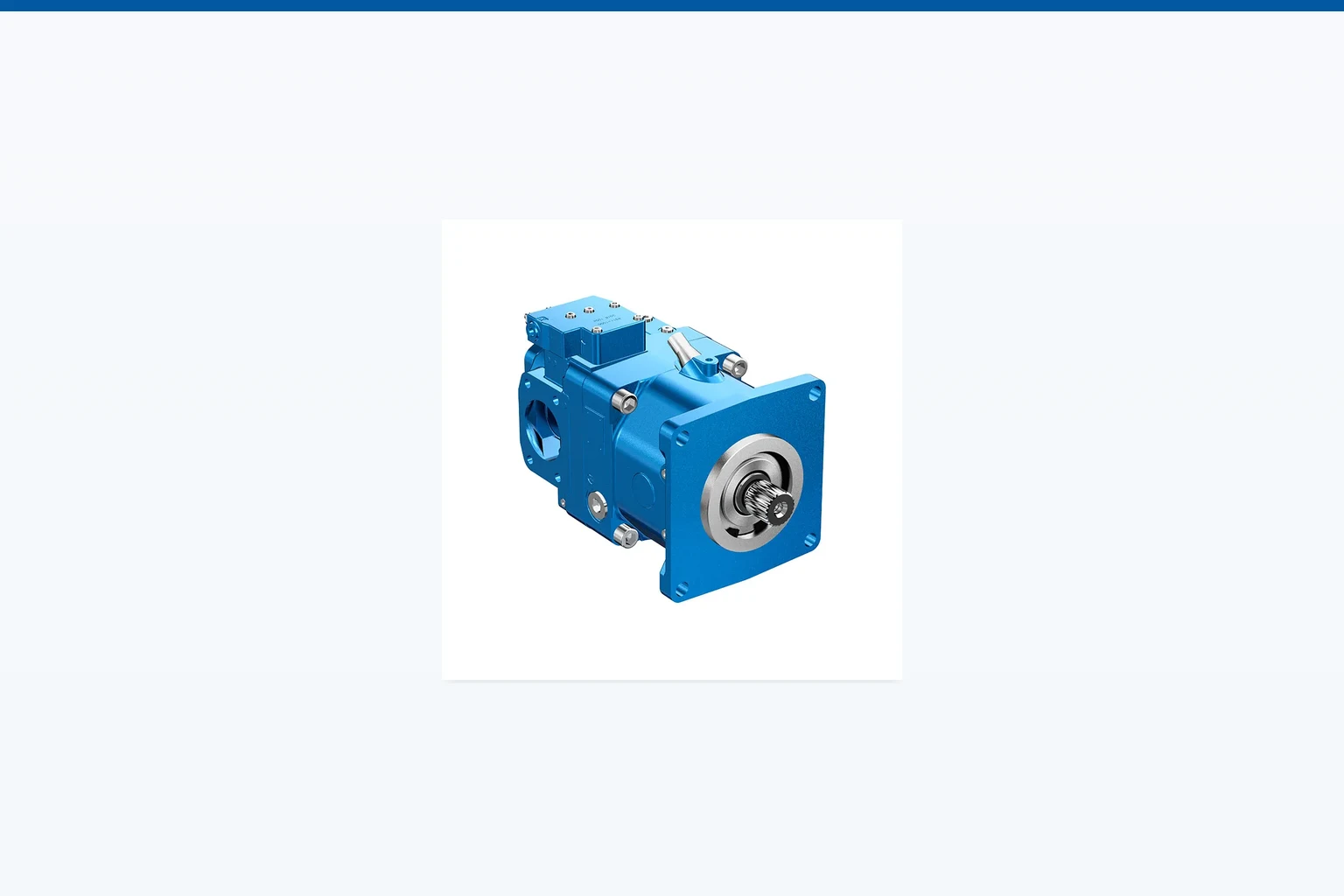
The hydraulic system specification checklist can help organize circuit and duty evidence. It does not select an accumulator or establish a gas-side value.
Part 3. Why must precharge information remain a controlled record?
Precharge information belongs to a controlled product and project record. Note what source supplied the information, when it was recorded, which vessel it identifies, and whether it is confirmed or unknown. Do not turn an old label, a verbal report, or a generic web value into an instruction to charge, discharge, or alter a component.
The gas side also creates a clear safety boundary. A buyer can document the existence of a safety process and submit the applicable records, but this article does not describe how to handle pressure or gas. The responsible project’s controlled procedure and qualified personnel remain in charge of any such work.
Important: Do not use a generic precharge or vessel volume as permission to service, charge, or change an accumulator. Confirm the selected item’s documented conditions and the project’s controlled safety process first. The Danfoss technical documentation illustrates the boundary for product conclusions.
Part 4. Why do volume and connection size not finish the selection?
Volume and connection details can help identify the subject of an inquiry, but they do not define its duty, circuit role, product documentation, or safety conditions. A similar port or a familiar vessel outline does not establish a suitable replacement or a valid system conclusion.
This matters where the machine cycle, pump arrangement, valve function, or surrounding interfaces have changed. Collect the previous and proposed records rather than assuming they are equivalent. The hydraulic engineering review article is a useful route for documenting changes and open questions.
The hydraulic relief valve setting guide is another related record-building page. It does not determine an accumulator’s pressure, volume, or safety procedure.
Part 5. When should a buyer pause instead of assuming an accumulator fit?
Pause when the circuit function is unclear, the vessel cannot be identified, the supporting document is missing, the duty changed without a record, gas-side information is only assumed, or someone asks for a charge or volume conclusion from a port size. Pause as well when the inquiry would lead to pressure-system handling outside the responsible project’s controlled safety process.
The useful next action may be to recover a document, update the schematic, or record a known unknown. That is more valuable than a nominal specification that cannot be tied to the selected item and application.
Retain the document revision and the source of each record. A reviewer can then separate current project evidence from an older, unverified description without assuming that either authorizes action.
This is the fit boundary: the page prepares a selection-review record. It does not calculate volume, set precharge, authorize servicing, approve a pressure system, or predict a safety outcome.
Part 6. How should accumulator evidence be sent for review?
Send the circuit schematic and function, duty and cycle record, vessel identification and documents, any traceable gas-side records, fluid and environment context, interfaces, observations with conditions, project safety-process reference, quantity, application, delivery requirements, and the question needing confirmation.
For a family-level starting point, use the hydraulic pump product family and the OEM / ODM hydraulic component route. Submit the controlled record through the contact page instead of requesting an accumulator choice from a volume, fitting, or photo.
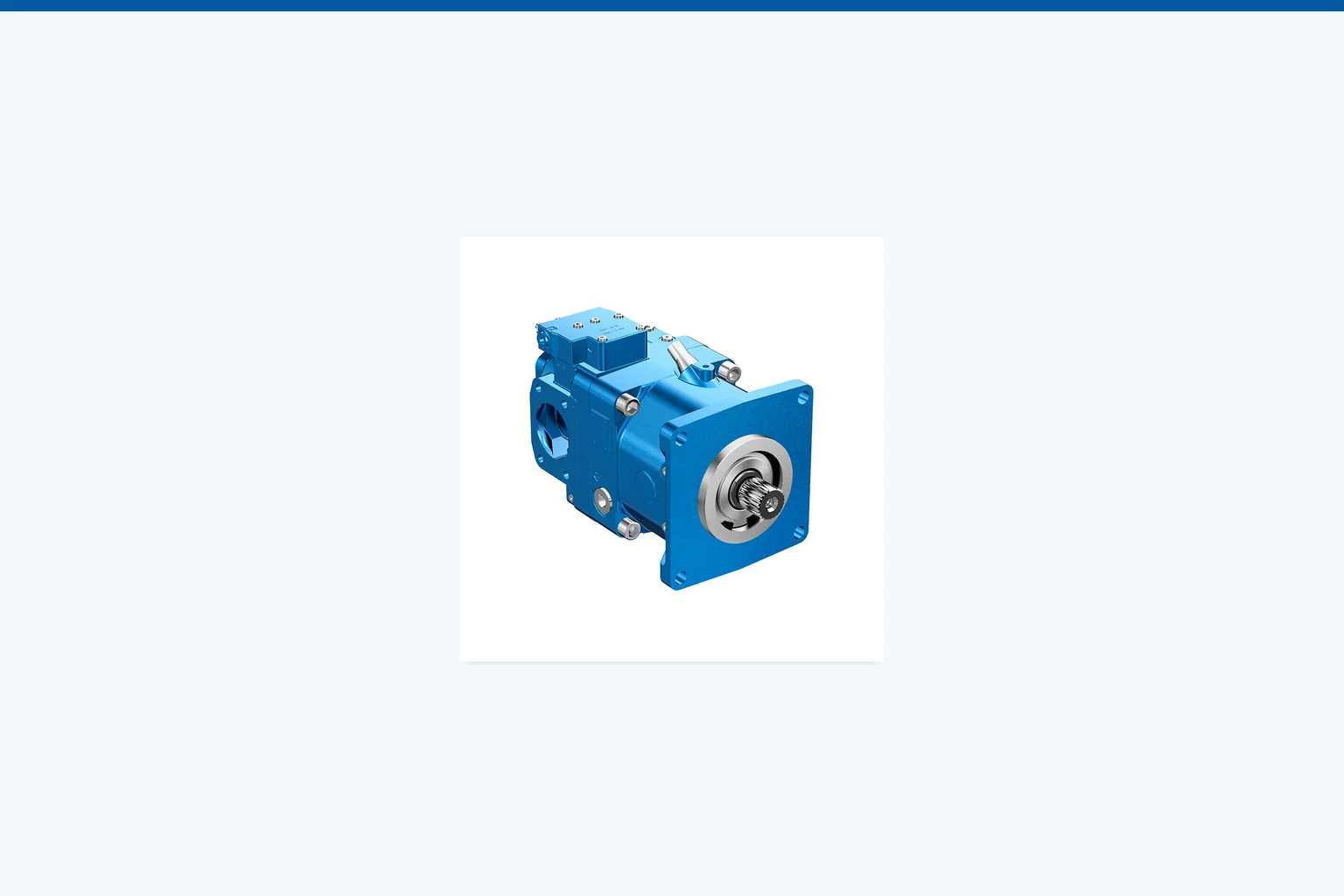
The product recommendation remains at the family level. A named component or system arrangement should not be recommended until circuit evidence and applicable documentation have been reviewed.
FAQs
What information is needed to select a hydraulic accumulator?
Start with the circuit function, duty record, vessel identification, applicable documents, controlled gas-side information, interfaces, and project safety boundary.
Is accumulator precharge the same for every system?
No. Treat precharge as a selected-item and project record; do not use a generic figure as a universal instruction or conclusion.
Can volume alone select a hydraulic accumulator?
No. Volume does not establish circuit role, duty, documentation, safety conditions, interfaces, or project suitability.
Why is the circuit function important?
The circuit function gives the question its context. It shows which application evidence and documents a reviewer must consider.
Should gas-side information be included in the record?
Yes. Include traceable records and state what is unknown, but do not turn the article into gas-side handling or charging instructions.
What should be included in a hydraulic accumulator RFQ?
Include the schematic, function, duty/cycle record, vessel and document identifiers, traceable gas-side records, fluid/environment, interfaces, observations, safety-process reference, quantity, application, delivery requirements, and unresolved question.
References
- Danfoss Series 40 technical information — product conclusions require applicable documented conditions.
- Danfoss H1F motor technical information — hydraulic product questions require system context.
- Danfoss cartridge valves technical information — circuit function is part of component review.
- Danfoss technical documentation — documentation sets the product-conclusion boundary.