Wenzhou Prance Hydraulic Equipment Co., Ltd

Which records identify a hydraulic valve connector?
Hydraulic valve connector identification means keeping the valve body, coil, plug or connector, visible marking, and source document as separate review records. That separation supports a clear inquiry; it does not establish a pinout, wiring action, connector compliance, or replacement decision.
Part 1. What does hydraulic valve connector identification mean?
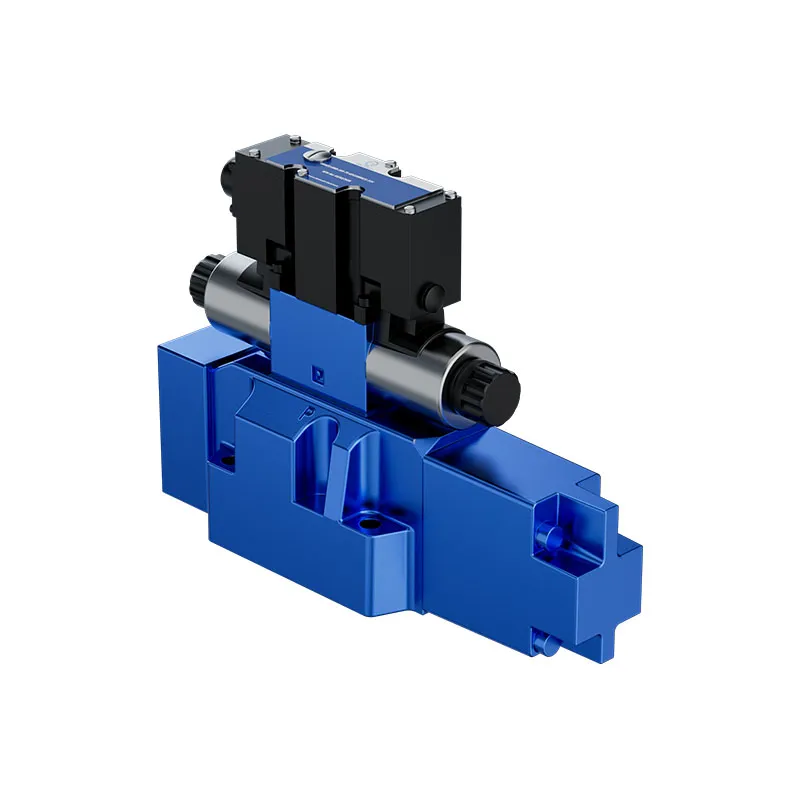
Connector identification begins by naming the object that is being observed. A valve assembly can include a valve body, a coil, and a plug or connector; an inquiry becomes less ambiguous when those items are not collapsed into one generic “valve number.”
The record should preserve what is visible and state what is unknown. That approach is consistent with using controlled reference material, such as an ISO catalogue entry for fluid-power plug connectors, as a route to further documentation rather than as proof that a particular assembly meets a standard.
This page focuses on identification evidence. It does not ask a reader to connect, disconnect, test, energize, or adjust any component. A controlled review is needed whenever the question moves beyond the record itself.
Part 2. Which identities should not be merged into one label?
The valve body, coil, and connector can each have their own designation or visible marking. Keeping them separate prevents a reviewer from mistaking an assembly-level reference for a connector-level reference.
| Record item | Preserve in the record | What it does not establish |
|---|---|---|
| Valve-body designation | Exact observed designation and source | A coil or plug identity |
| Coil designation | Exact observed marking and view | A connector pinout or voltage |
| Plug or connector marking | Marking, view, and associated document | Connector fit or approval |
| Document title | Stable source title or technical-resource route | A project-specific conclusion |
| Document revision | Revision or edition shown with the source | A current replacement decision |
| Open question | The item awaiting review | An assumed answer |
The hydraulic valve product line is useful as a first-party family route, but a family page does not substitute for an assembly record. The same caution applies to the related single and double solenoid context: a high-level distinction is not an identification decision for a particular connector.
Part 3. Which visible markings and views belong in the record?
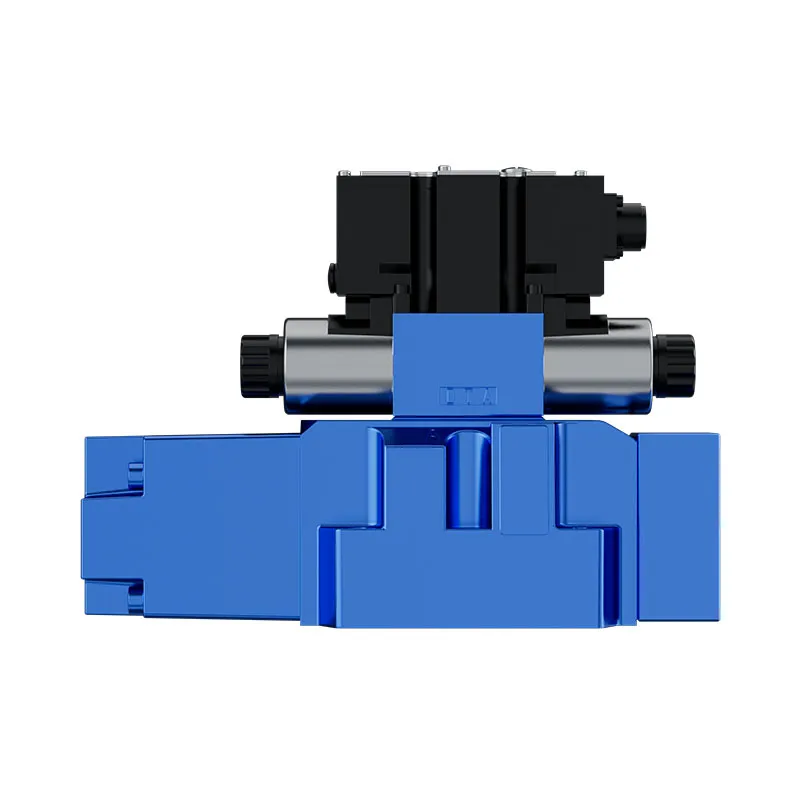
Visible evidence should help another reviewer locate the observed component without guessing which part of the assembly is being referenced. A clear view can be associated with the valve body, the coil, or the connector, while the record identifies that association in words.
| Buyer should provide | Review purpose | Keep unresolved when |
|---|---|---|
| Valve-body designation | Identify the assembly reference | The marking is partly unreadable. |
| Coil designation | Keep the coil distinct from the valve body | The location of the marking is unclear. |
| Plug or connector marking | Identify the observed connector record | A view does not show the relevant marking. |
| Source document and revision | Compare records in a known context | The document edition is not known. |
This table intentionally excludes electrical values and wiring details. They require an exact controlled source and a review scope that this identification article does not provide.
Part 4. Why must the source document and revision stay with the connector record?
A document title without its revision is difficult to compare reliably. Keeping both with the valve, coil, or connector reference shows what material a reviewer should inspect and makes any open question traceable.
Manufacturer resource routes are appropriate places to locate controlled material. The Danfoss download centre and Parker technical resources demonstrate the role of document libraries; neither source proves the details of a Prance valve or connector.
Evidence also needs a clear association. A document can be relevant to a valve family while still not identify the particular coil or plug that a buyer observed. The record should therefore name the component associated with each document reference and leave that association open when the available material does not show it.
This small distinction prevents an inquiry from becoming a collage of plausible labels. A reviewer can then ask for the missing view or controlled source without treating an incomplete connector record as an electrical or mechanical conclusion.
Important: Do not convert a visual resemblance or a generic connector reference into a wiring, safety, compatibility, or compliance conclusion. Fluid-power connector requirements must be assessed in their actual documentation and project context (ISO catalogue entry).
Where a visible label and a document do not align, retain both records and ask for engineering review. Replacing the conflict with a guessed label only removes the evidence that the reviewer needs.
Part 5. When cannot connector appearance support a replacement conclusion?
Appearance cannot establish a replacement conclusion when a connector, coil, or valve marking is incomplete, the document revision is not known, or the inquiry asks about fit, wiring, electrical behavior, or application outcome. Those questions require evidence outside a photograph or an assembly-level label.
The boundary also separates this article from a coil symptom review. A symptom review organizes observations; it does not turn a connector appearance into a diagnosis or an action.
Move the matter to engineering review if records conflict, the source is missing, the component location is uncertain, or a buyer requests a compatibility statement. The best record makes uncertainty explicit instead of using a generic connector name as a conclusion.
Part 6. Which valve-family route supports a documented inquiry?
Once the valve, coil, connector, document, and revision references are separated, the hydraulic valve product line provides the appropriate first-party family route. It is a product-line starting point, not a connector-selection result.
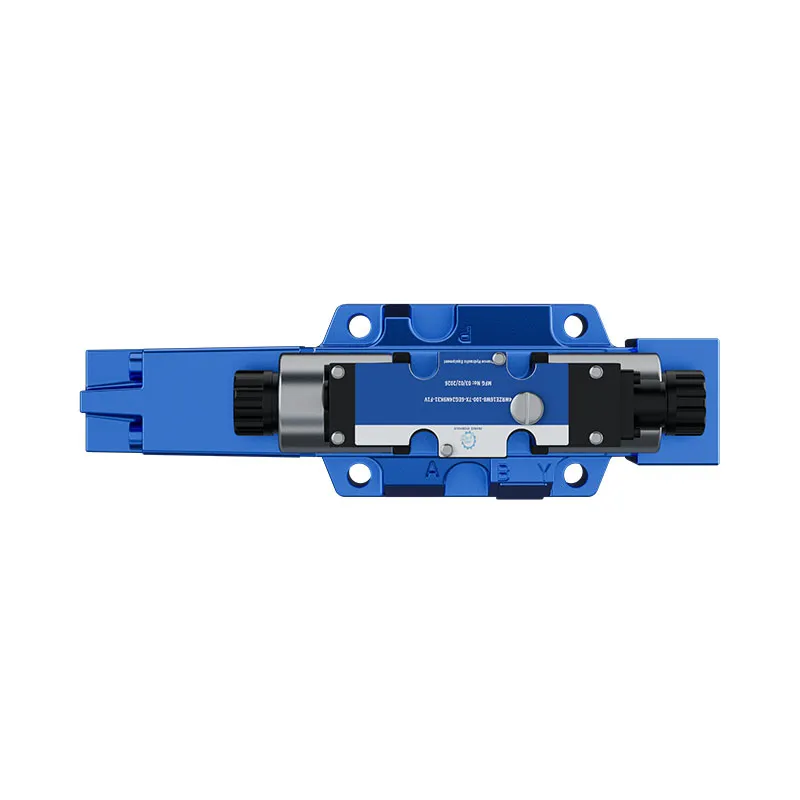
For a documented OEM or ODM inquiry, provide:
- the valve-body designation;
- the separate coil and connector markings, if visible;
- clear references showing where each marking was observed; and
- the document title, revision, and unresolved question.
This evidence package helps a reviewer understand what must be checked. It does not authorize a substitute component or a field action. Use the engineering review inquiry route when the question requires a conclusion beyond identification.
FAQs
What does hydraulic valve connector identification mean?
It means recording the valve body, coil, plug or connector, marking reference, document, and revision as distinct items so that an inquiry does not rely on a generic assembly label.
Is the valve-body designation enough to identify a connector?
No. The valve-body designation identifies the observed valve record, while a coil or connector can require its own marking and controlled document reference.
Why should the document revision be retained?
The revision shows the comparison context for the source material. It helps a reviewer avoid relying on an unspecified edition when an inquiry needs further technical review.
What should accompany a valve connector inquiry?
Send separate valve, coil, and connector references where available, clear views showing the observed markings, the source document and revision, and a concise unresolved question.
Can a connector appearance prove a replacement?
No. A visual resemblance does not establish fit, wiring, electrical behavior, compatibility, or an application result.
When is engineering review needed?
It is needed when the marking is incomplete, records conflict, the source is missing, or the inquiry asks for a conclusion beyond identity documentation.