شركة ونزهو برانس للمعدات الهيدروليكية المحدودة

High-Altitude Hydraulic Pump Inlets: Compare Absolute Pressure, Not Vacuum Alone
Hydraulic pump high altitude inlet pressure must be checked as absolute pressure at the pump, using the local atmospheric pressure rather than a sea-level assumption. A vacuum gauge can show the same reading at two sites while the pump receives different absolute inlet pressures. For a vented reservoir, higher elevation reduces the pressure available to fill the pumping chambers. Whether that reduction is acceptable depends on the selected pump, speed, displacement, fluid condition and inlet arrangement. There is no reliable universal percentage by which every hydraulic pump should be derated for altitude.
Why an unchanged vacuum reading can hide a changed inlet condition
A gauge referenced to local air measures the difference between the oil pressure and its surroundings. It does not directly tell you the oil pressure above a perfect vacuum. When atmospheric pressure falls, the absolute inlet pressure falls even if the gauge difference remains unchanged. A commissioning sheet that records only “vacuum acceptable” can therefore miss the main change after a machine moves uphill.
Use p_abs = p_atm + p_gauge, keeping all quantities in the same pressure units. A negative gauge pressure is subtracted from local atmospheric pressure. If the instrument instead displays vacuum as a positive magnitude, subtract that magnitude. Record which convention the instrument uses; a sign mistake can make a restricted inlet look better than it is. An absolute-pressure sensor avoids this conversion but still needs an appropriate range and calibration.
NASA’s atmosphere model explains the general reduction of atmospheric pressure with elevation. It is a planning reference, not a substitute for local barometric pressure during acceptance testing. Weather changes also affect the available pressure. Use measured local conditions where the operating margin is narrow, and identify whether a weather report has already been corrected to sea level before using its value.
A pressure budget from the reservoir to the inlet
For a large, vented reservoir with small free-surface velocity, a useful first estimate is p_inlet_abs ≈ p_surface_abs + rho g h − delta_p_loss − rho v²/2. Here h is positive when the liquid surface is above the inlet measurement location. The last term is the velocity-head conversion when estimating static pressure at the inlet from the free surface. The model is a steady-flow estimate; it does not reproduce pulsating chamber pressure or transient acceleration.
Express every term in pascals, or convert the complete calculation consistently into bar. Do not add metres of oil directly to bar. Density depends on the actual fluid and temperature. Loss includes the entrance, hose, elbows, valves and other components between the reservoir and sensor. A gauge downstream of only part of that path cannot establish the pressure at the pump inlet.
For a sealed or deliberately pressurized reservoir, surface pressure is not simply local atmosphere. Its control arrangement, venting, relief protection and allowable tank pressure become part of the design. A pressurized reservoir requires a compatible tank, pressure protection and pump approval. Do not pressurize an ordinary vented tank as a field shortcut.
Worked example: identical gauge readings at different sites
Consider an assumed installation with local atmospheric pressure of 1.00 bar absolute at one site and 0.80 bar absolute at another. These are illustrative inputs, not an altitude table, actual weather observations or Prance pump ratings. Suppose both sites show −0.15 bar gauge at the pump inlet under the same measured operating condition.
The first inlet is 1.00 − 0.15 = 0.85 bar absolute. The second is 0.80 − 0.15 = 0.65 bar absolute. The gauge readings match, but the second pump has 0.20 bar less absolute inlet pressure. If a hypothetical supplier requirement were 0.70 bar absolute for those exact conditions, the first example would exceed it by 0.15 bar and the second would fall short by 0.05 bar. The hypothetical limit is not a specification for any Prance series.
This calculation identifies a verification question rather than predicting noise, damage or life. A real pump requirement may change with speed, displacement and viscosity. Compare the measured condition with the correct operating envelope, including transient restrictions and the manufacturer’s definition of the inlet measurement point. Do not compare a short minimum with a limit defined only for continuous operation without checking its duration rules.
Separate altitude from cold oil, air leakage and vapor formation
Elevation changes the starting pressure budget. Cold oil can simultaneously increase resistance in the inlet path. A machine that runs acceptably after warm-up may still have an unacceptable first start. Conversely, warmer oil changes viscosity and vapor behavior; one successful cold test is not proof of the complete duty cycle. Measure fluid temperature at a meaningful location rather than using outdoor air temperature as a substitute.
Noise alone cannot distinguish vapor cavitation from air entering through a connection or being released from the oil. A connection can admit air under vacuum without leaving an obvious external oil leak. Foaming, unstable flow and unusual noise justify investigation, but none proves a specific internal defect. Stop operation when the manufacturer’s inlet requirements are exceeded or damage is suspected; do not deliberately reproduce severe starvation to obtain a clearer sound recording.
Check minimum reservoir level, breather condition, inlet valves and hose integrity before changing pump controls. A blocked breather can reduce reservoir surface pressure below the value assumed for a freely vented tank. A reinforced hose may also be unsuitable for the actual vacuum condition or may have internal damage. Inspect and test it according to its specification rather than judging only the exterior.
A practical commissioning sequence
First identify the complete pump code, inlet requirements and permitted start procedure. Confirm that the speed, rotation, fluid and displacement match the intended installation. With the machine isolated and stored energy controlled, install suitable measurement equipment at approved points. Follow the equipment instructions for priming and filling; an altitude study does not replace those requirements.
Then capture local atmospheric pressure, inlet absolute pressure, oil temperature, reservoir level, shaft speed and commanded operating condition together. Include the lowest intended fluid level and the approved cold-start condition. Review rapid transitions only with suitable instrumentation and an authorized test procedure. A slowly responding dial may miss a short pressure dip even if its average appears acceptable.
Finally compare the readings with the configuration-specific envelope and document the uncertainty. If the margin is small, investigate instrument accuracy, sampling and expected weather variation before approval. Keep the original readings from the lower site for comparison, but do not treat them as a transferable acceptance certificate. A mobile machine needs a defined operating boundary for its intended destinations.
What to change when the inlet margin is insufficient
Choose changes that address the measured pressure budget. Reducing unnecessary inlet loss, shortening the path or improving reservoir position may help. A lower approved speed can reduce demanded filling flow, but it also changes machine output and must fit the duty. Increasing hose size without checking entrance geometry, fittings and reservoir arrangement can leave the dominant restriction untouched.
Do not remove a required protective component simply to improve the reading. Review the complete filtration and contamination-control design. Likewise, an auxiliary supply or pressurized reservoir is an engineered circuit change requiring compatibility checks, pressure protection and supplier approval. Too much inlet pressure can also be outside a pump’s permitted range. The objective is an approved inlet envelope, not the highest possible supply pressure.
After a change, repeat the same documented conditions and add the conditions the modification could affect. Confirm delivery, temperature, leaks and normal control operation. A successful pressure correction should be supported by stable machine behavior, but a quiet pump by itself remains insufficient evidence of an acceptable inlet condition.
Compare the evidence before approving the machine
The following is an engineering decision table, not a product parameter table. It applies the pressure-reference distinction and the steady-flow model discussed above. Actual limits come from the selected pump documentation.
| ملاحظة | ما يثبته | الفحص المفيد التالي |
|---|---|---|
| Same vacuum reading at two elevations | Similar local gauge difference only | Convert using each site’s atmospheric pressure |
| Low inlet pressure only during cold start | A temperature-dependent condition may be present | Check viscosity, inlet loss and approved start speed |
| Pressure falls as reservoir level drops | Static head or inlet exposure may matter | Repeat at the specified minimum operating level |
| Adequate average but unexplained start noise | Average pressure alone is inconclusive | Review transient capture and possible air entry |
| Improvement after a breather repair | Surface pressure restriction was relevant | cURL Too many subrequests by single Worker invocation. To configure this limit, refer to https://developers.cloudflare.com/workers/wrangler/configuration/#limits |

cURL Too many subrequests by single Worker invocation. To configure this limit, refer to https://developers.cloudflare.com/workers/wrangler/configuration/#limits
cURL Too many subrequests by single Worker invocation. To configure this limit, refer to https://developers.cloudflare.com/workers/wrangler/configuration/#limits.
cURL Too many subrequests by single Worker invocation. To configure this limit, refer to https://developers.cloudflare.com/workers/wrangler/configuration/#limits.

الأسئلة الشائعة
Does a pump lose a fixed percentage of flow for every increase in altitude?
cURL Too many subrequests by single Worker invocation. To configure this limit, refer to https://developers.cloudflare.com/workers/wrangler/configuration/#limits.
cURL Too many subrequests by single Worker invocation. To configure this limit, refer to https://developers.cloudflare.com/workers/wrangler/configuration/#limits
cURL Too many subrequests by single Worker invocation. To configure this limit, refer to https://developers.cloudflare.com/workers/wrangler/configuration/#limits.
Is zero gauge pressure always enough at the inlet?
cURL Too many subrequests by single Worker invocation. To configure this limit, refer to https://developers.cloudflare.com/workers/wrangler/configuration/#limits.
Should I pressurize the reservoir to cure altitude-related noise?
Only as an approved engineered change. The tank, seals, vents, pressure protection and pump inlet limits must all support it. Noise may also have another cause, so establish the pressure and air-entry evidence before choosing a remedy.
Can product photographs verify high-altitude suitability?
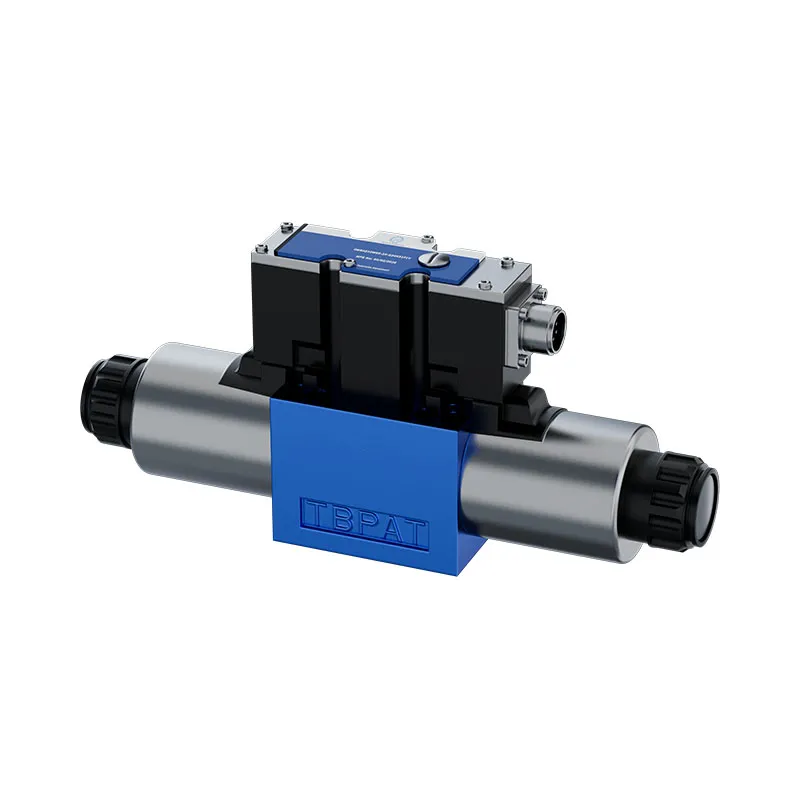
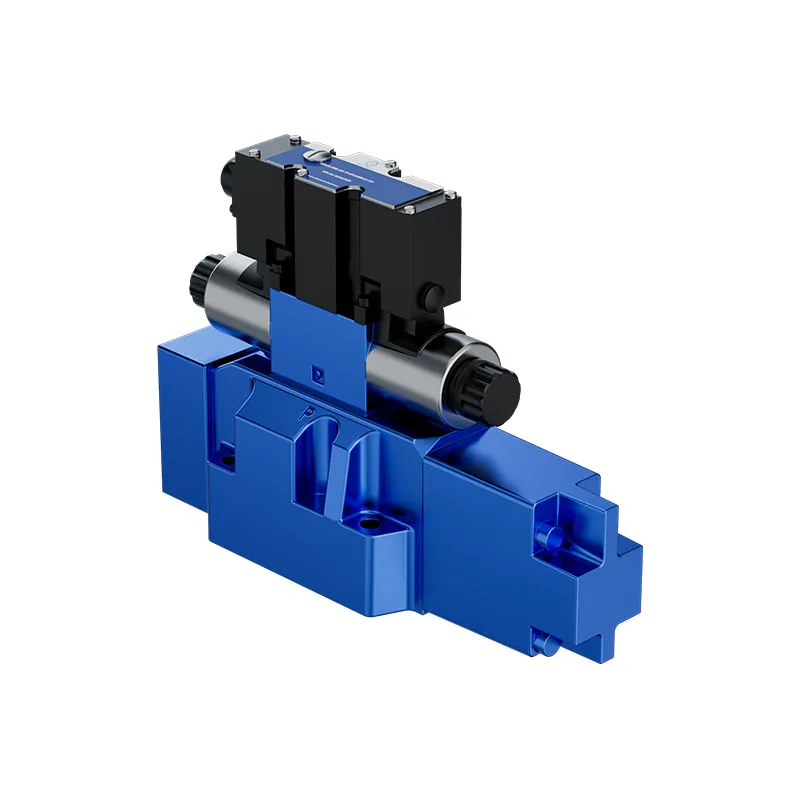
No. Photographs help identify a product family and visible configuration. Altitude suitability requires the complete model documentation and an inlet-pressure assessment for the actual machine conditions.
موارد المنتج والهندسة ذات الصلة
مضخة إزاحة متغيرة الأصلية A10VO سلسلة 31, نطاق منتجات المضخة الهيدروليكية, مصفاة الشفط مقابل مرشح العودة: حماية المضخة بدون تجويعها, مضخة هيدروليكية للطقس البارد: اللزوجة، بدء التشغيل، والتسخين المسبق. تأكيد رمز المنتج الكامل ومتطلبات التطبيق عند طلب مراجعة التكوين.
Technical references
تعلم إضافي: مضخات هيدروليكية
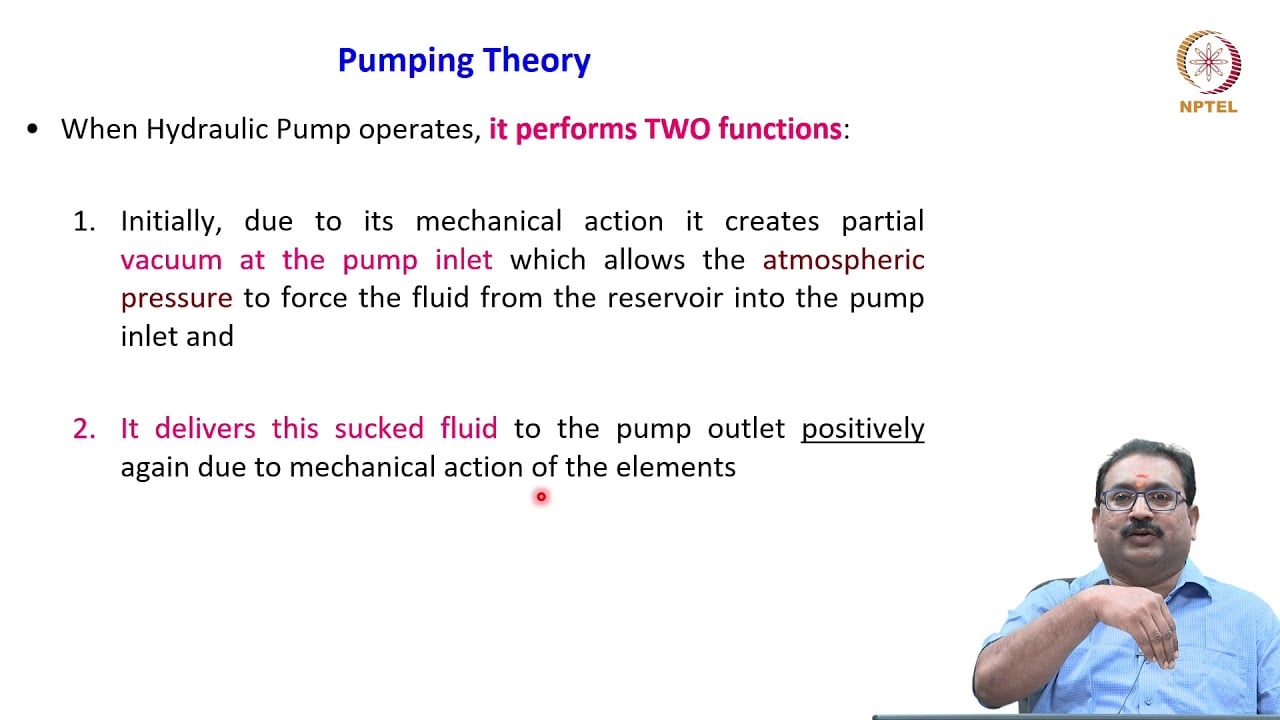
3.2 – Hydraulic Pumps by NPTEL-NOC IITM provides background on pump operating principles. Pump inlet filling is the connection to altitude; the lecture does not establish a permitted operating altitude. It supplements the component fundamentals; it is not a test procedure for the complete circuit discussed above.