Wenzhou Prance Hydraulic Equipment Co., Ltd

Which hydraulic pump, motor and valve questions belong in a lifting-platform review?
Hydraulic components for lifting platforms are selected as a duty package, not as three unrelated catalog codes. Document lift, hold and lower behavior with pump, motor and valve interfaces so the quotation package describes a real platform circuit instead of a parts list guess.
Part 1. Which platform motions set the hydraulic review boundary?
Start with the motion map rather than a preferred brand code. Most lifting platforms combine a primary raise/lower axis with secondary functions such as outriggers, tilt, gate locks or conveyor assists. Write down which functions share one pump, which can run together, and which must be electrically or hydraulically interlocked.
Capture the platform class in practical terms: scissor lift, mast lift, dock leveler, vehicle-mounted platform or industrial goods lift. Duty language differs across those machines, but the hydraulic questions stay similar: peak raise flow, hold pressure while loaded, controlled lowering, and what happens if power is lost mid-cycle.
Record ambient and installation context that changes component choice: indoor factory floor versus outdoor worksite, washdown exposure, expected duty cycles per hour, and whether the unit is continuously manned. Those notes do not replace a datasheet, but they stop the RFQ from sounding like a generic valve request.
Also separate structural claims from hydraulic claims. Platform rated load is a machine design result. Hydraulic component review only confirms whether the requested flow, pressure and holding strategy are consistent with the circuit description the buyer provides.
Part 2. What pump questions must be answered before displacement talk?
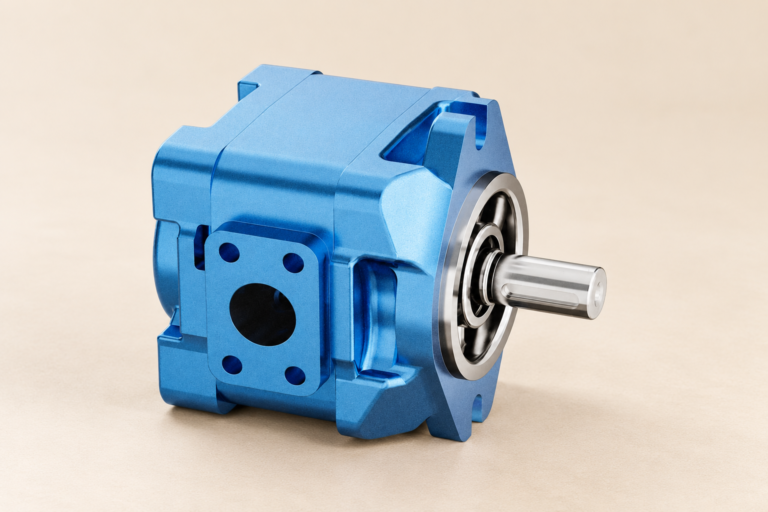
Pump selection for a lifting platform begins with the raise-phase flow need and the available drive speed. Theoretical flow depends on displacement and speed under stated conditions, which is why drive RPM, continuous versus intermittent service, and available prime-mover power belong in the first worksheet.
State whether the platform uses a fixed-displacement pump with relief bypass during hold, or a variable-displacement strategy that reduces wasted flow. Neither approach is automatically correct. Fixed pumps are common on compact units; variable pumps appear when heat, energy use or multi-stage duty becomes hard to manage with continuous relief dumping.
Ask for suction conditions and reservoir notes early. Lifting equipment often packages a compact tank near the pump. Inlet restriction, oil level during tilt, and filtration location can create cavitation or aeration complaints that look like pump defects later.
If the platform already has a pump nameplate from a retrofit, record it, but still rebuild the duty table. Nameplate identity helps matching interfaces; it does not prove the next unit will meet a redesigned load or faster cycle target.
Part 3. How should pump, motor and valve inputs be tabulated for quotation?
Use one shared RFQ table so pump, motor and valve suppliers review the same duty story.
| Platform input | Detail to capture | Send with quote |
|---|---|---|
| Raise / lower peak flow | Continuous and peak values, shared or dedicated pump | Yes |
| Hold / lock pressure | Loaded hold pressure and lock method | Yes |
| Drive speed and power | Motor/engine RPM, rotation, available kW | Yes |
| Valve holding logic | Load-holding, PO check, counterbalance, center condition | Yes |
| Fluid and temperature | Fluid type, viscosity band, min/max oil temperature | Yes |
| Mounting and ports | Pump/motor mounts, valve pattern, hose envelope | Yes |
Add a short narrative under the table: whether lowering is gravity-assisted with meter-out control, whether a hydraulic motor drives a screw or winch instead of a cylinder, and whether emergency lowering is manual or powered. Those sentences prevent false assumptions about spool center conditions and relief placement.
Keep the “Send with quote” column honest. If a value is still unknown, mark it as unknown and say who will measure it. An empty cell is worse than an explicit gap because it invites silent substitution.

Part 4. Which motor and actuator interfaces change the shortlist?
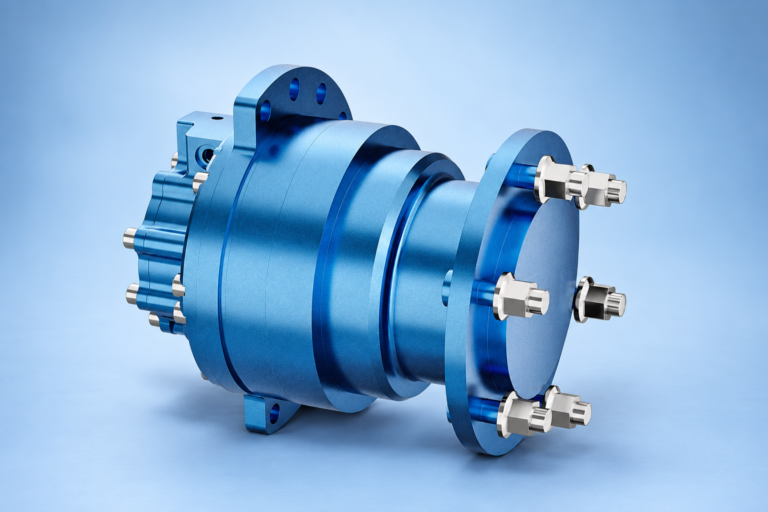
Not every lifting platform uses only cylinders. Some goods lifts, conveyors on elevated decks, or rotating work platforms use hydraulic motors for travel, rotation or screw drives. When a motor is in scope, add torque, speed range, shaft and mounting style, case-drain expectations and whether the motor sees continuous stall under load.
Orbit motors and radial-piston motors answer different torque-speed envelopes. Do not pre-label the family from habit. Present the torque-speed need, then compare candidate families against model documentation. Wheel-drive style motors may appear on mobile elevating work platforms that also travel; treat travel and lift as separate duty lines even if one pump feeds both.
Cylinder interfaces still matter on classic scissor and mast units: bore/rod data (if known), stroke, mounting, and whether load holding is at the cylinder, in the valve package, or both. Dual holding devices are common in safety-critical lifts; the RFQ should say what already exists so a valve quote does not duplicate or omit a required function.
Electrical readiness belongs here too. Solenoid voltage, connector type and whether the platform controller expects proportional modulation or simple on/off raise-lower commands change the valve family under review.
Part 5. Which valve holding and safety questions are non-negotiable?
Lifting circuits fail commercially when holding logic is vague. Ask whether the platform needs load-holding valves, pilot-operated check valves, counterbalance valves, or a directional valve center condition that blocks work ports. Confirm whether lowering must remain controllable under varying load, and what the safe state is on power loss.
Contamination and filtration notes are not optional on platforms that sit idle for long periods then run hard. Sticking spools and noisy lowering often trace to cleanliness and water ingress as much as to valve sizing. Record target cleanliness if the buyer has a standard; otherwise ask for the current filter arrangement and oil condition practice.
Envelope and service access decide whether a sectional mobile valve, a compact monoblock, or a subplate industrial valve is even practical. Platform frames are tight. A valve that fits the schematic but not the service hatch is not a fit.
Finally, refuse interchangeability shortcuts. Matching port threads or a familiar directional pattern does not prove equal pressure drop, holding behavior or solenoid force. Require datasheet confirmation against the tabulated duty before any “same as previous” language enters the purchase order.
Part 6. What verification package belongs with the platform RFQ?
Close the inquiry with a package the application engineer can actually review:
- Motion map for raise, lower, hold and auxiliaries
- Completed pump/motor/valve input table with Send-with-quote fields filled or explicitly marked unknown
- Fluid, temperature and filtration notes
- Electrical interface and safe-state expectations
- Photos or envelope limits for the power unit and valve location when space is constrained
- Existing nameplate data for retrofit jobs, plus a statement of what is changing
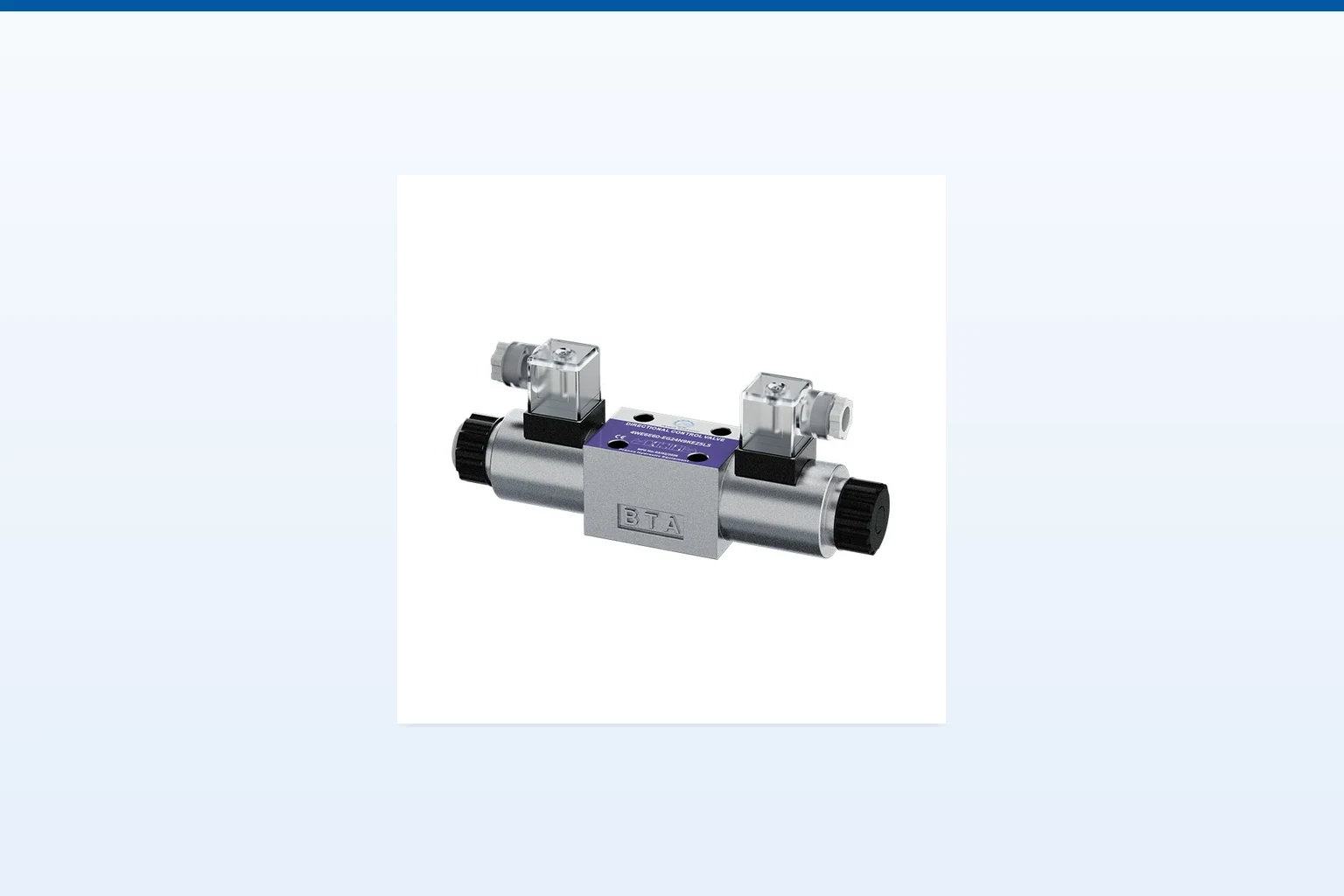
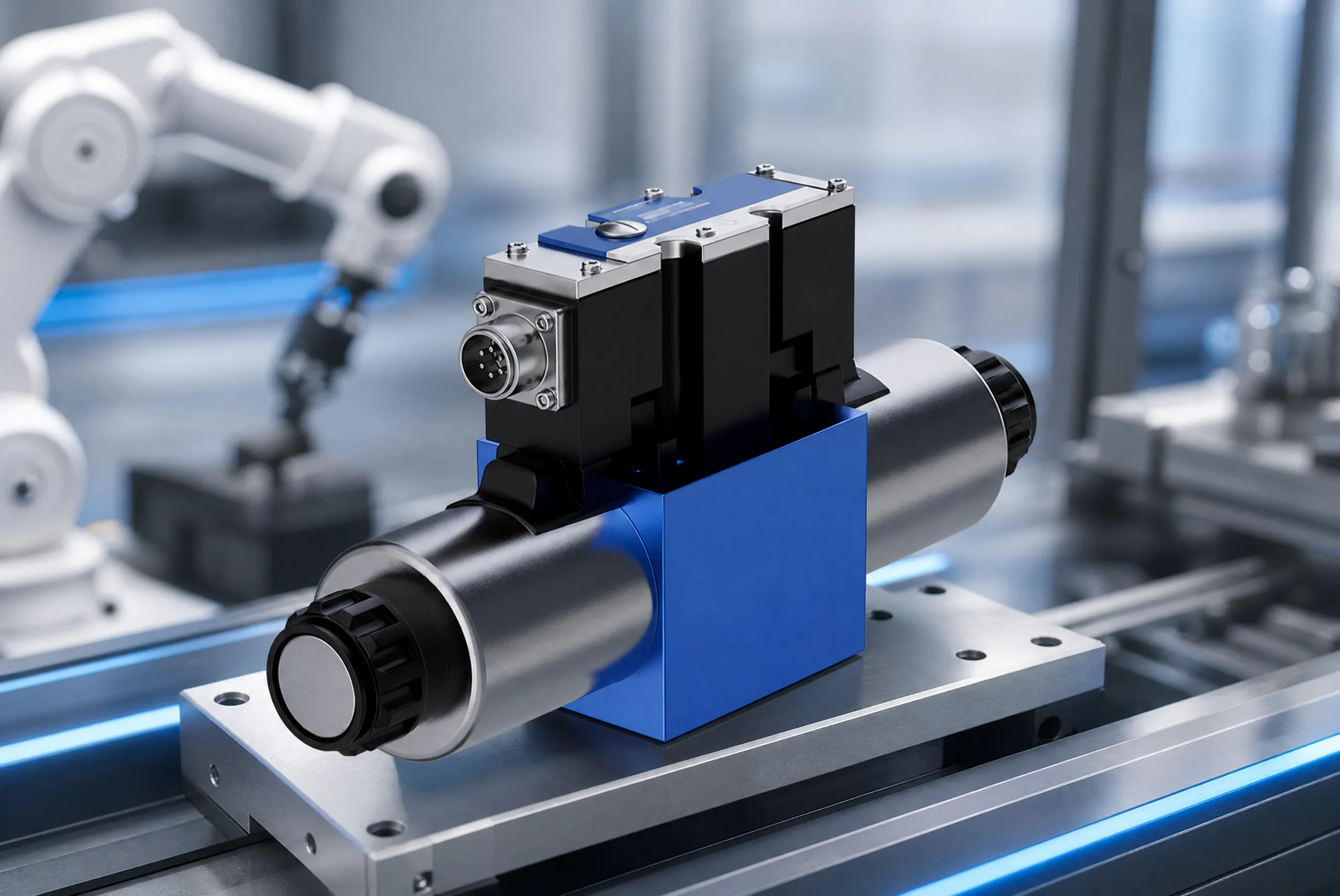
Product-family route after those inputs are complete: review the directional valve family when on/off raise-lower and holding interfaces are the core need, and open a pump-family review when displacement and drive matching dominate. Motor-family review is added only when torque-speed actuators are part of the platform.
- Product-family route: directional valve 4WE family after holding and electrical inputs are documented; coordinate pump and motor reviews from the same duty table
- Send with quote: platform input table, motion map and fluid data
- Fit boundary: load rating, descent control performance and certification claims require machine-level evidence beyond a component datasheet
Important: Do not treat a familiar lift power-pack layout as proof of interchangeability; confirm pressure, flow, holding logic, fluid and interfaces against the selected datasheet before release. — Parker basic hydraulic formulas
Use the following related guidance during the review:
For a product-family review, start with the hydraulic valves range, review the directional valve 4WE route when relevant, then submit the full application through the contact page. A model recommendation requires the applicable datasheet and complete operating inputs.
FAQs
What is the first input when reviewing hydraulic components for lifting platforms?
The motion and hold duty map: raise flow need, hold pressure method, lowering control and which auxiliaries share the pump.
Can a buyer select the pump before defining valve holding logic?
Not safely. Hold and lower behavior change relief strategy, center conditions and whether counterbalance or check valves are required.
When does a hydraulic motor enter a lifting-platform RFQ?
When rotation, travel, screw or winch functions are hydraulically driven rather than handled only by cylinders.
Why include drive speed with the pump request?
Pump flow depends on displacement and speed under stated conditions; speed and available power bound the practical displacement choice.
Are familiar port patterns enough to claim a drop-in valve replacement?
No. Confirm pressure, flow, holding behavior, fluid compatibility and documentation against the selected model datasheet.
What should a buyer provide with the quotation package?
The platform input table, motion map, fluid and electrical data, envelope limits and any retrofit nameplate details.
References
- Parker basic hydraulic formulas — flow, pressure, speed and power relationships used when reviewing lifting-platform duty packages.
- Danfoss Series 40 technical information — why displacement and speed data apply only under stated platform operating conditions.