Wenzhou Prance Hydraulic Equipment Co., Ltd

What should a hydraulic cooler sizing record establish first?
Hydraulic heat exchanger sizing begins with a controlled record of the circuit role, duty, fluid, environment, installation envelope, existing equipment, and applicable documents. A pump size, an old cooler, or one temperature observation cannot by itself establish a cooler capacity or an approved machine result.
Part 1. What should heat-exchanger sizing establish first?
Begin with the machine function and the reason cooling equipment is being considered. State whether the request concerns a new design, an existing installation, a replacement, or a changed duty, then keep that statement attached to the available system records.
The cooling question needs a defined context before a component comparison is meaningful. Document the circuit role, known operating observations, and the source of each record rather than treating an isolated reading as a complete thermal conclusion.
Applicable technical documentation sets the boundary for product conclusions. It should lead the review before a buyer turns a general description into a model or capacity request.
Part 2. Which inputs make the thermal question reviewable?
Collect the information that describes the machine rather than a desired answer. This is an RFQ evidence list, not a heat-load calculation method or an instruction for setting a temperature.
| Buyer should provide | Why it matters | Send with quote |
|---|---|---|
| Circuit function and drawing record | Connects cooling to the system being reviewed | State drawing revision and unknown paths |
| Duty and cycle record | Places observations in an operating context | Separate documented facts from assumptions |
| Fluid and available condition record | Identifies the media evidence on hand | Record source and observation date |
| Environment and installation envelope | Describes the surrounding installation context | Include available dimensions and interfaces |
| Existing equipment and change history | Shows what is present and what changed | Attach readable identifiers and documents |
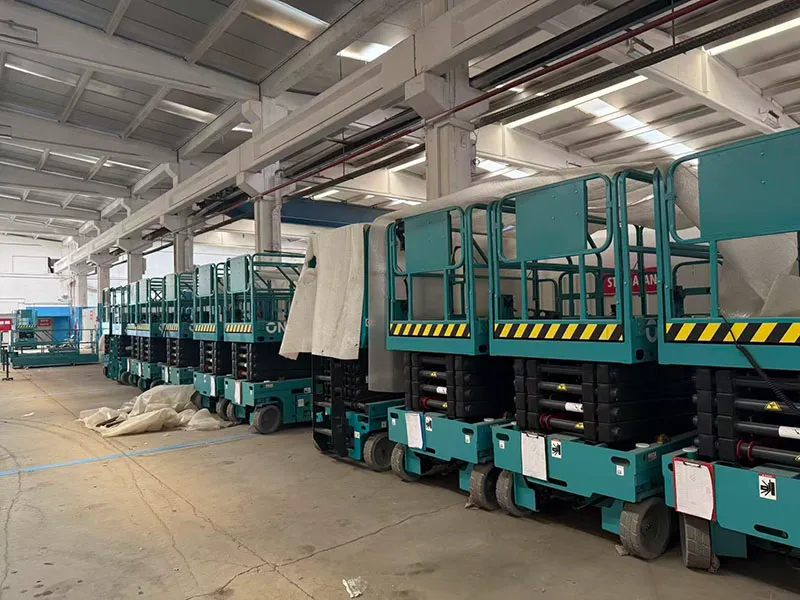
The hydraulic system specification checklist can help organize a controlled system record. It does not calculate a cooler size or select a heat exchanger.
Part 3. Why does the current system record matter?
An existing cooler, pump, or machine label can help identify what should be investigated, but it does not automatically define a new request. Keep the current record with the change history so a reviewer can distinguish known equipment from an assumed equivalent.
Fluid context also belongs in the record. The hydraulic fluid viscosity selection article is relevant for documenting fluid questions, yet it does not provide a cooling capacity or a system-temperature conclusion.
Document what was observed, where it was observed, and under what stated condition. That gives the next reviewer a traceable input rather than an unsupported diagnosis.
Important: Do not use one observed temperature, a pump label, or an old cooler as permission to specify a replacement capacity. Technical conclusions remain bounded by applicable documentation and stated conditions (Danfoss technical documentation).
Part 4. Why do pump size or one temperature not finish the review?
Pump information can be relevant to a system record, but it does not describe the complete duty, fluid condition, environment, installation envelope, or selected cooling equipment. A single observation has the same limitation when the operating condition and document record are incomplete.
The comparison should therefore remain tied to the specific machine evidence. The hydraulic engineering review article provides a route for recording open project questions without converting them into a performance conclusion.
Preserve the source of each input and mark unknown items plainly. That helps prevent an apparent number from becoming an unverified selection instruction.
Part 5. When should a buyer pause a cooler request?
Pause when the circuit role is unclear, duty information is missing, the fluid record is unknown, the environment or envelope is undocumented, the existing item cannot be identified, or a request relies only on a pump size or a temperature reading. Pause as well when the question would require a capacity conclusion without applicable product evidence.
The next useful action may be to recover a drawing, record an observation with conditions, or identify which facts are still unknown. Those steps make the inquiry reviewable without implying that the system already has a defined solution.
This is the fit boundary: the page organizes evidence for a cooler review. It does not calculate heat load, choose a model, state a capacity, approve installation, or predict machine temperature.
Part 6. How should heat-exchanger evidence be sent for review?
Send the circuit function and drawing record, duty and cycle evidence, fluid record, documented observations, environment and installation envelope, interfaces, existing-equipment and change record, quantity, application, delivery requirements, and the question needing confirmation.
When the record is ready for a family-level starting point, use the hydraulic product family alongside the OEM / ODM route. Send the controlled record through the contact page rather than asking for a heat-exchanger size from one number or a single photograph.
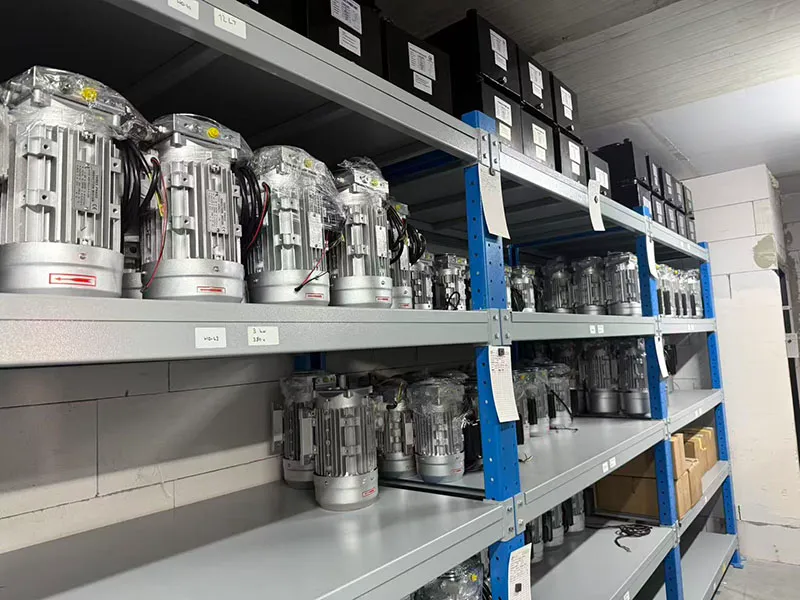
The product recommendation remains at family level. A named cooling component should not be proposed until the duty, interface, and selected-item documentation have been reviewed.
FAQs
What is needed before hydraulic heat exchanger sizing?
Start with the circuit role, duty record, fluid and environment context, installation envelope, existing-equipment evidence, and applicable documents. The inputs support review rather than a universal calculation.
Can pump size choose a hydraulic cooler?
No. Pump information is only part of a wider system record and does not establish duty, fluid condition, environment, interfaces, or a selected cooler.
Does ambient context belong in the cooling record?
Yes. Document the available environment and installation context because a component question must remain connected to the actual machine conditions.
Can an old cooler be copied to a new build?
An existing item can be evidence to collect, but it does not prove equivalence when the duty, interfaces, documents, or installation conditions changed.
When is engineering review needed for a cooler question?
Request review when key records are missing, the system changed, an observation lacks context, or a capacity conclusion would depend on assumptions.
What belongs in a hydraulic cooler RFQ?
Include circuit and drawing records, duty evidence, fluid and observation records, environment and envelope context, interfaces, existing-equipment information, quantity, application, delivery requirements, and the unresolved question.
References
- Danfoss Series 40 technical information — operating conditions and applicable documentation bound conclusions.
- Danfoss H1F motor technical information — system context belongs with hydraulic component review.
- Danfoss technical documentation — documents establish conditions for product conclusions.
- Danfoss cartridge valves technical information — circuit context is part of application review.