Wenzhou Prance Hydraulic Equipment Co., Ltd

Which records should guide a hydraulic manifold port-layout review?
Hydraulic manifold block design should begin with a controlled record of the circuit, valve evidence, port and mounting questions, drawing revision, duty context, and applicable documents. A valve list, a sketch, or an old block cannot by itself establish a port layout, machining plan, or approved OEM arrangement.

Part 1. What should a manifold-block design review establish?
Start by naming the machine function and the decision the inquiry is asking someone to review. State whether the request is a new OEM build, a documented replacement, or a revision to an existing arrangement, then preserve that context with the controlled circuit record.
The block question cannot be separated from the components and interfaces around it. A port question gains meaning only when the associated circuit, valve information, mounting context, and available drawings can be read together.
Applicable documentation defines the limit of a technical conclusion. A reviewer needs a traceable record before a sketch or an image is treated as a design instruction.
Part 2. Which records make a port-layout question reviewable?
Collect evidence that describes the requested arrangement and its unknowns. This is an RFQ evidence list, not a porting plan, a channel-design method, or a machining instruction.
| Buyer should provide | Why it matters | Send with quote |
|---|---|---|
| Circuit schematic and controlled drawing | Connects the block question to the intended function | State revision and unresolved paths |
| Valve identifiers and available documents | Links components to traceable evidence | Include readable labels and source files |
| Port, interface, and mounting context | Shows the physical question under review | Mark known interfaces and unknown features |
| Duty and machine context | Places the circuit in its operating setting | Separate recorded facts from assumptions |
| Existing-block and change record | Shows what has changed from the prior arrangement | Attach observations with date and location |
The hydraulic sectional valve selection article gives related component-context reading. It does not specify a manifold block or establish a port arrangement.
Part 3. Why must the circuit record stay with the block question?
The circuit record helps a reviewer distinguish a documented requirement from an inferred one. Keep the drawing revision, valve evidence, interface notes, and machine context together so that an open question remains visible rather than being hidden inside a simplified block request.
The hydraulic valve pressure drop article can support a discussion of system records, but it does not establish a block passage, a port location, or a pressure result for an OEM build.
Where an existing manifold is involved, state which details came from the original record and which came from the current observation. That prevents an older arrangement from being treated as automatic evidence for a changed machine.
Important: Do not turn a valve list, old block, or partial sketch into a port-layout instruction. Component conclusions require applicable documentation and the specific circuit context (Danfoss cartridge valves technical information).
Part 4. Why do valves or an old block not settle the layout?
Valve identifiers can identify items that need review, but they do not complete the circuit record, mounting evidence, interface details, or drawing control. An older block may be useful evidence, yet it cannot prove that a new machine has the same conditions or requirements.
Keep the request attached to the controlled evidence rather than relying on familiar shapes or labels. The hydraulic engineering review article is a route for documenting changes and unanswered questions without making a fit conclusion.
The useful next step is to clarify the missing record, not to invent the missing layout. That gives an OEM team and supplier a defined review question.
Part 5. When should an OEM pause a manifold request?
Pause when the circuit is incomplete, valves cannot be identified, port or mounting evidence is uncertain, the drawing revision is unavailable, the existing-block record conflicts with the current machine, or a request would require a layout conclusion from a sketch alone. The same boundary applies if a claim about machining, material, or compatibility would rest on assumptions.
Recovering a controlled drawing, recording the mounting question, or marking a known unknown makes the request stronger. It does not delay technical progress; it prevents an unsupported design claim.
This is the fit boundary: the page organizes a manifold-review record. It does not create port paths, choose a block, set a material, authorize machining, confirm valve compatibility, or approve a project.
Part 6. How should manifold evidence be sent for review?
Send the circuit schematic and controlled drawing, valve identifiers and documents, port/interface and mounting evidence, duty and machine context, existing-block and change record, observations with conditions, quantity, application, delivery requirements, and the question requiring confirmation.
For family-level navigation, use the hydraulic valve product family and the OEM / ODM route. Submit the controlled record through the contact page instead of requesting a port layout from a valve list or isolated sketch.
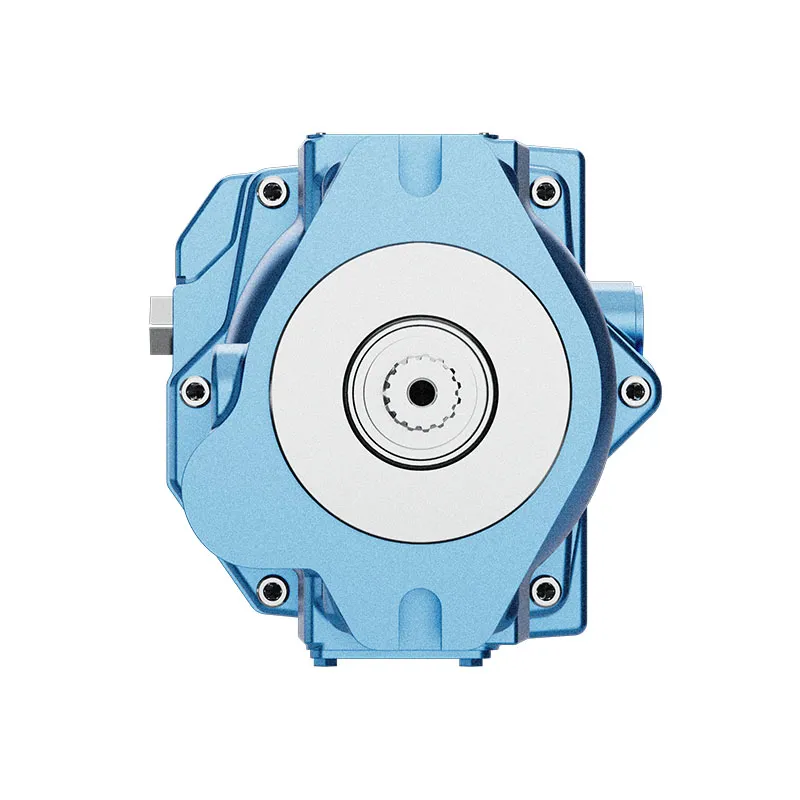
The product recommendation remains at family level. A named block or valve arrangement should not be proposed until selected-item documentation and the controlled circuit record have been reviewed.
FAQs
What should be defined before a hydraulic manifold review?
Collect the circuit, valve evidence, port and mounting questions, drawing revision, duty context, existing-item record, and applicable documents before asking for a design conclusion.
Can a valve list define the manifold port layout?
No. A valve list can support identification, but it does not establish the controlled circuit, interfaces, mounting conditions, drawing details, or an approved layout.
Do mounting questions belong in a manifold RFQ?
Yes. Document the available mounting and interface context so a reviewer can see the physical question alongside the circuit record.
Can an old manifold be copied to a new machine?
An old block may be useful evidence, but it does not prove equivalence when the circuit, interfaces, duty, controlled documents, or machine conditions changed.
When should engineering review begin for a manifold question?
Request review when the circuit or drawing is incomplete, components or interfaces are uncertain, a change is unexplained, or a layout conclusion would depend on assumptions.
What belongs in a hydraulic manifold block RFQ?
Include the circuit and drawing record, valve identifiers and documents, port/interface and mounting evidence, duty context, existing-block information, observations, quantity, application, delivery requirements, and the unresolved question.
References
- Danfoss cartridge valves technical information — circuit and application context bound component conclusions.
- Danfoss technical documentation — applicable documentation limits product conclusions.
- Danfoss Series 40 technical information — operating context remains part of technical review.
- Danfoss H1F motor technical information — system context is necessary in hydraulic component review.