Wenzhou Prance Hydraulic Equipment Co., Ltd

What should a pump model-code record preserve?
A hydraulic pump model code is only useful when its full observed designation stays connected to the document, revision, and visible marking from which it was taken. A review record therefore preserves evidence; it does not decode a configuration, approve a replacement, or authorize an operating decision.
Part 1. What does a hydraulic pump model code establish before review?
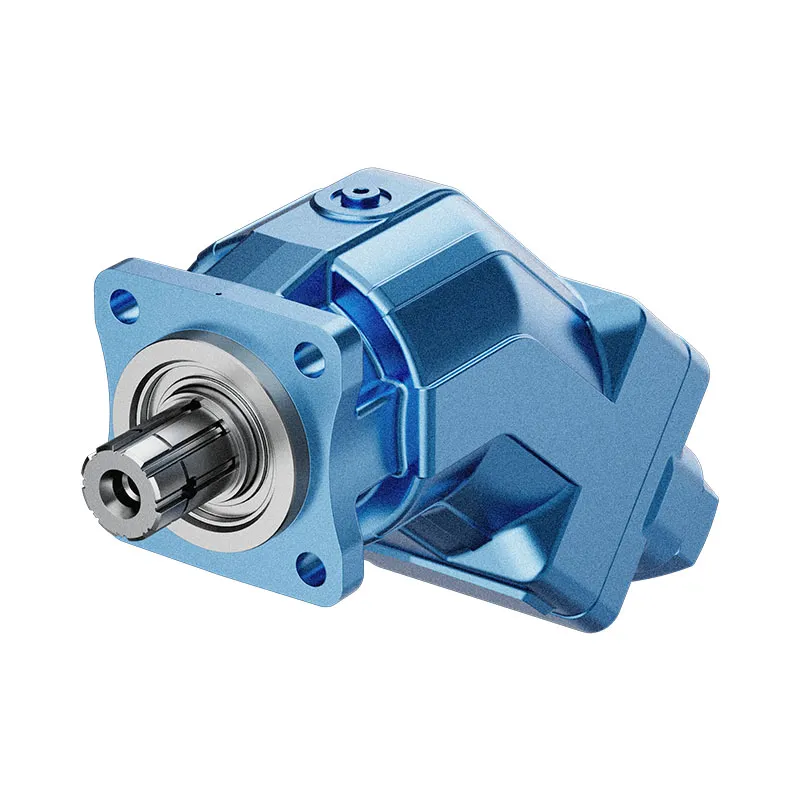
Before a review begins, the model code functions as a product-identification string rather than a standalone engineering conclusion. Its practical role is to point a reviewer toward the exact source document and product family that must be compared before a buyer asks about a pump.
The useful starting point is transcription, not interpretation. Record the complete string as observed, including separators and suffixes, then keep the source of that observation beside it. A document library such as the Danfoss download centre illustrates why controlled technical material is preferable to recollection or an abbreviated label.
This distinction matters because the same inquiry can contain several identifiers. A pump family description, a model designation, a serial or production reference, and a document number do different jobs. Combining them into one informal description makes it harder to identify what still needs confirmation.
Part 2. Which identity fields should remain separate in the record?
The record becomes clearer when each field keeps its own source and status. The table below is a documentation matrix, not a code-decoding guide.
| Record field | What to preserve | Why it stays separate |
|---|---|---|
| Full observed designation | Exact characters, separators, and suffixes | An abbreviated entry can hide what has not been captured. |
| Visible-marking reference | Clear view and the place where it was observed | The reviewer can distinguish the observation from a transcription. |
| Product-family description | The family named in the controlled source | A family label does not establish a configured model. |
| Source document | Document title or stable technical-resource link | It shows where the designation is being compared. |
| Document revision | Revision or edition shown with the source | An older document can describe a different record context. |
| Open question | A short statement of what remains unresolved | It avoids converting an assumption into a conclusion. |
An identity record should also make the source relationship visible. For example, a marking can be legible while its associated document is absent; that situation calls for a document request, not a guessed expansion of the code. The Parker technical-resources route is a useful example of keeping catalog material in the evidence chain.
Part 3. Why does a visible-marking reference improve an inquiry?
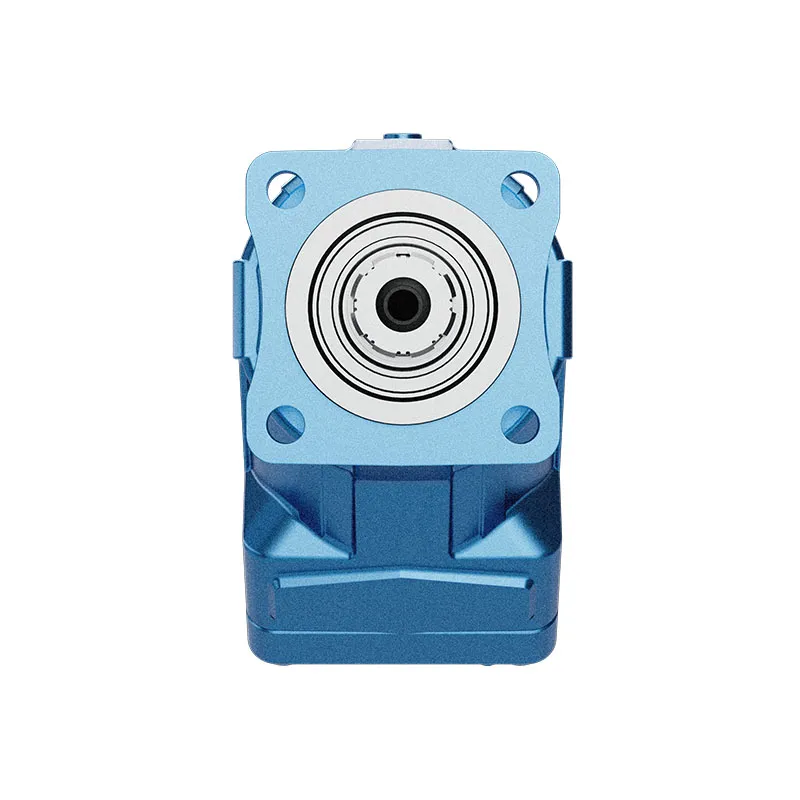
A readable marking reference lets a technical reviewer see what was actually observed rather than relying on a retyped label. It can be a photograph or controlled inspection reference supplied with the inquiry, provided it is linked to the relevant pump and has no unsupported interpretation added to it.
Use the evidence table as the handoff point:
| Buyer should provide | Review purpose | Keep unresolved when |
|---|---|---|
| Full observed designation | Connect the entry to the correct source document | A character or suffix cannot be read clearly. |
| Marking reference | Preserve the observation context | The view does not show which component is marked. |
| Document title and revision | Compare like with like | The source edition is not known. |
| Application description | Explain why review is requested | It is being used to infer a configuration or result. |
This is also where an inquiry earns its value: it separates observed facts from questions. The related hydraulic pump inquiry record can help a buyer keep identification material distinct from commercial requirements.
Part 4. Which document and revision details prevent an avoidable mismatch?
The document title, revision, and retrieval route deserve the same attention as the visible designation. A source named only as “the catalog” cannot show which edition a reviewer should use, while a controlled document reference can make a comparison repeatable.
Product-family resources are useful for context but do not replace the exact source. The Bosch Rexroth industrial-hydraulics overview demonstrates how product families are organized; it does not validate a different maker’s model or a proposed substitution.
Important: A model-code record should not be used as proof of a safety, performance, or compatibility outcome. Documentation and fluid-power requirements must be reviewed in their applicable project context (ISO catalogue reference).
When a controlled source and a visible marking conflict, preserve both references and state the conflict plainly. That creates an auditable engineering question rather than an untraceable correction.
Part 5. When is a partial designation not enough for a conclusion?
A partial designation is not enough when it omits characters, suffixes, the source document, or the revision needed to identify the comparison context. The missing item may be minor, but its significance cannot be judged from the partial record alone.
It is equally important not to turn a familiar family name into a replacement statement. A family description can guide the next document search, yet it does not establish mechanical, hydraulic, control, or application fit. This boundary keeps the page different from a hydraulic pump datasheet review, which addresses how a complete source should be read for an inquiry.
Move the record to engineering review when the marking cannot be read, the source cannot be located, two sources disagree, or the inquiry asks for a compatibility or performance conclusion. The review request should preserve uncertainty rather than hide it.
Part 6. Which pump-family route supports a documented next step?
After the identity evidence is organized, the appropriate first-party route is the hydraulic pump product line. It provides a product-family starting point while leaving configuration confirmation to the controlled review process.
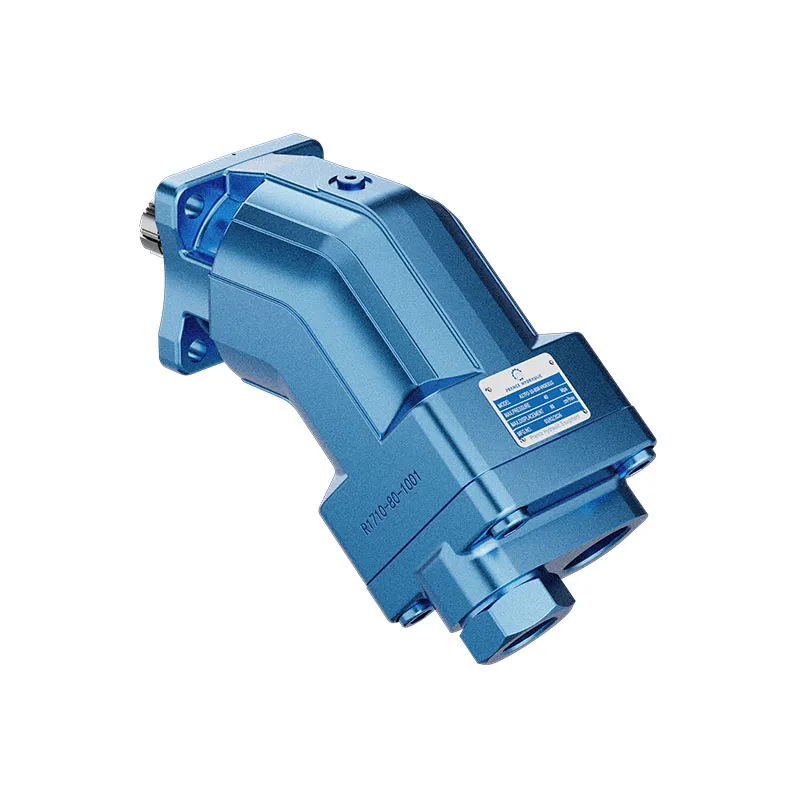
For a documented OEM or ODM inquiry, send:
- the complete observed designation;
- a visible-marking reference;
- the document title and revision available to the buyer; and
- a concise statement of the unresolved question.
This route is suitable for gathering evidence before a technical conclusion. It is not a request to infer a pump configuration from a photograph, fragment, or family name. If the record is complete enough for review, use the engineering review inquiry path.
FAQs
What is a hydraulic pump model code?
It is an identifying designation associated with a pump product record. It should be retained exactly as observed and checked against the relevant controlled technical source rather than treated as a stand-alone performance statement.
Is a serial or production reference enough to identify a pump model?
No. A serial or production reference and a model designation can serve different traceability purposes. Keep each one in its own field and state when the product document is unavailable.
Why should the document revision be recorded?
The revision identifies the comparison context. Keeping it with the document title helps a reviewer avoid treating an unspecified edition as the source for a current inquiry.
What should accompany a pump model-code inquiry?
Provide the complete observed designation, a readable marking reference, the source document and revision if available, and the question that remains unresolved. Do not add an assumed code expansion.
Can a partial code establish a replacement?
No. A partial code may help locate further documents, but it does not establish a replacement, compatibility, or application result.
When should the record be sent for engineering review?
Send it when the marking is incomplete, documents conflict, a source is missing, or the buyer needs a conclusion beyond identity documentation.