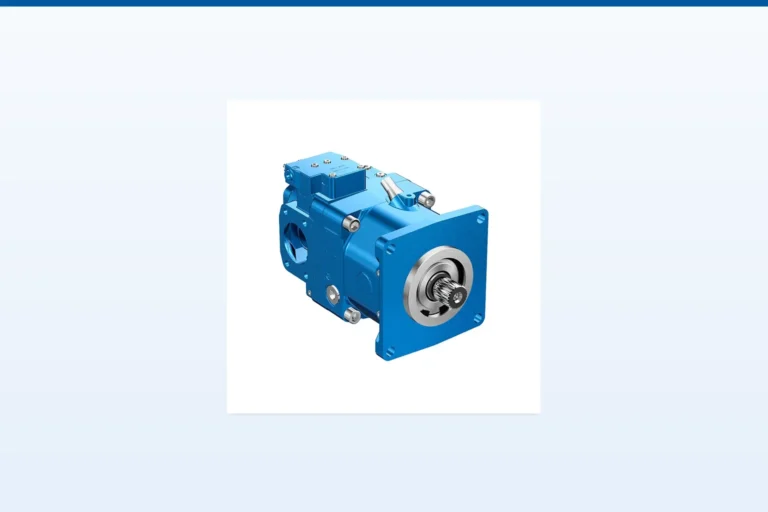
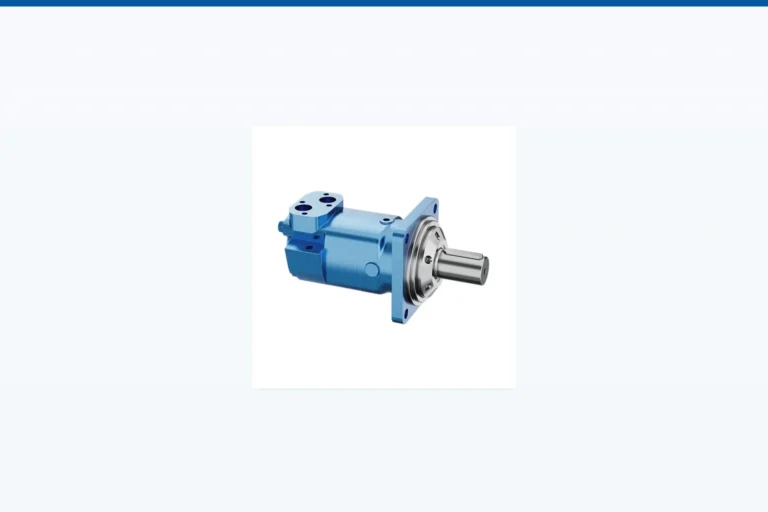
Wenzhou Prance Hydraulic Equipment Co., Ltd

Variable Displacement Piston Pump: Open-Circuit Guide
A variable displacement piston pump adjusts output per revolution while shaft speed stays constant—matching flow to load instead of dumping excess oil across a relief valve. On open-circuit mobile and industrial systems above roughly 210 bar (3,000 psi), it is the standard way to cut heat, save input power, and keep multi-function valves responsive.
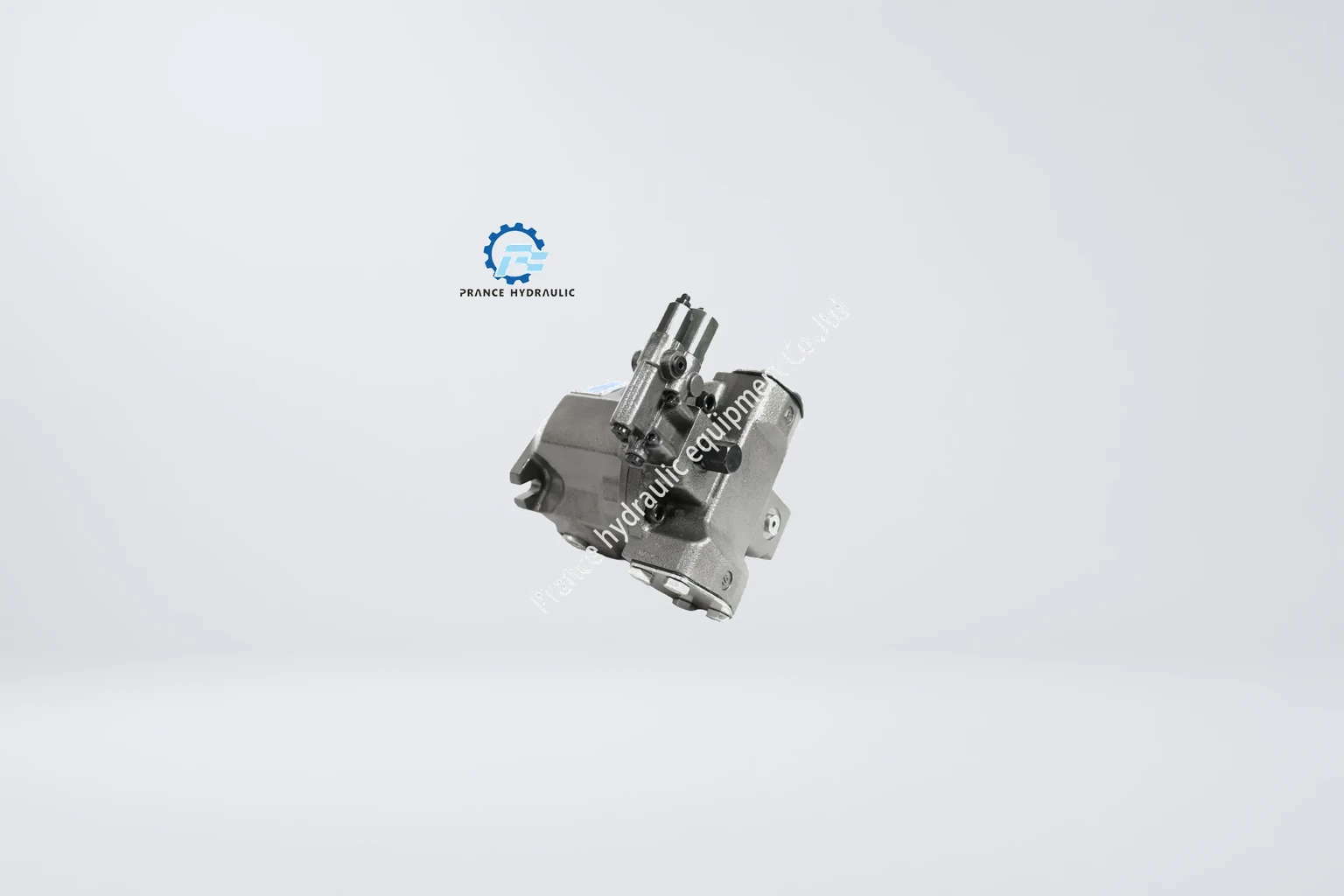
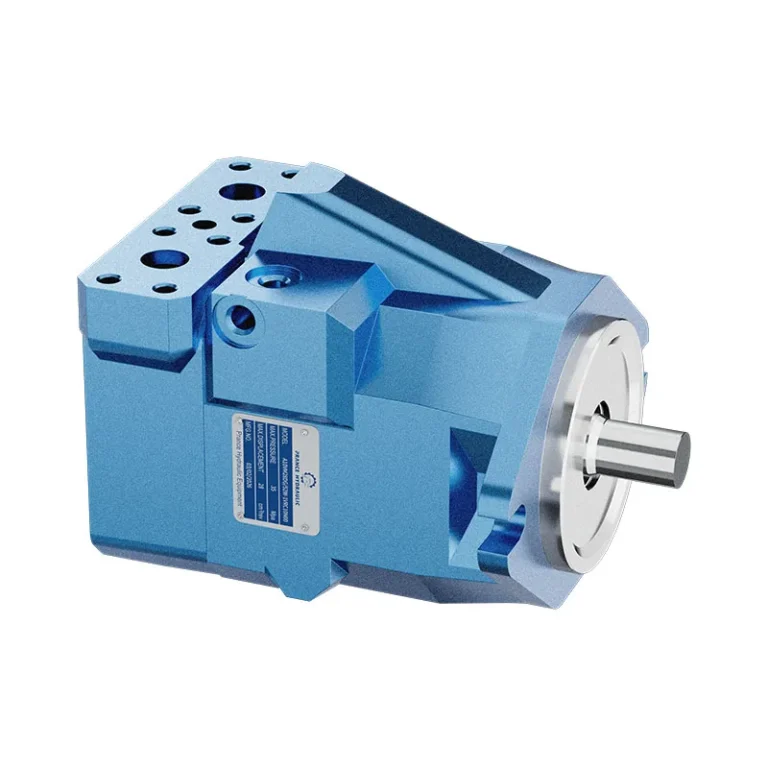
This guide explains how variable displacement works, compares control strategies for open circuits, and gives a practical sizing checklist. For piston-pump family context, see our hydraulic piston pump types and selection guide; for axial working principle, see the axial piston pump working principle guide.
Table of Contents
- Part 1. What Is a Variable Displacement Piston Pump?
- Part 2. Fixed vs Variable: When Does Variable Pay Off?
- Part 3. How Does Variable Displacement Work?
- Part 4. What Is an Open-Circuit System?
- Part 5. Which Control Types Fit Open Circuits?
- Part 6. How Do You Size a Variable Piston Pump?
- Part 7. Which Applications Use Variable Piston Pumps?
- Part 8. A10VSO and A4VSO for Open-Circuit Variable Duty
- FAQ
- References
Part 1. What Is a Variable Displacement Piston Pump?
A variable displacement piston pump is a positive-displacement pump whose swept volume per revolution can change during operation. Most industrial and mobile units use an axial swashplate design: pistons in a rotating barrel reciprocate against a tilted plate, and the plate angle sets stroke length.
At full stroke, the pump delivers maximum flow for a given rpm. At near-zero stroke, output drops toward zero while the shaft still turns—useful for standby without unloading the prime mover. That behavior distinguishes variable piston pumps from fixed-displacement gear or vane pumps, which always deliver the same flow per revolution.
Part 2. Fixed vs Variable: When Does Variable Pay Off?
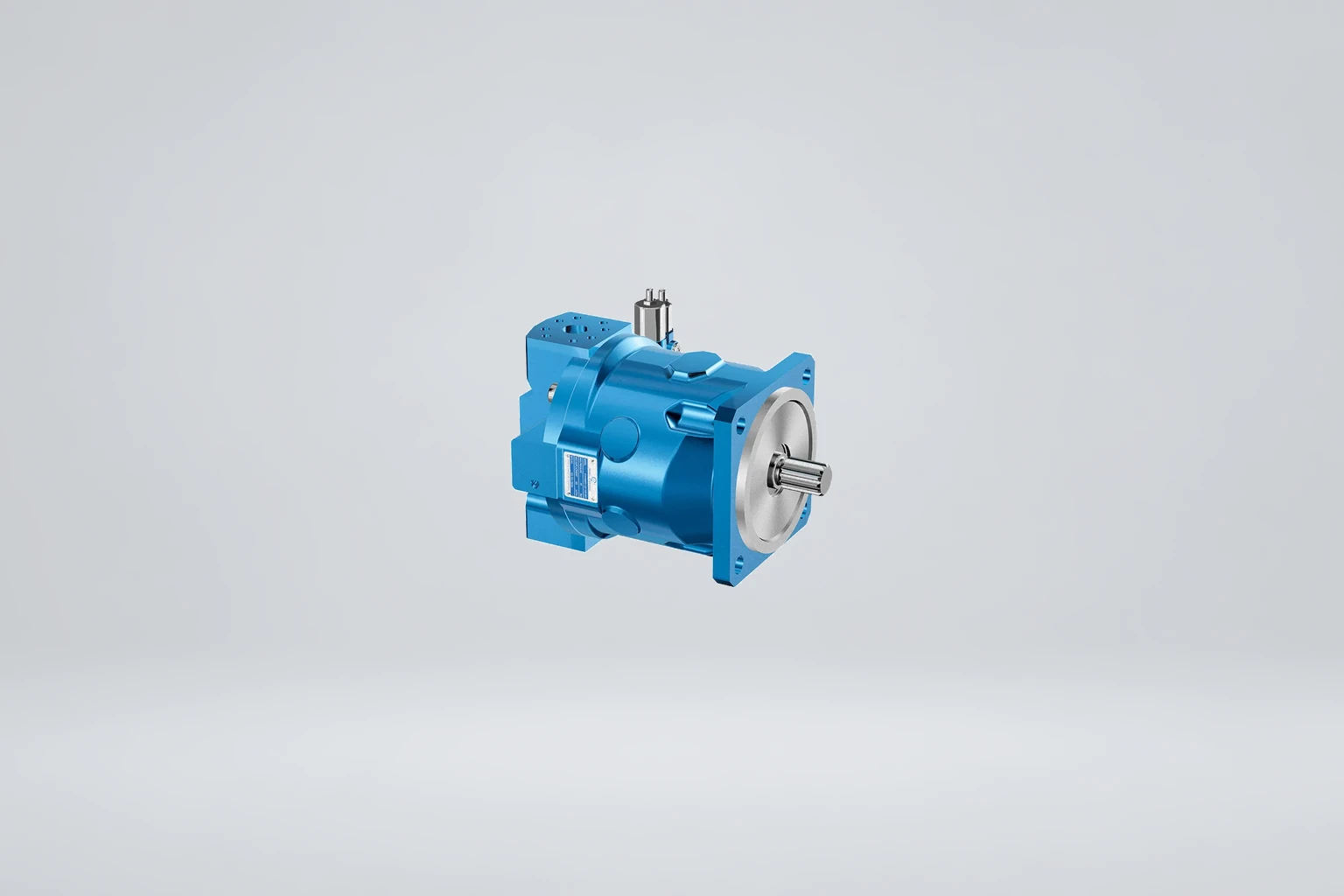
| Factor | Fixed displacement | Variable displacement piston |
|---|---|---|
| Flow per revolution | Constant | Adjustable (destroke to near zero) |
| Partial-load efficiency | Often poor (relief/throttle losses) | Better—flow tracks demand |
| Typical pressure class | Low to medium (gear/vane) or high (fixed piston) | High—280–420 bar common on swashplate units |
| Control complexity | Lower | Higher—compensator, LS, or electric input |
| Best when | Steady flow, simple HPU, cost-sensitive | Changing loads, long run times, multi-actuator mobile machines |
Choose variable displacement when the duty cycle spends significant time at partial flow or when load-sensing valve banks need a pump that can follow demand. Fixed displacement remains sensible for constant-speed conveyor drives or simple power units with predictable flow.
Tip: Variable displacement pays off fastest on systems that run hours per day with changing actuator demand—not on short-cycle fixtures that always use full flow.
Part 3. How Does Variable Displacement Work?
In a swashplate axial piston pump, displacement changes by adjusting swashplate angle:
- Maximum angle — Long piston stroke, highest cm³/rev, highest flow at rated rpm.
- Reduced angle — Shorter stroke, lower flow.
- Near-zero angle — Minimal flow; shaft still rotates (standby).
A control piston or servo pushes against a bias spring to set angle. Pilot pressure from a compensator, load-sensing line, or proportional solenoid commands that position. Internal leakage returns through the case drain to tank—rising case-drain flow often signals wear before performance collapses.
Important: A pump that suddenly delivers almost no flow is not always failed—it may be destroked by pressure compensation or load sensing when demand is low. Confirm control settings and system pressure before replacing the unit.
Part 4. What Is an Open-Circuit System?
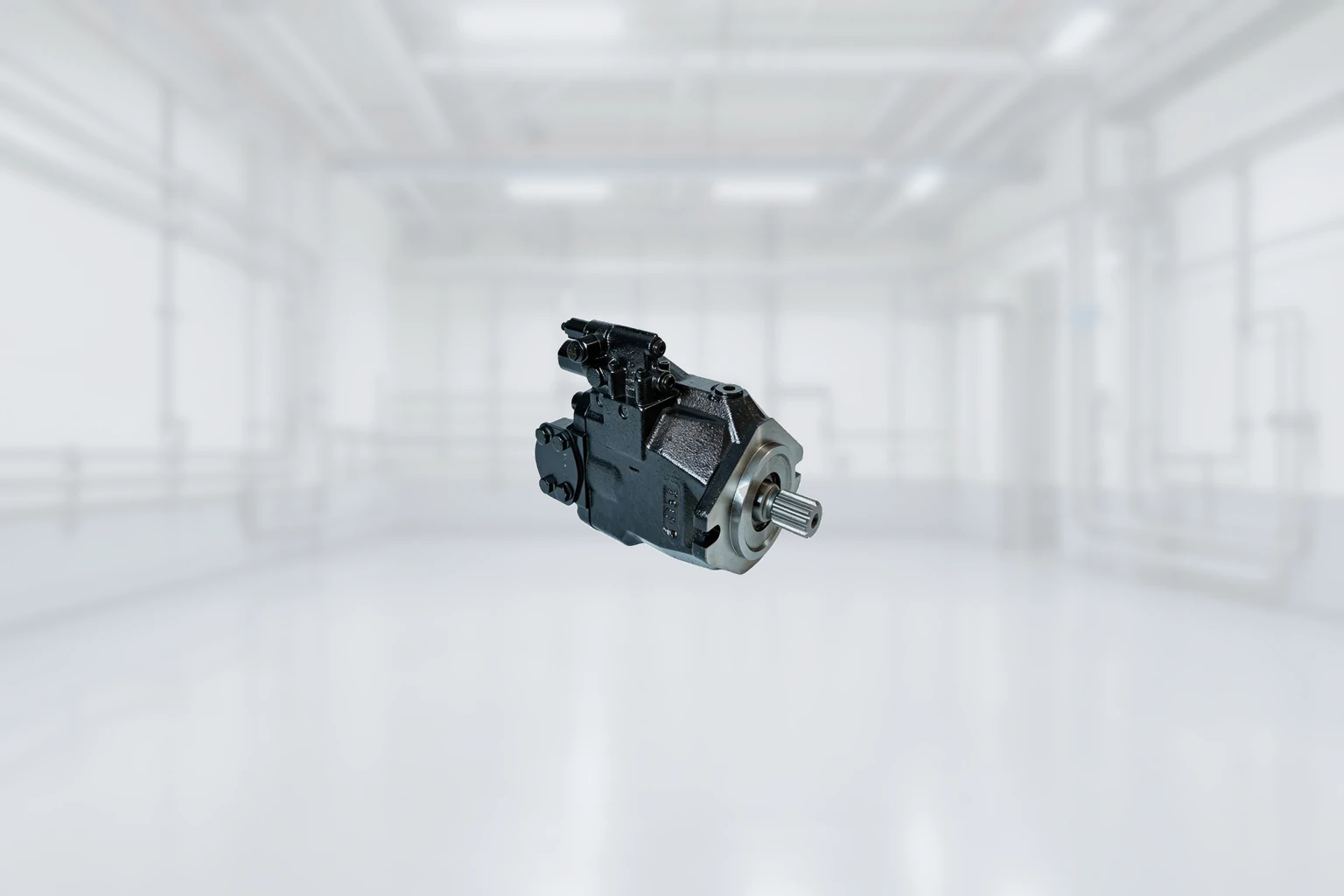
In an open-circuit (open-loop) layout, pump outlet feeds directional valves and actuators; return oil goes to a vented reservoir. The pump does not recirculate flow in a closed hydrostatic loop. Most construction equipment main pumps and general industrial HPUs use open circuits with variable axial piston pumps.
Open-circuit variable pumps typically include:
- Pressure line to the valve stack or manifold
- Tank return through the valve or a separate low-pressure line
- Case drain line (mandatory on piston pumps)
- Control ports for compensator or load-sensing signal
Closed-circuit (hydrostatic) drives use a different pump/motor pairing and control philosophy—outside this article’s scope but relevant when comparing catalog series.
Part 5. Which Control Types Fit Open Circuits?
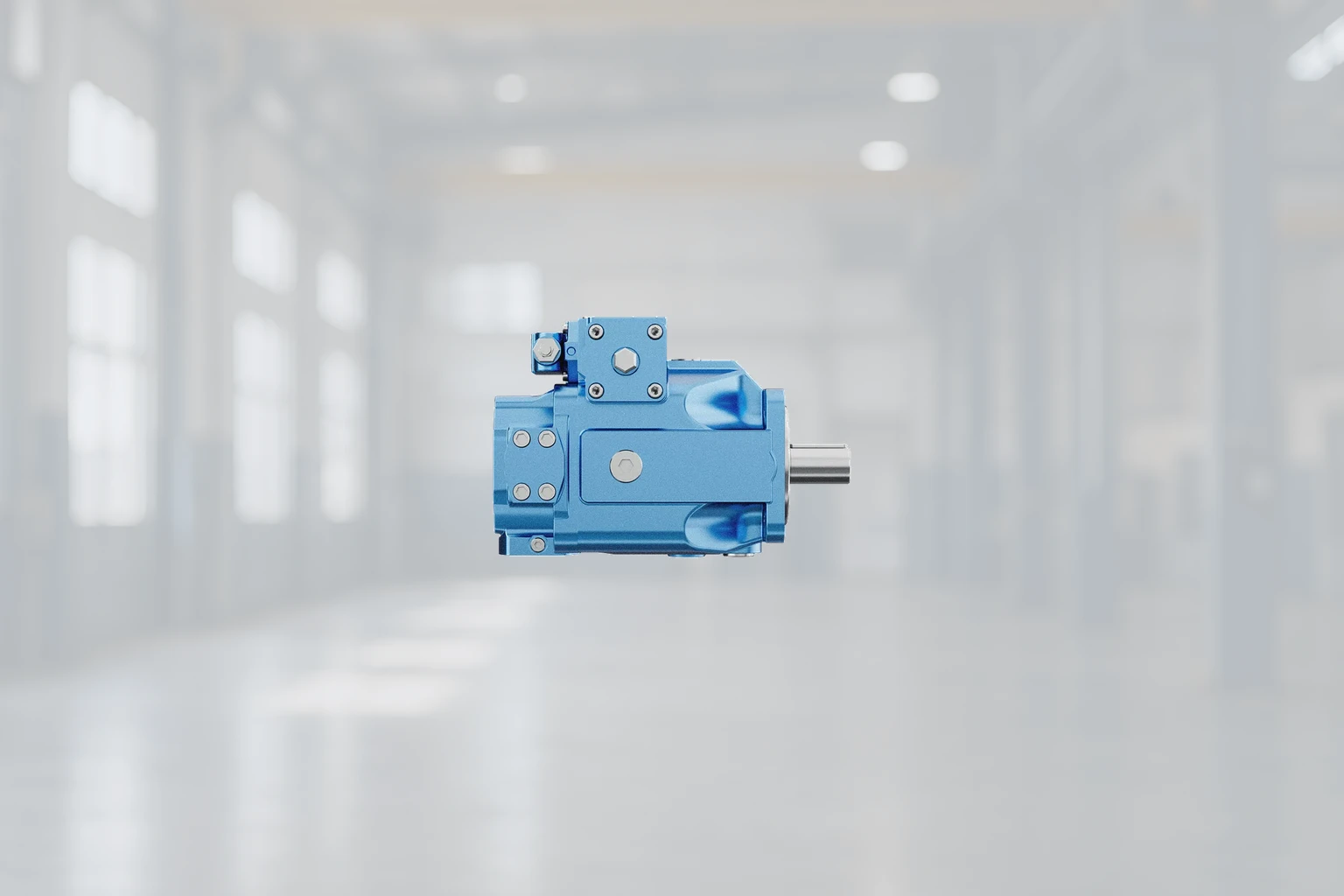
| Control | Behavior | Typical open-circuit use |
|---|---|---|
| Pressure compensated (PC) | Destrokes as system pressure reaches compensator setting; maintains target pressure at partial flow | Presses, industrial power units with meter-in/out valves |
| Load sensing (LS) | Adjusts displacement to hold a set pressure drop (often ~20–30 bar) across the main metering valve | Excavators, loaders, multi-spool mobile valve banks |
| Electric proportional | Swashplate angle from solenoid or controller signal | Machine tools, test stands, automated motion |
| Power / torque limiting | Caps simultaneous pressure × flow to protect engine or motor | Mobile equipment with limited prime-mover power |
PC vs load sensing: A PC pump tries to hold system pressure regardless of valve position. An LS pump only delivers the flow needed to maintain the commanded pressure drop across the spool—often saving more energy on multi-function machines. Mismatching pump control to valve architecture (PC pump on an LS manifold, for example) causes hunting, heat, or sluggish response.
Tip: When replacing a variable pump, match displacement size and control type to the existing circuit design. Swapping control logic without updating valves is a common source of field failures.
Part 6. How Do You Size a Variable Piston Pump?
- Peak flow — Sum simultaneous actuator demands; Q (L/min) ≈ displacement (cm³/rev) × rpm ÷ 1000.
- Pressure — Size continuous rating above working pressure with margin; confirm peak spikes.
- Speed — Stay within catalog nmax at required displacement; derate at high ambient if needed.
- Power — Input kW ≈ Δp (bar) × Q (L/min) ÷ 600 (verify with efficiency curves).
- Control & ports — Confirm PC, LS, or electric; shaft rotation; flange; case drain; pilot ports.
Example: Need ~120 L/min at 1,800 rpm → nominal displacement ≈ 120 × 1000 ÷ 1,800 ≈ 67 cm³/rev before efficiency losses—a catalog 71 cm³/rev size is a reasonable starting point.
Part 7. Which Applications Use Variable Piston Pumps?
- Mobile construction — Main pump on excavators, wheel loaders, and cranes with load-sensing spools.
- Industrial presses and forming — Pressure-compensated flow for hold and advance phases.
- Plastic injection and machine tools — Variable flow profiles for acceleration and deceleration.
- Test and simulation rigs — Electric proportional control for repeatable cycles.
Part 8. A10VSO and A4VSO for Open-Circuit Variable Duty
Prance Hydraulic supplies open-circuit variable axial piston pumps for industrial and mobile duty:
- A10VSO variable displacement piston pump — Swashplate design for open-circuit hydrostatic drives; catalog sizes 18–140 cm³/rev; published power table at Δp = 280 bar (4,060 psi).
- A4VSO series — Higher displacement and 420 bar class options for heavier industrial flows.
| A10VSO size (cm³/rev) | Max speed (rpm) | Max flow at nmax (L/min) | Notes |
|---|---|---|---|
| 45 | 2,600 | 117 | Mid-size mobile / industrial |
| 71 | 2,200 | 156 | Common excavator-class flow band |
| 100 | 2,000 | 200 | High-flow open-circuit HPU |
| 140 | 1,800 | 252 | Large displacement, lower max speed |
Manufacturing follows ISO-certified processes. Send target pressure, flow, speed range, control type (PC/LS/electric), and mounting details via our contact form for series selection.
FAQ
What is a variable displacement piston pump?
It is a piston pump that can change output volume per revolution—usually by adjusting swashplate angle—while shaft speed stays constant.
How does variable displacement work?
A control piston sets swashplate angle, which changes piston stroke and therefore flow per revolution from near zero to maximum catalog displacement.
What is the difference between fixed and variable displacement?
Fixed pumps deliver constant flow per revolution; variable pumps can destroke to reduce flow and limit throttling or relief losses at partial load.
What is an open-circuit hydraulic system?
Pump flow goes through valves to actuators and returns to a vented tank—it is not a closed hydrostatic loop between pump and motor.
When should you use a variable displacement piston pump?
When pressure is high, loads vary, run times are long, or a load-sensing valve bank needs flow that tracks demand.
What control types are used on variable piston pumps?
Common options include pressure compensation, load sensing, electric proportional control, and power/torque limiting.
What is pressure compensation vs load sensing?
PC holds system pressure by destroking at the compensator setting. LS maintains a set pressure drop across the metering valve and adjusts flow to demand.
How do you size a variable displacement piston pump?
Match peak displacement and speed to required flow, rated pressure to system pressure with margin, and verify control type and interface dimensions.
What applications use variable displacement piston pumps?
Excavators, presses, injection molding machines, machine tools, and other mobile or industrial circuits with changing flow demand.
Why does my variable pump sometimes output almost no flow?
Often normal destroking under PC or LS control at low demand. Check compensator setting, LS signal lines, and case drain before condemning the pump.
References
- Fluid Power World — A designer’s guide to hydraulic pumps
- Mission Hydraulics — Piston pump displacement explained
- Northern Hydraulics — Axial piston pump buying guide
- Prance Hydraulic — A10VSO variable displacement piston pump
- Prance Hydraulic — Axial piston pump working principle
Get a Free Quote — Share pressure, flow, control type, and application for A10VSO/A4VSO selection.