Wenzhou Prance Hydraulic Equipment Co., Ltd

What do you want to know about Tractor Hydraulic pump?
Knowing the operation of hydraulic pumps on tractors is critical to understanding the function and operation of agricultural machinery and heavy equipment. Many tractor systems rely on hydraulic pumps to convert mechanical energy into hydraulic power which can perform many functions, such as lifting heavy objects or powering attachments. This article will give you a thorough overview of the trucks and tractors hydraulic pump; including working principles of the hydraulic pump, types of hydraulic pumps, applications of hydraulic pumps, and benefits of hydraulic pumps will be discussed providing you with an educational resource for this crucial tractor component.
What is the Working Principle of the Tractor Hydraulic Pump?
The hydraulic pump of a agricultural tractor has as its main objective to deliver hydraulic energy to numerous hydraulic systems of the agricultural tractor. The way in which the pump achieves this is by using the mechanical energy produced by the engine of the tractor to create hydraulic pressure of the hydraulic fluid (usually oil). The hydraulic psi developed by the tractor hydraulic pump flows through a system of hydraulic lines on the tractor and powers several implement systems or accessories on the tractor.
In the first step of the hydraulic pump’s operation, the hydraulic pump creates a suction (vacuum) on the intake side, which allows hydraulic fluid to move from the reservoir to the pump. Inside the hydraulic pump, the hydraulic fluid is compressed and pressurized. The high-pressure hydraulic fluid is then released from the pump through an outlet and travels through hydraulic hoses or pipes to the hydraulic actuator(s) (e.g., hydraulic cylinders, hydraulic motors). After receiving the hydraulic fluid, the hydraulic actuators convert the hydraulic energy back to mechanical energy, which allows operations, such as raising a loader arm or rotating a blade.
Hydraulic pumps are based on Pascal’s Law: “Pressure (applied to one part of a body of confined fluid) is transmitted equally in all directions.” The result of this principle, together with the ability of hydraulic systems to provide high outputs with small amounts of input energy, means that hydraulic pumps and hydraulics can lift, pull and exert very high force!
What are the Types of Tractor Hydraulic Pumps?
Hydraulic Pumps For Tractors: There Is No Such Thing As A Universal Pump, All Are Designed With Specific Applications In Mind And The Equipment That Will Use Them Will Also Have Requirements For That Type Of Pump. The following are The Most Common Pumps.
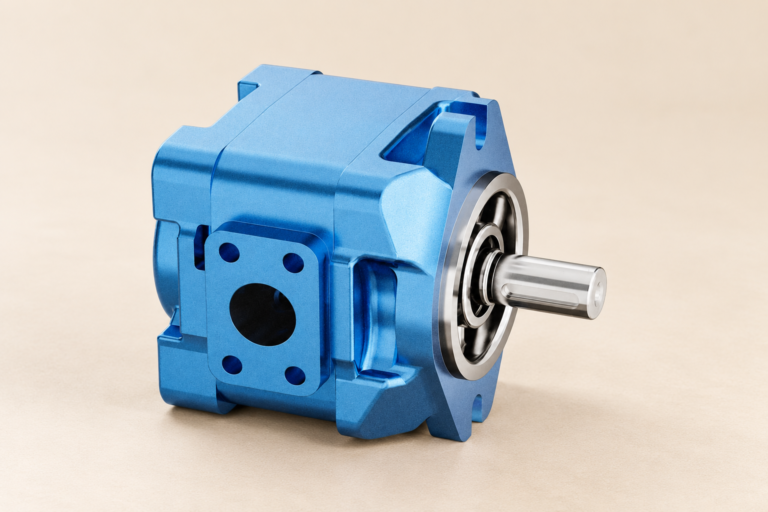
Hydraulic pumps that are popular with tractor manufacturers are gear type hydraulic pumps. They are relatively inexpensive and consist of straightforward mechanical design which allows them to be strong enough for most low-to mid-pressure hydraulic applications. The use of gears to mesh together and pump hydraulic fluid is tested and can continue to provide reliable performance for many years with minimum required maintenance.
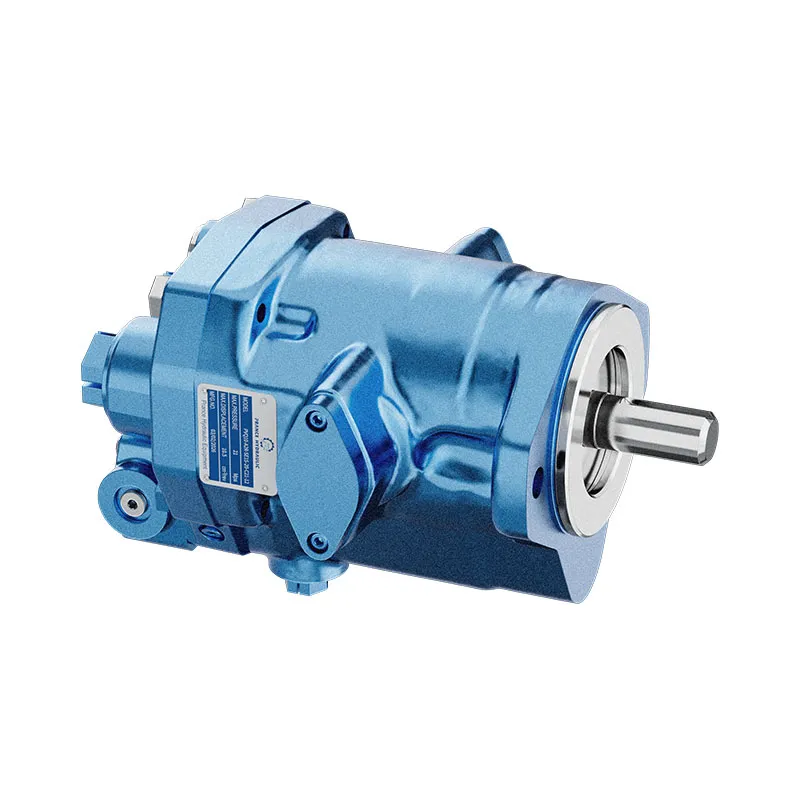
Piston Pump: A piston pump is a complicated machine designed to perform heavy-duty tasks at high pressures by utilizing a reciprocating motion to move liquids at high pressure, meaning it is well suited to use in larger tractors. While they tend to be more expensive than gear-type pumps, their greater efficiency and capacity often make them a good value in severe duty applications.
The Vane Pump is a versatile type of pump that can provide many different flow rates because it uses a rotor with multiple moving vanes to transfer hydraulic fluids. They can easily be adapted to work with other systems, making them an excellent choice for tractors used for multiple purposes.
Every pump type has advantages and disadvantages, thus it becomes necessary to select the appropriate one based on the criteria of the tractor as well as the work it will be expected to perform.
What are the Uses of a Tractor Hydraulic Pump?
The hydraulic pump plays an essential role in many different tractor operations, powering functions that enable tractors to operate as versatile machines and perform a wide variety of tasks across multiple industries such as agriculture and construction. Below are some typical applications of the tractor hydraulic pump:
Hydraulic pump technology provides easy, precise lifting and lowering capabilities for all types of heavy-weight implements (such as Plows and Loaders) and many others.
The use of the hydraulic pump for powering attachments – backhoes, augers, harvesters, and other attachments – helps ensure proper operation.
In today’s tractors, hydraulic systems provide power-steering capabilities and advanced braking systems that allow for more convenient operation. As a result, tractors are much easier to operate, and safe to operate by tractor operators.
Through the use of hydraulic pump technology, hydrostatic transmissions enable continuous variable-speed operation, thus making operating a tractor in difficult terrain much easier.
The many ways in which hydraulic pumps can be used illustrate how hydraulic pumps can enhance a tractor’s efficiency, productivity and flexibility.
What are the Advantages of Tractor Hydraulic Pumps?
Hydraulic systems have become very common in modern farm machinery because they provide many benefits that make them an essential part of both agricultural and industrial equipment.
Efficiency: Hydraulic systems produce high quantities of force with little to no effort put forth upon your part, thus making them very energy efficient.
Accuracy and Control: Hydraulic pumps provide the tractor operator with precision to make accurate movements and adjustments, which are key to all the jobs carried out on the farm, such as planting vegetables, harvesting crops, and digging holes.
Durability: Hydraulic pumps are robust and designed to withstand harsh working conditions, ensuring years of reliable performance.
Flexibility: Whether you are lifting, pulling, or rotating, a hydraulic pump can effortlessly adapt to different operational requirements.
Reduced Wear and Tear: Unlike mechanical systems, hydraulic systems experience less wear and require less frequent maintenance compared to conventional alternatives.

FAQs about Tractor Hydraulic Pumps
What are the main components of a tractor hydraulic system?
A typical tractor hydraulic system consists of a hydraulic pump, fluid reservoir, valves, hydraulic lines, and actuators such as hydraulic cylinders and motors.
How can I identify if my tractor hydraulic pump is failing?
Signs of a failing hydraulic pump include reduced system performance, unusual noises, overheating hydraulic fluid, and visible leaks. Address these issues promptly to avoid further damage to your equipment.
What are the differences between gear pumps, piston pumps, and vane pumps?
Gear pumps are simple, reliable, and cost-effective, ideal for low-to-medium pressure needs. Piston pumps are suitable for high-pressure, heavy-duty tasks but are more expensive and complex. Vane pumps provide variable flow rates and are versatile across different applications.
How often should a tractor hydraulic pump be maintained?
Regular maintenance is crucial for optimal performance. It is recommended to check hydraulic fluid levels weekly, replace filters according to the manufacturer’s guidelines, and inspect for leaks or damage after every 100 hours of use or as needed.
Can I upgrade my tractor’s hydraulic pump?
Yes, you can upgrade a hydraulic pump to improve performance or adapt your tractor for new tasks. Consult your equipment’s manufacturer or a hydraulic system specialist to find a compatible and effective upgrade.
In summary, a tractor hydraulic pump plays a vital role in ensuring the optimal performance, flexibility, and efficiency of your tractor. From powering attachments to enabling precision steering, these pumps enable a wide range of essential operations. By understanding how these pumps work, their types, and their various applications, you can ensure your tractor operates efficiently and remains in good working condition for years to come.