Wenzhou Prance Hydraulic Equipment Co., Ltd

What is a hydraulic pump used for?
Hydraulic pumps are vital mechanical devices found in many industrial applications because they convert mechanical energy into hydraulic energy effectively. Heavy equipment, aircraft, and other systems that rely on the accurate and dependable movement of fluids are all powered by hydraulic pumps. This article is designed to provide a thorough explanation of both hydraulic pumps and hydraulic pump systems, including their purpose, why they are important to so many different types of equipment, and what types of hydraulic pumps exist as well as how they operate.
Understanding the Function of a Hydraulic Pump
Hydraulic systems rely on hydraulic pumps, which convert mechanical energy produced by an engine, electric motor, or some other source into hydraulic energy. This hydraulic energy is used to create motion from high-pressure liquid (generally oil) within a hydraulic system. This pressure of liquid is used to move, lift or rotate components using force output from the hydraulic pump.
Hydraulic pumps can be seen across various industries, including construction, manufacturing, mining, aerospace, and agriculture. These include the use of hydraulic pumps to power excavators and forklifts, to lift the landing gear on aircraft.

Key Applications of Hydraulic Pumps
Hydraulic pumps are used in a wide range of applications, including:
1.Devices used in construction (hydraulic pumps) allow for the lifting of large objects or digging by large machines (bulldozers, cranes & excavators) through hydraulic pressure.
2.Manufacturing: Hydraulics may be found in automated factories through the use of hydraulic power to drive robotic arms, presses, and conveyor belts, which create an efficient assembly line for product manufacturing.
3.Vehicle designers have incorporated hydraulic brake systems and hydraulic-powered steering systems into many cars, trucks, and SUVs because they provide smooth operation.
4.Agricultural Machinery: Hydraulic pumps are typically found in agriculture machines including tractors and harvesters used for ploughing, seeding and harvesting.
5.In aviation, hydraulic pumps are used on aircraft for operations such as deploying the landing gear as well as for operating the flight controls and other components.
Hydraulic Pump Types
The type of hydraulic pump that you choose for your application will be determined largely by what your needs and requirements are. There are three primary categories of hydraulic pumps; these are outlined below:
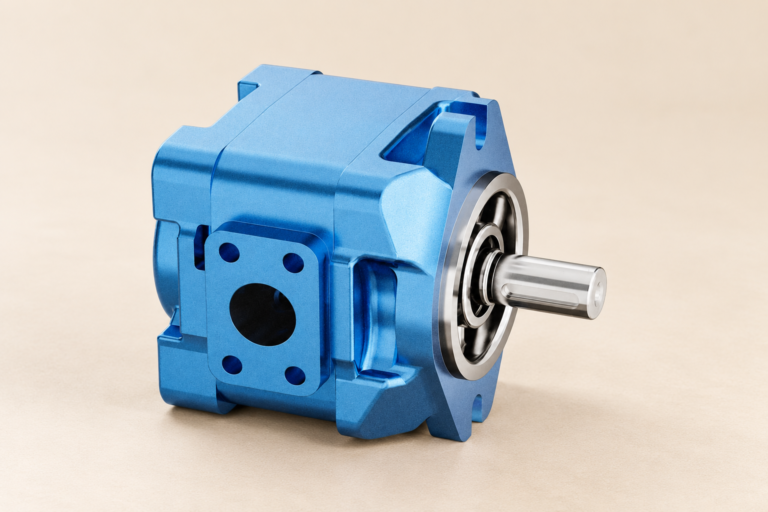
Gear pumps are well-known due to their simple construction and low cost; they are typically used in lower-pressure environments. This includes agricultural and industrial applications.
Piston Pumps provide higher durability and efficiency and can be applied in areas where heavy-duty application would occur, such as construction or aerospace.
Vane pumps are often utilized in mid-range pressure applications, particularly in mobile equipment and industrial machines.
Screw pumps are great pumps for transporting fluids that have high viscosities. They are commonly used in both the oil and marine industries.
Which Type of Hydraulic Pump Is Best?
Choosing the best type of hydraulic pump is dependent on what type of hydraulic pump you need for your specific use or application. Piston hydraulic pumps are the most effective at producing high-pressure applications due to their overall efficiency and long-lasting durability. Gear type hydraulic pumps have a better application for working with more basic hydraulic systems that require a consistent and steady fluid supply. Vane pumps have a good balance between price and operational efficiency for medium-pressure applications.

How to Work a Hydraulic Pump
To successfully operate a hydraulic pump, it is important to make sure that all other components of the hydraulic system are working properly.
1. Start the motor or engine that drives the pump.
2. Monitor the hydraulic fluid levels and check for leaks before operation.
3. Engage the control systems to direct pressurized fluid where it’s needed.
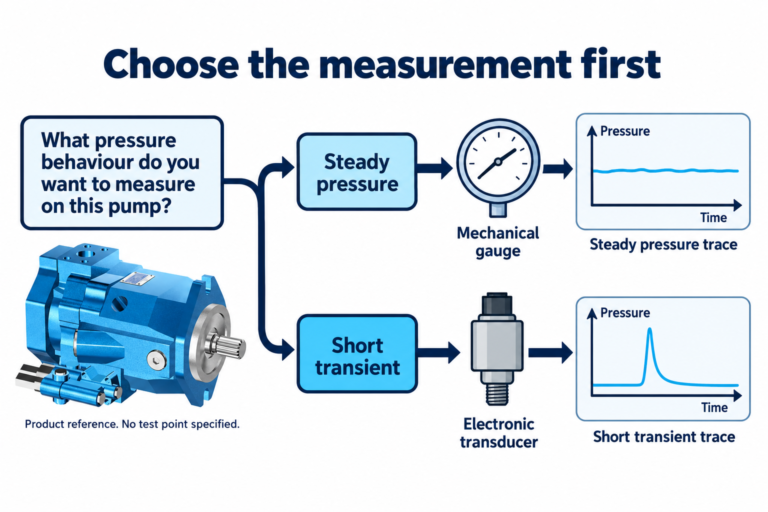
4. To ensure long-term reliability you should complete regular servicing, check pressure readings on your gauges and replace hydraulic oil regularly.
The Importance of Hydraulic Pump Efficiency
Operating efficiency through the use of hydraulic pumps will have a strong effect upon operational efficiency and energy consumptions. Selecting the correct type of hydraulic pump for the application, using sound engineering principles in the design of the system and performing the necessary regular maintenance will improve the overall efficiency and cost effectiveness of a hydraulic pump. Today’s modern hydraulic systems often integrate hydraulic pump motors with embedded intelligent technologies to help improve overall operating efficiency and savings on energy use.
FAQ
What kind of hydraulic pump should I use?
The appropriate type will differ from one application to another. Gear Pumps can provide enough pressure in Low Pressure Systems; however, when a system requires Heavy-Duty Equipment (such as hydraulic cylinders), Piston Pump is the most advantageous option; whereas Vane Pumps will work best in situations which require Medium Pressure.
The way in which to operate a hydraulic pump includes: starting the electric motor, checking fluid levels/condition and overall system performance, and using pressure through control means to perform different types of mechanical work.
Conclusion
Hydraulic pumps are essential to many industries today. They perform vital tasks for construction, manufacturing, aerospace and more. By gaining an understanding of hydraulic pump functions, types, and applications, users of hydraulic pumps can choose the best hydraulic pump for their application. Regular maintenance of hydraulic pumps and efficient operation of hydraulic pumps can extend the life and reliability of hydraulic pump systems and make them an excellent investment for businesses all over the world.