Wenzhou Prance Hydraulic Equipment Co., Ltd.
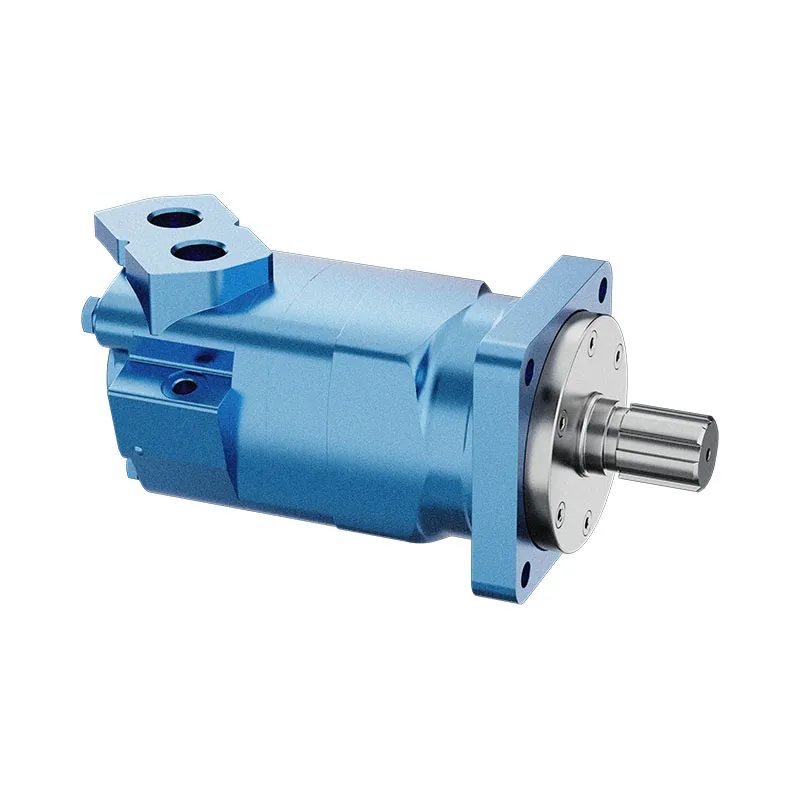
Hydraulic Mixer Motor Selection: Viscosity Changes and Loaded Starts
Select a hydraulic mixer motor using loaded-start torque, batch viscosity changes, speed control, shaft support and thermal duty.
Wenzhou Prance Hydraulic Equipment Co., Ltd.


Select a hydraulic mixer motor using loaded-start torque, batch viscosity changes, speed control, shaft support and thermal duty.

Read hydraulic pump efficiency maps at the actual pressure, speed, displacement and oil condition, then compare input energy over the duty cycle.
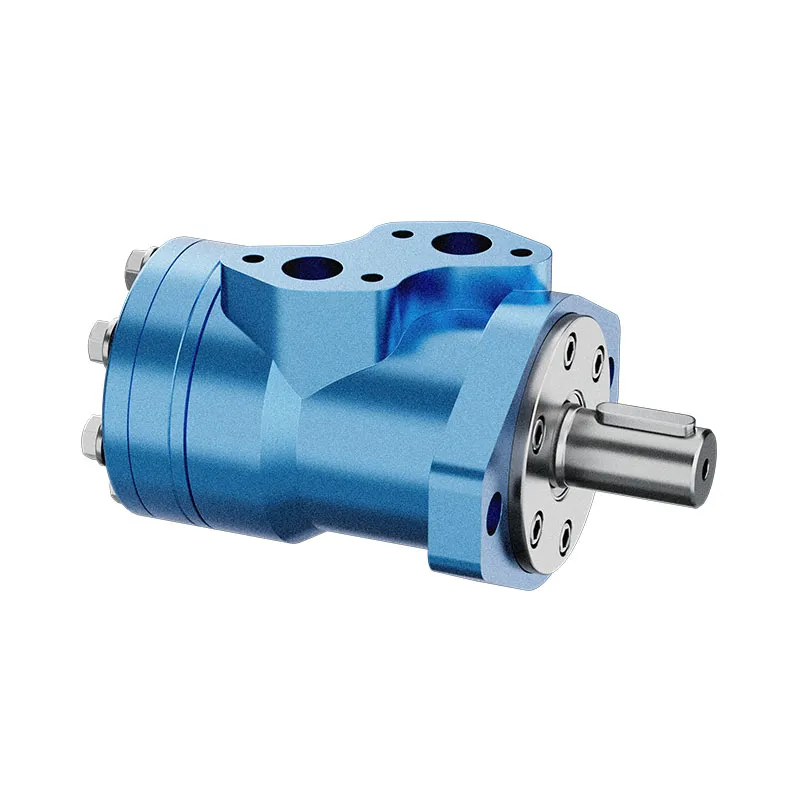
Size hydraulic motor torque-arm reaction forces, preserve mounting freedom, and separate flange support from shaft-mounted drives.
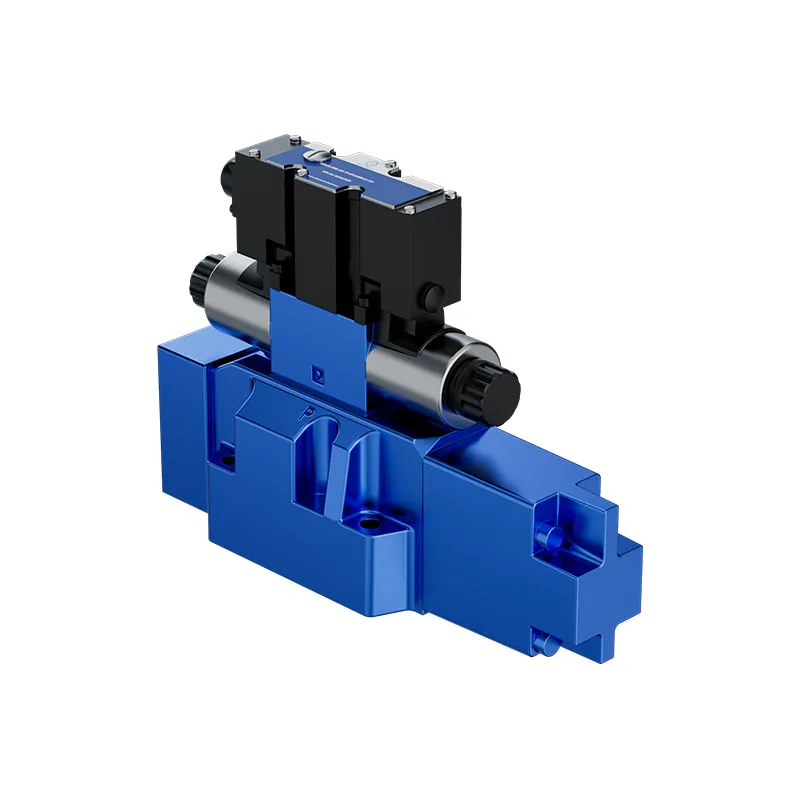
Investigate hydraulic valve cavitation noise at the metering edge. Distinguish local pressure recovery, aeration, throttling loss, and circuit interactions.
Diagnose pump startup pressure spikes by matching valve position, unloading state, drive acceleration, and control timing before changing settings.
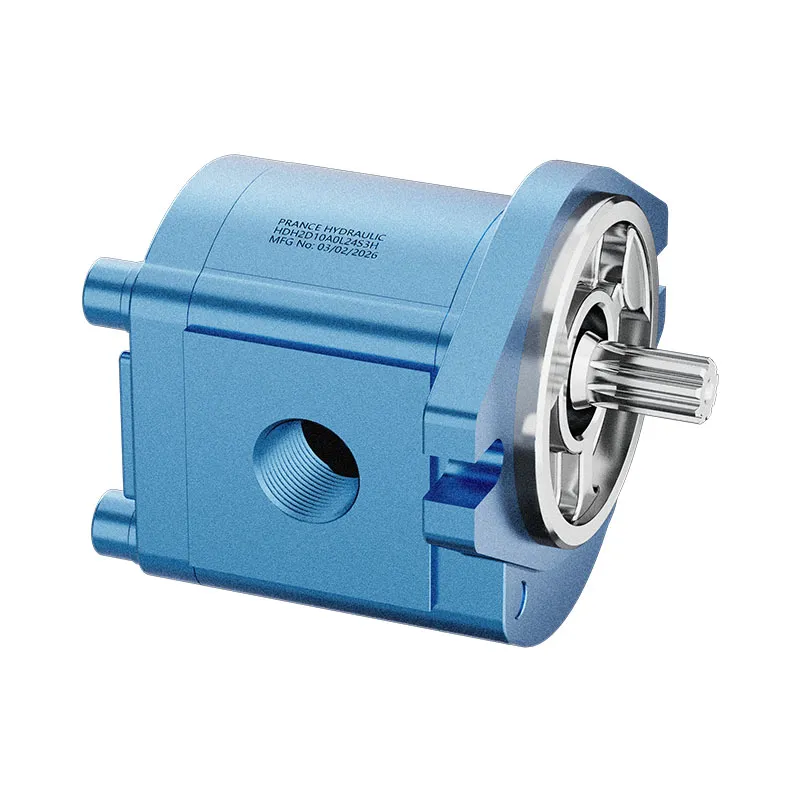
Review tandem pump steering priority at low speed and simultaneous load. Separate dedicated supply, priority control, pressure availability, and acceptance testing.
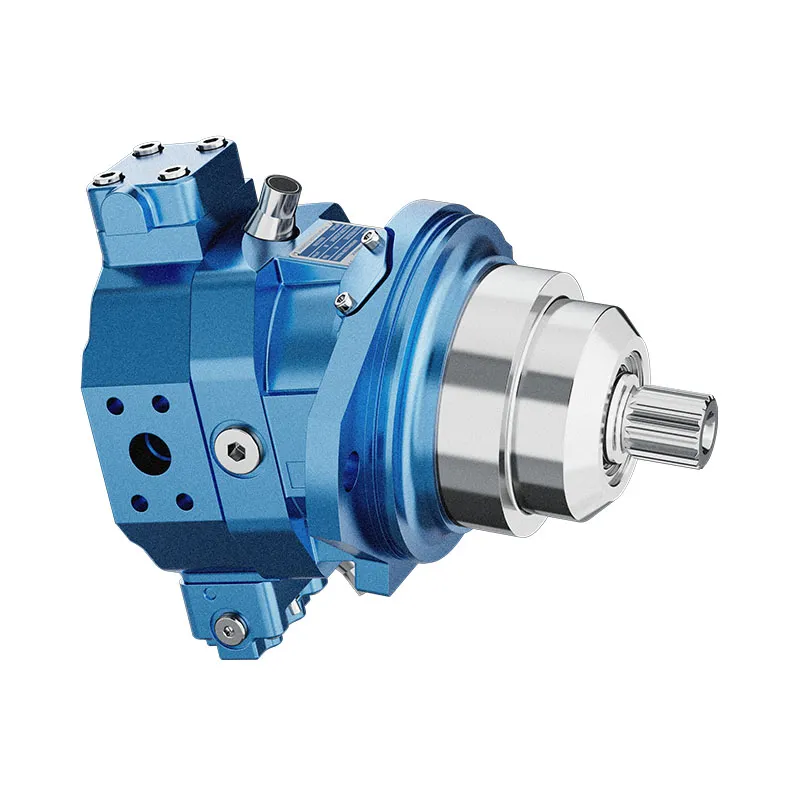
Review hydraulic motor gearbox spline lubrication, fretting evidence, wet versus grease-lubricated interfaces, alignment, and replacement acceptance.
Understand trapped oil in external gear pumps, relief-groove timing, compression and expansion, and why relief grooves are different from system relief valves.
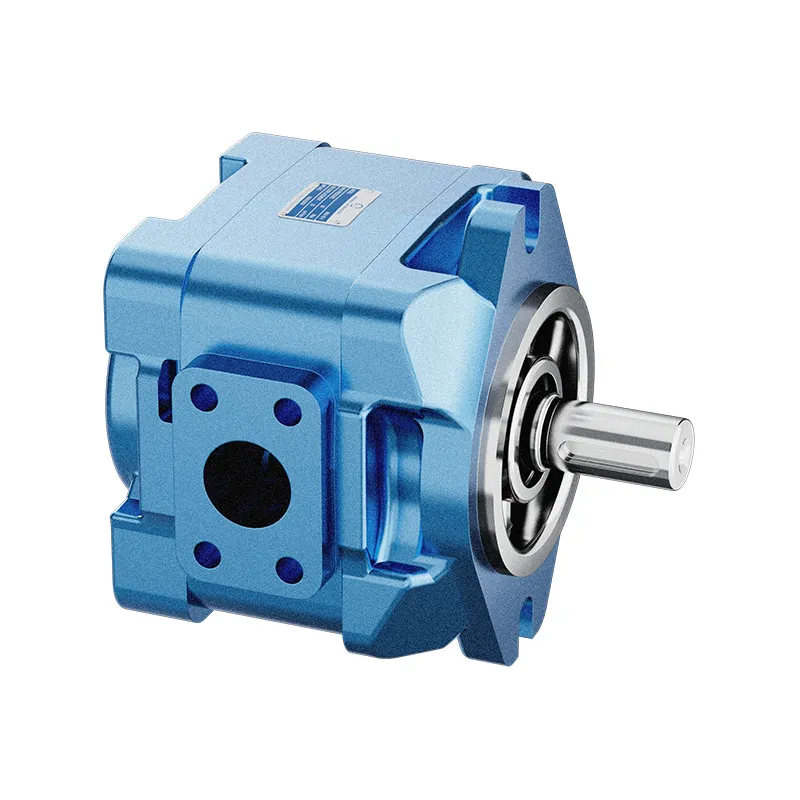
Diagnose hydraulic pump shaft-seal air ingress without assuming a dry exterior proves tightness. Separate inlet restriction, seal routing, and aeration evidence.

Review hydraulic valve behavior after power loss: spring return, detent, stored energy, load motion and controlled restart.
Size a hydraulic roller drive from line speed, roll radius, tension, torque and flow, including changing roll diameter and loaded starts.
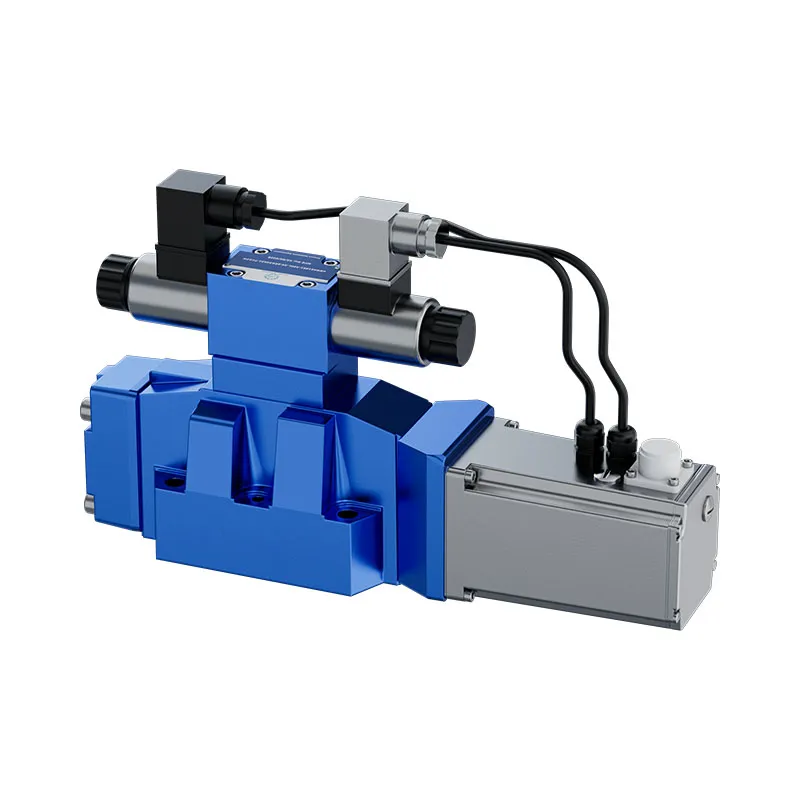
Calculate local hydraulic pressure intensification from cylinder area ratios and review trapped volumes, relief paths and component pressure limits.