Wenzhou Prance Hydraulic Equipment Co., Ltd

Hydraulic Pump Seal Kit Identification: Model Code, Material, and Contents
Identify a hydraulic pump seal kit from the complete pump configuration, its serial or revision information where relevant, the required seal materials, and a verified list of kit contents. A family name, photograph, seal color, or approximate ring diameter is not enough to confirm fit. Before ordering, determine what is being serviced and why: replacing seals cannot correct a damaged shaft, excessive case pressure, a faulty mating surface, or another cause outside the seal kit’s scope.
This guide focuses on purchasing the correct service kit. It does not provide an exploded drawing for an unidentified pump, authorize disassembly, or suggest that any pictured pouch represents a Prance-approved kit for the illustrated catalog unit.
Capture the whole identity rather than a shortened series name
Photograph the nameplate clearly and transcribe the complete code, including characters after the basic series and displacement. Include the serial or manufacturing reference if present. Record any control option, shaft or mounting configuration, seal designation, and other relevant suffixes. A shortened purchasing description can hide differences that matter to a service parts list.
Keep the original spelling and punctuation alongside any explanation. If a character is unreadable, flag it rather than guessing from a similar pump on the internet. Include photographs of the complete assembly and relevant visible interfaces to help resolve identification, but recognize their limits. Exterior similarity can support a question; it cannot establish every internal service revision or confirm that two kits contain the same parts.
Define the service boundary before requesting a kit
The phrase seal kit can describe different scopes. One supplier may mean external static seals, another may include a shaft seal, and a third may offer seals for a control assembly. Some service parts may be supplied separately. Ask which assembly and interfaces the quoted kit covers instead of assuming that a bag described as complete contains every sealing item in the pump.
State the intended job without turning a symptom into an unverified diagnosis. For example, identify the observed leak location and operating conditions, but do not assert that a seal alone is responsible until the relevant assessment has been made. A clear boundary allows the supplier to explain whether the requested service requires another kit, additional parts, or a different approved repair procedure.
Match the service revision and installed configuration
A pump may have changed during production or previous service. The current parts list should be matched to the applicable identity and revision, not merely to the first catalog page found for the series. If the unit was rebuilt or its control assembly changed, include those records when requesting parts.
Ask the supplier to state the basis for the match and identify any serial or revision restriction. If a superseded kit number is proposed, obtain confirmation of what it replaces and under which conditions. Do not treat a numerical resemblance between two part numbers as evidence of interchangeability. A documented replacement reference is stronger than a marketplace listing that groups several model families under the same search title.
Treat seal material as an engineering requirement
The correct material depends on the approved fluid, temperature conditions, component design, and service requirements. Record the actual fluid identification and any operating or storage exposure relevant to the seals. Generic terms such as hydraulic oil or high temperature do not always give a supplier enough information to confirm compatibility.
Do not identify elastomer material by color alone. Different compounds can share a color, and a material family name does not describe every compound’s behavior. If the original pump has a specified material option, retain that information and ask whether the proposed kit matches it. A claimed material upgrade is not automatically compatible with every fluid, groove, assembly method, or operating condition.
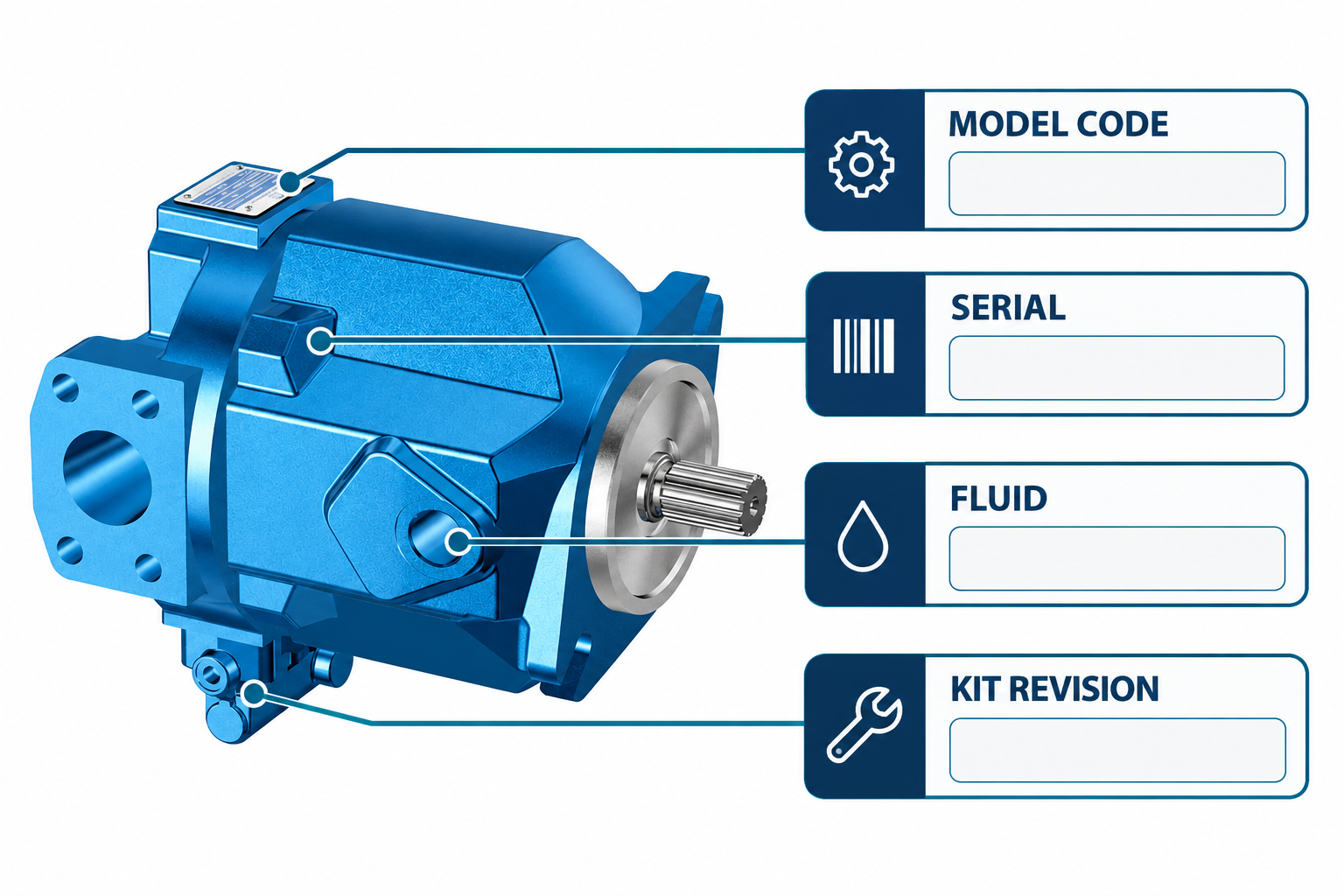
Require a contents list that can be checked on receipt
Ask for the kit reference, revision, intended assembly, individual item descriptions or approved parts-list positions, quantities, and any exclusions. The level of detail may depend on how the manufacturer supplies service parts, but the purchaser still needs a way to verify that the delivered kit matches the ordered scope.
A picture of an assortment is weak evidence because packaging and presentation may vary, and visually similar rings can have different dimensions or materials. Do not rely on the number of rings visible in a photograph as a complete parts list. If installation-specific items or one-time-use parts are required separately, identify them before the machine is opened and the repair becomes dependent on a missing component.
Use a structured identification request
| Information to provide | Porque é que isso importa | What the response should confirm |
|---|---|---|
| Full pump code and identity photographs | Establishes the exact supplied configuration | Applicable kit reference and any identification uncertainty |
| Serial, revision, and repair history | Helps distinguish service changes | Relevant parts-list version or documented substitution |
| Intended service boundary | Prevents different meanings of complete kit | Included assemblies, exclusions, and separate items |
| Fluid and operating context | Supports the material review | Correct specified seal option and compatibility basis |
| Observed leak and diagnosis record | Separates parts ordering from cause assessment | Whether additional inspection or parts are required |
| Required documentation | Makes receiving and installation reviewable | Contents, traceability, and approved service instructions |
This table supports a parts enquiry. It is not a dimensional specification or permission to substitute a kit where the supplier has not confirmed suitability.
Use measurements as supporting evidence, not the whole specification
Measurements can help investigate an unidentified seal, but used elastomers may have changed through deformation, swelling, damage, or service exposure. A measured part is not necessarily a faithful representation of its original specified size. The mating groove, seal profile, material, tolerances, and application can matter as well.
Where measurement is appropriate, use the approved inspection method and preserve the original parts and records for competent review. Do not cut or stretch a seal simply to make a marketplace dimension appear to fit. For precision or safety-relevant applications, an unidentified old seal and a caliper reading are not a sufficient purchasing specification. Seek a documented parts match or an engineering assessment of the complete sealing arrangement.
Check whether the cause lies outside the kit
A new shaft seal can leak again if the shaft surface, bearing condition, housing pressure, alignment, or installation method remains unsuitable. A renewed static seal can fail if the mating face is damaged or the connection applies an unintended load. The service plan should therefore connect the chosen kit with the diagnosis and any required corrective work.
Keep the component limits separate from general troubleshooting observations. This guide does not prescribe a universal case-pressure limit, wear diameter, or surface acceptance criterion. Those values must come from the relevant pump documentation and inspection procedure. If the proposed repair requires more than seals, record that wider scope rather than purchasing a kit as a substitute for investigating the actual condition.
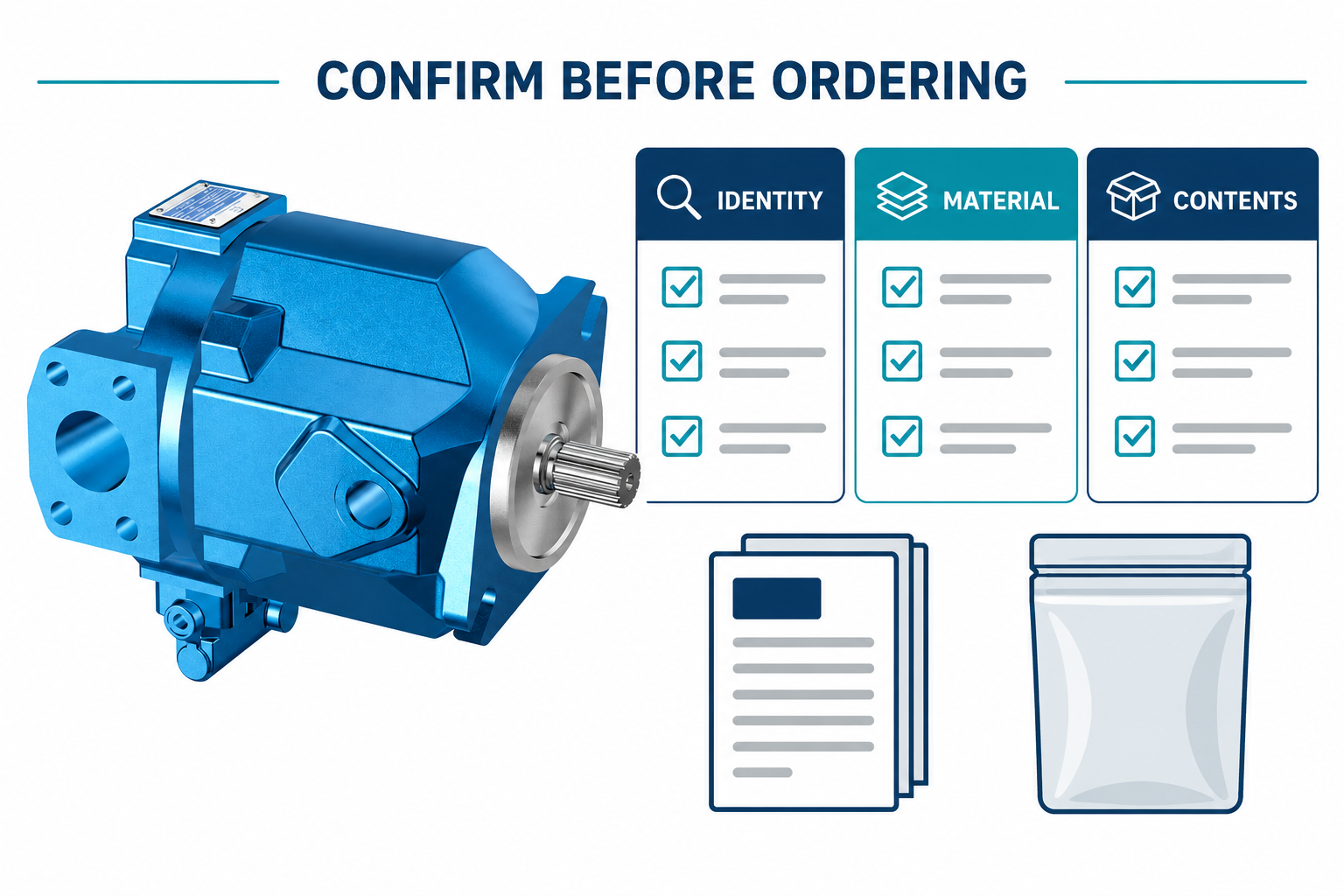
Inspect packaging and traceability when the kit arrives
Compare the delivered reference, revision, material designation where supplied, quantities, and packaging identification with the confirmed order. Check for damage, contamination, mixed loose parts, or information that does not correspond to the quotation. Hold discrepancies before installation instead of attempting to reconcile them after the pump has been opened.
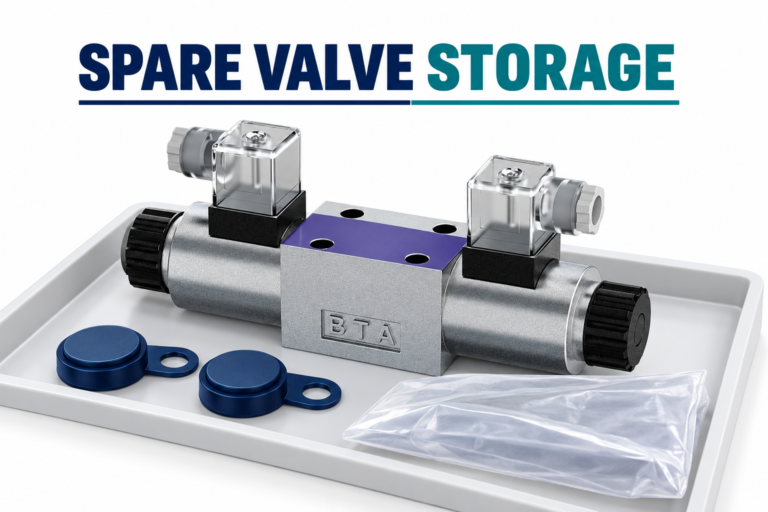
Store the kit under its specified conditions and preserve its identification until the job is closed. ISO 2230:2026 provides context for controlled storage and recording of rubber products and components, but its published scope does not establish the suitability of an unidentified seal assortment. Do not assign an invented expiry date or reset material history by transferring parts into a new bag.
Plan installation and verification as separate requirements
Use the applicable service instructions, competent personnel, clean working conditions, and the required tooling. Isolate the machine and address stored energy before removing the pump or opening hydraulic connections. Seals should not be installed through an improvised method that damages their edges or introduces contamination.
After service, complete the specified preparation and controlled restart. Verify the repaired interfaces and the operating conditions relevant to the original leak, and record any wider functional tests required by the work performed. A kit that matches the order is only one part of a successful repair. Retain the kit identity, approved service scope, replaced-parts findings, and test evidence with the pump record so the next maintenance decision starts with reliable information.
Perguntas frequentes
Can I order a seal kit from the basic pump series alone?
It may be a useful starting point, but it is not always sufficient. Provide the complete code and traceability information, then obtain a documented match to the relevant service parts list and the intended repair scope.
Does the same seal color mean the same material?
No. Color is not a dependable compound specification. Confirm the required material through the pump configuration, parts documentation, and supplier confirmation. Do not substitute on appearance alone.
Does a complete kit include every seal in the pump?
Not necessarily. Complete refers to a defined service boundary that may differ between suppliers or assemblies. Request the contents and exclusions so that shaft, control, auxiliary, and external-interface requirements are not assumed incorrectly.
Can an old seal’s dimensions identify the correct replacement?
They can provide supporting evidence, but wear and fluid exposure may change the old part. Profile, material, mating geometry, and approved dimensions still matter. An uncertain measurement should lead to further identification rather than an unsupported fit claim.
What should be retained after the repair?
Keep the confirmed kit reference and revision, pump identity, material information, approved scope, installation record, cause assessment, and final checks. Preserve any discrepancy or substitution approval so future parts orders match the assembly that actually exists.
Produtos e recursos de engenharia relacionados
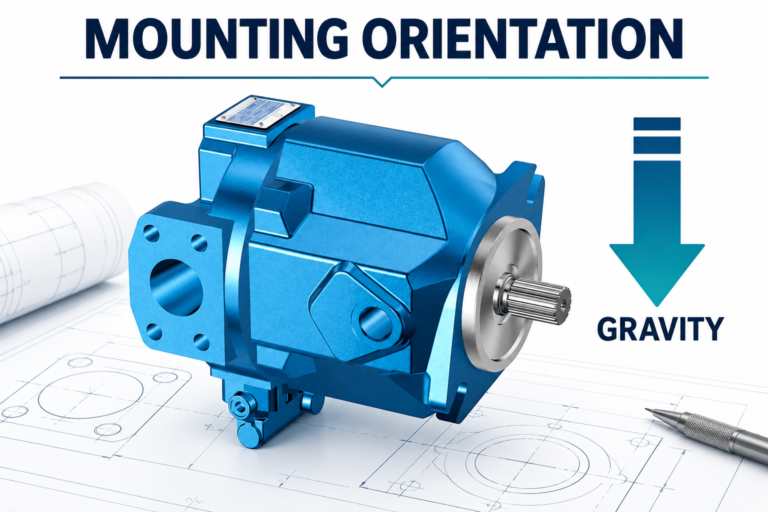
The Variable Displacement Pump OEM A10VO 31 Series catalog exterior is used as the real product reference in these explanatory images. It does not establish the approved service method, optional construction, or operating limits for an individual order. Confirm the complete code and its documentation. Related resources: Bomba de Deslocamento Variável OEM Série A10VO 31, gama de bombas hidráulicas, Que evidências devem orientar a análise do vedante do veio de uma bomba hidráulica?, O que deve um registo de código de modelo de bomba preservar?, Lista de Verificação para Substituição de Bombas Hidráulicas: 15 Especificações a Cruzar.
Sources and limits of this guide
The university resource supports the component operating principles. NIOSH supplies hazardous-energy prevention context; exact machine isolation and component service requirements still need their approved procedures. ISO references identify the stated standard scope. This guide does not reproduce paid clauses or turn their abstract into model-specific limits.
- NPTEL: Fundamentos de Hidráulica e Pneumática Industrial
- NIOSH: prevenção de lesões causadas por energia perigosa
- DIN Media official standards entry: ISO 2230:2026, Rubber products, guidelines for storage (scope; not an assembled-component expiry)
University lesson: operating principles
NPTEL IIT Guwahati presents Lec 31: Flow control and pressure relief valves. The lesson supports the pump operating principles used in the engineering discussion; it is not a model-specific repair, storage, or installation approval.