Wenzhou Prance Hydraulic Equipment Co., Ltd

Hydraulic Vane Pump Types Explained for Practical Classification
A hydraulic vane pump types question is easiest to answer by separating two engineering characteristics: fixed or variable displacement describes whether the volume delivered per cycle is set or adjustable, while balanced or unbalanced describes the pumping arrangement. The sections below make those labels usable, show how the rotor and vanes create flow, and end with the model details worth checking before a pump is specified.
How Hydraulic Vane Pump Types Are Classified
Fixed or variable displacement and balanced or unbalanced describe different engineering characteristics. Their relationship depends on the particular pump design, so a selected model’s documentation is the place to confirm the complete construction and configuration.
Displacement is the volume a pump delivers per cycle. In plain language, it tells you whether that per-cycle volume is set or can be adjusted. A construction label such as balanced or unbalanced is about how the pumping chambers are arranged, not a competing answer to the displacement question.
| Classification axis | Labels you may see | What the label tells you | What it does not settle |
|---|---|---|---|
| Displacement control | Fixed displacement; variable displacement | Whether the volume delivered per cycle is set or adjustable | The selected model’s flow, pressure, mounting, or shaft interface |
| Pumping arrangement | Balanced; unbalanced | How pumping chambers are arranged | The complete construction of a particular model |
The useful next question is which configuration the selected manufacturer documents, rather than trying to force every label into one flat list. A type name is useful for classification, but it is not a substitute for the construction details of a specific pump.
How a Hydraulic Vane Pump Creates Flow
A hydraulic vane pump creates flow as vanes carried by a rotor form chambers that grow on the inlet side and shrink on the outlet side. Put simply, the rotating parts create pockets that fill with fluid and then press that fluid toward the outlet.
The rotor turns inside an eccentric housing. Its path relative to the cam ring / outer ring changes the space between adjacent vanes.
Growing chamber volume admits fluid; decreasing chamber volume carries it onward toward delivery. E4Training’s technical vane-pump lesson illustrates this mechanism and the relationship between changing chamber geometry and pump flow.
That shared mechanism is why the type labels need careful reading. A fixed-displacement vane pump and a variable-displacement vane pump both use rotor-and-vane chambers, yet their displacement-control arrangements differ. Balanced and unbalanced descriptions add another layer by describing the pumping layout around the rotor.
Fixed-Displacement Vane Pumps
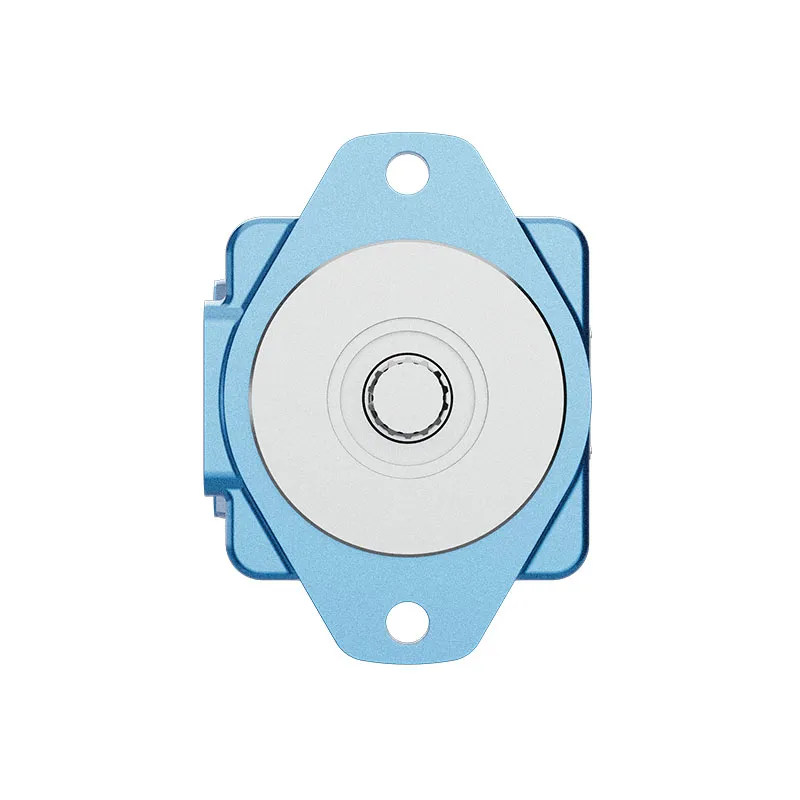
A fixed-displacement vane pump has a set displacement configuration, so it works from a preset chamber-size relationship rather than changing that setting during operation. It describes the volume delivered per cycle, not one fixed flow rate for every operating condition.
In a practical buying conversation, this label helps narrow the catalogue branch. It does not tell the engineering team whether the specific unit has the required drive, ports, mounting face, rotation, or operating range. Those answers belong in the selected model documentation.
For basic classification, use fixed displacement when the immediate task is to identify the catalogue branch. In the E4Training teaching model, fixed designs tend to use a balanced arrangement with two pumping chambers; that tendency does not determine the construction of every individual model.
Variable-Displacement Vane Pumps
A variable-displacement vane pump is arranged so that its displacement can be altered through its control or outer-ring arrangement. In plain language, a variable displacement vane pump can change how much fluid it moves per cycle instead of always operating from one preset displacement setting.
That description is deliberately narrower than a performance claim. The details of the control arrangement, available settings, response, and operating conditions belong to the documentation for the actual product being considered. A variable-displacement label is a starting point for finding the right kind of data, not the data itself.
When comparing descriptions, keep the two questions separate: variable displacement asks whether the volume delivered per cycle can change, while balanced or unbalanced asks how the pumping action is arranged. The relationship between those descriptions must come from the selected pump’s documented design.
Balanced and Unbalanced Vane-Pump Arrangements
Balanced and unbalanced vane-pump arrangements describe the pumping layout. They are construction terms, while fixed and variable displacement describe how the pump’s per-cycle volume is set or adjusted.
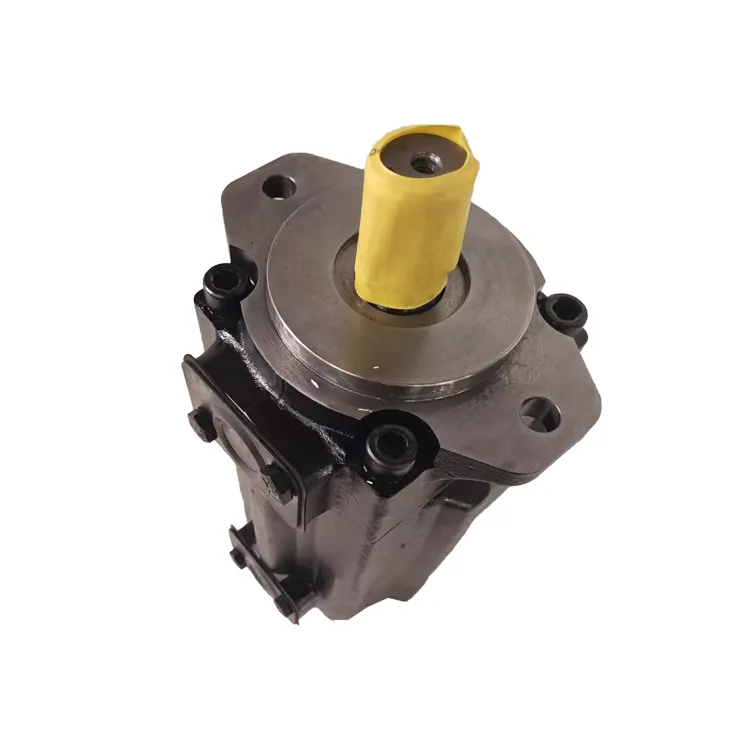
In the E4Training teaching model, a balanced fixed-displacement design uses two pumping chambers. An unbalanced description identifies a different pumping arrangement and should be read from the documentation for the selected product.
This is the point where a flat list of “vane pump types” becomes misleading. A reader can identify a fixed-displacement vane pump and still need the model documentation to understand its pumping arrangement and installation details.
What a Vane-Pump Type Label Does Not Decide
A vane-pump type label gives a useful classification, but it cannot replace a review of the selected model and the installation conditions. Once the type is clear, the next job is to match the available product documentation to the machine’s actual hydraulic and mechanical interfaces.
Use the model page or datasheet to check the details that can change the outcome:
- Required flow at the relevant operating speed and the pressure conditions for the duty
- Hydraulic fluid, temperature, inlet arrangement, and the system conditions around the pump
- Mounting, drive coupling, shaft interface, port orientation, and the required rotation direction
- The exact configuration code and the product documentation that applies to it
Tip: A type name classifies the pump; it does not replace confirming the selected model’s documented operating and installation details. Source: Prance’s hydraulic vane-pump applications guide.
| Check after classification | Why it still matters |
|---|---|
| Flow and operating speed | A type name does not state the duty point for a particular machine |
| Pressure and fluid | The selected configuration must be assessed against the hydraulic conditions |
| Inlet, ports, mounting, and shaft | Mechanical and hydraulic interfaces have to match the installation |
| Rotation direction | The installed pump must follow the documented port and drive arrangement |
For a fuller duty and application conversation, see Prance’s hydraulic vane pump applications guide. If the real question is whether a vane architecture or a piston architecture suits the circuit, the separate piston pump versus vane pump comparison addresses that broader pump-family decision.
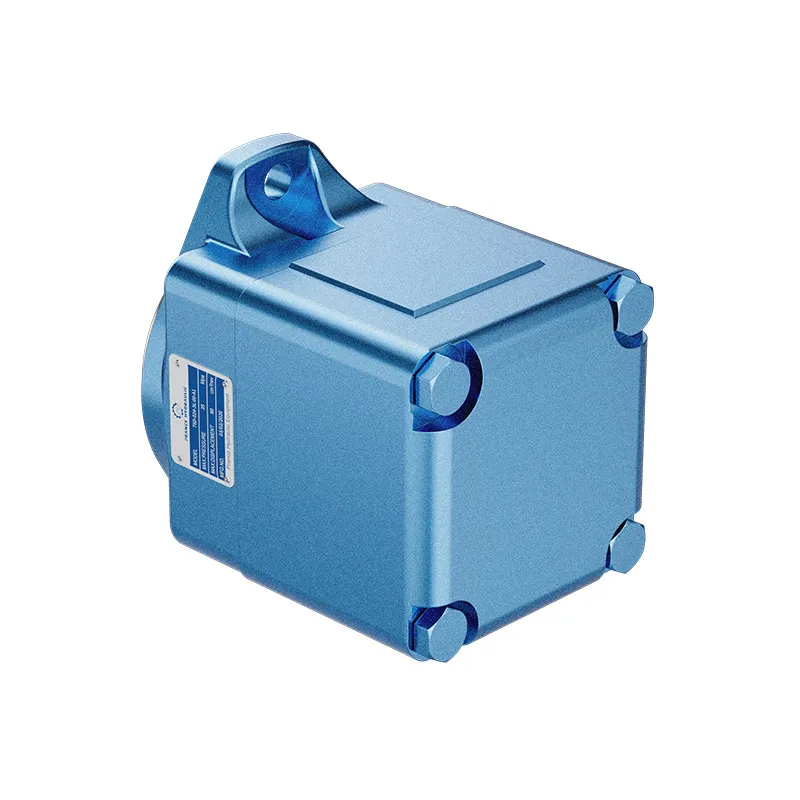
Fixed-Displacement Product Context: Prance T6
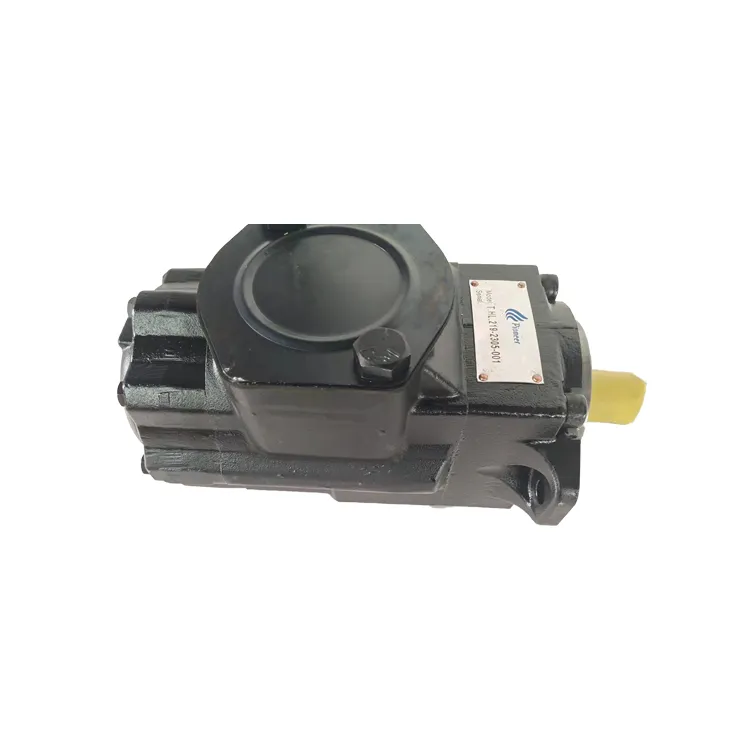
Prance lists the Fixed Displacement Vane Pump T6 as a fixed-displacement vane-pump route. That makes it a relevant product context after a reader has identified the fixed-displacement branch of the classification.
The T6 product route is most useful as a documented next step, not as a stand-in for every vane pump. Its technical data and enquiry inputs cover flow at operating speed, working pressure, fluid type, mounting and shaft interface, noise, temperature, and duty cycle for the selected configuration.
For inlet and rotation requirements, use the selected configuration’s documentation together with the installation guidance. Classification helps a reader interpret terms such as fixed displacement, variable displacement, balanced vane pump, and unbalanced vane pump; the final equipment decision depends on the particulars of the product and installation.
FAQ
What are the main types of hydraulic vane pumps?
The most useful way to group them is by engineering characteristic. Fixed and variable displacement describe whether the volume delivered per cycle is set or adjustable, while balanced and unbalanced describe the pumping arrangement. Read the actual model documentation for the complete configuration and the relationship between those descriptions.
Are balanced and unbalanced vane pumps the same as fixed and variable pumps?
No. Balanced and unbalanced describe how the pumping chambers are arranged, whereas fixed and variable describe displacement control. The way those descriptions relate depends on the design of the particular pump.
How does a hydraulic vane pump work?
A rotor carries vanes inside an eccentric housing or outer ring. The chamber volume between vanes increases to admit fluid and decreases to move fluid toward the outlet, creating the pumping action.
What is a fixed-displacement vane pump?
It is a vane pump with a set displacement configuration. The label says the volume delivered per cycle is preset; it does not by itself specify the suitable system duty, installation interfaces, or operating range.
What is a variable-displacement vane pump?
It is a vane pump whose displacement can be altered through its control or outer-ring arrangement. That lets the pump change the volume moved per cycle, while the exact control details remain model-specific.
What should I check after identifying a vane-pump type?
Check the selected model documentation for flow at operating speed, pressure, fluid, inlet conditions, mounting, shaft interface, ports, and rotation. These are the details that connect a category name to a real installation.
Does a vane-pump type alone determine whether it fits my system?
No. The label gives a classification and a starting point for the search, but fit depends on the documented model configuration and the conditions of the machine where it will operate.