Wenzhou Prance Hydraulic Equipment Co., Ltd

Hydraulic Diverter Valve: Switch Circuits Without Mixing Nearby Valve Jobs
A hydraulic diverter valve redirects supply flow between work circuits so one hydraulic source can serve more than one function—usually one at a time. Motion of the active circuit still comes from the upstream directional valve or remotes. The sections below separate that circuit-switching job from directional start/stop/direction control, walk through port and actuation checks, and list the facts worth gathering before a valve conversation.
What a hydraulic diverter valve is (and is not)
A diverter—often marketed as a hydraulic selector valve—switches supply from one inlet arrangement to one of two or more work circuits. In plain language, it chooses which downstream function receives oil from the shared source.
That job sits inside the broader directional-control family: valves that route fluid by shifting an internal element so different ports connect. A diverter is still a path switch, not a complete lesson on every spool-center option.
It is also not a hydraulic check valve used mainly for holding reverse flow, and not a relief valve used to limit pressure. Those check valve / relief valve neighbors answer different buyer questions and should stay outside this diverter framing.
When a distributor hears “add another function on the same pump,” diversion is one candidate architecture. Confirm that the request is circuit selection first, before treating the enquiry as a full directional spool package.
How diversion switches work paths
In a shared-control pattern, the diverter connects one set of work ports / circuits at a time while the unused path stays blocked. Upstream remotes or a directional control valve still reverse the active function once that path is selected.
Directional control valves route fluid by sliding a spool so grooves and channels meet different ports. The diverter uses that same family idea for circuit choice: change the internal path, then let the existing control handle extend, retract, or stop on the active circuit.
Picture a mobile remote example. One diverter position feeds one work-port pair; the other position feeds a second pair. Cab controls keep reversing the selected function; the inactive pair stays blocked until the diverter shifts again.
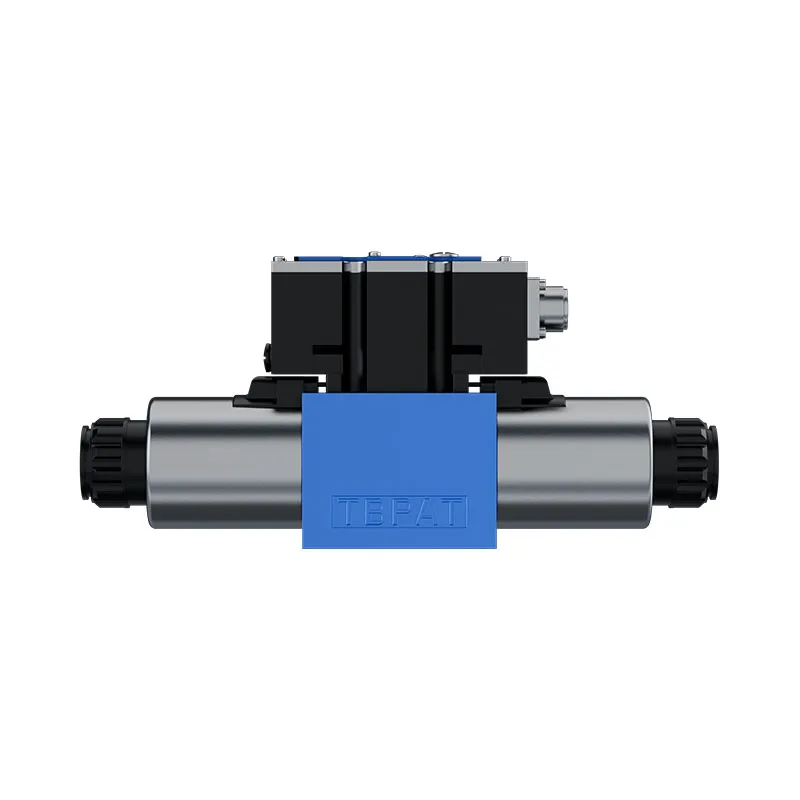
Electric, manual, or hydraulic-pilot switching can move the diverter between those positions. Treat that choice as a configuration question confirmed against model documentation, not as a kit install sequence.
Diverter vs directional control vs dedicated extra section
A diverter chooses which downstream circuit receives flow. A directional control valve controls actuator start, stop, and direction on the circuit that is already connected.
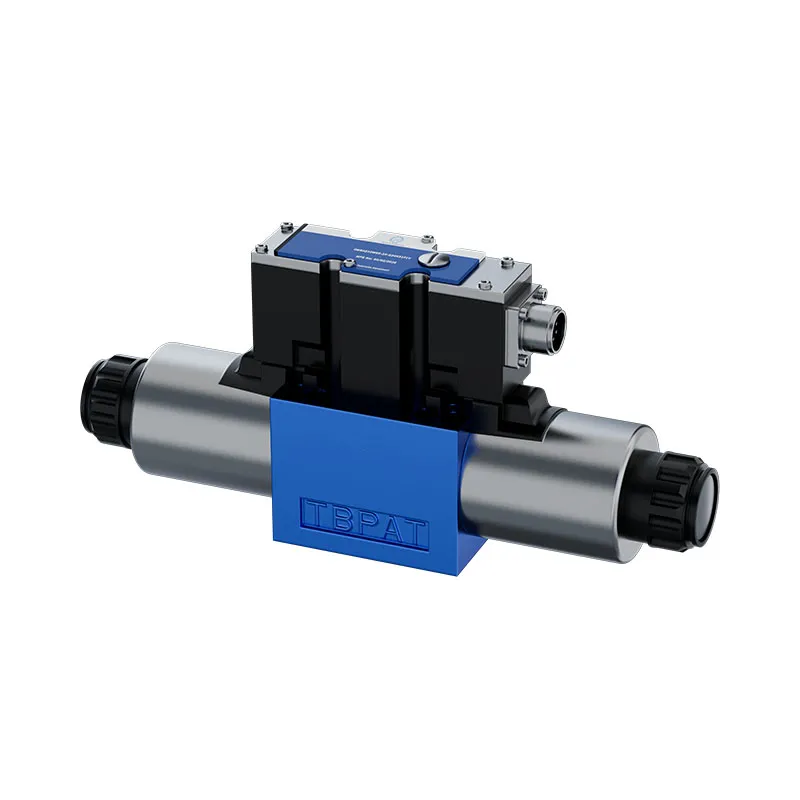
Prance’s Directional Valve 4WE route is the owned example of that start/stop/direction job: solenoid-operated directional spool valves that control start, stop, and direction of flow. It is adjacent to diversion, not a named diverter SKU.
A true third function / dedicated section is a different architecture. It adds a dedicated control path instead of sharing one valve for sequential functions, which matters when simultaneous use is required.
| Buyer job | What the hardware mainly does | Plain-language outcome |
|---|---|---|
| Diverter / selector circuit switching | Redirects supply between alternate work paths | One shared source serves more than one function, typically one at a time |
| Directional start/stop/direction | Routes flow to extend, retract, or stop an actuator | Motion control on the active circuit |
| Dedicated extra section / true third function | Adds a dedicated control path rather than sharing one valve | Architecture chosen when simultaneous use is part of the plan |
Keep those three rows separate when comparing catalog pages. Collapsing them into one generic valve discussion is how RFQs lose the real circuit question.
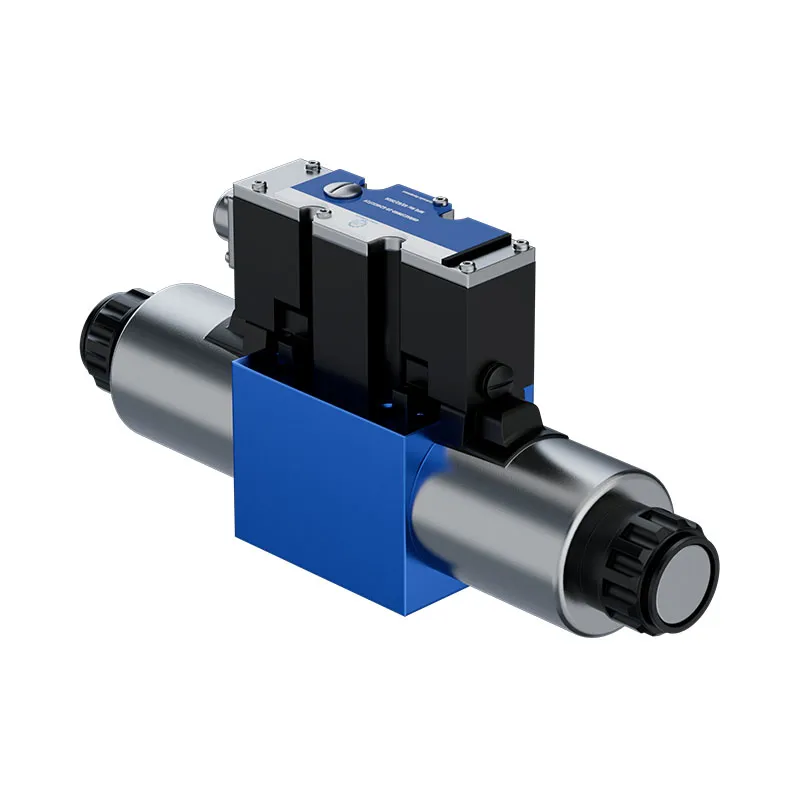
Port count, center condition, and actuation checks
Treat a 3 way diverter valve label, and any 3-way / 6-way port arrangement note, as configuration shorthand for path geometry. Those labels describe how many ports the body uses to switch paths; they are not performance ratings.
Diversion service is commonly described as one inlet changing over between two outlets. Some valves also offer open center / closed center options that change mid-position behavior when the element is not fully shifted to either work path.
Confirm open or closed center against the model documentation for the circuit you are matching. Do not treat center type as interchangeable with port-count labels.
Actuation is the third scan item: manual / solenoid / pilot actuation each shifts the path with a different operator or signal method. For a sibling comparison of hand versus coil drive on directional valves, see Manual vs Solenoid Hydraulic Valve.
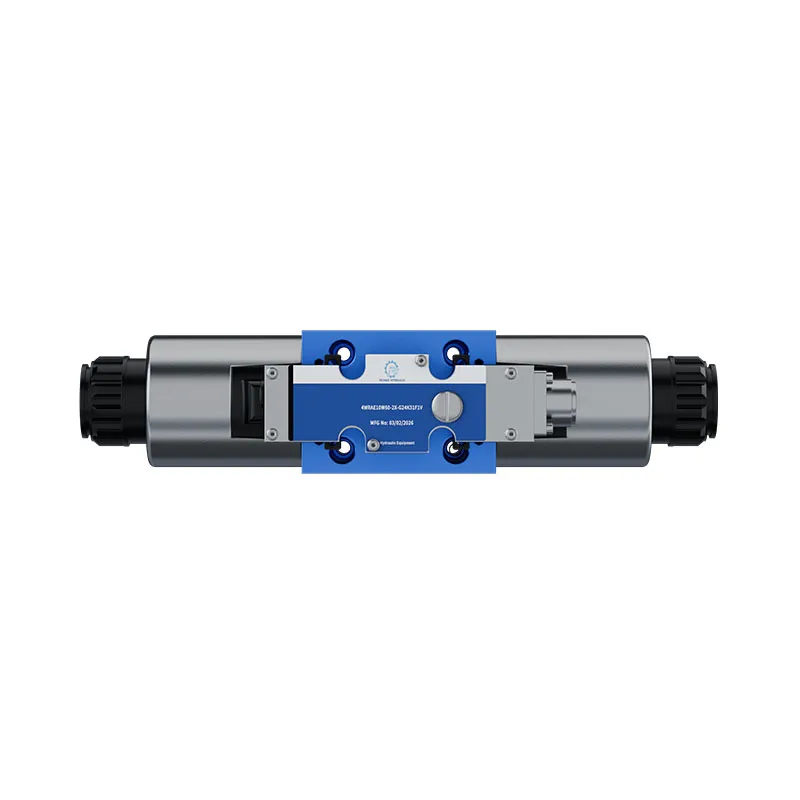
Record port arrangement, center condition, and actuation beside flow, pressure, mounting, and fluid cleanliness. Those checks prepare a supplier conversation without inventing a diverter model rating.
Simultaneous use, stacking, and hose-complexity trade-offs
Shared-control diverters often cannot run the original and diverted functions at the same time. That sequential limit is the main trade-off buyers weigh against a dedicated extra section.
From the field: In a TractorByNet discussion comparing diverter valves and true third function, users treat curl-or-grapple sequential operation as the central drawback: you get one function or the other, not both at once, unless the circuit uses a dedicated third-function path.
Stacking multiple path switches can expand how many functions share a source, yet buyers also ask whether the hose layout becomes hard to manage. Confirm the circuit plan—and the hose routes—before treating stacked diversion as a tidy multi-outlet block.
The practical buying question is architectural. If simultaneous use is required, diversion may be the wrong starting point; if sequential access is acceptable, diversion can still be the efficient shared-source choice.
Build the selection picture before a valve conversation
Gather circuit function, flow, pressure, control signal or electrical interface, mounting, ports, fluid, and filtration class before treating diversion as the right solution. Those inputs match what Prance asks buyers to start with on the Hydraulic Valves family route.
A system integrator can use the same list to keep OEM, distributor, and supplier notes aligned. Incomplete simultaneous-use needs, missing port data, or undefined electrical interfaces are reasons to pause rather than force a product name.
| Information to gather | Why it belongs in the conversation | Example clarification |
|---|---|---|
| Circuit function | Separates diversion from directional start/stop/direction or other valve jobs | Is the request circuit switching, motion control, or a dedicated extra section? |
| Flow and working pressure | Connects the valve discussion to circuit demand | What flow and pressure does the active circuit require? |
| Control signal / electrical interface | Matches actuation and command method | Manual, solenoid, or pilot—and which electrical interface if coils are used? |
| Mounting and ports | Defines the installation interface | Which mounting pattern and port sizes are present? |
| Fluid and filtration class | Describes the fluid environment | Which fluid and cleanliness class apply? |
Use the table as a shared checklist across the supply chain. It turns diversion vocabulary into a concrete handoff without asking a type label to replace model documentation.
Product context: hydraulic valves hub and the adjacent 4WE directional route
Prance publishes a hydraulic-valve product-family route covering directional and proportional options. The hydraulic valves hub asks buyers to start with circuit function, flow, pressure, control signal, mounting, and fluid-cleanliness requirements.
Use that Hydraulic Valves route after the diversion logic and checklist above are clear. It is the owned family entry point for valve RFQ inputs, not a named diverter SKU.
When the remaining job is actuator start, stop, and direction rather than circuit diversion, open the Directional Valve 4WE route. Directional Valve 4WE covers 4WE6 / 4WE10 solenoid-operated directional spool valves that control start, stop, and direction of flow, and lists RFQ inputs including flow, pressure, circuit/spool function, electrical interface, mounting, ports, fluid, and filtration class.
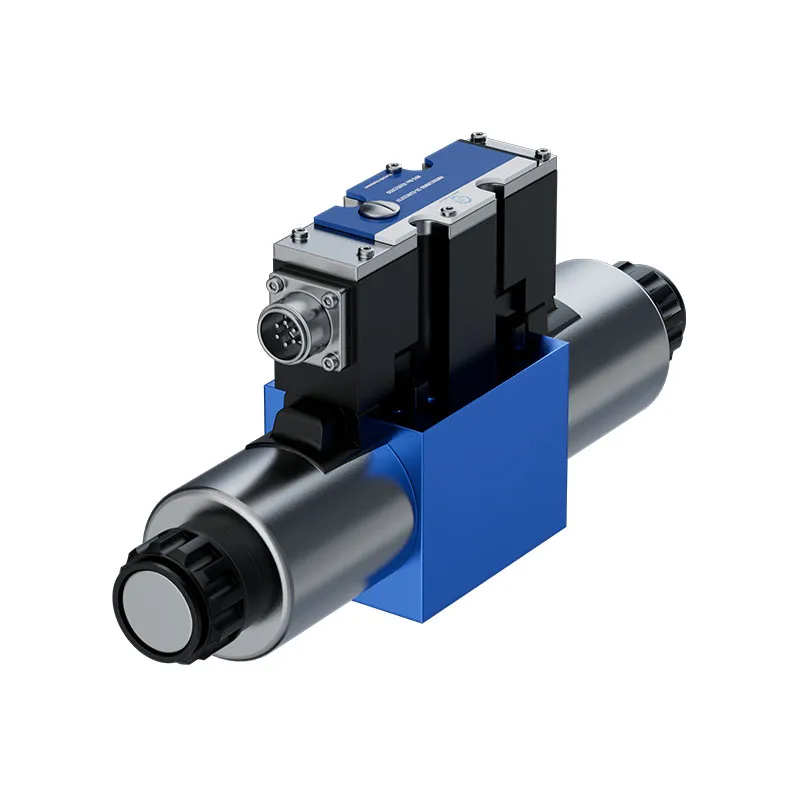
Review the Hydraulic Valves hub against the assembled checklist first. Open the 4WE route only when the decision has shifted to directional start/stop/direction control rather than circuit diversion.
FAQs
What is a hydraulic diverter valve?
A hydraulic diverter valve redirects supply flow between separate circuits or actuators so one source can serve more than one function. In typical shared-control use, only one of those paths is active at a time.
How does a hydraulic diverter valve work?
It changes the internal flow path—often with a spool or similar element—so supply connects to one work-port path while the unused path stays blocked. Operator input may be manual, solenoid, or pilot; upstream remotes or directional controls still reverse the active function.
Is a selector valve the same as a diverter valve?
In this circuit-switching job, diverter and selector are commonly treated as interchangeable market labels, with regional naming differences. This article keeps the diverter framing while recognizing hydraulic selector valve wording in buyer discussions.
How is a diverter different from a directional control valve?
A diverter chooses which downstream circuit receives flow. A directional control valve controls start, stop, and direction for the actuator on the connected circuit. Prance’s Directional Valve 4WE route is an owned example of that directional job.
Can I operate both functions at once with a diverter?
Shared-control diverter setups usually cannot run both functions simultaneously. Confirm the architecture: if simultaneous use is required, a dedicated extra section or true third-function path is a different solution.
What do 3-way and 6-way labels mean?
They are port-count and path-geometry labels for how the valve body switches circuits. They are configuration vocabulary, not flow or pressure ratings.
What information should I prepare before asking about valve options?
Prepare circuit function, flow, pressure, control signal or electrical interface, mounting, ports, fluid, and filtration class. Those fields match the inputs requested on Prance’s Hydraulic Valves family route and directional product pages.
Is a diverter a check valve or relief valve?
No. A diverter switches circuits; a check valve is mainly about holding reverse flow, and a relief valve limits pressure. Keep those jobs on their own articles when the buying question is holding or overpressure protection.