Wenzhou Prance Hydraulic Equipment Co., Ltd

What buyers should collect before comparing a hydraulic filter beta ratio
A hydraulic filter beta ratio should be read as part of a stated element and test record, not as a standalone instruction for pump inlet protection. Before comparing filter information, identify the element, the document that reports the result, the filter location, the pump documentation, and the operating context that is known or unknown.
Part 1. What does a hydraulic filter beta ratio describe?
Beta ratio is a result reported for a filtration test and an identified element. It is useful because it gives a buyer a way to ask better questions about the element record. It is not, by itself, a universal instruction to fit a particular filter before a particular pump.
A useful comparison keeps the report attached to its context. Note the element identifier, the source document and revision, the stated test basis, and any field that is absent. If a quotation names only a filter family or a short product label, record that limitation instead of assuming that it represents the same element record.
The point is not to turn a document into a pass-or-fail number. The point is to preserve the evidence needed for the selected component and circuit. Applicable technical documentation sets the conditions under which a component conclusion can be made.
Part 2. Which document fields make a beta ratio usable?
Start with the traceable fields around the reported value. A buyer who can separate an identified record from an incomplete one gives a supplier or project reviewer something concrete to compare.
| Buyer should provide | Why it matters | Send with quote |
|---|---|---|
| Filter housing and element identifiers | Distinguishes a specific assembly from a family name | Mark each identifier as confirmed or unknown |
| Available beta-ratio and element documents | Keeps the claimed result connected to a source | Include document revision when available |
| Filter location and circuit function | Shows whether the question concerns inlet, return, or another location | Describe the circuit role, not a guessed conclusion |
| Fluid identity, duty, and observation context | Places the inquiry in an operating record | State where and when any observation occurred |
| Pump documents and current arrangement | Identifies which component conditions must be checked | Attach the applicable record if available |
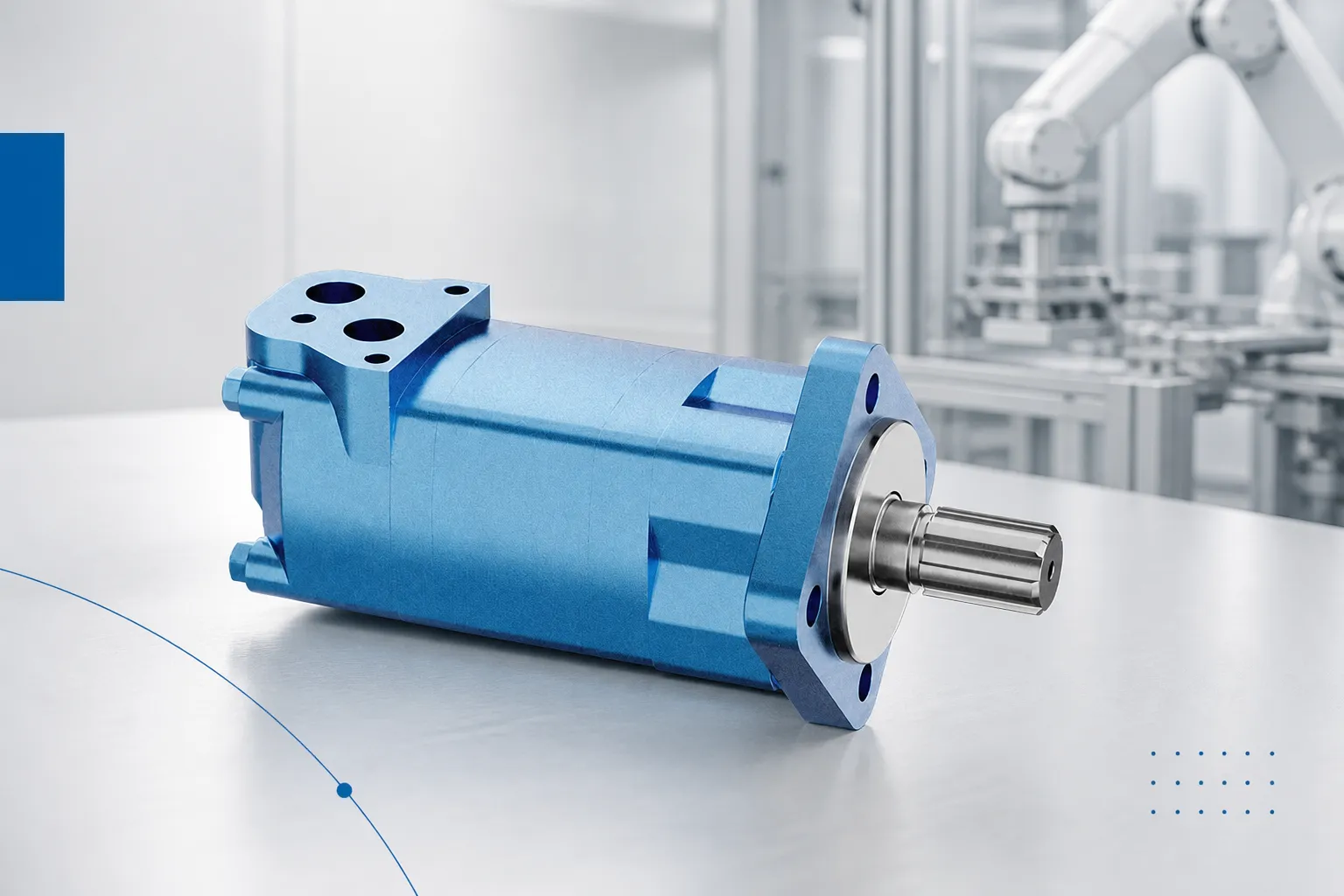
The hydraulic pump inlet conditions guide can help a team organize location and arrangement questions. It does not convert an incomplete element record into an approved filter choice.
Part 3. Why does pump inlet context change the question?
The words “pump inlet” do more than identify a line on a drawing. They connect a filter question to pump documentation, the circuit function, the current arrangement, and the actual duty. Without that context, two apparently similar records may be answering different questions.
Document where the filter sits, which pump or circuit function is being discussed, and whether the task is a new design, replacement, or investigation. Keep observations tied to a condition and measurement location. A note such as “poor flow” or “filter issue” is not enough to establish the cause or prescribe a change.
Important: Do not use a beta ratio or a micron label as permission to alter a pump inlet arrangement. Confirm the selected item’s documented conditions against the verified circuit and application record. The Danfoss Series 40 technical information illustrates why product conclusions remain bounded by applicable documentation.
For a broader evidence list, the hydraulic pump contamination control article is a useful adjacent route. It should not be read as a recommendation for a named element or a cleanliness outcome.
Part 4. Why is a micron label not a complete comparison?
A micron label can identify one characteristic, but it does not preserve the full element and test record. When only that label is available, say so plainly. Do not infer the missing beta-ratio document, the applicable test basis, the filter location, or the selected pump’s requirements.
This distinction matters in procurement because two quotations can use similar shorthand while referring to different documents or assemblies. Ask for the identifiable element record before claiming that the items are equivalent. If the label, element number, or document revision cannot be supplied, record the comparison as incomplete.
Fluid and duty information matter too. The hydraulic fluid viscosity selection article explains why a fluid label is also not a complete component decision. Both topics are evidence boundaries, not service instructions.
Part 5. When should a buyer avoid choosing by a single number?
Pause the selection conversation when the element cannot be identified, the reported value has no source document, the filter location is unclear, the pump record is absent, or the requested change relies only on a micron label. Pause as well when someone asks for a protection outcome without defining the circuit and application conditions.
An incomplete record is not a reason to invent a typical value. It is a reason to identify the missing document or observation. This protects the buyer from treating a broad product statement as a project conclusion.
The fit boundary is deliberate: this article organizes a filter-evidence question. It does not size a filter, choose an element, approve an inlet installation, predict pump life, or diagnose a restriction. The responsible project’s documentation and safety process control those decisions.
Part 6. How should filter evidence be sent with a pump inquiry?
Send the current filter and element identifiers, available beta-ratio documents, filter location, circuit function, fluid and duty context, pump documentation, observed condition with its location, and the exact question that needs confirmation. Include the required quantity, application context, and delivery requirements where they affect the inquiry.
For a family-level starting point, visit the hydraulic pump product family and the OEM / ODM hydraulic component route. Then use the contact page to submit the controlled record rather than asking for a filter choice from a single number or a photograph.

The product recommendation is intentionally limited to the product-family route. A named product or inlet-filter arrangement should not be recommended until its documentation and the project evidence are available.
FAQs
What does hydraulic filter beta ratio mean?
It is a result reported for a stated filtration test and an identified element. Review it with the source document and the application’s component and circuit context.
Is a higher beta ratio always the right choice?
No universal choice follows from the number alone. The element record, filter location, pump documentation, and verified application conditions still need review.
Can a micron rating select a pump inlet filter?
No. A micron label does not identify the complete test record, the selected pump’s conditions, the circuit location, or the installation arrangement.
What filter documents should be compared?
Compare the identified element and housing records, the source and revision of the reported test information, the stated filter location, and the applicable component documentation.
Does the filter location need to be identified?
Yes. State the location and circuit function because a filter question cannot be separated from the arrangement it is meant to describe.
What should be included in a hydraulic filter beta ratio RFQ?
Include element and housing identifiers, available test documents, filter location, circuit function, fluid and duty context, pump records, observations with conditions, quantity, application, and the question needing confirmation.
References
- Danfoss Series 40 technical information — pump conclusions remain within applicable documented conditions.
- Danfoss H1F motor technical information — component records are read in system context.
- Danfoss cartridge valves technical information — circuit and application context matters to component conclusions.
- Danfoss technical documentation — documentation establishes the boundary for product conclusions.