Wenzhou Prance Hydraulic Equipment Co., Ltd.

Reinigungsmittel für Hydraulikpumpen: Dichtungsverträglichkeit vor der Wartung überprüfen
Hydraulic pump service solvent compatibility must be checked against the actual seal compound, cleaning product and repair method before parts are washed. A cleaner that removes oil from metal is not automatically suitable for an assembled pump, retained seals, coatings or adhesives. Identify what will contact the cleaner and use the pump manufacturer’s approved process. If the material or chemistry is unknown, stop that cleaning step and obtain confirmation. Do not substitute a workshop solvent based only on its name, smell or previous use on a different machine.
Distinguish parts cleaning from system flushing
Cleaning a dismantled metal component is different from circulating a cleaning fluid through an operating hydraulic system. The first is a controlled service operation on exposed parts; the second exposes hoses, seals, valves and other components across a circuit. Approval for one does not establish approval for the other. An instruction to solvent-wash service parts is not permission to fill the pump or reservoir with solvent.
Define the job before choosing a product. State whether the pump remains assembled, whether elastomers will be removed, whether electrical components are present and how residues will be removed. Identify the condition being addressed: exterior dirt, deposits on a removable metal part or contamination distributed through the system. These require different decisions. If wear debris is present, cleaning alone does not establish that the source of damage has been corrected or that the pump is suitable for reuse.
Identify the materials that will be exposed
The complete seal kit reference is more useful than a visual description such as black rubber. Color and apparent hardness cannot reliably identify an elastomer compound. Confirm the material through approved parts information or the supplier. Include components that may be overlooked: carrier O-rings, bonded seals, shaft-seal lips, connector seals and any retained gasket or coating near the cleaning area.
Also identify the cleaner precisely. A broad term such as degreaser can cover products with different formulations. Obtain the current product information and safety data sheet for the actual container. Record the intended concentration, exposure temperature and contact time. A compatibility statement for a brief wipe at one concentration should not be extended to an overnight soak or a heated bath. If the supplier cannot confirm those conditions, the uncertainty remains even when the part appears unchanged immediately afterward.
Read the service instruction in context
The Danfoss H1T manual discusses a clean solvent wash and drying in its general servicing instructions. It also requires protecting exposed surfaces and cavities, keeping components free of foreign materials and chemicals, and replacing sealing parts during the relevant service work. These directions belong to a defined repair process. They do not name a universal solvent suitable for every hydraulic pump.
Use the actual pump’s manual to determine what may be cleaned, what must be replaced and what lubricant is required during assembly. Do not expand a general cleanliness statement into permission to soak a complete control module. Fine control parts, electrical components and retained seals may impose different restrictions. Where the instructions are incomplete, request an approved cleaning method from the equipment or component supplier. A missing chemical recommendation should remain a question, rather than becoming an invented service specification.
Evaluate compatibility and worker safety separately
Material compatibility and safe handling are different requirements. A product can be acceptable for a particular metal component yet present ignition, inhalation or skin-exposure hazards. Conversely, a cleaner described as safer for workers may still be unsuitable for a seal compound or leave residue unacceptable inside a pump. Review both the manufacturer’s service procedure and the chemical supplier’s handling instructions.
The H1T service manual warns about flammable cleaning solvents and ignition sources. Follow the specific safety data sheet, ventilation requirements and local handling arrangements for the product used. Do not infer that a cleaner is nonflammable because it is marketed as a workshop product. Isolate machinery before cleaning and prevent unintended operation. NIOSH guidance on hazardous energy addresses the separate risk of motion or stored pressure during service; it does not certify a cleaning chemical.
Choose the least disruptive approved method
Start with the required result and the approved options. Exterior cleaning before disassembly can prevent dirt from entering an open cavity, but direct spraying into a port or electrical connector can introduce a new problem. Protect openings and sensitive components according to the service instructions. Do not use the pressure of a spray as a substitute for controlled access to a contaminated part.
For removed parts, keep the clean and dirty work areas separate and use clean containers and tools. Reusing a dirty bath can transfer abrasive debris to a component that has just been cleaned. Replace disposable sealing components as directed and avoid exposing retained elastomers to an unverified cleaner. If an approved method requires seals to be removed first, complete that removal within the authorized repair scope. Do not improvise disassembly of a non-serviceable cartridge simply to make a cleaning method possible.
Use a decision table before exposing parts
| Situation | Required decision | Reason to pause |
|---|---|---|
| Seal compound is unidentified | Obtain material or approved-kit information | Appearance cannot establish chemical compatibility |
| Cleaner formulation or dilution is unclear | Identify the actual product and use conditions | A generic solvent name does not define exposure |
| Complete control assembly is proposed for soaking | Confirm that the assembly may be cleaned that way | Hidden seals or electrical parts may remain exposed |
| Removed metal component has an approved wash method | Follow that method and residue-control process | Substitution may change material or cleanliness outcomes |
| System-wide contamination is present | Develop the machine’s supported decontamination plan | Bench cleaning one pump does not clean the whole circuit |
| Seal was accidentally exposed to an unverified chemical | Quarantine and obtain replacement or evaluation guidance | Immediate appearance does not establish continued suitability |
This table gives qualitative service decisions, not chemical resistance ratings. The H1T general servicing and solvent warnings provide a reference for process boundaries. No Prance seal compound, cleaner formulation or permissible exposure time is inferred from that manual.
Control residue and recontamination
A component is not ready for assembly merely because it looks free of oil. The selected method must address cleaner residue, moisture and foreign material. Follow the manufacturer’s drying and handling requirements. Do not substitute an unapproved compressed-air pressure or direct an air stream at people. Keep a cleaned component protected while other work continues around it.
Use the approved assembly lubricant and clean application tools. A cloth that sheds fibers or a container previously used for dirty fluid can reintroduce contamination. Keep openings covered as required without leaving loose material inside the component. Account for plugs and temporary covers before reassembly. These controls are practical ways to preserve the result of cleaning; they do not establish a cleanliness code unless an appropriate measurement has actually been performed under the relevant procedure.

Handle accidental exposure as a separate finding
If an unidentified cleaner contacts retained seals, record the product, approximate conditions and affected parts. Do not immediately operate the pump to see whether it leaks. Quarantine the affected assembly and obtain the supplier’s guidance on replacement or evaluation. Swelling, softening, cracking or distortion can justify rejection, but the absence of visible change does not prove that the compound remains suitable.
Avoid attempting to reverse exposure with another unverified chemical. A second wash can introduce additional incompatibility or make the original conditions harder to establish. Where the repair procedure already requires a new seal, use the approved replacement and clean the remaining components by the supported method. If exposure reaches a non-serviceable assembly, request a defined repair decision. Do not treat unknown internal condition as an acceptable reason to continue simply because the outside is dry.

Apply the discussion to the Prance pump enquiry
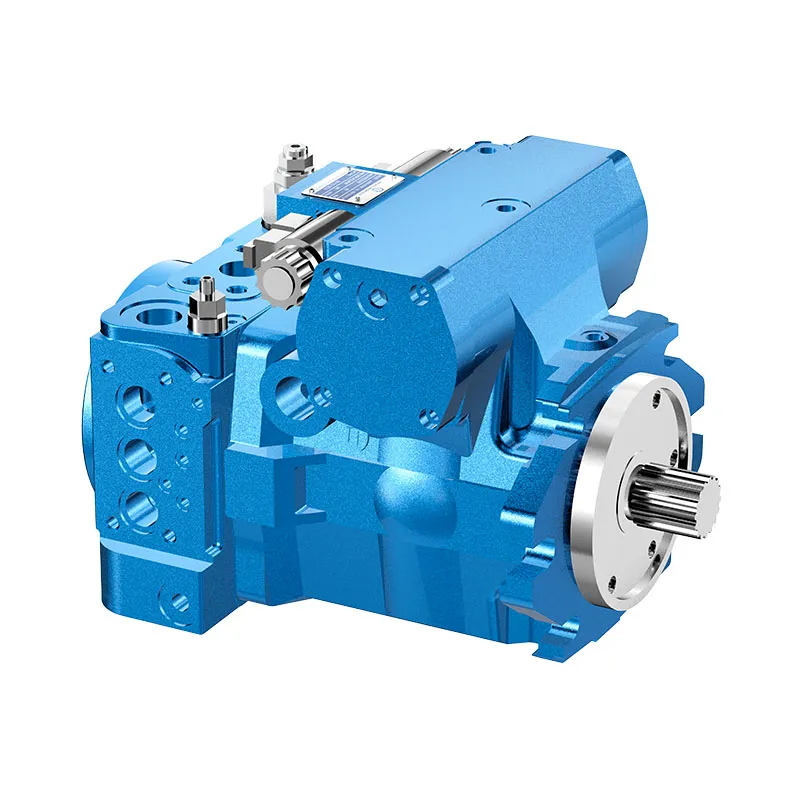
The Prance AA4VG listing provides original external photographs of a closed-loop variable-displacement piston-pump family. These images identify the product category associated with this article. They do not identify its seal compound, prove solvent resistance or show a cleaning procedure. The Danfoss H1T manual is a reference service example, not a chemical approval for the Prance product.
For support, supply the complete pump identification, seal kit reference, operating fluid, proposed cleaner and intended exposure conditions. Ask whether the method is approved for the actual parts and whether seals must be removed or replaced. If the pump is being supplied for a machine with an established maintenance specification, provide that specification as well. The useful result is confirmation of a compatible process and repair scope, rather than a general claim that hydraulic seals resist workshop solvents.
Complete the repair with defined verification
Before assembly, confirm that the approved replacement parts, lubricants and cleaning records match the job. Verify that temporary closures are accounted for and that the component is protected until installed. Reassemble only within the available service instructions. Cleaning does not authorize changes to factory settings or internal control adjustments.
Return the pump to service through the machine manufacturer’s filling and guarded commissioning procedure. Check for leakage and abnormal behavior under the prescribed conditions, and stop if a concern appears. Record the method used and what was verified. A successful operating check does not retroactively validate an unapproved chemical exposure, so resolve material uncertainty before startup. For the next repair, keep the confirmed cleaner identity and permitted process with the applicable pump documentation, rather than relying on a workshop nickname that could refer to a different product later.
Häufig gestellte Fragen
Ist ein metallverträglicher Entfetter auch für Hydraulikdichtungen geeignet?
Not automatically. Compatibility with metal does not establish compatibility with elastomers, coatings or adhesives. Identify the actual seal compound and obtain approval for the specific cleaner and exposure conditions.
Can I identify the seal material by its color?
Do not rely on color. Use the approved parts or seal kit information and supplier confirmation. Similar-looking seals can use different compounds and require different handling conditions.
Does a solvent-wash instruction permit flushing the complete system?
No. Cleaning dismantled service parts and circulating fluid through a hydraulic circuit are different operations. Use the system manufacturer’s supported decontamination procedure for a system-wide problem.
What if an exposed seal looks normal?
Record the exposure and obtain guidance before reuse. Lack of immediate visible change is not proof of compatibility. Follow the applicable replacement requirement or defined evaluation process.
What information should accompany a cleaning-method enquiry?
Provide the pump code, affected parts, seal kit reference, fluid, exact cleaner, dilution, temperature, contact time and proposed residue-removal method. Identify any material or condition that remains unknown.
Verwandte Produkt- und Ingenieurressourcen
AA4VG Closed Circuit Variable Piston Pump, Hydraulikpumpen-Produktpalette, Wie sollten Käufer die Kontamination in einem Hydraulikpumppumensystem kontrollieren?, Hydrauliköl-Reinheitscodes: ISO 4406 – Zielvorgaben nach Komponenten. Bestätigen Sie den vollständigen Produktcode und die Anwendungsanforderungen bei der Anforderung einer Konfigurationsüberprüfung.
Technische Referenzen
- Danfoss H1T service manual: reference design and service boundaries, not Prance specifications
- NIOSH: Preventing Deaths from Uncontrolled Hazardous Energy
Weiterführendes Lernen: Hydraulikpumpen
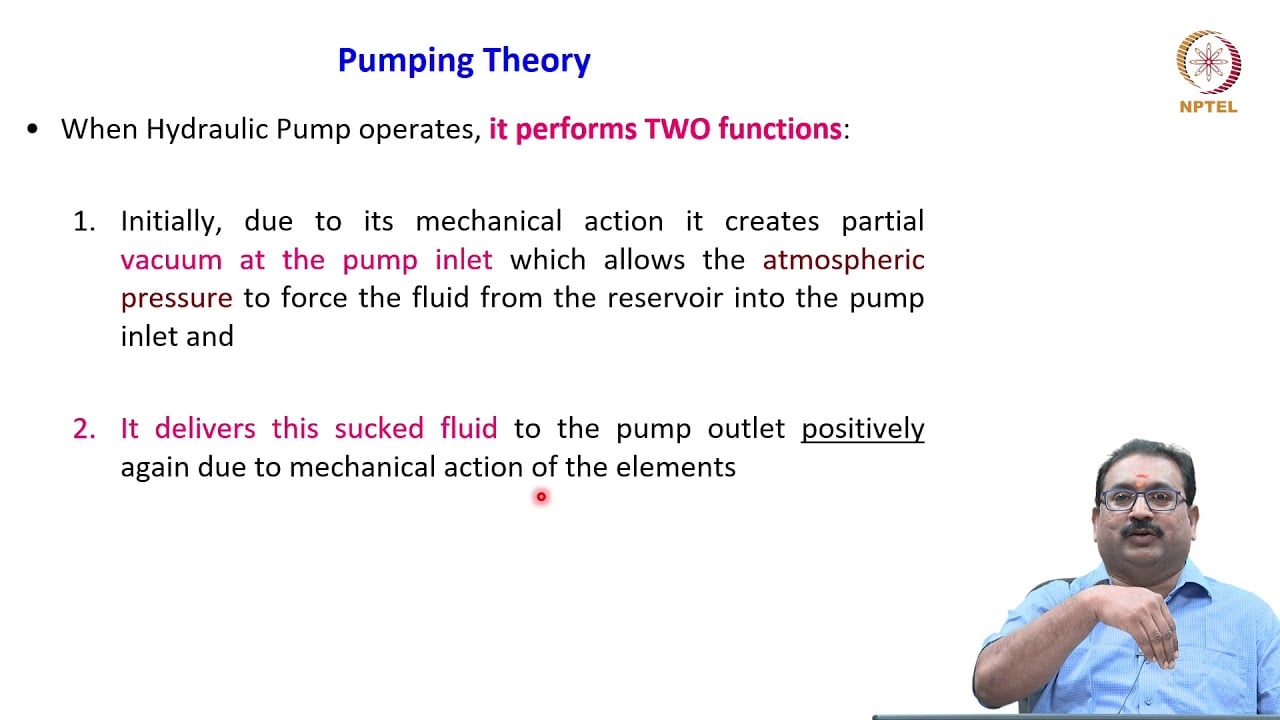
3.2 – Hydraulic Pumps by NPTEL-NOC IITM provides background on pump operating principles. Pump fundamentals explain displacement and energy conversion; this lecture does not demonstrate seal installation, cleaning chemistry or control linkage assembly. It supplements the component fundamentals; it is not a test procedure for the complete circuit discussed above.