Wenzhou Prance Hydraulic Equipment Co., Ltd

Ranhuras de cruzamento e tampas do colector hidráulico: Caminhos ocultos de fuga
Hydraulic manifold cross-drilling plugs close manufacturing access holes or separate internal passages, depending on the block design. A failed external closure can leak oil outside the block; a failed internal separation can connect galleries that should remain isolated. Diagnose the intended passage geometry before blaming a valve or replacing a visible plug. A dry block exterior does not rule out internal cross-port leakage, and matching a plug’s thread does not establish a correct repair.
This guide focuses on drilled passages, construction holes, and their closures. It does not provide drilling dimensions, installation torque, or a universal test pressure. Those values belong to the approved manifold drawing and the specific closure system.
Why cross-drilled passages need closures
A straight drill must enter the block from an accessible face. Connecting internal ports can therefore leave an opening that is useful during manufacture but is not a service connection. A closure seals that access hole after the passage has been produced and cleaned. Other plugs may be positioned to separate parts of a drilling and create the required circuit path.
The important distinction is function. A visible closure may retain pressure against the environment, while a hidden separator may prevent communication between two internal galleries. The same general word, plug, can describe components with different locations, loads, and consequences of failure.
Primary plug-manufacturer references describe purpose-designed systems for sealing drilled holes and product-specific installation procedures. They do not support exchanging threaded, expansion, ball, or other closure types without reviewing the block design. Each system depends on its intended hole geometry and material conditions.
Read the hydraulic schematic alongside the manufacturing drawing
The schematic explains the intended circuit connections. The manufacturing drawing shows how those connections are made in metal. A schematic alone may not identify the access drilling, its closure location, or the wall separating adjacent passages. Use both documents and confirm the revision of the actual block.
Mark pressure, return, actuator, pilot, and drain galleries where applicable. Then identify each construction opening and internal separator. Check whether a plug lies near a cartridge cavity, under a mounted valve, or at a location that cannot be inspected from the exterior.
Do not assume that a replacement block with the same external port positions has identical internal drillings. A drawing revision can change passage routing or closure details without an obvious change in overall appearance. Tie the investigation to a part number and revision rather than a photograph of a similar manifold.
Separate external leakage from internal communication
External leakage is oil reaching the block surface or surrounding area. Internal leakage is flow between locations that should be isolated, or excessive flow through an intended restriction or sealing interface. The symptoms and test methods differ. Cleaning a surface can help locate an external leak but cannot establish the integrity of a hidden separator.
Unexpected actuator movement, pressure appearing in an inactive gallery, or a pressure-decay complaint can justify investigating internal communication. None of those symptoms proves a plug fault on its own. Valve leakage, actuator leakage, connected plumbing, and control state must also be considered.
Start by identifying what should be isolated in the selected operating condition. If the schematic intentionally connects the ports in that state, observing flow does not demonstrate a manufacturing fault. A useful test has a defined boundary, known valve configuration, and acceptance criterion.
Use a symptom-to-evidence table
This table organizes the investigation without assigning a repair prematurely. It is qualitative guidance for selecting the next evidence, not an acceptance standard or permission to test an unidentified block at pressure.
| Observação | Possible explanation to distinguish | Evidence needed next |
|---|---|---|
| Oil at a construction closure | Closure interface, nearby fitting, or tracking oil | Clean exterior and locate the origin safely |
| Pressure in an inactive gallery | Intended connection, valve path, or unintended cross-connection | Confirm schematic state and isolate under an approved procedure |
| Drift with a dry exterior | Valve or actuator leakage, or an internal block path | Test defined circuit boundaries separately |
| New restriction after manufacture | Burr, debris, incorrect passage or closure position | Review geometry and inspect using an approved method |
| Repeated closure failure | Installation, hole condition, pressure history or block damage | Compare the actual hole and duty with closure requirements |
| Fault after a drawing change | Revised drilling or separator arrangement | Match part number, revision and test documentation |
Keep observations distinct from conclusions in the service report. “Pressure measured at port B with the stated isolation” is more useful than “bad manifold” when the isolation arrangement and intended gallery connections have not yet been checked.
Why thread matching is an incomplete repair criterion
A threaded closure depends on more than nominal thread size. The specified seal arrangement, seating surface, engagement, installation procedure, material, and pressure conditions matter. A closure that screws into a hole can still be unsuitable for the intended interface or block wall.
Expansion closures likewise depend on a controlled installation hole and the manufacturer’s procedure. Hole condition, material, dimensions, and installation method are part of the system. Do not substitute a generic driven object or treat a permanent closure as an ordinary removable service plug.
Avoid improvised tightening as a diagnostic method. Additional torque can damage a block or seal and change the evidence. If a closure is leaking, identify the specified system and inspect according to its repair instructions after the equipment has been made safe.
Cross-hole intersections can retain debris
Intersecting drilled passages create locations that require manufacturing attention. Burrs or chips left at an intersection can affect cleanliness and potentially move into the working circuit. The appropriate deburring and cleaning process depends on the geometry, material, and component requirements.
A clean exterior and a clear main passage do not prove that every internal intersection has been addressed. Manufacturing inspection should cover the actual hidden geometry, including blind ends and sections that become inaccessible after closures are installed. The drawing and process plan should identify those areas.
Do not specify an arbitrary abrasive or chemical cleaning method during a field repair. Residues can create a new contamination problem. Use the responsible manufacturer’s approved process and verify the result using the required inspection and cleanliness criteria.
Plan isolation before conducting a leakage test
Secure the machine, isolate energy sources, relieve stored pressure, and account for accumulators and gravity loads before disconnecting components. A manifold can contain trapped pressure even when a main gauge indicates zero elsewhere. Follow the equipment’s designated procedure for the affected galleries.
Define which ports will be supplied, vented, monitored, or isolated during the test. Use appropriately rated equipment and the specified medium, pressure, temperature, and duration. Do not invent a proof pressure by multiplying the normal working pressure without an applicable design or test requirement.
Hydraulic and pneumatic pressure testing have different stored-energy risks. An improvised compressed-air test is not an automatic substitute for the specified hydraulic method. If a safe approved procedure is unavailable, preserve the block and obtain a test plan from a competent responsible party.
Distinguish proof, leakage, and functional results
A proof test addresses a specified structural pressure condition. An external-leakage test evaluates leakage to the surroundings. An internal-leakage test evaluates flow across defined circuit boundaries. A functional test checks whether the assembly operates as intended. Passing one test does not automatically establish the others.
For example, a block may remain dry during a pressure hold while a hidden path connects two galleries. Conversely, pressure decay can reflect connected test equipment or compliant volumes rather than the suspected closure. The interpretation depends on the test arrangement and measurement method.
Report the actual configuration and result, including temperature and fluid where relevant, together with the acceptance criterion. Avoid writing simply “pressure tested” on a repair record. That phrase does not explain what was supplied, which passages were observed, or which failure modes the test could detect.
Keep valve replacement decisions tied to the evidence
A directional valve and its manifold work as an assembly, but a fault in one does not establish a fault in the other. Before replacing a valve, check whether the observed path could be created by the block, mounting interface, external circuit, or the selected spool state.
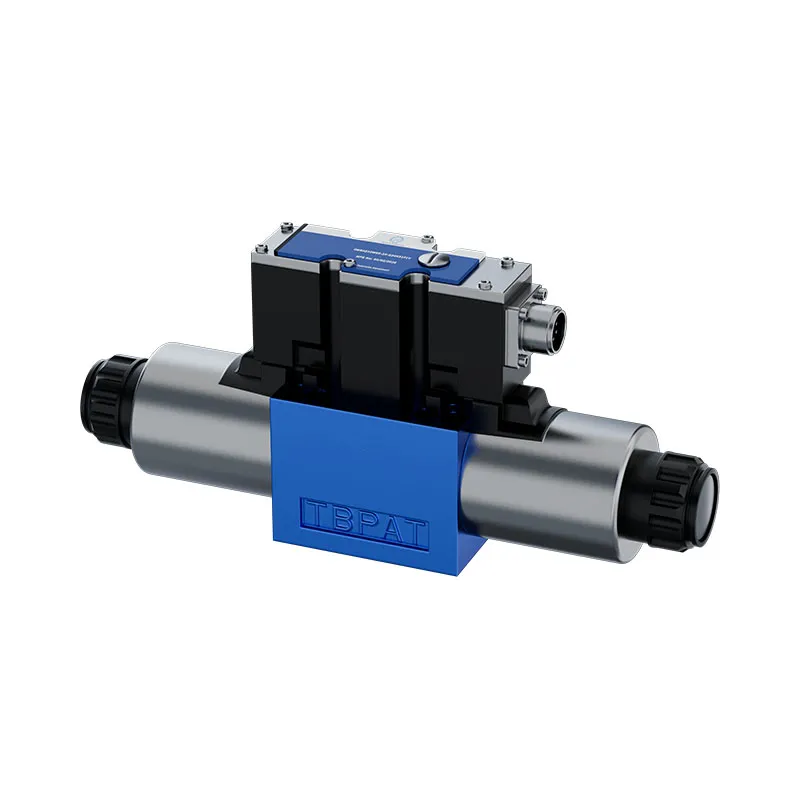
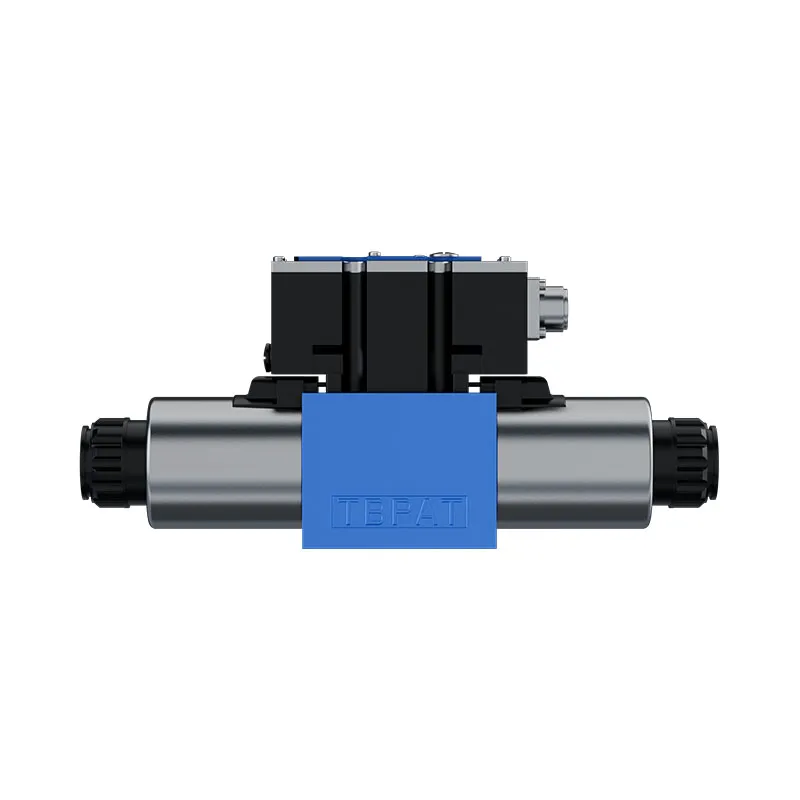
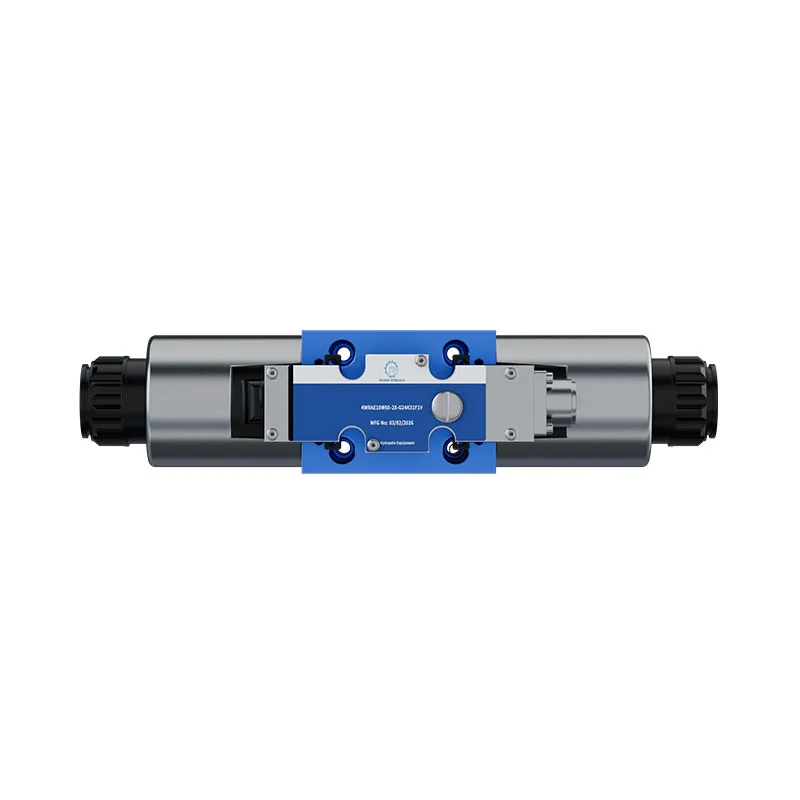
Prance’s 4WRAE proportional-valve product page provides a relevant valve-interface context for this discussion. Its original exterior photographs do not reveal the internal construction of a customer’s manifold. They cannot establish drilling positions, wall thickness, closure selection, or pressure capability of an unverified block.
When asking for a replacement valve or assembly review, supply the complete valve code, manifold drawing, port identification, operating state, and observed measurements. Keep the suspected block path clearly identified. This makes it possible to discuss the correct component without treating every drift or leakage complaint as a valve failure.
Define a repair acceptance package
After an authorized repair, retain the block identification, drawing revision, closure specification, installation record, inspection result, and applicable test report. If the repair changes geometry or a closure system, obtain the responsible design approval rather than assuming a successful pressure hold validates the modification.
Check the block for cleanliness and restore every connected component using the approved assembly procedure. Verify external sealing and the previously failing circuit condition. Then perform the prescribed functional checks with the machine secured and the operating limits respected.
A recurrence should trigger a review of the cause rather than another identical plug replacement. Pressure transients, installation conditions, an unsuitable closure, or damage to the surrounding block may remain unresolved. Preserve the removed parts and photographs when they can help establish what happened.
Questions about manifold drilling closures
Um manifold seco descarta uma tampa com fuga?
No. A separator can leak internally between galleries without releasing oil outside. Establish the intended internal connections and test the relevant boundary using the approved procedure before assigning the fault.
Posso substituir um fecho por qualquer coisa com a mesma rosca?
No. Thread size does not establish the sealing interface, material, installation requirements, or pressure suitability. Use the specified closure or an explicitly approved replacement for the actual block.
Um teste de pressão de prova prova que as galerias estão isoladas?
Not necessarily. Structural proof and internal circuit isolation answer different questions. The test arrangement must specifically expose and measure unintended communication between the galleries of interest.
Devo remover uma tampa de expansão permanente para inspeção?
Only under the manufacturer’s approved extraction and repair procedure. Removal can damage the installation hole or leave debris. Do not treat a permanent closure as a routine service access point.
Que documentos ajudam um fornecedor a investigar vazamentos entre portos?
Provide the block number and revision, hydraulic schematic, drilling drawing, closure details, valve state, fluid and temperature, pressure history, and a test report identifying the isolated boundary. Include photographs as supporting evidence rather than a replacement for the internal drawing.
Recursos relacionados de produto e engenharia
Válvula Proporcional 4WRAE, gama de produtos de válvulas hidráulicas, Quais os registos que devem orientar uma revisão da disposição dos pórticos do bloco hidráulico?, Válvulas Redutoras de Três Vias: Controlo de Pressão de Ambas as Direções. Confirme o código completo do produto e os requisitos da aplicação ao solicitar uma revisão de configuração.
Referências técnicas
- Lee: primary engineering reference for drilled-hole closures; not a valve endorsement
- Lee: product-specific installation and extraction procedures
Lição universitária: válvulas hidráulicas
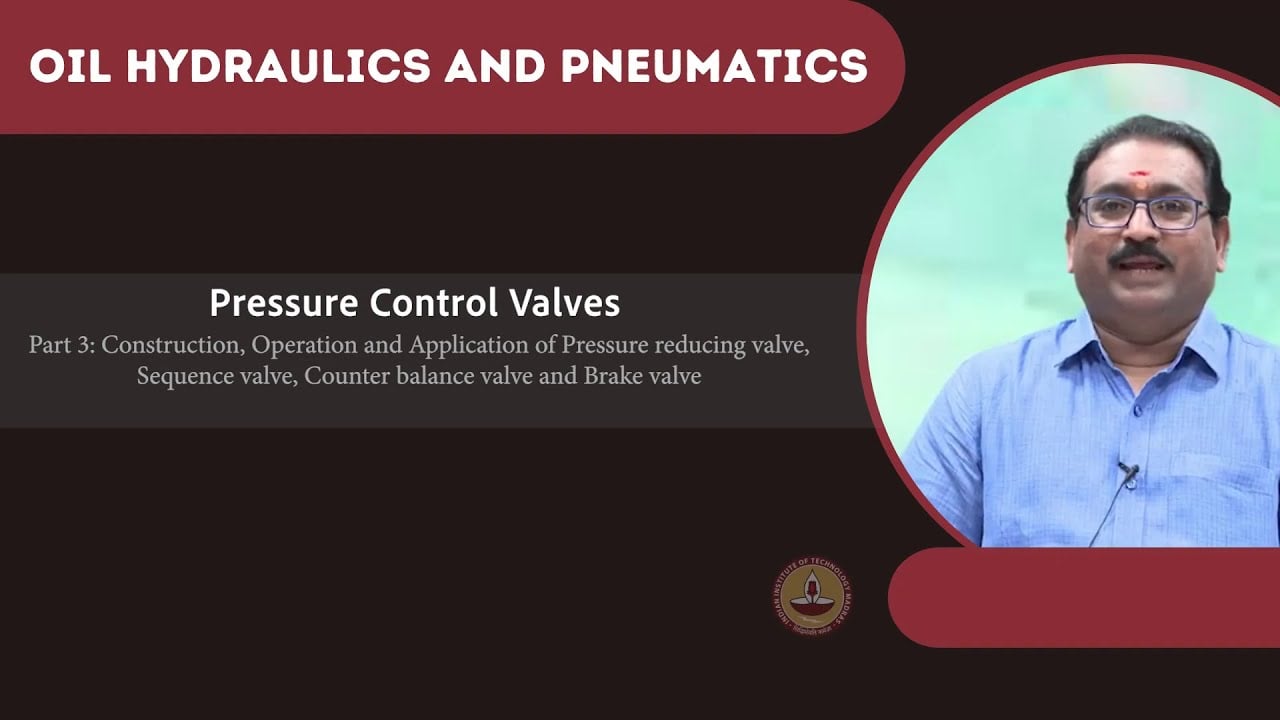
5.8 – Pressure Control Valves by NPTEL-NOC IITM provides background on valve operating principles. The lesson explains the associated component fundamentals; fluid compatibility and manifold repair approvals must come from the written sources and the actual equipment documentation. It supplements the component fundamentals; it is not a test procedure for the complete circuit discussed above.